Product Description
China Manufacturer Pump Spare Parts Liner Piston Assembly
Our pistons are strictly manufactured according to API Standard, which with a high performance in various well drilling environment.The hub is forged from high quality steel, and the piston rubber is made from specially formulated compounds which are of heat, oil and water resistance.It is interchangeable with all other API standard designed pistons.
| Product name |
Urethane bonded piston |
||||||
| Material | NBR, Urethane rubber | ||||||
| Length of use | 400-600h | ||||||
| Port | ZheJiang | ||||||
| Application | Water-based drilling fluids | ||||||
Product Parameters
|
Russian pump |
UNBT950,UNB600,8T650,UNBT 1180L,NBT600,NBT300ect. |
|
BOMCO/Emsco/HongHua |
FB1300/1600, F1300/1600, F800/1000, F500 & some duplex pumps. |
|
Gardener denver |
PZ 7, PZ 8/9, PZ 10/11, KF-FXK, FY-FXD, FD-FXX, FG-FXG, FQ-FXQ, FF-FXP, FG-GXG. |
|
National |
7P50, 8P80, 9P100, 10P130, 12P160, 14P220, JWS165, JWS340/400, C250/350, K700, K500, K380. |
|
Oilwell |
A560/600PT, A850/1100PT, A1400/1700PT, 214P, 810P. |
|
Ideco |
T500, T800/1000, T1300/1600. |
|
Wirth |
TPK1000, TPK1600, TPK2000/2200. |
|
Weatherford |
MP-5,MP-8,MP-10,MP-13,MP-16 |
Features, Advantages and Benefits:
This piston is the best choice for oil-based and synthetic drilling fluids.
The piston is bonded to the hub for optimal strength and extrusion resistance.
The improved seal design centers the piston and promotes longer piston life with reduced liner wear.
The cut-back hub protects the liner from damage.
The dual-durometer elastomeric compound resists extrusion while ensuring a tight seal and improved wiping action.
The piston comes complete with a hub O-ring and sleeve.
Factory
Related product:
| Manufacturing Process: | Forging |
|---|---|
| Surface Treatment: | Spray-Paint |
| Operation Pressure: | Vacuum |
| Samples: |
US$ 250/Piece
1 Piece(Min.Order) | Order Sample |
|---|
| Customization: |
Available
|
|
|---|
.shipping-cost-tm .tm-status-off{background: none;padding:0;color: #1470cc}
| Shipping Cost:
Estimated freight per unit. |
about shipping cost and estimated delivery time. |
|---|
| Payment Method: |
|
|---|---|
|
Initial Payment Full Payment |
| Currency: | US$ |
|---|
| Return&refunds: | You can apply for a refund up to 30 days after receipt of the products. |
|---|
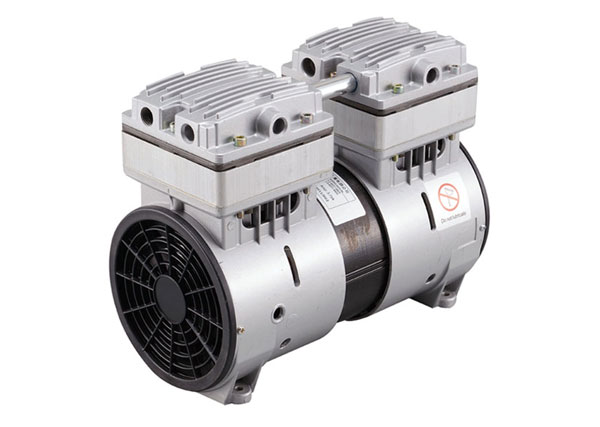
What Are the Advantages of Using Piston Vacuum Pumps?
Piston vacuum pumps offer several advantages that make them suitable for various applications. Here’s a detailed explanation of the advantages of using piston vacuum pumps:
1. High Vacuum Levels:
– Piston vacuum pumps are capable of achieving high vacuum levels, making them suitable for applications that require deep vacuum conditions.
– They can create and maintain a vacuum in the range of millitorr (10-3 Torr) to microns (10-6 Torr).
2. Low Flow Rates:
– Piston vacuum pumps are designed to handle low flow rates efficiently.
– They are suitable for applications where a steady and controlled evacuation is required rather than high-volume pumping.
3. Compact and Portable:
– Piston vacuum pumps are relatively compact and lightweight compared to other types of vacuum pumps.
– Their compact design allows for easy installation in limited spaces or portable applications where mobility is required.
4. Oil Lubrication:
– Many piston vacuum pumps utilize oil lubrication for smooth operation and to maintain airtight seals.
– The oil lubrication also helps to cool the pump by dissipating heat generated during operation.
5. Wide Range of Applications:
– Piston vacuum pumps find applications in various industries and processes.
– They are commonly used in laboratories, research facilities, pharmaceutical production, vacuum drying, vacuum filtration, and other applications that require moderate vacuum levels and low flow rates.
6. Cost-Effective:
– Piston vacuum pumps are often more cost-effective compared to other high-vacuum pumps such as turbomolecular pumps or cryogenic pumps.
– They provide a reliable and affordable solution for achieving vacuum requirements in many applications.
7. Easy Maintenance:
– Piston vacuum pumps are relatively easy to maintain.
– Regular maintenance tasks include checking and replacing lubricating oil, inspecting and cleaning valves, and ensuring proper sealing.
– Routine maintenance helps to prolong the lifespan of the pump and maintain its performance.
8. Durability:
– Piston vacuum pumps are known for their durability and long operational life.
– They are designed to withstand continuous operation and handle demanding vacuum conditions.
– With proper care and maintenance, piston vacuum pumps can provide reliable performance over an extended period.
9. Versatility:
– Piston vacuum pumps can handle a wide range of gases, including inert gases, corrosive gases, and vapors.
– This versatility makes them suitable for diverse applications in different industries.
In summary, the advantages of using piston vacuum pumps include their ability to achieve high vacuum levels, handle low flow rates, compact and portable design, oil lubrication for smooth operation, wide range of applications, cost-effectiveness, easy maintenance, durability, and versatility. These advantages make piston vacuum pumps a popular choice in various industries where moderate vacuum levels and controlled evacuation are required.
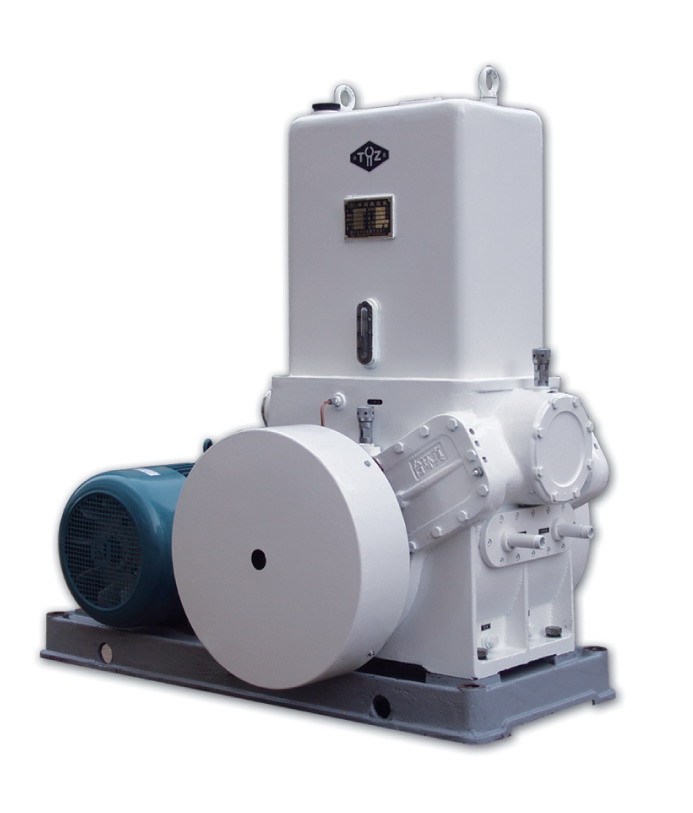
How Does the Cost of Piston Vacuum Pumps Compare to Other Types?
The cost of piston vacuum pumps can vary depending on factors such as the pump’s size, capacity, features, and the specific manufacturer or supplier. Here’s a detailed explanation of how the cost of piston vacuum pumps compares to other types:
– Piston vacuum pumps generally fall into the mid to high range in terms of cost compared to other types of vacuum pumps.
– Compared to rotary vane pumps, which are another common type of vacuum pump, piston pumps are often more expensive.
– This higher cost can be attributed to several factors:
– Design and Construction: Piston vacuum pumps typically have a more complex design and construction, involving precision machining and tighter tolerances. This can contribute to higher manufacturing costs.
– Performance and Features: Piston pumps often offer higher performance and greater pumping capacity compared to other types of pumps. They may also incorporate additional features such as variable speed control or advanced control systems, which can increase the cost.
– Robustness and Durability: Piston pumps are known for their durability and ability to handle demanding applications. They are designed to withstand high pressures and heavy-duty operation, which can contribute to their higher cost.
– On the other hand, when compared to more specialized or advanced vacuum pump technologies such as turbomolecular pumps or cryogenic pumps, piston vacuum pumps are generally more cost-effective.
– Turbomolecular pumps, which are used in high-vacuum applications, are typically more expensive due to their complex design, high rotational speeds, and advanced materials used.
– Cryogenic pumps, which rely on extremely low temperatures for vacuum creation, are also typically more expensive due to the specialized cooling systems and cryogenic components involved.
– It’s important to note that the cost of any vacuum pump can also vary depending on factors such as the required pumping capacity, ultimate vacuum level, and specific industry or application requirements.
– When considering the cost of a piston vacuum pump, it is crucial to assess the overall value it provides in terms of performance, reliability, durability, and suitability for the intended application.
– Additionally, factors such as maintenance requirements, energy efficiency, and the availability of spare parts and service support should also be taken into account when evaluating the cost-effectiveness of a piston vacuum pump.
In summary, piston vacuum pumps generally fall into the mid to high range in terms of cost compared to other types of vacuum pumps. While they may be more expensive than rotary vane pumps, they are often more cost-effective compared to specialized technologies such as turbomolecular pumps or cryogenic pumps. The specific cost of a piston vacuum pump can vary based on factors such as size, capacity, features, and manufacturer.
What Is the Role of Lubrication in Piston Vacuum Pump Operation?
Lubrication plays a crucial role in the operation of a piston vacuum pump. Here’s a detailed explanation:
1. Reduction of Friction:
– Lubrication is essential for reducing friction between moving parts within the pump.
– In a piston vacuum pump, the piston moves up and down inside the cylinder, and lubrication helps to minimize the friction between the piston rings and the cylinder wall.
– By reducing friction, lubrication prevents excessive wear and heat generation, ensuring smooth and efficient operation of the pump.
2. Sealing and Leakage Prevention:
– Lubrication helps to maintain proper sealing between the piston rings and the cylinder wall.
– The lubricating oil forms a thin film between these surfaces, creating a barrier that prevents gas leakage during the compression and vacuum creation process.
– Effective sealing is crucial for maintaining the desired vacuum level and preventing air or gas from entering the pump.
3. Cooling and Heat Dissipation:
– Piston vacuum pumps generate heat during operation, particularly due to the compression of gases.
– Lubricating oil helps in dissipating the heat generated, preventing the pump from overheating.
– The oil absorbs heat from the pump’s internal components and transfers it to the pump’s housing or cooling system.
– Proper cooling and heat dissipation contribute to the pump’s overall performance and prevent damage due to excessive heat buildup.
4. Contaminant Removal:
– Lubrication also aids in removing contaminants or particles that may enter the pump.
– The oil acts as a carrier, trapping and carrying away small particles or debris that could potentially damage the pump’s components.
– The oil passes through filters that help to remove these contaminants, keeping the pump’s internal parts clean and functioning properly.
5. Corrosion Prevention:
– Some lubricating oils contain additives that provide corrosion protection.
– These additives form a protective film on the pump’s internal surfaces, preventing corrosion caused by exposure to moisture or corrosive gases.
– Corrosion prevention is crucial for maintaining the pump’s performance, extending its lifespan, and minimizing the need for repairs or component replacement.
6. Proper Lubrication Selection:
– Selecting the appropriate lubricating oil is essential for the proper functioning of a piston vacuum pump.
– Different pump models and manufacturers may recommend specific oil types or viscosities to ensure optimal performance and longevity.
– It is crucial to follow the manufacturer’s guidelines regarding oil selection, oil level, and oil change intervals.
In summary, lubrication plays a vital role in piston vacuum pump operation by reducing friction, maintaining proper sealing, dissipating heat, removing contaminants, and preventing corrosion. Proper lubrication selection and adherence to manufacturer’s guidelines are crucial for ensuring the pump’s efficient and reliable performance.


editor by CX 2023-12-04