Product Description
Silent Piston Oil Free Vacuum Reciprocating Pump for Vacuum Evaporation
Product Description
A reciprocating vacuum pump (also known as a piston vacuum pump) is 1 of the low vacuum acquisition equipment. Its limited pressure is generally between 1330 and 2660Pa, and its pumping speed range is relatively large, from 50L/S to 600L/S. It is suitable for vacuum impregnation, steel vacuum treatment, vacuum distillation, vacuum evaporation in industries such as petroleum, chemical, pharmaceutical, food, light industry, metallurgy, and electrical engineering. Vacuum concentration, vacuum crystallization, vacuum drying, vacuum filtration, and vacuum operation of concrete to remove gases. Reciprocating vacuum pumps are not suitable for extracting gases with high oxygen content, explosive properties, corrosive properties on metals, or gases containing particulate dust. They are also not suitable for transporting gases from 1 container to another as delivery pumps.
The working principle diagram of a reciprocating vacuum pump is shown in the figure. The main components of the reciprocating vacuum pump are cylinder 1 and piston 2, which moves in a reciprocating straight line. The drive of the piston is completed by a crank connecting rod mechanism 3 (including a crosshead). In addition to the main components mentioned above, there are also important components such as exhaust valve 4 and suction valve 5, as well as auxiliary components such as the base, crankcase, dynamic seal, and static seal.
Product Parameters
|
Model |
WLW-50 |
WLW-70 |
WLW-100 |
WLW-150 |
WLW-200 |
WLW-300 |
WLW-600 |
|
Pumping speed(L/S) |
50 |
70 |
100 |
150 |
200 |
300 |
300 |
|
Ultimate Pres-(≤Pa) |
2000 |
2000 |
2000 |
2000 |
2000 |
2000 |
2000 |
|
rotational speed(rpm) |
270 |
380 |
350 |
210 |
280 |
250 |
240 |
|
Connections of inleDN(mm) |
50 |
50 |
95 |
125 |
125 |
160 |
245 |
|
LW Noise dB(A) |
15 |
15 |
15 |
15 |
15 |
15 |
15 |
|
Noise level dB(A) |
≤70 |
≤75 |
≤75 |
≤78 |
≤80 |
≤80 |
≤80 |
|
temperature rise (°C) |
≤40°C |
≤40°C |
≤40°C |
≤40°C |
≤40°C |
≤40°C |
≤40°C |
|
Pumping size (mm) |
1060X542X1458 |
1060X542X1458 |
1170X616X1715 |
1325X700X1783 |
1325X765X1783 |
1556X871X2125 |
2068X1100X2600 |
|
Weight (Kg) |
500 |
520 |
700 |
900 |
1000 |
1500 |
3100 |
|
Motor Power (Kg) |
4 |
5.5 |
7.5 |
11 |
15 |
22 |
45 |
|
Motor Voltage/motor base frequency (V/Hz) |
380/50 |
380/50 |
380/50 |
380/50 |
380/50 |
380/50 |
380/50 |
|
Nominal Motor speed (rpm) |
970 |
970 |
970 |
970 |
980 |
980 |
990 |
|
Nominal Motor current (A) |
9.4 |
12.6 |
16.8 |
24.3 |
31.6 |
44.7 |
85.9 |
|
Type of protection(IP) |
IP55 |
IP55 |
IP55 |
IP55 |
IP55 |
IP55 |
IP55 |
|
WLW vertical oil-free (corrosion-resistant) reciprocating vacuum pump is the upgraded product to replace W horizontal vacuum pump,and the principal equipment to obtain rough vacuum. As adopt the full sealing device, it realizes the complete isolation of the crankcase from the cylinder; in addition, self-lubricating materials are used for piston ring to achieve the advanced oil-free lubrication.Since no sewage is discharged this type of vacuum pump is especially suitable for the vacuum distillation, vacuum evaporation, vacuum drying, vacuum concentration, vacuum impregnation and other processes in chemical, medicine, food and other industries. |
|||||||
Detailed Photos
Company Profile
HangZhou Sifang Vacuum Equipment Co., Ltd. specializes in the production of vacuum furnaces, vacuum pumps, steel drums and other products.”Sifang” is the registered trademark of the company’s products.
our company is 1 professional vacuum equipment manufacturer in HangZhou, China. We specialize in vacuum pumps, furnaces, systems and components for diverse applications. We produce rotary vane vacuum pumps, water ring vacuum pumps, reciprocating vacuum pumps, roots vacuum pump units, vacuum heat treatment furnaces, vacuum aluminum brazing furnaces, high temperature brazing fur- naces, vacuum sintering furnaces, monocrystalline silicon furnaces and other products. All these vacuum equipment are widely used in aviation, aerospace, military, railway, automobile, machinery, mold, electronics, metallurgy, scientific research and other fields.
We have professional engineer support, high efficiency sales team and competitive price superiority, and attract customers from all over the world, we export to over 40 countries, including Europe, Poland, Serbia, Turkey, Russia, USA, Mexico, Brazil, India, Thailand, Middle east and South Africa.
After several years’ development, We have achieved great progress, we are equipped with the AutomaticCNCmachines and multi-func- tion testing machines. Our R&D department provide the strong tech- nical support and enable us to receive some 0 E M, O D M projects. We can produce at least 3000 sets vacuum equipment per year. With our innovative and energy-efficient vacuum equipment that is put to work in a multitude of manufacturing and process applica- tions, we also offer you a comprehensive suite of CZPT ser- vices to complement our products.
FAQ
1.Q: Are you a factory or trading company?
A: We are a factory and we have professional team of workers,Designers and inspectors.
2.Q:Do you accept custom?
A:Of course.We have professional teams who make your designs,photos,imagines and OEM orders into real production.
3.Q:What’s your advantages?
A: Quick response to your enquiry,
High quality control,
Reasonable price,
Timely delivery,
Excellent after-sales service,
OEM/ODM are welcome
4.Q:What’s your shipping terms?
A:If you need to ship by air,we can use DHL,UPS,FedEx,TNT or EMS.If you need to ship by sea,we have many good forwarders to work with,they can provide the best price for you.
/* January 22, 2571 19:08:37 */!function(){function s(e,r){var a,o={};try{e&&e.split(“,”).forEach(function(e,t){e&&(a=e.match(/(.*?):(.*)$/))&&1
| After-sales Service: | Online Support |
|---|---|
| Warranty: | 1 Year |
| Oil or Not: | Oil |
| Structure: | Vacuum Pump |
| Exhauster Method: | Entrapment Vacuum Pump |
| Vacuum Degree: | Vacuum |
| Customization: |
Available
|
|
|---|
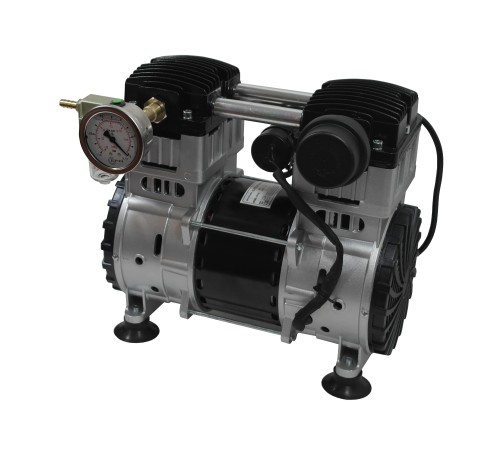
How Does Piston Displacement Affect the Pump’s Performance?
Piston displacement is a crucial factor that significantly affects the performance of a piston vacuum pump. Here’s a detailed explanation:
Piston displacement refers to the volume of gas or air that a piston vacuum pump can move during each stroke of the piston. It determines the pump’s capacity or flow rate, which is the amount of gas that the pump can evacuate per unit of time.
1. Flow Rate:
– The piston displacement directly influences the flow rate of the pump.
– A larger piston displacement corresponds to a higher flow rate, meaning the pump can evacuate a larger volume of gas per unit of time.
– Conversely, a smaller piston displacement results in a lower flow rate.
2. Pumping Speed:
– The pumping speed is a measure of how quickly a vacuum pump can remove gas molecules from a system.
– The piston displacement is directly related to the pumping speed of the pump.
– A larger piston displacement leads to a higher pumping speed, allowing for faster evacuation of the system.
– A smaller piston displacement results in a lower pumping speed, which may require more time to achieve the desired vacuum level.
3. Vacuum Level:
– The piston displacement indirectly affects the achievable vacuum level of the pump.
– A larger piston displacement can help reach lower pressures and achieve a deeper vacuum.
– However, it’s important to note that achieving a deep vacuum also depends on other factors such as the design of the pump, the quality of the seals, and the operating conditions.
4. Power Consumption:
– The piston displacement can impact the power consumption of the pump.
– A larger piston displacement typically requires more power to operate the pump due to the increased volume of gas being moved.
– Conversely, a smaller piston displacement may result in lower power consumption.
5. Size and Weight:
– The piston displacement affects the size and weight of the pump.
– A larger piston displacement generally requires a larger pump size and may increase the weight of the pump.
– On the other hand, a smaller piston displacement can result in a more compact and lightweight pump.
It’s important to select a piston vacuum pump with an appropriate piston displacement based on the specific application requirements.
In summary, the piston displacement of a vacuum pump directly influences its flow rate, pumping speed, achievable vacuum level, power consumption, and size. Understanding the relationship between piston displacement and pump performance is crucial in choosing the right pump for a given application.
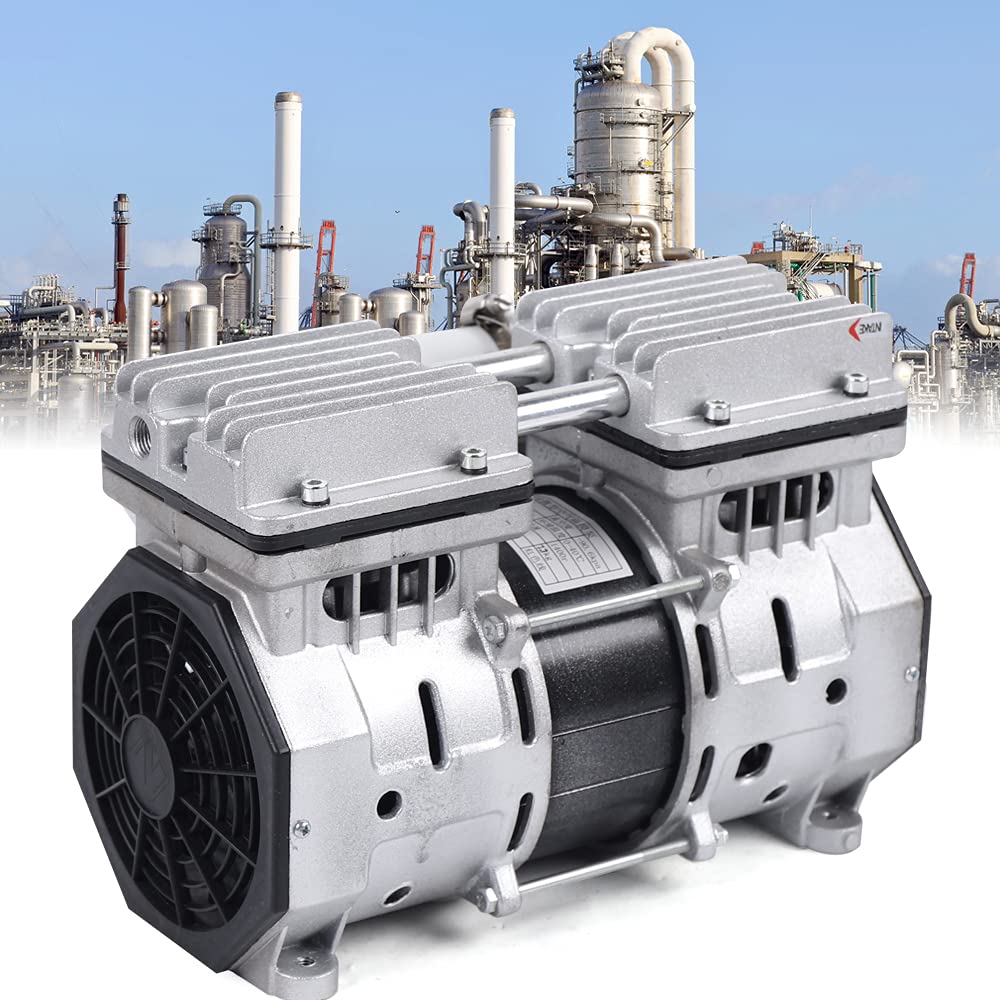
Can Piston Vacuum Pumps Be Used for Vacuum Drying Processes?
Yes, piston vacuum pumps can be used for vacuum drying processes. Here’s a detailed explanation:
1. Vacuum Drying Process:
– Vacuum drying is a process used to remove moisture or other volatile substances from a material or product by subjecting it to reduced pressure.
– The reduced pressure lowers the boiling point of the moisture, allowing it to evaporate at lower temperatures.
– Vacuum drying is commonly used in industries such as food processing, pharmaceuticals, ceramics, and electronics to dry heat-sensitive or delicate materials.
2. Vacuum Generation:
– Piston vacuum pumps are well-suited for generating the required vacuum levels for drying processes.
– These pumps create a vacuum by drawing air or gas out of the drying chamber, reducing the pressure inside.
– The piston inside the pump moves up and down, creating a pumping action that helps to evacuate the chamber and maintain the desired vacuum level.
3. Advantages of Piston Vacuum Pumps for Vacuum Drying:
– Piston vacuum pumps offer several advantages that make them suitable for vacuum drying processes:
– High Vacuum Levels: Piston pumps can achieve relatively high vacuum levels, allowing efficient moisture removal from the material being dried.
– Controllable Vacuum Levels: These pumps often have adjustable speed or flow rate controls, enabling precise control of the vacuum level during the drying process.
– Compatibility with Moisture-Laden Gases: Some drying processes involve the removal of moisture-laden gases. Piston pumps can handle these gases without significant performance degradation.
– Robustness and Reliability: Piston vacuum pumps are known for their robust construction and reliability, making them suitable for continuous or long-duration drying processes.
4. Considerations for Vacuum Drying:
– While piston vacuum pumps can be used for vacuum drying, there are a few considerations to keep in mind:
– Temperature Sensitivity: Some drying processes require low-temperature operation due to the sensitivity of the material being dried. It’s important to select a piston pump that can handle the desired temperature range.
– Moisture Compatibility: Depending on the drying process, the pump’s internal components may come into contact with moisture or other volatile substances. It’s essential to select a pump with suitable materials of construction that can withstand such conditions.
– Condensable Vapors: In vacuum drying processes, condensation of vapors can occur. It’s important to ensure that the piston pump is equipped with appropriate features or accessories, such as condensate traps or separators, to handle condensable vapors.
5. System Integration:
– Integrating the piston vacuum pump into the overall vacuum drying system requires consideration of factors such as proper sizing, sealing mechanisms, and connecting piping or hoses.
– It’s important to ensure compatibility and proper integration between the pump, drying chamber, and any additional equipment or controls used in the process.
In summary, piston vacuum pumps can be used effectively for vacuum drying processes. Their ability to generate high vacuum levels, controllability, compatibility with moisture-laden gases, and robustness make them suitable for a wide range of drying applications. However, it’s important to consider factors like temperature sensitivity, moisture compatibility, condensable vapors, and proper system integration to ensure successful and efficient vacuum drying operations.
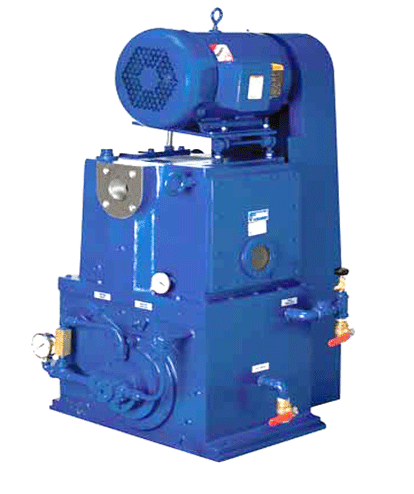
Are Piston Vacuum Pumps Suitable for Laboratory Use?
Yes, piston vacuum pumps are commonly used and well-suited for laboratory applications. Here’s a detailed explanation:
1. Versatility:
– Piston vacuum pumps offer versatility and can be utilized in a wide range of laboratory processes and equipment.
– They are compatible with various laboratory applications such as vacuum ovens, freeze dryers, vacuum filtration systems, and rotary evaporators.
2. Vacuum Generation:
– Piston vacuum pumps are capable of generating and maintaining deep vacuum levels, making them suitable for laboratory use.
– They can achieve vacuum levels ranging from millitorr (10-3 Torr) to microns (10-6 Torr), depending on the specific pump design and operating conditions.
3. Control and Precision:
– Piston vacuum pumps provide precise control over the vacuum level, allowing researchers to create and maintain the desired pressure conditions in their experiments.
– The pumps offer fine-tuning capabilities to achieve the optimal vacuum level required for specific laboratory processes.
4. Reliability and Durability:
– Piston vacuum pumps are known for their reliability and durability, which are crucial factors in laboratory environments.
– They are designed to withstand continuous operation and frequent use, ensuring consistent performance over extended periods.
5. Low Contamination Risk:
– Piston vacuum pumps are designed with airtight seals that minimize the risk of contamination.
– This is particularly important in laboratory settings where maintaining a clean and uncontaminated environment is vital for accurate and reliable experimental results.
6. Cost-Effective Solution:
– Piston vacuum pumps are generally more cost-effective compared to other types of vacuum pumps.
– They offer a balance between performance and affordability, making them a preferred choice for many laboratory budgets.
7. Ease of Maintenance:
– Piston vacuum pumps are relatively easy to maintain, with readily available spare parts and service support.
– Routine maintenance tasks such as changing oil, inspecting seals, and cleaning can be easily performed, ensuring the pump’s longevity and consistent performance.
In summary, piston vacuum pumps are highly suitable for laboratory use due to their versatility, ability to generate deep vacuum levels, precise control, reliability, low contamination risk, cost-effectiveness, and ease of maintenance. They are widely utilized in various laboratory applications and provide researchers with the necessary vacuum conditions for their experiments and processes.


editor by CX 2024-04-09