Warranty: 3 several years, 2 years
Custom-made assistance: OEM, ODM, OBM
Product Amount: HC550A2-one
Application: Other, Automotive Market, Biofuel Sector, Business Properties, Establishing Entire world Drinking water Options, District Strength, Ingesting h2o treatment, Loved ones Properties, Meals and Beverage Industry, CZPT OEM, Industrial Boilers, Industrial Utilities, WPDS Involute Spur Equipment Gear Motor Speed Reducer Gear Box Casting For Building Content Shops Irrigation and Agriculture, Machining, Maritime, Steel and Products Producers, Mining industry, Pharmaceutical sector, Uncooked Drinking water Ingestion, temperature management, Washing and Cleansing, Wastewater Transportation and Flood Handle, wastewater treatment method, H2o Distribution, Drinking water Treatment Answers
Horsepower: .54HP
Electrical power Source: Electric powered
Stress: Can be custom-made
Construction: PISTON PUMP
Cable Length: Personalized
Outlet Measurement: Customized
Voltage: 12V/24V/48V/110V(can be tailored), according to your needs
Power: 400W, Electric powered
motor: one hundred% Copper wire
Theory: Vacuum Pump
Use: Air Pump
Standard or Nonstandard: Common
shift product: transportable oil free of charge vacuum pump
packing: 1pcs/carton situation
Certification: CE Certificate
Certification: ce
Packaging Particulars: 1pcs/carton scenario , 6BD1 Excavator Engine Assembly Remanufactured Engine for CZPT V Twin Diesel Engine the dimension is 28*28*21 cm , the bodyweight is twelve.5kg .54pcs / pallet , the pallet measurement is 88*eighty five*75 cm , the complete fat is 350kg
Port: HangZhou or ZheJiang port
Item Paramenters
| ITEM NO | HC550A2-1 |
| Name | AC Oil cost-free vacuum pump |
| Packing | 2 pcs / carton circumstance |
| Weight | 10.6 kg |
| Dimension | 271*128*194 mm |
| Voltage | 220V 50Hz / 110V 60Hz |
| Vacuum movement | 100 L/min @-92Kpa : (One-Quality vacuum) fifty L/min @-98Kpa :(Two-Quality vacuum ) |
| Power | 400 W |
| Parts | With Power wire, capacitor , handles and toggleswitch attached |
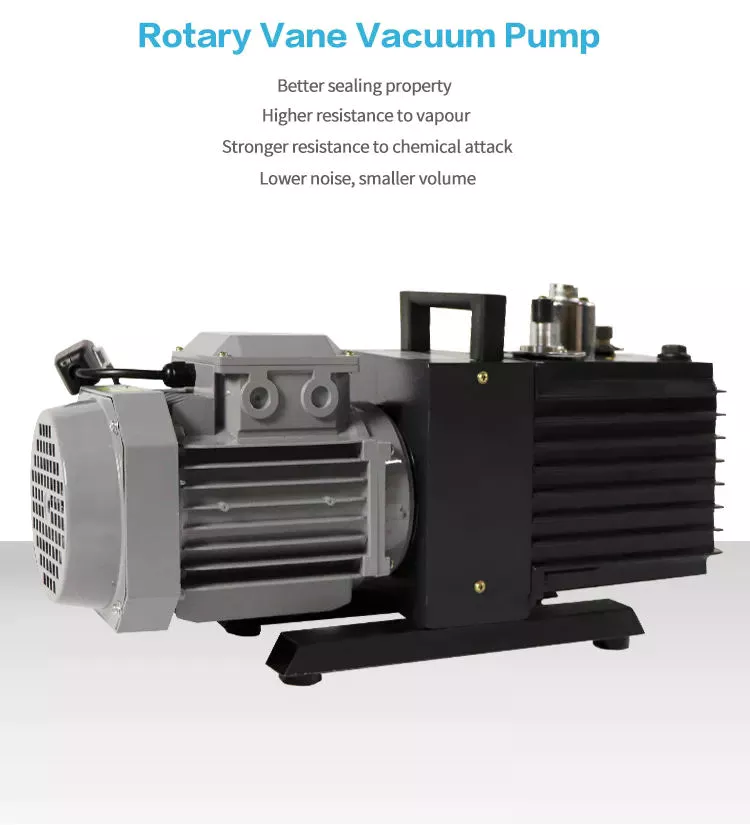
What Are Vacuum Pumps?
Vacuum pumps use air flow as the source of energy. The system is ideal for dewatering wet media, creating filter cakes, and pneumatically moving materials through a pipe. A vacuum pump works through air flow that is moved by differential pressure. The pump’s air flow develops a vacuum in a chamber that is called the vacuum box. As the air flow collects gas at a faster rate than atmospheric pressure, it is considered the “heart” of a vacuum system.
Principles of operation
Vacuum pumps work by reducing the volume of air that moves through them. Depending on the design, there are several different types of vacuum pumps. All of these types operate under the same principles, but have their own special features. Here are some of their most important characteristics. In addition to their capacity, the main differences between these pumps are their manufacturing tolerances, materials of construction, and level of tolerance for chemicals, oil vapor, and vibration.
Vacuum pumps create a partial or low-pressure vacuum by forcing gas molecules from their high-pressure states to their low-pressure states. However, these pumps can only achieve a partial vacuum, and other methods are necessary to reach a higher level of vacuum. As with all pumps, there are several ways to increase the level of a vacuum.
First, consider the type of vacuum you want. This is the most important factor when choosing a vacuum pump. If you need a high level of vacuum, you’ll need a high-quality vacuum pump. High-quality vacuum pumps have a high pressure limit, while ultrahigh-quality pumps are capable of achieving a very low vacuum. As the pressure decreases, the amount of molecules per cubic centimeter decreases and the quality of the vacuum increases.
Positive displacement pumps are best suited for low and medium-pressure systems. But they can’t reach high vacuum, which is why most high-pressure systems use two pumps in tandem. In this case, the positive displacement pump would stall and the other one would be used instead. Similarly, entrapment pumps have higher-pressure limits, so they must be refreshed frequently or exhaust frequently when there is too much gas to capture.
Another important aspect of vacuum pump operation is its speed. The speed of pumping is proportional to the differential pressure across the system. Therefore, the faster the pumping speed, the lower the draining time.
Design
A vacuum pump is a mechanical device used to generate a vacuum. It can create a low or high vacuum. These pumps are used in the process of oil regeneration and re-refining. The design of a vacuum pump must be compatible with the vacuum. The pump’s mass and speed should be matched.
The design of a vacuum pump is important for many reasons. It should be easy to use and maintain. Vacuum pumps need to be protected from external contamination. For this reason, the oil must be kept clean at all times. Contamination may damage the oil, resulting in pump failure. The pump’s design should include features that will prevent this from happening.
The main objective of a vacuum pump is to remove air and other gases from a chamber. As the pressure of the chamber drops, the amount of molecules that can be removed becomes more difficult. Because of this, industrial and research vacuum systems typically require pumps to operate over a large pressure range. The range is generally between one and 10-6 Torr. A standard vacuum system uses multiple pumps, each covering a portion of the pressure range. These pumps can also be operated in a series to achieve optimal performance.
The design of a vacuum pump can vary depending on the application and the pressure requirement. It should be sized appropriately to ensure that it works properly. There are several different types of pumps, so selecting the right pump is essential to maximizing its efficiency. For example, a slow running vee belt drive rotary vane vacuum pump will have a lower running temperature than a fast-running direct-drive pump.
Performance
The performance of a vacuum pump is an important indicator of its overall condition. It helps determine whether the system is performing optimally and how high the ultimate vacuum level can be achieved. A performance log should be maintained to document variations in pump operating hours and voltage as well as the temperature of the pump’s cooling water and oil. The log should also record any problems with the pump.
There are several ways to increase the performance of a vacuum pump. For example, one way is to decrease the temperature of the working fluid. If the temperature of the fluid is too high, it will lead to a low vacuum. A high temperature will make the vacuum degree of the pump even lower, so heat transfer is an important part of the process.
Nozzles are another major component that impacts the performance of a vacuum pump. Damage or clogging can result in a compromised pumping capacity. These problems can occur due to a number of causes, including excessive noise, leakage, and misassembled parts. Nozzles can also become clogged due to rusting, corrosion, or excess water.
Performance of vacuum pump technology is vital for many industries. It is an integral part of many central production processes. However, it comes with certain expenses, including machines, installations, energy, and maintenance. This makes it essential to understand what to look for when purchasing a vacuum pump. It is important to understand the factors that can influence these factors, as they affect the efficiency of a vacuum pump.
Another important factor in determining the performance of a vacuum pump is throughput. Throughput is a measurement of how many molecules can be pumped per unit of time at a constant temperature. Moreover, throughput can also be used to evaluate volume leak rates and pressure at the vacuum side. In this way, the efficiency of a vacuum pump can be judged by the speed and throughput of its leaks.
Atmospheric pressure
Vacuum pumps work by sucking liquids or air into a container. The amount of vacuum a pump can create is measured in pressure units called atms (atmospheric pressure). The pressure of a vacuum pump is equal to the difference between atmospheric pressure and the pressure in the system.
The amount of force produced by air molecules on each other is proportional to the number of impacts. Therefore, the greater the impact, the higher the pressure. In addition, all molecules have the same amount of energy at any temperature. This holds true for both pure and mixture gases. However, lighter molecules will move faster than heavier ones. Nevertheless, the transfer of energy is the same for both.
The difference between atmospheric and gauge pressure is not always straightforward. Some applications use one term to describe the other. While the two concepts are closely related, there are key differences. In most cases, atmospheric pressure is a higher number than gauge pressure. As a result, it can be confusing when choosing a vacuum pump.
One method is to use a U-tube manometer, a compact device that measures the difference between atmospheric pressure and vacuum. This device is commonly used for monitoring vacuum systems. It can measure both negative and positive pressure. In addition, it uses an electronic version of a gauge.
The atmospheric pressure affects the performance of a vacuum pump. When working with porous materials, the pump must overcome leakage. As a result, it must be equipped with enough capacity to compensate for variations in the porosity of the work piece. This is why it is critical to buy a vacuum pump that has a large enough capacity to handle the variation.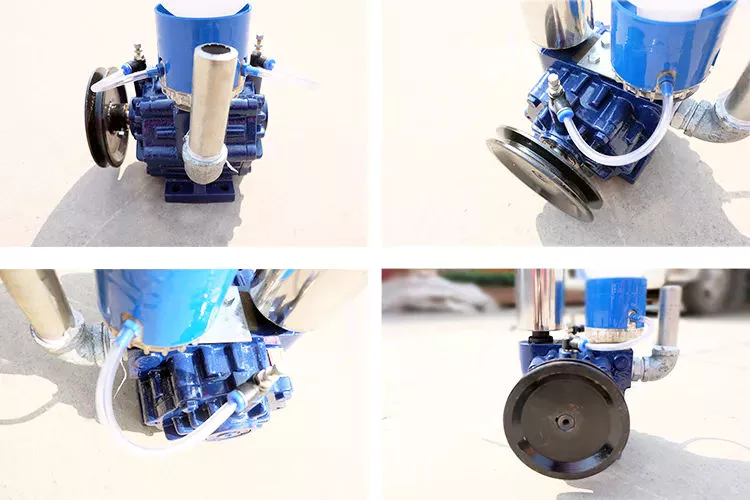
Typical application
Vacuum pumps are used in a variety of applications. They generate low and high pressures and are used to evaporate water or gases from various materials. They are also used in petroleum regeneration and re-refining processes. Typical applications of vacuum pumps include: a.
b. Rotary vane pumps are used in a variety of vacuum applications. They are suitable for industrial applications, freeze drying and cabinet making. They use oil as a sealant and coolant, allowing them to perform well in a variety of applications. This makes them ideal for use in a variety of industries.
The pumping rate of the vacuum pump is important. This refers to the volume pumped from a given point at a given rate. The higher the speed, the faster the pump will expel the air. Depending on the gas composition, this number will vary. When choosing a vacuum pump, gas composition and process requirements should be considered.
Vacuum pumps are used in a variety of industries from laboratories to medical facilities. In medical applications, they are used in radiation therapy and radiopharmaceuticals. They are also used in mass spectrometers, which are instruments used to analyze solid, liquid, or surface materials. Vacuum pumps are also used in decorative vacuum coatings and Formula 1 engine components. A trash compactor is another example of using a vacuum pump.
Vacuum pumps are used in a variety of applications including water purification and aeration. Vacuum pumps are also used in portable dental equipment and compressors in the dental industry. Vacuum pumps are also used in molds for dental implants. Other common applications for vacuum pumps include soil aeration and air sampling.


editor by CX 2023-06-30