Product Description
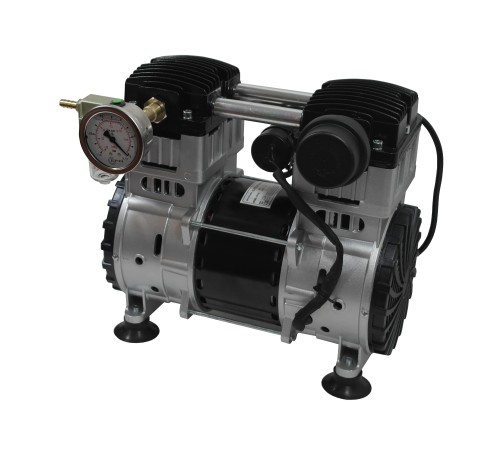
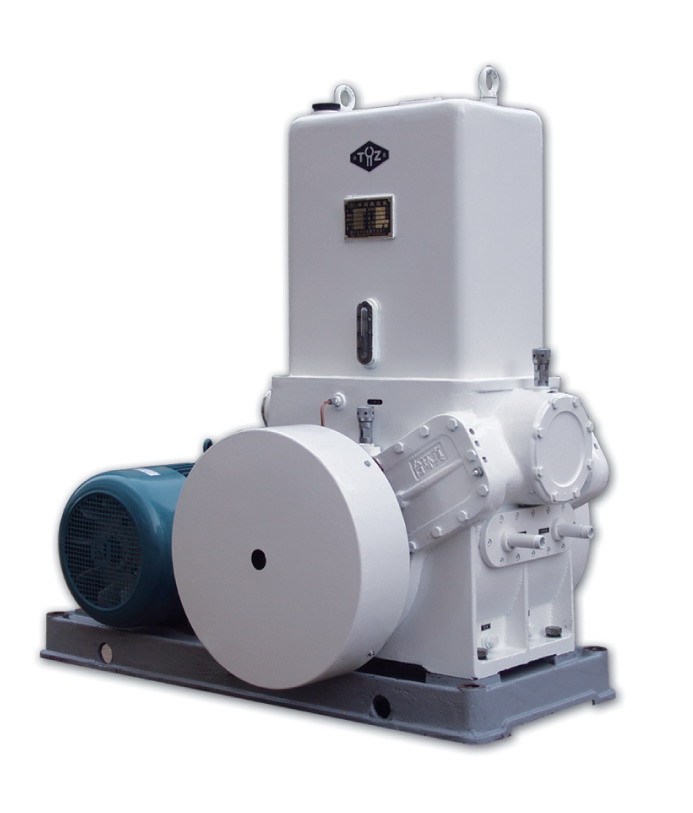
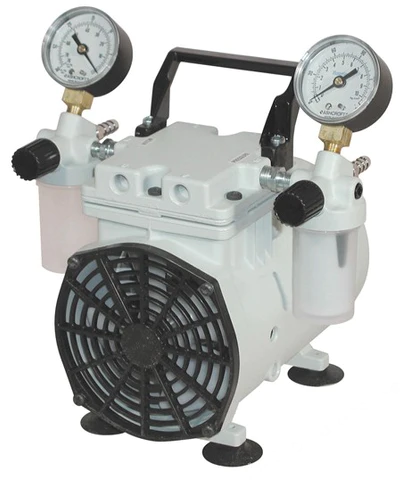
High Quality Oil-Free Vacuum Pump for Sale
Features and use:
1.Rotary vacuum pump is the direct type mini vacuum pump
2. Specially designed for low temperature environment, guarantee in the winter environmental temperature under the condition of low normal starting.
3. Optimization design, the vacuum degree increasing, increased efficiency, suitable for vacuum cooling, car repairs, medical machinery, vacuum packaging,
Gas analysis, printing machinery and so on all kinds of vacuum suction.
Scope of application:
Widely used in vacuum packaging, drying, distillation, concentration, loading and unloading, and attract, vacuum forming, and other fields.
Product Data
| Oil Free Piston Air Compressor Pump | |||||||||||||||
| Oil free pump | Parametre | ||||||||||||||
| Voltage | 220V | ||||||||||||||
| Frequency | 50HZ | ||||||||||||||
| Voltage type | AC | ||||||||||||||
| Power | 780W | ||||||||||||||
| Electricity | 2A/4A | ||||||||||||||
| Air volumn | 120L/Min | ||||||||||||||
| exhaust inlet diametre | 1/4” | ||||||||||||||
| Max pressure | 8 Bar | ||||||||||||||
| Max vacuum | Minus 9 China, HangZhou, ZHangZhoug, China.
ONEREEL is specialized in the design and manufacture Steel Spools, Plastic Spools, Cable roller, Yarn Bobbin, aluminum spool , Cable Reel Stand, Sheave Pulley, Cable Conveyor, Hydraulic Puller Tensioner, Gin Poles, Cable Pulling Winch, Safety Tools, Wire Grip, Plastic Parts, and Pump in the industry since 1991. All of our customer spool and wire carrier are engineered and manufactured in our 120,000 square foot state-of-the-art manufacturing plant located in HangZhou, ZHangZhoug.
Hot Product
Our Customer
Packaging & Transportation
Authoritative Certificate
FAQ Q1: Can I get samples? /* March 10, 2571 17:59:20 */!function(){function s(e,r){var a,o={};try{e&&e.split(“,”).forEach(function(e,t){e&&(a=e.match(/(.*?):(.*)$/))&&1
How Does Piston Displacement Affect the Pump’s Performance?Piston displacement is a crucial factor that significantly affects the performance of a piston vacuum pump. Here’s a detailed explanation: Piston displacement refers to the volume of gas or air that a piston vacuum pump can move during each stroke of the piston. It determines the pump’s capacity or flow rate, which is the amount of gas that the pump can evacuate per unit of time. 1. Flow Rate: – The piston displacement directly influences the flow rate of the pump. – A larger piston displacement corresponds to a higher flow rate, meaning the pump can evacuate a larger volume of gas per unit of time. – Conversely, a smaller piston displacement results in a lower flow rate. 2. Pumping Speed: – The pumping speed is a measure of how quickly a vacuum pump can remove gas molecules from a system. – The piston displacement is directly related to the pumping speed of the pump. – A larger piston displacement leads to a higher pumping speed, allowing for faster evacuation of the system. – A smaller piston displacement results in a lower pumping speed, which may require more time to achieve the desired vacuum level. 3. Vacuum Level: – The piston displacement indirectly affects the achievable vacuum level of the pump. – A larger piston displacement can help reach lower pressures and achieve a deeper vacuum. – However, it’s important to note that achieving a deep vacuum also depends on other factors such as the design of the pump, the quality of the seals, and the operating conditions. 4. Power Consumption: – The piston displacement can impact the power consumption of the pump. – A larger piston displacement typically requires more power to operate the pump due to the increased volume of gas being moved. – Conversely, a smaller piston displacement may result in lower power consumption. 5. Size and Weight: – The piston displacement affects the size and weight of the pump. – A larger piston displacement generally requires a larger pump size and may increase the weight of the pump. – On the other hand, a smaller piston displacement can result in a more compact and lightweight pump. It’s important to select a piston vacuum pump with an appropriate piston displacement based on the specific application requirements. In summary, the piston displacement of a vacuum pump directly influences its flow rate, pumping speed, achievable vacuum level, power consumption, and size. Understanding the relationship between piston displacement and pump performance is crucial in choosing the right pump for a given application.
How Does the Cost of Piston Vacuum Pumps Compare to Other Types?The cost of piston vacuum pumps can vary depending on factors such as the pump’s size, capacity, features, and the specific manufacturer or supplier. Here’s a detailed explanation of how the cost of piston vacuum pumps compares to other types: – Piston vacuum pumps generally fall into the mid to high range in terms of cost compared to other types of vacuum pumps. – Compared to rotary vane pumps, which are another common type of vacuum pump, piston pumps are often more expensive. – This higher cost can be attributed to several factors: – Design and Construction: Piston vacuum pumps typically have a more complex design and construction, involving precision machining and tighter tolerances. This can contribute to higher manufacturing costs. – Performance and Features: Piston pumps often offer higher performance and greater pumping capacity compared to other types of pumps. They may also incorporate additional features such as variable speed control or advanced control systems, which can increase the cost. – Robustness and Durability: Piston pumps are known for their durability and ability to handle demanding applications. They are designed to withstand high pressures and heavy-duty operation, which can contribute to their higher cost. – On the other hand, when compared to more specialized or advanced vacuum pump technologies such as turbomolecular pumps or cryogenic pumps, piston vacuum pumps are generally more cost-effective. – Turbomolecular pumps, which are used in high-vacuum applications, are typically more expensive due to their complex design, high rotational speeds, and advanced materials used. – Cryogenic pumps, which rely on extremely low temperatures for vacuum creation, are also typically more expensive due to the specialized cooling systems and cryogenic components involved. – It’s important to note that the cost of any vacuum pump can also vary depending on factors such as the required pumping capacity, ultimate vacuum level, and specific industry or application requirements. – When considering the cost of a piston vacuum pump, it is crucial to assess the overall value it provides in terms of performance, reliability, durability, and suitability for the intended application. – Additionally, factors such as maintenance requirements, energy efficiency, and the availability of spare parts and service support should also be taken into account when evaluating the cost-effectiveness of a piston vacuum pump. In summary, piston vacuum pumps generally fall into the mid to high range in terms of cost compared to other types of vacuum pumps. While they may be more expensive than rotary vane pumps, they are often more cost-effective compared to specialized technologies such as turbomolecular pumps or cryogenic pumps. The specific cost of a piston vacuum pump can vary based on factors such as size, capacity, features, and manufacturer.
Can Piston Vacuum Pumps Handle Corrosive Gases or Vapors?Piston vacuum pumps are generally not suitable for handling corrosive gases or vapors. Here’s a detailed explanation: 1. Construction Materials: – Piston vacuum pumps are typically constructed with materials such as cast iron, aluminum, stainless steel, and various elastomers. – While these materials offer good resistance to normal operating conditions, they may not be compatible with corrosive substances. – Corrosive gases or vapors can attack and degrade the pump’s internal components, leading to reduced performance, increased wear, and potential failure. 2. Sealing and Contamination: – Piston vacuum pumps rely on tight seals and clearances to maintain the vacuum and prevent leakage. – Corrosive gases or vapors can degrade the seals and compromise their effectiveness. – This can result in increased leakage, reduced pumping efficiency, and potential contamination of the pump and the surrounding environment. 3. Maintenance and Service: – Handling corrosive gases or vapors requires specialized knowledge, materials, and maintenance procedures. – The pump may need additional protective measures, such as corrosion-resistant coatings or specialized seal materials, to withstand the corrosive environment. – Regular inspection, cleaning, and replacement of components may also be necessary to maintain the pump’s performance and prevent damage. 4. Alternative Pump Options: – If corrosive gases or vapors are involved in the application, it is advisable to consider alternative pump technologies that are specifically designed to handle such substances. – For corrosive gases, chemical-resistant pumps like diaphragm pumps, peristaltic pumps, or dry screw pumps may be more suitable. – These pumps are constructed with materials that offer superior resistance to corrosion and can handle a wide range of corrosive substances. – It is essential to consult the pump manufacturer or a vacuum system specialist to select the appropriate pump for handling corrosive gases or vapors. In summary, piston vacuum pumps are generally not recommended for handling corrosive gases or vapors due to their construction materials, sealing limitations, and the potential for damage and contamination. It is crucial to choose a pump specifically designed to handle corrosive substances or consider alternative pump technologies that can provide the required chemical resistance and performance.
TAGs:air air compressor | air compressor | air compressor air compressor | air compressor air pump | air compressor china | air compressor oil | air compressor oil free | air compressor pump | air pump compressor | china air compressor | china air compressor pump | china compressor | china compressor air | compressor | compressor air compressor | compressor air pump | compressor compressor | compressor oil free | compressor piston | compressor piston air pump | compressor pump | hot air compressor | oil air compressor | oil compressor | oil free air compressor | oil free air compressor pump | oil free compressor | oil free piston air compressor pump | piston air compressor | piston air compressor pump | piston compressor pump | pump air compressor | sale air compressor
| ||||||||||||||