Product Description
Industrial Vacuum Hydraulic Compressor Filter Press Centrifugal Pump for Wastewater
Product Description
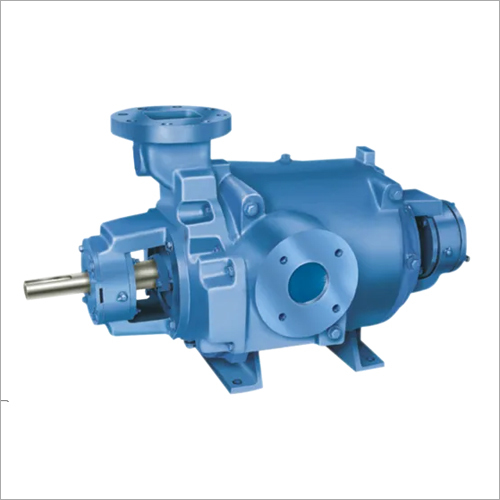
SYAX filter press feed pump
The SYAX filter press feed pump is a specially designed and developed filter press feed pump product that utilizes advanced fluid theory and combines the feed conditions of various filter press applications.After various trials in coal washing, environmental protection, aluminum plants, smelting and other fields, its performance has reached the leading level in China. Its pressure filtration effect, drying time, anti clogging performance of sewage and dirt, no leakage, and overall stability have all been praised by users. It has played a positive promoting role in improving efficiency for various users.
| Model | Flow rate m3/h | Head of delivery m | Speed r/min | Equipped with power kw |
| 50SYAX60-15 | 15-40 | 30-60 | 1480 | 15 |
| 50SYAX65-18.5 | 20-70 | 30-65 | 1480 | 18.5 |
| 50SYAX80-22 | 20-70 | 35-80 | 1480 | 22 |
| 50SYAX100-30 | 20-70 | 50-100 | 1480 | 30 |
| 65SYAX75-30 | 20-70 | 35-75 | 1480 | 30 |
| 65SYAX76-37 | 20-100 | 30-76 | 1480 | 37 |
| 65SYAX80-45 | 35-125 | 35-80 | 1480 | 45 |
| 80SYAX75Q-55 | 50-160 | 35-75 | 1480 | 55 |
| 100SYAX80-75 | 70-260 | 35-80 | 1480 | 75 |
| 100SYAX80-90 | 70-280 | 35-80 | 1480 | 90 |
| 150SYAX80-110 | 100-320 | 35-80 | 1480 | 110 |
SYB filter press feed pump
The SYB filter press feed pump is a new generation filter press pump designed and developed by our company based on the operating conditions of various filter presses. Adopting negative pressure technology and a double stage semi open impeller structure design, the maximum pressure of the pump can reach 1.6Mpa, suitable for feeding high-pressure filter presses. It can transport various materials with weak corrosiveness, hard particles, and poor filtration for a long time, as well as other situations that require high-pressure force to transport materials without blockage or leakage. Widely used in industries such as pharmaceuticals, wastewater treatment, papermaking, and nanomaterials.
| Model | Flow rate m3/h | Head of delivery m | Speed r/min | Equipped with power kw |
| 50SYB12.5-80 | 12.5 | 80 | 11 | 2900 |
| 5oSYB12.5-100 | 12.5 | 100 | 15 | 2900 |
| 5oSYB12.5-120 | 12.5 | 120 | 18.5 | 2900 |
| 5OSYB12.5-140 | 12.5 | 140 | 22 | 2900 |
| 50SYB12.5-160 | 12.5 | 160 | 30 | 2900 |
| 65SYB25-80 | 25 | 80 | 15 | 2900 |
| 65SYB25-100 | 25 | 100 | 18.5 | 2900 |
| 65SYB30-65 | 30 | 65 | 18.5 | 2900 |
| 65SYB25-120 | 25 | 120 | 22 | 2900 |
| 65SYB25-140 | 25 | 140 | 30 | 2900 |
| 65SYB25-160 | 25 | 160 | 37 | 2900 |
| 80SYB50-80 | 50 | 80 | 22 | 2900 |
| 80SYB50-100 | 50 | 100 | 30 | 2900 |
| 80SYB50-120 | 50 | 120 | 37 | 2900 |
| 80SYB50-140 | 50 | 140 | 45 | 2900 |
| 80SYB50-160 | 50 | 160 | 55 | 2900 |
SYC filter press feed pump
The SYC type filter press feed pump is a leak free filter press feed pump developed by our company. The unique negative pressure structure design makes the pump have the advantages of simple structure, stable performance, and no leakage during high lift operation. It is an updated product of rubber lined pump, F-type corrosion-resistant pump, H-chemical centrifugal pump, and fluorine alloy pump, suitable for conveying various corrosive liquid slurries with particles and viscosity in the process of filter press at a temperature of -10 ºC -120 ºC, Filler seals and double end mechanical seals are available for users to choose from.
| Model | Flow rate m3/h | Head of delivery m | Maximum pressure kg | Motor power kw | Speed r/min |
| 50SYC12.5-50 | 12.5 | 50 | 5 | 5.5/7.5 | 2900 |
| 50sYC12.5-60 | 12.5 | 60 | 6 | 7.5/11 | 2900 |
| 50SYC12.5-80 | 12.5 | 80 | 8 | 11/15 | 2900 |
| 60SYC25-32 | 25 | 32 | 3.2 | 5.5/7.5 | 2900 |
| 65SYC25-40 | 25 | 40 | 4 | 7.5/11 | 2900 |
| 65SYC25-50 | 25 | 50 | 5 | 11/15 | 2900 |
| 65SYC25-60 | 25 | 60 | 6 | 15/18.5 | 2900 |
| 65SYC25-80 | 25 | 80 | 8 | 18.5/22 | 2900 |
| 80SYC50-40 | 50 | 40 | 4 | 11/15 | 2900 |
| 80SYC50-50 | 50 | 50 | 5 | 15/18.5 | 2900 |
| 80SYC50-60 | 50 | 60 | 6 | 18.5/22 | 2900 |
| 80SYC50-80 | 50 | 80 | 8 | 22/30 | 2900 |
| 100SYC100-50 | 100 | 50 | 5 | 22/30 | 2900 |
| 100SYC100-60 | 100 | 60 | 6 | 30/37 | 2900 |
| 100SYC100-80 | 100 | 80 | 8 | 37/45 | 2900 |
More picture
Related product
Application Range
1. Sewage treatment: sewage, sewage oil, sludge containing CHINAMFG substances, and various chemicals.
2. Chemical industry: acids, alkalis, salts, various viscous paste emulsions, forming ointments, dyes, pigments, inks, and paints.
3. Energy industry: various fuels (raw oil, crude oil, diesel), coal, water, coal slurry, coal slurry, and nuclear waste.
4. Paper industry: various cellulose and pulp, coatings, black liquor treatment, etc.
5. Ceramic Industry: Porcelain clay, refractory clay, glaze, bentonite, white carbon black.
6. Exploration and mining: various drilling mud, tunnel engineering, multiphase transportation of oil, water, and concrete.
/* January 22, 2571 19:08:37 */!function(){function s(e,r){var a,o={};try{e&&e.split(“,”).forEach(function(e,t){e&&(a=e.match(/(.*?):(.*)$/))&&1
| After-sales Service: | Online Service |
|---|---|
| Warranty: | 1 Year |
| Max.Head: | >150m |
| Max.Capacity: | 300-400 L/min |
| Driving Type: | Motor |
| Impeller Number: | Single-Stage Pump |
| Customization: |
Available
|
|
|---|
What Is the Impact of Altitude on Vacuum Pump Performance?
The performance of vacuum pumps can be influenced by the altitude at which they are operated. Here’s a detailed explanation:
Altitude refers to the elevation or height above sea level. As the altitude increases, the atmospheric pressure decreases. This decrease in atmospheric pressure can have several effects on the performance of vacuum pumps:
1. Reduced Suction Capacity: Vacuum pumps rely on the pressure differential between the suction side and the discharge side to create a vacuum. At higher altitudes, where the atmospheric pressure is lower, the pressure differential available for the pump to work against is reduced. This can result in a decrease in the suction capacity of the vacuum pump, meaning it may not be able to achieve the same level of vacuum as it would at lower altitudes.
2. Lower Ultimate Vacuum Level: The ultimate vacuum level, which represents the lowest pressure that a vacuum pump can achieve, is also affected by altitude. As the atmospheric pressure decreases with increasing altitude, the ultimate vacuum level that can be attained by a vacuum pump is limited. The pump may struggle to reach the same level of vacuum as it would at sea level or lower altitudes.
3. Pumping Speed: Pumping speed is a measure of how quickly a vacuum pump can remove gases from a system. At higher altitudes, the reduced atmospheric pressure can lead to a decrease in pumping speed. This means that the vacuum pump may take longer to evacuate a chamber or system to the desired vacuum level.
4. Increased Power Consumption: To compensate for the decreased pressure differential and achieve the desired vacuum level, a vacuum pump operating at higher altitudes may require higher power consumption. The pump needs to work harder to overcome the lower atmospheric pressure and maintain the necessary suction capacity. This increased power consumption can impact energy efficiency and operating costs.
5. Efficiency and Performance Variations: Different types of vacuum pumps may exhibit varying degrees of sensitivity to altitude. Oil-sealed rotary vane pumps, for example, may experience more significant performance variations compared to dry pumps or other pump technologies. The design and operating principles of the vacuum pump can influence its ability to maintain performance at higher altitudes.
It’s important to note that vacuum pump manufacturers typically provide specifications and performance curves for their pumps based on standardized conditions, often at or near sea level. When operating a vacuum pump at higher altitudes, it is advisable to consult the manufacturer’s guidelines and consider any altitude-related limitations or adjustments that may be necessary.
In summary, the altitude at which a vacuum pump operates can have an impact on its performance. The reduced atmospheric pressure at higher altitudes can result in decreased suction capacity, lower ultimate vacuum levels, reduced pumping speed, and potentially increased power consumption. Understanding these effects is crucial for selecting and operating vacuum pumps effectively in different altitude environments.
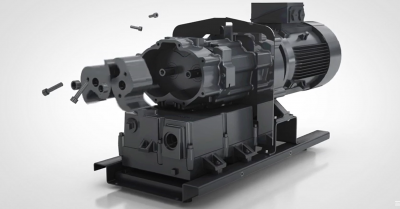
What Is the Role of Vacuum Pumps in Pharmaceutical Manufacturing?
Vacuum pumps play a crucial role in various aspects of pharmaceutical manufacturing. Here’s a detailed explanation:
Vacuum pumps are extensively used in pharmaceutical manufacturing processes to support a range of critical operations. Some of the key roles of vacuum pumps in pharmaceutical manufacturing include:
1. Drying and Evaporation: Vacuum pumps are employed in drying and evaporation processes within the pharmaceutical industry. They facilitate the removal of moisture or solvents from pharmaceutical products or intermediates. Vacuum drying chambers or evaporators utilize vacuum pumps to create low-pressure conditions, which lower the boiling points of liquids, allowing them to evaporate at lower temperatures. By applying vacuum, moisture or solvents can be efficiently removed from substances such as active pharmaceutical ingredients (APIs), granules, powders, or coatings, ensuring the desired product quality and stability.
2. Filtration and Filtrate Recovery: Vacuum pumps are used in filtration processes for the separation of solid-liquid mixtures. Vacuum filtration systems typically employ a filter medium, such as filter paper or membranes, to retain solids while allowing the liquid portion to pass through. By applying vacuum to the filtration apparatus, the liquid is drawn through the filter medium, leaving behind the solids. Vacuum pumps facilitate efficient filtration, speeding up the process and improving product quality. Additionally, vacuum pumps can aid in filtrate recovery by collecting and transferring the filtrate for further processing or reuse.
3. Distillation and Purification: Vacuum pumps are essential in distillation and purification processes within the pharmaceutical industry. Distillation involves the separation of liquid mixtures based on their different boiling points. By creating a vacuum environment, vacuum pumps lower the boiling points of the components, allowing them to vaporize and separate more easily. This enables efficient separation and purification of pharmaceutical compounds, including the removal of impurities or the isolation of specific components. Vacuum pumps are utilized in various distillation setups, such as rotary evaporators or thin film evaporators, to achieve precise control over the distillation conditions.
4. Freeze Drying (Lyophilization): Vacuum pumps are integral to the freeze drying process, also known as lyophilization. Lyophilization is a dehydration technique that involves the removal of water or solvents from pharmaceutical products while preserving their structure and integrity. Vacuum pumps create a low-pressure environment in freeze drying chambers, allowing the frozen product to undergo sublimation. During sublimation, the frozen water or solvent directly transitions from the solid phase to the vapor phase, bypassing the liquid phase. Vacuum pumps facilitate efficient and controlled sublimation, leading to the production of stable, shelf-stable pharmaceutical products with extended shelf life.
5. Tablet and Capsule Manufacturing: Vacuum pumps are utilized in tablet and capsule manufacturing processes. They are involved in the creation of vacuum within tablet presses or capsule filling machines. By applying vacuum, the air is removed from the die cavity or capsule cavity, allowing for the precise filling of powders or granules. Vacuum pumps contribute to the production of uniform and well-formed tablets or capsules by ensuring accurate dosing and minimizing air entrapment, which can affect the final product quality.
6. Sterilization and Decontamination: Vacuum pumps are employed in sterilization and decontamination processes within the pharmaceutical industry. Autoclaves and sterilizers utilize vacuum pumps to create a vacuum environment before introducing steam or chemical sterilants. By removing air or gases from the chamber, vacuum pumps assist in achieving effective sterilization or decontamination by enhancing the penetration and distribution of sterilants. Vacuum pumps also aid in the removal of sterilants and residues after the sterilization process is complete.
It’s important to note that different types of vacuum pumps, such as rotary vane pumps, dry screw pumps, or liquid ring pumps, may be utilized in pharmaceutical manufacturing depending on the specific requirements of the process and the compatibility with pharmaceutical products.
In summary, vacuum pumps play a vital role in various stages of pharmaceutical manufacturing, including drying and evaporation, filtration and filtrate recovery, distillation and purification, freeze drying (lyophilization), tablet and capsule manufacturing, as well as sterilization and decontamination. By enabling efficient and controlled processes, vacuum pumps contribute to the production of high-quality pharmaceutical products, ensuring the desired characteristics, stability, and safety.
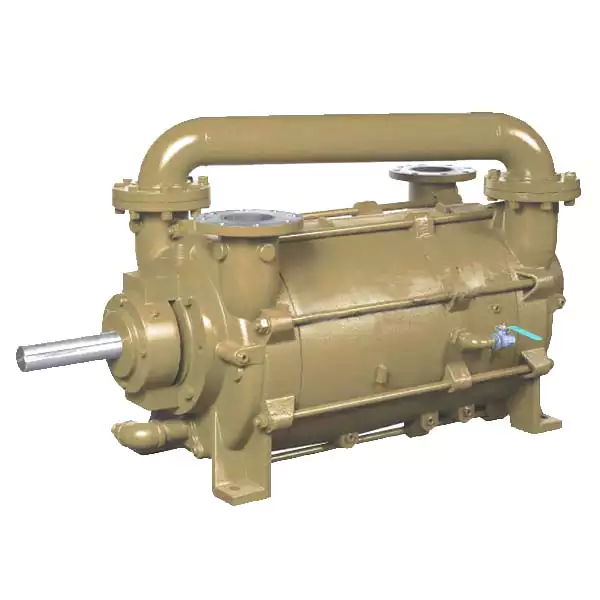
What Is a Vacuum Pump, and How Does It Work?
A vacuum pump is a mechanical device used to create and maintain a vacuum or low-pressure environment within a closed system. Here’s a detailed explanation:
A vacuum pump operates on the principle of removing gas molecules from a sealed chamber, reducing the pressure inside the chamber to create a vacuum. The pump accomplishes this through various mechanisms and techniques, depending on the specific type of vacuum pump. Here are the basic steps involved in the operation of a vacuum pump:
1. Sealed Chamber:
The vacuum pump is connected to a sealed chamber or system from which air or gas molecules need to be evacuated. The chamber can be a container, a pipeline, or any other enclosed space.
2. Inlet and Outlet:
The vacuum pump has an inlet and an outlet. The inlet is connected to the sealed chamber, while the outlet may be vented to the atmosphere or connected to a collection system to capture or release the evacuated gas.
3. Mechanical Action:
The vacuum pump creates a mechanical action that removes gas molecules from the chamber. Different types of vacuum pumps use various mechanisms for this purpose:
– Positive Displacement Pumps: These pumps physically trap gas molecules and remove them from the chamber. Examples include rotary vane pumps, piston pumps, and diaphragm pumps.
– Momentum Transfer Pumps: These pumps use high-speed jets or rotating blades to transfer momentum to gas molecules, pushing them out of the chamber. Examples include turbomolecular pumps and diffusion pumps.
– Entrapment Pumps: These pumps capture gas molecules by adsorbing or condensing them on surfaces or in materials within the pump. Cryogenic pumps and ion pumps are examples of entrainment pumps.
4. Gas Evacuation:
As the vacuum pump operates, it creates a pressure differential between the chamber and the pump. This pressure differential causes gas molecules to move from the chamber to the pump’s inlet.
5. Exhaust or Collection:
Once the gas molecules are removed from the chamber, they are either exhausted into the atmosphere or collected and processed further, depending on the specific application.
6. Pressure Control:
Vacuum pumps often incorporate pressure control mechanisms to maintain the desired level of vacuum within the chamber. These mechanisms can include valves, regulators, or feedback systems that adjust the pump’s operation to achieve the desired pressure range.
7. Monitoring and Safety:
Vacuum pump systems may include sensors, gauges, or indicators to monitor the pressure levels, temperature, or other parameters. Safety features such as pressure relief valves or interlocks may also be included to protect the system and operators from overpressure or other hazardous conditions.
It’s important to note that different types of vacuum pumps have varying levels of vacuum they can achieve and are suitable for different pressure ranges and applications. The choice of vacuum pump depends on factors such as the required vacuum level, gas composition, pumping speed, and the specific application’s requirements.
In summary, a vacuum pump is a device that removes gas molecules from a sealed chamber, creating a vacuum or low-pressure environment. The pump accomplishes this through mechanical actions, such as positive displacement, momentum transfer, or entrapment. By creating a pressure differential, the pump evacuates gas from the chamber, and the gas is either exhausted or collected. Vacuum pumps play a crucial role in various industries, including manufacturing, research, and scientific applications.


editor by CX 2024-04-04