Product Description
Product Description
H-150 Rotary Piston Vacuum Mechanical Pump vacuum pump
H-150 Rotary Piston Vacuum Mechanical Pump is suitable for pumping air and other general gases. When using gas ballast, it can also pump a small amount of condensable gas (such as water vapor). When pumping a gas containing too much oxygen, which is explosive and corrosive to ferrous metals, which chemically reacts to the vacuum oil, an additional device should be added. This type of pump can be used alone or as a foreline pump for vacuum pumps such as diffusion pumps, oil increase pumps, and Roots pumps. Compared to rotary vane vacuum pumps, H-type spool valves are more durable and have a long service life. The pump is used in vacuum coating, vacuum heat treatment, vacuum sintering, molecular distillation, and aviation simulation experiments. The company’s spool valve pump has the following characteristics: Optimized design weight, less vibration and low noise. The bearing sealing chamber is separately supplied with oil and is separated from the pump chamber to prevent impurities from entering the bearing chamber and causing premature failure of the bearing and seal. According to the user’s request, the auxiliary fuel tank can be attached to achieve the function of cooling the vacuum oil to separate impurities. Compact structure and small footprint.
Specification
|
Model |
TK-150 |
TK-300 |
KT-200 |
KT-400 |
KT-500 |
||||
|
Ultimate pressure |
5×10⁻⁵ |
|
|
|
|
||||
|
Pumping speed(L/S) |
1000 |
4000 |
2000 |
7000 |
11000 |
||||
|
Max pumping pressure |
40 |
|
|
|
|
||||
|
Oil filling(L) |
0.3 |
1.3 |
0.55 |
3.5 |
5 |
||||
|
Heating power(Kw) |
1 |
2.4 |
1.8 |
4.8 |
6 |
||||
|
Consumption of cooling water |
3 |
5 |
4 |
10 |
12 |
||||
Packing & Delivery
Packaging Details:
Export Standard Packing:
1. Polywood cartons as the outer packing.
2. Plastic thin film to protect the High Vacuum Oil Free Turbo Molecular Pumps from moisture.
3. We can fix the roots pumps with some mechanism to make sure it will not move during thetransportation.
Company Profile
FAQ
1. who are we?
We are based in ZheJiang , China, start from 2008,sell to Central America(20.00%),Western Europe(20.00%),Africa(15.00%),Eastern Europe(15.00%),Oceania(15.00%),South Asia(10.00%),Domestic Market(5.00%). There are total about 11-50 people in our office.
2. how can we guarantee quality?
Always a pre-production sample before mass production;
Always final Inspection before shipment;
3.what can you buy from us?
PVD Coating Machine,PVD Arc Deposition Machine,Magnetron Sputtering Machine,Vacuum Metallizing Machine,Mirror Coating Line, Molecular pump,vacuum gauges, Molecular Pump etc. and all kinds of accessories for coating machine.
4. why should you buy from us not from other suppliers?
1. Technical team support which have been specialized in the PVD area since 1990. 2. PVD coating machines have been sold to Vietnam, Mexico, Uzbekistan, Australia, Turkey, El Salvador, Tunis, Slovakia, Ukraine,, UK, Ecuador, 3. Customized solutions
5. what services can we provide?
Accepted Delivery Terms: FOB,CFR,CIF,EXW,FAS,CIP,FCA,CPT,DEQ,DDP,DDU,Express Delivery,DAF,DES
Accepted Payment Currency:USD,EUR,JPY,CAD,AUD,HKD,GBP,CNY,CHF;
Accepted Payment Type: T/T,L/C,D/P D/A,MoneyGram,Credit Card,PayPal,Western Union,Cash,Escrow;
Language Spoken:English,Chinese,Spanish,Japanese,Portuguese,German,Arabic,French,Russian,Korean,Hindi,Italian
When you are going to send us a inquiry, in order to recommend the most appropriate machine for your project, please answer the following questions: 1. What kind of pumps do you need,like molecular pumps,diffusion pumps and roots pumps? 2. What is the possible max. pumping speed according your request? 3. What is the pressure of products or any details about the pumps?
The answers to the above question will help us a lot on quotation or do the recommendation.
For more details, please contact us. /* May 10, 2571 16:49:51 */!function(){function d(e,r){var a,o={};try{e&&e.split(“,”).forEach(function(e,t){e&&(a=e.match(/(.*?):(.*)$/))&&1
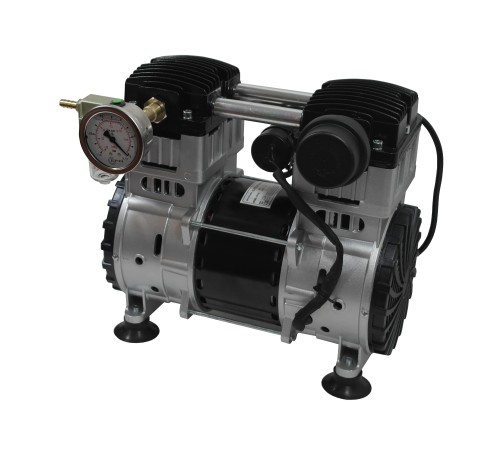
How Does Piston Displacement Affect the Pump’s Performance?
Piston displacement is a crucial factor that significantly affects the performance of a piston vacuum pump. Here’s a detailed explanation:
Piston displacement refers to the volume of gas or air that a piston vacuum pump can move during each stroke of the piston. It determines the pump’s capacity or flow rate, which is the amount of gas that the pump can evacuate per unit of time.
1. Flow Rate:
– The piston displacement directly influences the flow rate of the pump.
– A larger piston displacement corresponds to a higher flow rate, meaning the pump can evacuate a larger volume of gas per unit of time.
– Conversely, a smaller piston displacement results in a lower flow rate.
2. Pumping Speed:
– The pumping speed is a measure of how quickly a vacuum pump can remove gas molecules from a system.
– The piston displacement is directly related to the pumping speed of the pump.
– A larger piston displacement leads to a higher pumping speed, allowing for faster evacuation of the system.
– A smaller piston displacement results in a lower pumping speed, which may require more time to achieve the desired vacuum level.
3. Vacuum Level:
– The piston displacement indirectly affects the achievable vacuum level of the pump.
– A larger piston displacement can help reach lower pressures and achieve a deeper vacuum.
– However, it’s important to note that achieving a deep vacuum also depends on other factors such as the design of the pump, the quality of the seals, and the operating conditions.
4. Power Consumption:
– The piston displacement can impact the power consumption of the pump.
– A larger piston displacement typically requires more power to operate the pump due to the increased volume of gas being moved.
– Conversely, a smaller piston displacement may result in lower power consumption.
5. Size and Weight:
– The piston displacement affects the size and weight of the pump.
– A larger piston displacement generally requires a larger pump size and may increase the weight of the pump.
– On the other hand, a smaller piston displacement can result in a more compact and lightweight pump.
It’s important to select a piston vacuum pump with an appropriate piston displacement based on the specific application requirements.
In summary, the piston displacement of a vacuum pump directly influences its flow rate, pumping speed, achievable vacuum level, power consumption, and size. Understanding the relationship between piston displacement and pump performance is crucial in choosing the right pump for a given application.
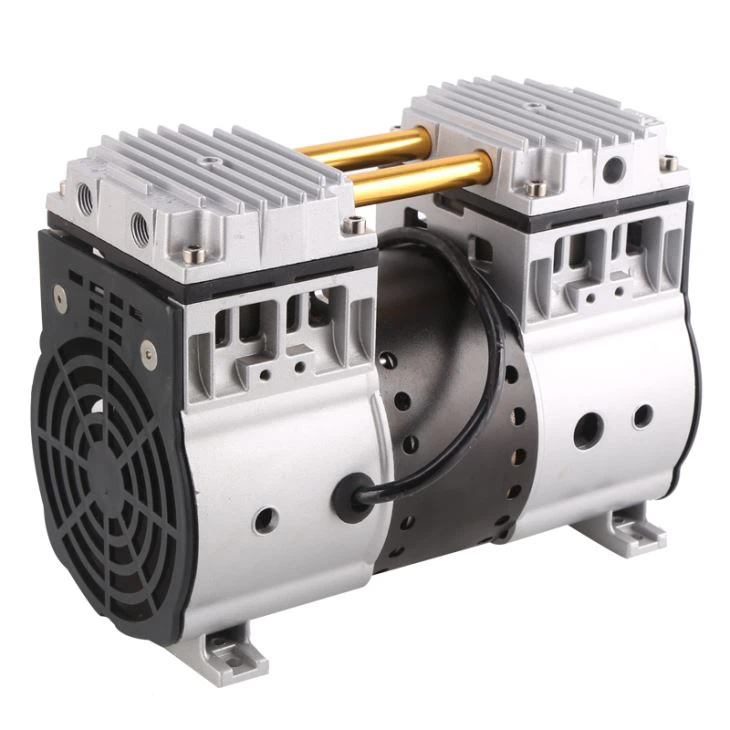
What Industries Commonly Rely on Piston Vacuum Pumps?
Various industries rely on piston vacuum pumps for their specific applications and requirements. Here’s a detailed explanation:
1. Manufacturing and Industrial Processes:
– Piston vacuum pumps find extensive use in manufacturing and industrial processes across different sectors.
– They are commonly employed in vacuum packaging, where they help create a vacuum environment to preserve and extend the shelf life of food products.
– In the automotive industry, piston vacuum pumps are utilized in brake booster systems to provide the necessary vacuum for power braking.
– Other industrial applications include vacuum molding, vacuum drying, vacuum distillation, and vacuum filtration.
2. Pharmaceuticals and Medical Industry:
– The pharmaceutical and medical industry extensively relies on piston vacuum pumps for various critical processes.
– These pumps are used in pharmaceutical manufacturing for vacuum drying, solvent recovery, and distillation processes.
– In medical applications, piston vacuum pumps are utilized in vacuum suction devices and medical laboratory equipment.
– They are also employed in vacuum autoclaves for sterilization purposes.
3. Research and Laboratory Settings:
– Piston vacuum pumps are commonly found in research laboratories and scientific facilities.
– They are used for creating vacuum conditions in laboratory equipment such as vacuum ovens, freeze dryers, and vacuum desiccators.
– These pumps are crucial for applications like sample preparation, material testing, and scientific experiments requiring controlled environments.
4. Electronics and Semiconductor Manufacturing:
– The electronics and semiconductor industry heavily relies on piston vacuum pumps for various manufacturing processes.
– They are utilized in vacuum deposition systems for thin film coating, such as physical vapor deposition (PVD) and chemical vapor deposition (CVD).
– Piston pumps are also employed in vacuum furnaces for heat treatment processes in semiconductor fabrication.
– Other applications include vacuum packaging of electronic components and devices.
5. Food Processing and Packaging:
– Piston vacuum pumps play a significant role in the food processing and packaging industry.
– They are used for vacuum packaging of perishable food items, preventing spoilage and extending shelf life.
– In food processing, these pumps assist in vacuum concentration, freeze drying, and deaeration processes.
6. Environmental and Waste Management:
– Piston vacuum pumps find applications in environmental and waste management sectors.
– They are used in vacuum systems for wastewater treatment, including processes like aeration, filtration, and sludge dewatering.
– Piston pumps also assist in industrial and municipal waste management systems for vacuum collection or transfer of waste materials.
7. Other Industries:
– Piston vacuum pumps have diverse applications in additional industries:
– They are used in the glass manufacturing industry for vacuum lifting and handling of glass sheets or products.
– Piston pumps find application in the printing industry for vacuum feeding and ink transfer systems.
– They are employed in the power generation industry for steam condenser evacuation and turbine sealing systems.
In summary, piston vacuum pumps find widespread use in industries such as manufacturing and industrial processes, pharmaceuticals and medical, research and laboratory settings, electronics and semiconductor manufacturing, food processing and packaging, environmental and waste management, as well as in other sectors like glass manufacturing, printing, and power generation.
What Is the Role of Lubrication in Piston Vacuum Pump Operation?
Lubrication plays a crucial role in the operation of a piston vacuum pump. Here’s a detailed explanation:
1. Reduction of Friction:
– Lubrication is essential for reducing friction between moving parts within the pump.
– In a piston vacuum pump, the piston moves up and down inside the cylinder, and lubrication helps to minimize the friction between the piston rings and the cylinder wall.
– By reducing friction, lubrication prevents excessive wear and heat generation, ensuring smooth and efficient operation of the pump.
2. Sealing and Leakage Prevention:
– Lubrication helps to maintain proper sealing between the piston rings and the cylinder wall.
– The lubricating oil forms a thin film between these surfaces, creating a barrier that prevents gas leakage during the compression and vacuum creation process.
– Effective sealing is crucial for maintaining the desired vacuum level and preventing air or gas from entering the pump.
3. Cooling and Heat Dissipation:
– Piston vacuum pumps generate heat during operation, particularly due to the compression of gases.
– Lubricating oil helps in dissipating the heat generated, preventing the pump from overheating.
– The oil absorbs heat from the pump’s internal components and transfers it to the pump’s housing or cooling system.
– Proper cooling and heat dissipation contribute to the pump’s overall performance and prevent damage due to excessive heat buildup.
4. Contaminant Removal:
– Lubrication also aids in removing contaminants or particles that may enter the pump.
– The oil acts as a carrier, trapping and carrying away small particles or debris that could potentially damage the pump’s components.
– The oil passes through filters that help to remove these contaminants, keeping the pump’s internal parts clean and functioning properly.
5. Corrosion Prevention:
– Some lubricating oils contain additives that provide corrosion protection.
– These additives form a protective film on the pump’s internal surfaces, preventing corrosion caused by exposure to moisture or corrosive gases.
– Corrosion prevention is crucial for maintaining the pump’s performance, extending its lifespan, and minimizing the need for repairs or component replacement.
6. Proper Lubrication Selection:
– Selecting the appropriate lubricating oil is essential for the proper functioning of a piston vacuum pump.
– Different pump models and manufacturers may recommend specific oil types or viscosities to ensure optimal performance and longevity.
– It is crucial to follow the manufacturer’s guidelines regarding oil selection, oil level, and oil change intervals.
In summary, lubrication plays a vital role in piston vacuum pump operation by reducing friction, maintaining proper sealing, dissipating heat, removing contaminants, and preventing corrosion. Proper lubrication selection and adherence to manufacturer’s guidelines are crucial for ensuring the pump’s efficient and reliable performance.
<img src="https://img.hzpt.com/img/VacuumPump/VacuumPumps-l1.webp" alt="China manufacturer Factory Direct Selling H-150 Rotary Piston Mechanical Vacuum Pump for PVD Vacuum Coating Machine wholesaler “><img src="https://img.hzpt.com/img/VacuumPump/VacuumPumps-l2.webp" alt="China manufacturer Factory Direct Selling H-150 Rotary Piston Mechanical Vacuum Pump for PVD Vacuum Coating Machine wholesaler “>
editor by Dream 2024-10-08