Product Description
High Efficiency Vacuum Pneumatic Drum Piston Transfer Pump for Sale
Product introduction
ZP intelligent hydraulic piston pump has obtained many invention patents and utility model patents. In order to solve the problems of low efficiency of filter press, high energy consumption, complex media and high pressure requirement in the sewage industry, it breaks the conventional design concept and adopts segmented pressure control to realize automatic switching between low pressure and high flow rate and high pressure and low flow rate. Intelligent, efficient, energy-saving in one, greatly improving the efficiency of the filter press.
ZP-B standard hydraulic piston pump is a new generation of energy-saving, safe and environmentally friendly model, which has been awarded a number of invention patents and utility model patents. It realizes safe operation without overflow under different working conditions of displacement and pressure. Compared with similar pumps applied to the working conditions of filter press, the energy saving is up to 50%, and compared with the traditional filter press feeding pump, the energy saving is several times more. Adopting segmented feeding control, the feeding flow and pressure match the flow and pressure required for solid-liquid separation in the filter press, which can greatly improve the working efficiency of the filter press.
ZP-D double-input and double-output intelligent hydraulic piston pump is a kind of high-efficiency and energy-saving product newly developed by the company. The main wear-resistant parts of this product have been processed by special technology, which has a long service life. At the same time, the cooling and lubrication circulating water has been canceled, which greatly improves the working environment and thus achieves clean production. Compared with ZP series with the same flow rate and pressure, the power is reduced by 40%. It is the most professional and efficient filter press feed pump. It can be widely used in electroplating, printing and dyeing, chemical, municipal, mining and other sewage treatment industries.
Parameter of products
| Model | Rated flow rate m3 | Pressure range Mpa | Motor Power Kw | Dimension L*W*H(mm) | Inlet and outlet pipe diameter | Weight kg |
| ZP-15 | 15 | 0~2.0 | 7.5 | 1900*1030*1610 | DN90 | 1350 |
| ZP-25 | 25 | 0~2.0 | 11 | 1900*1030*1610 | DN90 | 1450 |
| ZP-35 | 35 | 0~2.0 | 15 | 1950*1100*1610 | DN100 | 1700 |
| ZP-45 | 45 | 0~2.0 | 18.5 | 2100*1320*1700 | DN130 | 2000 |
| ZP-60 | 60 | 0~2.0 | 22 | 2100* 1320*1800 | DN130 | 2200 |
| ZP-80 | 80 | 0~2.0 | 30 | 2150*1400* 1800 | DN150 | 2750 |
| ZP-100 | 100 | 0~2.0 | 30 | 2200*1500*2150 | DN150 | 3200 |
| ZP-120 | 120 | 0~2.0 | 37 | 2200*1500*2150 | DN150 | 3300 |
| Model | Maximum flow rate m3 | Pressure range Mpa | Motor Power Kw |
Dimension L*W*H(mm) | Inlet and outlet pipe diameter | Weight kg |
| ZP-B15 | 15 | 0~2.0 | 7.5 | 1700*1100* 1900 | DN80 | 1300 |
| ZP-B25 | 25 | 0~2.0 | 11 | 1700*1100* 1950 | DN90 | 1350 |
| ZP-B35 | 35 | 0~2.0 | 15 | 1840*1150*2250 | DN100 | 1450 |
| ZP-B45 | 45 | 0~2.0 | 18.5 | 2050* 1320* 2350 | DN130 | 1700 |
| ZP-B60 | 60 | 0~2.0 | 22 | 2050*1320* 2550 | DN130 | 1900 |
| ZP-B80 | 80 | 0~2.0 | 30 | 2230*1320* 2550 | DN150 | 2300 |
| ZP-B100 | 100 | 0-2.0 | 30 | 2230*1320* 2650 | DN150 | 2550 |
| ZP-B120 | 120 | 0~2.0 | 37 | 2300*1350* 2650 | DN150 | 2920 |
| ZP-B150 | 150 | 0~2.0 | 45 | 2300* 1370*2650 | DN150 | 3100 |
| ZP-B240 240 0~2.0 55 2920*1740*2500 DN200 6200 | ||||||
| Model | Rated flow rate m3 | Pressure range Mpa |
Rated Pressure Mpa | Motor Power Kw | Inlet and outlet pipe diameter |
| ZP-D80 | 80 | 0~1.5 | 1.0 | 18.5 | DN125 |
| ZP-D120 | 120 | 0~1.5 | 1.0 | 30 | DN150 |
| ZP-D160 | 160 | 0~1.5 | 1.0 | 37 | DN150 |
| ZP-D200 | 200 | 0~1.5 | 1.0 | 45 | DN200 |
| ZP-D250 250 0~1.5 1.0 55 DN200 | |||||
Product accessories
Pressure/Flow Graph
Scope of usage
Company profile
Recommended product
| After-sales Service: | Online Service |
|---|---|
| Warranty: | 1 Year |
| Structure: | Axial Plunger Pump |
| Cylinder Number: | Multi Cylinder |
| Drive Mode: | Hydraulic Driven Reciprocating Pump |
| Pump Shaft Position: | Vertical |
| Customization: |
Available
|
|
|---|
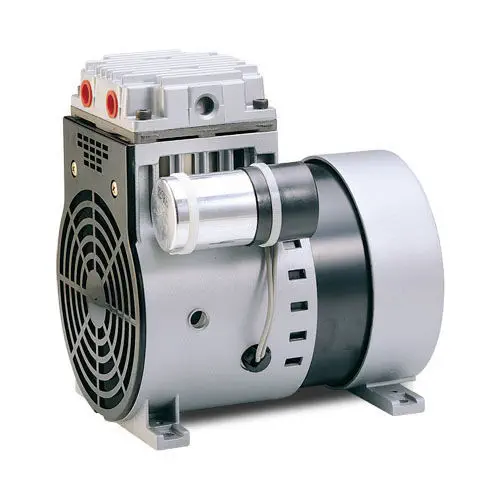
What Are the Typical Applications of Piston Vacuum Pumps?
Piston vacuum pumps find applications in various industries and processes. Here’s a detailed explanation of the typical applications of piston vacuum pumps:
1. Laboratories and Research Facilities:
– Piston vacuum pumps are commonly used in laboratories and research facilities for a wide range of applications.
– They are utilized in vacuum ovens, freeze dryers, vacuum filtration systems, and other equipment requiring controlled evacuation.
2. Pharmaceuticals and Biotechnology:
– In the pharmaceutical and biotechnology industries, piston vacuum pumps are employed for processes such as solvent evaporation, distillation, and filtration.
– They are used in drug manufacturing, vaccine production, and research involving biochemistry and molecular biology.
3. Food Processing and Packaging:
– Piston vacuum pumps play a vital role in the food processing and packaging industry.
– They are used in vacuum packaging machines to remove air from packaging containers, extending the shelf life of food products.
4. HVAC and Refrigeration Systems:
– Piston vacuum pumps are utilized in HVAC (Heating, Ventilation, and Air Conditioning) systems and refrigeration systems.
– They help evacuate air and moisture from the systems to achieve the desired pressure and prevent contamination.
5. Manufacturing and Industrial Processes:
– Piston vacuum pumps are employed in various manufacturing and industrial processes.
– They are used for degassing, vacuum impregnation, vacuum drying, and other applications that require controlled evacuation.
6. Automotive Industry:
– In the automotive industry, piston vacuum pumps are often used in brake booster systems.
– They create a vacuum to assist in brake actuation, providing the necessary power for braking.
7. Electronics and Semiconductor Manufacturing:
– Piston vacuum pumps are utilized in electronics and semiconductor manufacturing processes.
– They help create a controlled environment with low-pressure conditions during the production of microchips, integrated circuits, and other electronic components.
8. Environmental Monitoring and Analysis:
– Piston vacuum pumps are utilized in environmental monitoring and analysis equipment.
– They are used in air sampling devices, gas analyzers, and other instruments that require precise vacuum control.
9. Scientific Research and Vacuum Systems:
– Piston vacuum pumps are employed in various scientific research applications.
– They are used in vacuum systems for particle accelerators, electron microscopes, mass spectrometers, surface analysis instruments, and other scientific equipment.
In summary, piston vacuum pumps have diverse applications in laboratories, pharmaceuticals, food processing, HVAC systems, manufacturing processes, automotive industry, electronics, environmental monitoring, scientific research, and more. Their ability to provide controlled evacuation and achieve moderate vacuum levels makes them suitable for a wide range of industries and processes.
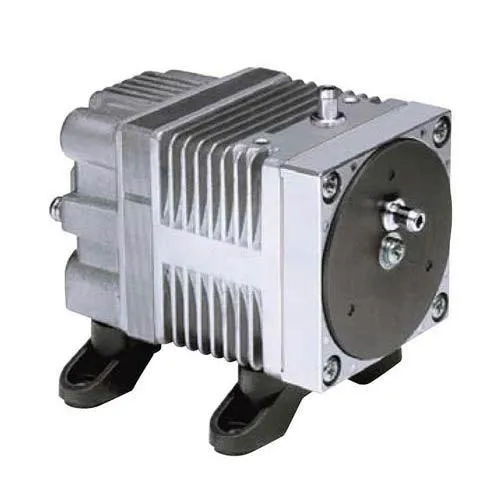
How Do You Troubleshoot Common Issues with Piston Vacuum Pumps?
Troubleshooting common issues with piston vacuum pumps involves a systematic approach to identify and resolve problems. Here’s a detailed explanation:
1. Insufficient Vacuum Level:
– If the vacuum level achieved by the piston pump is lower than expected:
– Check for leaks: Inspect all connections, seals, and fittings for any signs of leakage. Repair or replace any damaged components.
– Verify valve operation: Ensure that the valves in the pump are functioning correctly. Clean or replace any faulty valves that may be impeding the pump’s performance.
– Check for worn piston or cylinder: Examine the piston and cylinder for signs of wear. If necessary, replace these components to restore optimal vacuum performance.
2. Excessive Noise or Vibrations:
– If the piston pump is producing excessive noise or vibrations:
– Check for misalignment: Ensure that the pump is properly aligned with its drive mechanism. Adjust or realign as necessary.
– Inspect mounting and support: Examine the pump’s mounting and support structure to ensure it is stable and secure. Reinforce or repair any weak or damaged mounts.
– Verify lubrication: Adequate lubrication is crucial for smooth pump operation. Check the lubrication system and ensure it is supplying sufficient lubricant to all necessary components.
3. Overheating:
– If the piston pump is overheating:
– Check cooling system: Inspect the cooling system, including fans, heat exchangers, and cooling fins. Clean or replace any clogged or malfunctioning cooling components.
– Verify airflow: Ensure that there is proper airflow around the pump. Remove any obstructions or debris that may be impeding the flow of cooling air.
– Evaluate operating conditions: Examine the pump’s operating conditions, such as ambient temperature and duty cycle. Adjust these factors if necessary to prevent overheating.
4. Oil Contamination:
– If there is oil contamination in the vacuum system:
– Check oil seals: Inspect the seals in the pump for any signs of damage or wear. Replace any faulty seals that may be allowing oil leakage.
– Verify oil level and quality: Ensure that the pump’s oil level is correct and that the oil is clean and free from contaminants. Replace the oil if necessary.
– Evaluate oil mist separation: If the pump is equipped with oil mist separation mechanisms, verify their effectiveness. Clean or replace any filters or separators that may be compromised.
5. Insufficient Pumping Capacity:
– If the pump is unable to meet the required pumping capacity:
– Check for blockages: Inspect the intake and exhaust ports for any blockages or obstructions. Clear any debris or foreign objects that may be impeding the pump’s operation.
– Verify valve operation: Ensure that the valves are opening and closing properly. Clean or replace any valves that may be stuck or malfunctioning.
– Evaluate motor performance: Assess the motor driving the pump for any issues such as insufficient power or improper speed. Repair or replace the motor if necessary.
6. Manufacturer’s Guidelines:
– It’s important to consult the manufacturer’s guidelines and documentation for specific troubleshooting procedures and recommendations tailored to the particular piston vacuum pump model.
– Follow the manufacturer’s instructions for routine maintenance, inspections, and any specific troubleshooting steps provided.
In summary, troubleshooting common issues with piston vacuum pumps involves steps such as checking for leaks, verifying valve operation, inspecting for wear or misalignment, ensuring proper lubrication and cooling, addressing oil contamination, clearing blockages, and evaluating motor performance. Following the manufacturer’s guidelines and documentation is essential for accurate troubleshooting and resolving problems effectively.
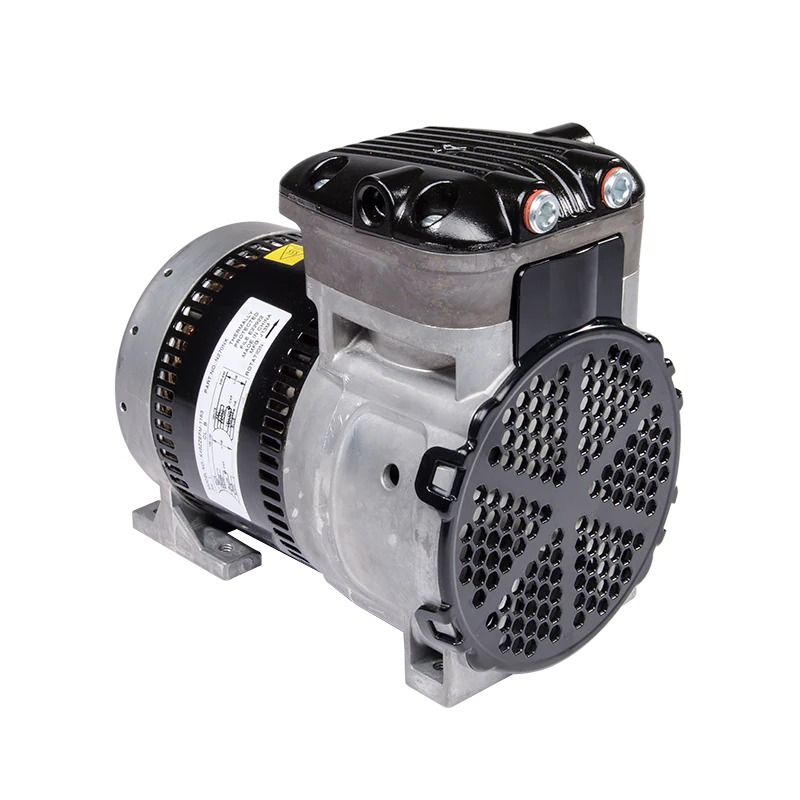
Are There Oil-Free Piston Vacuum Pump Options Available?
Yes, there are oil-free piston vacuum pump options available. Here’s a detailed explanation:
1. Oil-Free Technology:
– Traditional piston vacuum pumps use oil as a lubricant and sealant in their operation.
– However, advancements in vacuum pump technology have led to the development of oil-free piston vacuum pumps.
– Oil-free piston pumps are designed to operate without the need for lubricating oil, eliminating the risk of oil contamination and the need for oil changes.
2. Dry Running Operation:
– Oil-free piston vacuum pumps achieve lubrication and sealing through alternative means.
– They often utilize materials such as self-lubricating polymers or advanced coatings on the piston and cylinder surfaces.
– These materials reduce friction and provide sufficient sealing to maintain vacuum levels without the need for oil.
3. Applications:
– Oil-free piston vacuum pumps are suitable for a wide range of applications where oil contamination is a concern.
– They are commonly used in industries such as food and beverage, pharmaceutical, electronics, laboratories, and medical where a clean and oil-free vacuum environment is required.
4. Advantages:
– The primary advantage of oil-free piston vacuum pumps is their ability to provide a clean and oil-free vacuum.
– They eliminate the risk of oil contamination, which is crucial in sensitive applications such as semiconductor manufacturing or pharmaceutical production.
– Oil-free pumps also simplify maintenance since there is no need for oil changes or regular oil monitoring.
5. Considerations:
– While oil-free piston vacuum pumps offer advantages, they also have some considerations to keep in mind.
– They may have slightly lower ultimate vacuum levels compared to oil-lubricated pumps.
– The absence of oil as a lubricant may result in slightly higher operating temperatures and increased wear on piston and cylinder surfaces.
– It’s important to select an oil-free piston vacuum pump that is suitable for the specific application requirements and consider the trade-offs between performance, cost, and maintenance.
6. Alternative Pump Technologies:
– In some cases, where oil-free operation is critical or specific vacuum levels are required, alternative pump technologies may be more suitable.
– Dry screw pumps, claw pumps, or scroll pumps are examples of oil-free pump technologies that are widely used in various industries.
– These pumps offer oil-free operation, high pumping speeds, and can achieve lower vacuum levels compared to oil-free piston pumps.
In summary, oil-free piston vacuum pumps are available as an alternative to traditional oil-lubricated pumps. They provide a clean and oil-free vacuum environment, making them suitable for applications where oil contamination is a concern. However, it’s important to consider specific application requirements and explore alternative pump technologies if necessary.


editor by CX 2023-11-03