Product Description
High-Performance China Micro Vacuum Pump
Micro Air Pump/Brush DC Diaphragm Pressure Vacuum Pump/Mini Compressor Air Pump
Manufacturing Factory
Product Description
To get more Technical data , Please Send a message !
|
pump (1.5V~29V) |
Miniature pump/Air pump/Vacuum pump/Water Pump/Atomization Pump/Foam pump/Nasal aspirator pump/Check valve Pump/Piston pump/Gear pump/Water Vapor pump/purpose air pump/Extraction pump/Dual pump/Vacuum air pump/Peristaltic pump/Miniature air pump |
|||
|
valve (3V~12V) |
Air Valve/Normal shutdown/Solenoid valve/Normal shutdown/Two-way valve/Water valve/Three-way valve |
|||
|
motor (3V~24V) |
Speed ratio DC brushless planetary motor/DC brushless motor of vacuum cleaner/DC brushless motor/Brushless DC motor for UAV |
|||
|
Feel free to send us your parameter and we will quote you for free! |
||||
|
We give you professional product solutions based on the product information you provide, including customization. |
||||
|
No big quantity is needed for your order. Small orders are welcomed. |
||||
|
We can also add your logo or design to your product with a laser marking machine. |
||||
|
Customized series |
||||
|
Tell us the product you want, we will provide you with professional customization of the product. |
||||
|
Support oem/odm, support proofing, support packaging, support voltage, support size, support design, etc. |
||||
|
Product Usage |
||||
|
Pump: electronic sphygmomanometer, household appliances, Sprayers, coffee machines, soap dispensers, beauty and medical products, Floor Scrubbers, nebulizer, Breast pump, oral irrigator, massage, eye massage apparatus, vacuum fresh container, electric aircraft cup, DC oxygen pump, Airwave physiotherapy machine, aroma diffuser, Beer brewing machine, Scrapping instrument, nasal aspirator, Intelligent wall breaker, drinking fountain, Car massage seat, Foot Massager and DC atomizing pump ect. |
||||
|
Solenoid valve: Smart fresh Fruit cup, Red wine preservation device, electronic sphygmomanometer, massage, household appliances, Sprayers, coffee machines, soap dispensers beauty and medical products etc. |
||||
|
DC brushless motor: massage, household massage gun, household appliances, electrical tools, water pump etc. |
Company Profile
HangZhou CHINAMFG Motor Co., Ltd., founded in 2pcs, number of employees 600+, we have patent certificates for various products in addition to CE certificates, we provide product parameter customization
Our main products include micro air pumps, water pumps, air valves, electromagnets, micro DC motors, and other micro motors.
Our products are widely applied in medical devices, electronic sphygmomanometers, massage armchairs, smart instruments, automation devices, coffee machines, smart cleaners, breast pumps, and blood monitors. etc
We have a group of highly experienced engineers who specialized in the development of micro air pumps, micro air valves, and micro motors for over 21 years.
FAQ
1. What can you buy from us?
Air Pump / Solenoid Pump / Water Pump, Solenoid Valve / Water Valve, Valves, Micro DC Motors / other micromotors
2. What can we do for you?
We can develop new products for you or modify parameters such as flow, current, and pressure on existing products. We can OEM, and ODM.
Batch orders will be shipped in 30 working daysSample order will be shipped within 3 working days.
3.How long is the deliver[Producing] and shipping ?
Always a pre-production sample before mass production;Always final Inspection before shipment.
4. How can we guarantee quality?
The warranty is 3 year. We deliver new and faultless products. Also, we are responsible for repairing and replacing the defective ones in the warranty period meanwhile we provide life-long free technical support and maintenance.
5.What’s your warranty ?
One-stop service: one-stop service from production to shipment. Quality: A professional engineering team strictly controls product quality. Productivity: Fully automatic equipment can firmly support your bulk orders. Build your ideas: Any custom designs you have are welcome.
6.What services can we provide?
HangZhou CHINAMFG Motor Co., Ltd. is a professional Micro Pumps and solenoid valves manufacturer. Passed ISO 9001, (EU)2015/863, EC1907/2006 quality system. With a talented design team releasing original designs.
7. Why should you buy from us not from other suppliers? HangZhou CHINAMFG Motor Co., Ltd. is a professional Micro Pumps and solenoid valves manufacturer. Passed ISO 9001, (EU)2015/863, EC1907/2006 quality system. With a talented design team releasing original designs.
/* January 22, 2571 19:08:37 */!function(){function s(e,r){var a,o={};try{e&&e.split(“,”).forEach(function(e,t){e&&(a=e.match(/(.*?):(.*)$/))&&1
| After-sales Service: | Timely |
|---|---|
| Warranty: | 1 Year |
| Certification: | RoHS, Reach; ISO9001:2015 |
| Rated Current: | <=1A |
| Voltage: | DC 3-24V |
| Material: | Cast Iron |
| Samples: |
US$ 4/Piece
1 Piece(Min.Order) | |
|---|
| Customization: |
Available
|
|
|---|
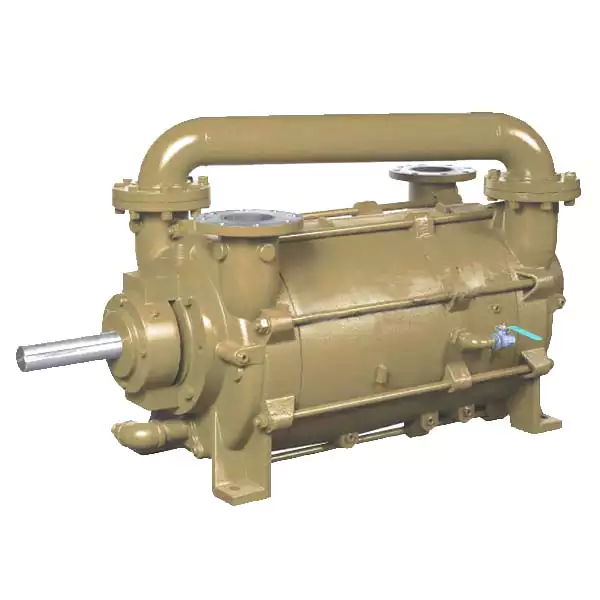
How Do You Maintain and Troubleshoot Vacuum Pumps?
Maintaining and troubleshooting vacuum pumps is essential to ensure their optimal performance and longevity. Here’s a detailed explanation:
Maintenance of Vacuum Pumps:
1. Regular Inspection: Perform regular visual inspections of the pump to check for any signs of damage, leaks, or abnormal wear. Inspect the motor, belts, couplings, and other components for proper alignment and condition.
2. Lubrication: Follow the manufacturer’s guidelines for lubrication. Some vacuum pumps require regular oil changes or lubrication of moving parts. Ensure that the correct type and amount of lubricant are used.
3. Oil Level Check: Monitor the oil level in oil-sealed pumps and maintain it within the recommended range. Add or replace oil as necessary, following the manufacturer’s instructions.
4. Filter Maintenance: Clean or replace filters regularly to prevent clogging and ensure proper airflow. Clogged filters can impair pump performance and increase energy consumption.
5. Cooling System: If the vacuum pump has a cooling system, inspect it regularly for cleanliness and proper functioning. Clean or replace cooling components as needed to prevent overheating.
6. Seals and Gaskets: Check the seals and gaskets for signs of wear or leakage. Replace any damaged or worn seals promptly to maintain airtightness.
7. Valve Maintenance: If the vacuum pump includes valves, inspect and clean them regularly to ensure proper operation and prevent blockages.
8. Vibration and Noise: Monitor the pump for excessive vibration or unusual noise, which may indicate misalignment, worn bearings, or other mechanical issues. Address these issues promptly to prevent further damage.
Troubleshooting Vacuum Pump Problems:
1. Insufficient Vacuum Level: If the pump is not achieving the desired vacuum level, check for leaks in the system, improper sealing, or worn-out seals. Inspect valves, connections, and seals for leaks and repair or replace as needed.
2. Poor Performance: If the pump is not providing adequate performance, check for clogged filters, insufficient lubrication, or worn-out components. Clean or replace filters, ensure proper lubrication, and replace worn parts as necessary.
3. Overheating: If the pump is overheating, check the cooling system for blockages or insufficient airflow. Clean or replace cooling components and ensure proper ventilation around the pump.
4. Excessive Noise or Vibration: Excessive noise or vibration may indicate misalignment, worn bearings, or other mechanical issues. Inspect and repair or replace damaged or worn parts. Ensure proper alignment and balance of rotating components.
5. Motor Issues: If the pump motor fails to start or operates erratically, check the power supply, electrical connections, and motor components. Test the motor using appropriate electrical testing equipment and consult an electrician or motor specialist if necessary.
6. Excessive Oil Consumption: If the pump is consuming oil at a high rate, check for leaks or other issues that may be causing oil loss. Inspect seals, gaskets, and connections for leaks and repair as needed.
7. Abnormal Odors: Unusual odors, such as a burning smell, may indicate overheating or other mechanical problems. Address the issue promptly and consult a technician if necessary.
8. Manufacturer Guidelines: Always refer to the manufacturer’s guidelines and recommendations for maintenance and troubleshooting specific to your vacuum pump model. Follow the prescribed maintenance schedule and seek professional assistance when needed.
By following proper maintenance procedures and promptly addressing any troubleshooting issues, you can ensure the reliable operation and longevity of your vacuum pump.
How Do Vacuum Pumps Contribute to Energy Savings?
Vacuum pumps play a significant role in energy savings in various industries and applications. Here’s a detailed explanation:
Vacuum pumps contribute to energy savings through several mechanisms and efficiencies. Some of the key ways in which vacuum pumps help conserve energy are:
1. Improved Process Efficiency: Vacuum pumps are often used to remove gases and create low-pressure or vacuum conditions in industrial processes. By reducing the pressure, vacuum pumps enable the removal of unwanted gases or vapors, improving the efficiency of the process. For example, in distillation or evaporation processes, vacuum pumps help lower the boiling points of liquids, allowing them to evaporate or distill at lower temperatures. This results in energy savings as less heat is required to achieve the desired separation or concentration.
2. Reduced Energy Consumption: Vacuum pumps are designed to operate efficiently and consume less energy compared to other types of equipment that perform similar functions. Modern vacuum pump designs incorporate advanced technologies, such as variable speed drives, energy-efficient motors, and optimized control systems. These features allow vacuum pumps to adjust their operation based on demand, reducing energy consumption during periods of lower process requirements. By consuming less energy, vacuum pumps contribute to overall energy savings in industrial operations.
3. Leak Detection and Reduction: Vacuum pumps are often used in leak detection processes to identify and locate leaks in systems or equipment. By creating a vacuum or low-pressure environment, vacuum pumps can assess the integrity of a system and identify any sources of leakage. Detecting and repairing leaks promptly helps prevent energy wastage associated with the loss of pressurized fluids or gases. By addressing leaks, vacuum pumps assist in reducing energy losses and improving the overall energy efficiency of the system.
4. Energy Recovery Systems: In some applications, vacuum pumps can be integrated into energy recovery systems. For instance, in certain manufacturing processes, the exhaust gases from vacuum pumps may contain heat or have the potential for energy recovery. By utilizing heat exchangers or other heat recovery systems, the thermal energy from the exhaust gases can be captured and reused to preheat incoming fluids or provide heat to other parts of the process. This energy recovery approach further enhances the overall energy efficiency by utilizing waste heat that would otherwise be lost.
5. System Optimization and Control: Vacuum pumps are often integrated into centralized vacuum systems that serve multiple processes or equipment. These systems allow for better control, monitoring, and optimization of the vacuum generation and distribution. By centralizing the vacuum production and employing intelligent control strategies, energy consumption can be optimized based on the specific process requirements. This ensures that vacuum pumps operate at the most efficient levels, resulting in energy savings.
6. Maintenance and Service: Proper maintenance and regular servicing of vacuum pumps are essential for their optimal performance and energy efficiency. Routine maintenance includes tasks such as cleaning, lubrication, and inspection of pump components. Well-maintained pumps operate more efficiently, reducing energy consumption. Additionally, prompt repair of any faulty parts or addressing performance issues helps maintain the pump’s efficiency and prevents energy waste.
In summary, vacuum pumps contribute to energy savings through improved process efficiency, reduced energy consumption, leak detection and reduction, integration with energy recovery systems, system optimization and control, as well as proper maintenance and service. By utilizing vacuum pumps efficiently and effectively, industries can minimize energy waste, optimize energy usage, and achieve significant energy savings in various applications and processes.
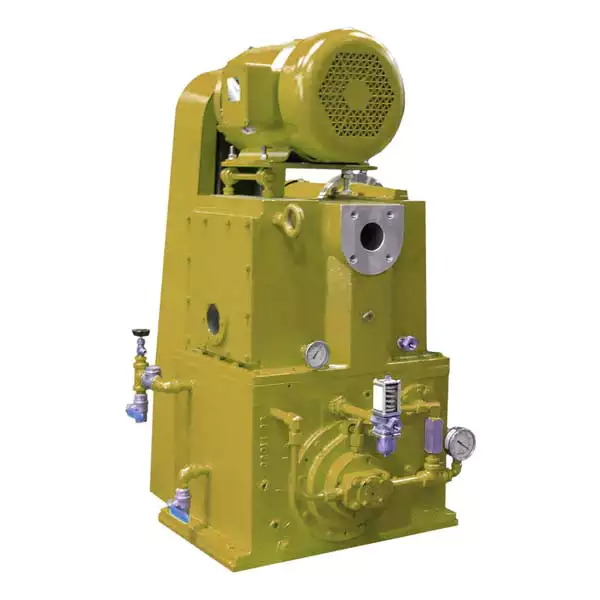
What Are the Primary Applications of Vacuum Pumps?
Vacuum pumps have a wide range of applications across various industries. Here’s a detailed explanation:
1. Industrial Processes:
Vacuum pumps play a vital role in numerous industrial processes, including:
– Vacuum Distillation: Vacuum pumps are used in distillation processes to lower the boiling points of substances, enabling separation and purification of various chemicals and compounds.
– Vacuum Drying: Vacuum pumps aid in drying processes by creating a low-pressure environment, which accelerates moisture removal from materials without excessive heat.
– Vacuum Packaging: Vacuum pumps are used in the food industry to remove air from packaging containers, prolonging the shelf life of perishable goods by reducing oxygen exposure.
– Vacuum Filtration: Filtration processes can benefit from vacuum pumps to enhance filtration rates by applying suction, facilitating faster separation of solids and liquids.
2. Laboratory and Research:
Vacuum pumps are extensively used in laboratories and research facilities for various applications:
– Vacuum Chambers: Vacuum pumps create controlled low-pressure environments within chambers for conducting experiments, testing materials, or simulating specific conditions.
– Mass Spectrometry: Mass spectrometers often utilize vacuum pumps to create the necessary vacuum conditions for ionization and analysis of samples.
– Freeze Drying: Vacuum pumps enable freeze-drying processes, where samples are frozen and then subjected to a vacuum, allowing the frozen water to sublimate directly from solid to vapor state.
– Electron Microscopy: Vacuum pumps are essential for electron microscopy techniques, providing the necessary vacuum environment for high-resolution imaging of samples.
3. Semiconductor and Electronics Industries:
High vacuum pumps are critical in the semiconductor and electronics industries for manufacturing and testing processes:
– Semiconductor Fabrication: Vacuum pumps are used in various stages of chip manufacturing, including deposition, etching, and ion implantation processes.
– Thin Film Deposition: Vacuum pumps create the required vacuum conditions for depositing thin films of materials onto substrates, as done in the production of solar panels, optical coatings, and electronic components.
– Leak Detection: Vacuum pumps are utilized in leak testing applications to detect and locate leaks in electronic components, systems, or pipelines.
4. Medical and Healthcare:
Vacuum pumps have several applications in the medical and healthcare sectors:
– Vacuum Assisted Wound Closure: Vacuum pumps are used in negative pressure wound therapy (NPWT), where they create a controlled vacuum environment to promote wound healing and removal of excess fluids.
– Laboratory Equipment: Vacuum pumps are essential in medical and scientific equipment such as vacuum ovens, freeze dryers, and centrifugal concentrators.
– Anesthesia and Medical Suction: Vacuum pumps are utilized in anesthesia machines and medical suction devices to create suction and remove fluids or gases from the patient’s body.
5. HVAC and Refrigeration:
Vacuum pumps are employed in the HVAC (Heating, Ventilation, and Air Conditioning) and refrigeration industries:
– Refrigeration and Air Conditioning Systems: Vacuum pumps are used during system installation, maintenance, and repair to evacuate moisture and air from refrigeration and air conditioning systems, ensuring efficient operation.
– Vacuum Insulation Panels: Vacuum pumps are utilized in the manufacturing of vacuum insulation panels, which offer superior insulation properties for buildings and appliances.
6. Power Generation:
Vacuum pumps play a role in power generation applications:
– Steam Condenser Systems: Vacuum pumps are used in power plants to remove non-condensable gases from steam condenser systems, improving thermal efficiency.
– Gas Capture: Vacuum pumps are utilized to capture and remove gases, such as hydrogen or helium, in nuclear power plants, research reactors, or particle accelerators.
These are just a few examples of the primary applications of vacuum pumps. The versatility and wide range of vacuum pump types make them essential in numerous industries, contributing to various manufacturing processes, research endeavors, and technological advancements.


editor by CX 2024-03-23