Product Description
Detailed Photos
Product Description
SK water ring vacuum pump is widely used in food processing, mining, pulp, glass industry, chemical, pharmaceutical, ceramics, sugar, printing and dyeing, metallurgy and electronics industries. It is used to pump or compress air and other non-corrosive, insoluble in water, no CHINAMFG particles, in order to form a vacuum and pressure in a closed container, suction gas to allow a small amount of liquid mixed.
SK water ring vacuum pump in the working process, the gas compression process is isothermal, so in the compression and suction explosive gas, it is not easy to occur danger, so its application is more widely.
Product Parameters
| 1 | 2 | 3 | 4 | 5 |
| end cap | The exhaust disk | After the bracket | bearing | Rear axle bearing cap |
| 6 | 7 | 8 | 9 | 10 |
| axle | round nut | rear axle housing | stuffing box gland | Packing gland ring |
| 11 | 12 | 13 | 14 | 15 |
| padding | flat key | impeller | pump body | Suction disc |
| 16 | 17 | 18 | 19 | 20 |
| Before the collar | Before the bracket | Front axle bearing cap | flat key | coupling |
| 21 | ||||
| water inlet |
| 1 | 2 | 3 | 4 | 5 |
| end cap | Rear intake and exhaust disk | impeller | bearing bracket | round nut |
| 6 | 7 | 8 | 9 | 10 |
| Rear axle bearing cap | axle | bearing | rear axle housing | Packing gland ring |
| 11 | 12 | 13 | 14 | 15 |
| padding | Packing gland ring | flat key | pump body | communicating pipe |
| 16 | 17 | 18 | 19 | 20 |
| Front suction and exhaust disk | Before the collar | coupling | flat key | round nut |
| 21 | 22 | |||
| Front axle bearing cap | water inlet |
| Model | Size | Ultimate vacuum | Maximum air flow | Motor | Speed | Water consumption | Pump diameter |
| kpa | M3/min | KW | Rpm | L/min | mm | ||
| SK | 1.5 | 8.3 | 1.5 | 4 | 1440 | 15 | 70 |
| 3 | 3 | 5.5 | 1440 | 20 | 70 | ||
| 6 | 6 | 11 | 1440 | 30 | 80 | ||
| 9 | 9 | 15 | 970 | 50 | 80 | ||
| 12 | 12 | 18.5 | 970 | 50 | 80 | ||
| 15 | 15 | 30 | 730 | 60 | 150 | ||
| 20 | 20 | 37 | 730 | 60 | 150 | ||
| 30 | 30 | 55 | 730 | 100 | 150 | ||
| 42 | 42 | 75 | 730 | 130 | 150 | ||
| 2SK | 1.5 | 3.3 | 1.5 | 7.5 | 1440 | 15 | 40 |
| 3 | 3 | 7.5 | 1440 | 20 | 40 | ||
| 6 | 6 | 15 | 1440 | 30 | 70 | ||
| 9 | 9 | 18.5 | 970 | 50 | 100 |
Company Profile
ZheJiang CHINAMFG Pumps is a manufacturer with many years of experience in mining, power generation, dredging, hydraulic, irrigation, slurry transportation, construction, seawater, oil and gas transportation, solar energy system and other industries.
We can provide you with high efficiency and energy saving of multistage pump, boiler feed pump, slurry pump, oil pump, self-priming pump, chemical pump, mining pumps, submersible pumps, sewage pumps, sea water pumps, solar pumps, fire pumps, split case pumps, irrigation pumps and other products.
Our Products sales well to Europe, America, Southeast Asia, Oceania, Middle East and Africa more than 90 countries.
Our products are widely used in mining, mineral processing, metallurgy, iron and steel, boiler water supply, oil field, chemical industry, paper making, water conservancy facilities, sewage treatment, drainage and water supply.
We have strong technical force, advanced production testing equipment, scientific management methods, stable and reliable quality products, perfect after-sales service.
We are committed to providing the highest level of customer service, competitive prices, fast delivery and comprehensive, sophisticated products. Your satisfaction is our ultimate goal!
Working House
Certificate
Our Services
1. Processing with supplied drawing
2. Processing with supplied samples
3. Produce all kinds of anti CHINAMFG spare parts except for pump
4. Product warranty:lifetime, no matter how long to use,if there is air hole in the flow parts,please return it,will give you a new 1 to replace.
Application
Packaging & Shipping
FAQ
1. Q: Whats the MOQ ?
A: 1 set for regular product ,the special 1 we need to discuss.
2. Q : What’re your payments ?
A: For small order valve < 4000USD, our customer chose 100% T/T.
For order valve >4000USD, we can accept 30 % T/T in advance , 70 % should be paid before shipment.
3 . Q : How long is the deliver time ?
A : For the order in stock ,we will deliver goods at once against payment.
For the orders out of stock , the products time is 7 days for bare pump, 25 days for electric pump set or diesel engine pump set , the deliver time is base on the shipping date and your order by sea.
4. Q: What about the package ?
A : Standard export plywood case .
5.Q : How is the pump delivered to us ?
A : For urgently order, we can ship by air, for large order ,it will be delivered by sea ,vehicle or multi-modal transport.
6. Q : How long is the warranty ?
A: According to the inter nation standards , pump in standard operation is 1 year ,3 months for spare parts.
Any further questions, let‘s talk together.
/* January 22, 2571 19:08:37 */!function(){function s(e,r){var a,o={};try{e&&e.split(“,”).forEach(function(e,t){e&&(a=e.match(/(.*?):(.*)$/))&&1
| After-sales Service: | 24 Hours Online Service |
|---|---|
| Warranty: | 12-24 Months |
| Max.Head: | >150m |
| Max.Capacity: | >400 L/min |
| Driving Type: | Motor |
| Impeller Number: | Single-Stage Pump |
| Customization: |
Available
|
|
|---|
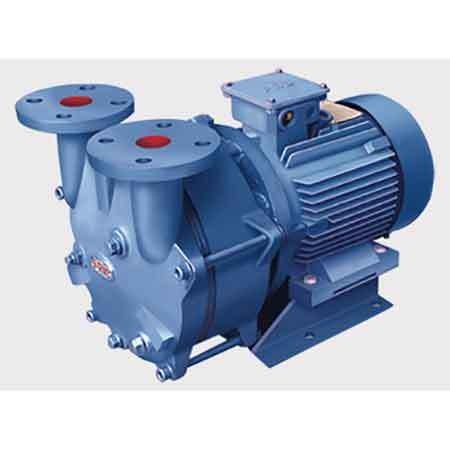
Can Vacuum Pumps Be Used for Vacuum Furnaces?
Yes, vacuum pumps can be used for vacuum furnaces. Here’s a detailed explanation:
Vacuum furnaces are specialized heating systems used in various industries for heat treatment processes that require controlled environments with low or no atmospheric pressure. Vacuum pumps play a crucial role in creating and maintaining the vacuum conditions necessary for the operation of vacuum furnaces.
Here are some key points regarding the use of vacuum pumps in vacuum furnaces:
1. Vacuum Creation: Vacuum pumps are used to evacuate the furnace chamber, creating a low-pressure or near-vacuum environment. This is essential for the heat treatment processes carried out in the furnace, as it helps eliminate oxygen and other reactive gases, preventing oxidation or unwanted chemical reactions with the heated materials.
2. Pressure Control: Vacuum pumps provide the means to control and maintain the desired pressure levels within the furnace chamber during the heat treatment process. Precise pressure control is necessary to achieve the desired metallurgical and material property changes during processes such as annealing, brazing, sintering, and hardening.
3. Contamination Prevention: By removing gases and impurities from the furnace chamber, vacuum pumps help prevent contamination of the heated materials. This is particularly important in applications where cleanliness and purity of the processed materials are critical, such as in the aerospace, automotive, and medical industries.
4. Rapid Cooling: Some vacuum furnace systems incorporate rapid cooling capabilities, known as quenching. Vacuum pumps assist in facilitating the rapid cooling process by removing the heat generated during quenching, ensuring efficient cooling and minimizing distortion or other unwanted effects on the treated materials.
5. Process Flexibility: Vacuum pumps provide flexibility in the type of heat treatment processes that can be performed in vacuum furnaces. Different heat treatment techniques, such as vacuum annealing, vacuum brazing, or vacuum carburizing, require specific pressure levels and atmospheric conditions that can be achieved and maintained with the use of vacuum pumps.
6. Vacuum Pump Types: Different types of vacuum pumps can be used in vacuum furnaces, depending on the specific requirements of the heat treatment process. Commonly used vacuum pump technologies include oil-sealed rotary vane pumps, dry screw pumps, diffusion pumps, and cryogenic pumps. The choice of vacuum pump depends on factors such as required vacuum level, pumping speed, reliability, and compatibility with the process gases.
7. Maintenance and Monitoring: Proper maintenance and monitoring of vacuum pumps are essential to ensure their optimal performance and reliability. Regular inspections, lubrication, and replacement of consumables (such as oil or filters) are necessary to maintain the efficiency and longevity of the vacuum pump system.
8. Safety Considerations: Operating vacuum furnaces with vacuum pumps requires adherence to safety protocols. This includes proper handling of potentially hazardous gases or chemicals used in the heat treatment processes, as well as following safety guidelines for operating and maintaining the vacuum pump system.
Overall, vacuum pumps are integral components of vacuum furnaces, enabling the creation and maintenance of the required vacuum conditions for precise and controlled heat treatment processes. They contribute to the quality, consistency, and efficiency of the heat treatment operations performed in vacuum furnaces across a wide range of industries.
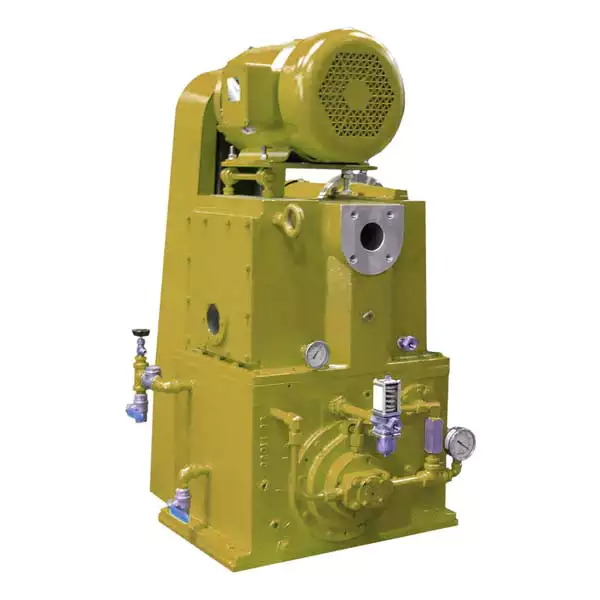
Can Vacuum Pumps Be Used for Soil and Groundwater Remediation?
Vacuum pumps are indeed widely used for soil and groundwater remediation. Here’s a detailed explanation:
Soil and groundwater remediation refers to the process of removing contaminants from the soil and groundwater to restore environmental quality and protect human health. Vacuum pumps play a crucial role in various remediation techniques by facilitating the extraction and treatment of contaminated media. Some of the common applications of vacuum pumps in soil and groundwater remediation include:
1. Soil Vapor Extraction (SVE): Soil vapor extraction is a widely used remediation technique for volatile contaminants present in the subsurface. It involves the extraction of vapors from the soil by applying a vacuum to the subsurface through wells or trenches. Vacuum pumps create a pressure gradient that induces the movement of vapors towards the extraction points. The extracted vapors are then treated to remove or destroy the contaminants. Vacuum pumps play a vital role in SVE by maintaining the necessary negative pressure to enhance the volatilization and extraction of contaminants from the soil.
2. Dual-Phase Extraction (DPE): Dual-phase extraction is a remediation method used for the simultaneous extraction of both liquids (such as groundwater) and vapors (such as volatile organic compounds) from the subsurface. Vacuum pumps are utilized to create a vacuum in extraction wells or points, drawing out both the liquid and vapor phases. The extracted groundwater and vapors are then separated and treated accordingly. Vacuum pumps are essential in DPE systems for efficient and controlled extraction of both liquid and vapor-phase contaminants.
3. Groundwater Pumping and Treatment: Vacuum pumps are also employed in groundwater remediation through the process of pumping and treatment. They are used to extract contaminated groundwater from wells or recovery trenches. By creating a vacuum or negative pressure, vacuum pumps facilitate the flow of groundwater towards the extraction points. The extracted groundwater is then treated to remove or neutralize the contaminants before being discharged or re-injected into the ground. Vacuum pumps play a critical role in maintaining the required flow rates and hydraulic gradients for effective groundwater extraction and treatment.
4. Air Sparging: Air sparging is a remediation technique used to treat groundwater and soil contaminated with volatile organic compounds (VOCs). It involves the injection of air or oxygen into the subsurface to enhance the volatilization of contaminants. Vacuum pumps are utilized in air sparging systems to create a vacuum or negative pressure zone in wells or points surrounding the contaminated area. This induces the movement of air and oxygen through the soil, facilitating the release and volatilization of VOCs. Vacuum pumps are essential in air sparging by maintaining the necessary negative pressure gradient for effective contaminant removal.
5. Vacuum-Enhanced Recovery: Vacuum-enhanced recovery, also known as vacuum-enhanced extraction, is a remediation technique used to recover non-aqueous phase liquids (NAPLs) or dense non-aqueous phase liquids (DNAPLs) from the subsurface. Vacuum pumps are employed to create a vacuum or negative pressure gradient in recovery wells or trenches. This encourages the movement and extraction of NAPLs or DNAPLs towards the recovery points. Vacuum pumps facilitate the efficient recovery of these dense contaminants, which may not be easily recoverable using traditional pumping methods.
It’s important to note that different types of vacuum pumps, such as rotary vane pumps, liquid ring pumps, or air-cooled pumps, may be used in soil and groundwater remediation depending on the specific requirements of the remediation technique and the nature of the contaminants.
In summary, vacuum pumps play a vital role in various soil and groundwater remediation techniques, including soil vapor extraction, dual-phase extraction, groundwater pumping and treatment, air sparging, and vacuum-enhanced recovery. By creating and maintaining the necessary pressure differentials, vacuum pumps enable the efficient extraction, treatment, and removal of contaminants, contributing to the restoration of soil and groundwater quality.
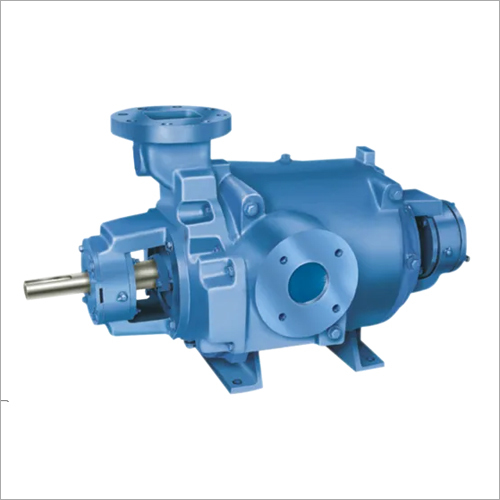
Are There Different Types of Vacuum Pumps Available?
Yes, there are various types of vacuum pumps available, each designed to suit specific applications and operating principles. Here’s a detailed explanation:
Vacuum pumps are classified based on their operating principles, mechanisms, and the type of vacuum they can generate. Some common types of vacuum pumps include:
1. Rotary Vane Vacuum Pumps:
– Description: Rotary vane pumps are positive displacement pumps that use rotating vanes to create a vacuum. The vanes slide in and out of slots in the pump rotor, trapping and compressing gas to create suction and generate a vacuum.
– Applications: Rotary vane vacuum pumps are widely used in applications requiring moderate vacuum levels, such as laboratory vacuum systems, packaging, refrigeration, and air conditioning.
2. Diaphragm Vacuum Pumps:
– Description: Diaphragm pumps use a flexible diaphragm that moves up and down to create a vacuum. The diaphragm separates the vacuum chamber from the driving mechanism, preventing contamination and oil-free operation.
– Applications: Diaphragm vacuum pumps are commonly used in laboratories, medical equipment, analysis instruments, and applications where oil-free or chemical-resistant vacuum is required.
3. Scroll Vacuum Pumps:
– Description: Scroll pumps have two spiral-shaped scrolls—one fixed and one orbiting—which create a series of moving crescent-shaped gas pockets. As the scrolls move, gas is continuously trapped and compressed, resulting in a vacuum.
– Applications: Scroll vacuum pumps are suitable for applications requiring a clean and dry vacuum, such as analytical instruments, vacuum drying, and vacuum coating.
4. Piston Vacuum Pumps:
– Description: Piston pumps use reciprocating pistons to create a vacuum by compressing gas and then releasing it through valves. They can achieve high vacuum levels but may require lubrication.
– Applications: Piston vacuum pumps are used in applications requiring high vacuum levels, such as vacuum furnaces, freeze drying, and semiconductor manufacturing.
5. Turbo Molecular Vacuum Pumps:
– Description: Turbo pumps use high-speed rotating blades or impellers to create a molecular flow, continuously pumping gas molecules out of the system. They typically require a backing pump to operate.
– Applications: Turbo molecular pumps are used in high vacuum applications, such as semiconductor fabrication, research laboratories, and mass spectrometry.
6. Diffusion Vacuum Pumps:
– Description: Diffusion pumps rely on the diffusion of gas molecules and their subsequent removal by a high-speed jet of vapor. They operate at high vacuum levels and require a backing pump.
– Applications: Diffusion pumps are commonly used in applications requiring high vacuum levels, such as vacuum metallurgy, space simulation chambers, and particle accelerators.
7. Cryogenic Vacuum Pumps:
– Description: Cryogenic pumps use extremely low temperatures to condense and capture gas molecules, creating a vacuum. They rely on cryogenic fluids, such as liquid nitrogen or helium, for operation.
– Applications: Cryogenic vacuum pumps are used in ultra-high vacuum applications, such as particle physics research, material science, and fusion reactors.
These are just a few examples of the different types of vacuum pumps available. Each type has its advantages, limitations, and suitability for specific applications. The choice of vacuum pump depends on factors like required vacuum level, gas compatibility, reliability, cost, and the specific needs of the application.


editor by CX 2024-03-25