Product Description
High-Performance China Micro Vacuum Pump
Micro Air Pump/Brush DC Diaphragm Pressure Vacuum Pump/Mini Compressor Air Pump
Manufacturing Factory
Product Description
To get more Technical data, Please Send a message!
|
pump (1.5V~29V) |
Miniature pump/Air pump/Vacuum pump/Water Pump/Atomization Pump/Foam pump/Nasal aspirator pump/Check valve Pump/Piston pump/Gear pump/Water Vapor pump/purpose air pump/Extraction pump/Dual pump/Vacuum air pump/Peristaltic pump/Miniature air pump |
|||
|
valve (3V~12V) |
Air Valve/Normal shutdown/Solenoid valve/Normal shutdown/Two-way valve/Water valve/Three-way valve |
|||
|
motor (3V~24V) |
Speed ratio DC brushless planetary motor/DC brushless motor of vacuum cleaner/DC brushless motor/Brushless DC motor for UAV |
|||
|
Feel free to send us your parameter and we will quote you for free! |
||||
|
We give you professional product solutions based on the product information you provide, including customization. |
||||
|
No big quantity is needed for your order. Small orders are welcomed. |
||||
|
We can also add your logo or design to your product with a laser marking machine. |
||||
|
Customized series |
||||
|
Tell us the product you want, we will provide you with professional customization of the product. |
||||
|
Support oem/odm, support proofing, support packaging, support voltage, support size, support design, etc. |
||||
|
Product Usage |
||||
|
Pump: electronic sphygmomanometer, household appliances, Sprayers, coffee machines, soap dispensers, beauty and medical products, Floor Scrubbers, nebulizer, Breast pump, oral irrigator, massage, eye massage apparatus, vacuum fresh container, electric aircraft cup, DC oxygen pump, Airwave physiotherapy machine, aroma diffuser, Beer brewing machine, Scrapping instrument, nasal aspirator, Intelligent wall breaker, drinking fountain, Car massage seat, Foot Massager and DC atomizing pump ect. |
||||
|
Solenoid valve: Smart fresh Fruit cup, Red wine preservation device, electronic sphygmomanometer, massage, household appliances, Sprayers, coffee machines, soap dispensers beauty and medical products etc. |
||||
|
DC brushless motor: massage, household massage gun, household appliances, electrical tools, water pump etc. |
Company Profile
HangZhou CHINAMFG Motor Co., Ltd., founded in 2pcs, number of employees 600+, we have patent certificates for various products in addition to CE certificates, we provide product parameter customization
Our main products include micro air pumps, water pumps, air valves, electromagnets, micro DC motors, and other micro motors.
Our products are widely applied in medical devices, electronic sphygmomanometers, massage armchairs, smart instruments, automation devices, coffee machines, smart cleaners, breast pumps, and blood monitors. etc
We have a group of highly experienced engineers who specialized in the development of micro air pumps, micro air valves, and micro motors for over 21 years.
FAQ
1. What can you buy from us?
Air Pump / Solenoid Pump / Water Pump, Solenoid Valve / Water Valve, Valves, Micro DC Motors / other micromotors
2. What can we do for you?
We can develop new products for you or modify parameters such as flow, current, and pressure on existing products. We can OEM, and ODM.
Batch orders will be shipped in 30 working daysSample order will be shipped within 3 working days.
3.How long is the deliver[Producing] and shipping ?
Always a pre-production sample before mass production;Always final Inspection before shipment.
4. How can we guarantee quality?
The warranty is 3 year. We deliver new and faultless products. Also, we are responsible for repairing and replacing the defective ones in the warranty period meanwhile we provide life-long free technical support and maintenance.
5.What’s your warranty ?
One-stop service: one-stop service from production to shipment. Quality: A professional engineering team strictly controls product quality. Productivity: Fully automatic equipment can firmly support your bulk orders. Build your ideas: Any custom designs you have are welcome.
6.What services can we provide?
HangZhou CHINAMFG Motor Co., Ltd. is a professional Micro Pumps and solenoid valves manufacturer. Passed ISO 9001, (EU)2015/863, EC1907/2006 quality system. With a talented design team releasing original designs.
7. Why should you buy from us not from other suppliers? HangZhou CHINAMFG Motor Co., Ltd. is a professional Micro Pumps and solenoid valves manufacturer. Passed ISO 9001, (EU)2015/863, EC1907/2006 quality system. With a talented design team releasing original designs.
/* January 22, 2571 19:08:37 */!function(){function s(e,r){var a,o={};try{e&&e.split(“,”).forEach(function(e,t){e&&(a=e.match(/(.*?):(.*)$/))&&1
| After-sales Service: | Timely |
|---|---|
| Warranty: | 1 Year |
| Certification: | RoHS, Reach; ISO9001:2015 |
| Rated Current: | <=1A |
| Voltage: | DC 3-12V |
| Material: | Cast Iron |
| Samples: |
US$ 4/Piece
1 Piece(Min.Order) | |
|---|
| Customization: |
Available
|
|
|---|
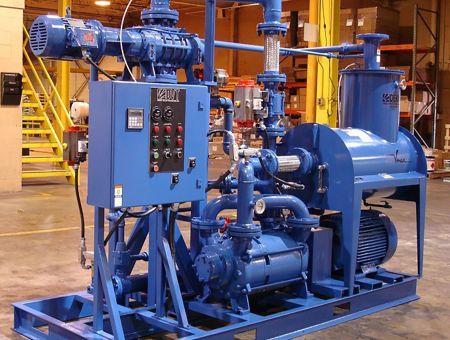
How Are Vacuum Pumps Employed in the Production of Electronic Components?
Vacuum pumps play a crucial role in the production of electronic components. Here’s a detailed explanation:
The production of electronic components often requires controlled environments with low or no atmospheric pressure. Vacuum pumps are employed in various stages of the production process to create and maintain these vacuum conditions. Here are some key ways in which vacuum pumps are used in the production of electronic components:
1. Deposition Processes: Vacuum pumps are extensively used in deposition processes, such as physical vapor deposition (PVD) and chemical vapor deposition (CVD), which are commonly employed for thin film deposition on electronic components. These processes involve the deposition of materials onto substrates in a vacuum chamber. Vacuum pumps help create and maintain the necessary vacuum conditions required for precise and controlled deposition of the thin films.
2. Etching and Cleaning: Etching and cleaning processes are essential in the fabrication of electronic components. Vacuum pumps are used to create a vacuum environment in etching and cleaning chambers, where reactive gases or plasmas are employed to remove unwanted materials or residues from the surfaces of the components. The vacuum pumps help evacuate the chamber and ensure the efficient removal of byproducts and waste gases.
3. Drying and Bake-out: Vacuum pumps are utilized in the drying and bake-out processes of electronic components. After wet processes, such as cleaning or wet etching, components need to be dried thoroughly. Vacuum pumps help create a vacuum environment that facilitates the removal of moisture or solvents from the components, ensuring their dryness before subsequent processing steps. Additionally, vacuum bake-out is employed to remove moisture or other contaminants trapped within the components’ materials or structures, enhancing their reliability and performance.
4. Encapsulation and Packaging: Vacuum pumps are involved in the encapsulation and packaging stages of electronic component production. These processes often require the use of vacuum-sealed packaging to protect the components from environmental factors such as moisture, dust, or oxidation. Vacuum pumps assist in evacuating the packaging materials, creating a vacuum-sealed environment that helps maintain the integrity and longevity of the electronic components.
5. Testing and Quality Control: Vacuum pumps are utilized in testing and quality control processes for electronic components. Some types of testing, such as hermeticity testing, require the creation of a vacuum environment for evaluating the sealing integrity of electronic packages. Vacuum pumps help evacuate the testing chambers, ensuring accurate and reliable test results.
6. Soldering and Brazing: Vacuum pumps play a role in soldering and brazing processes for joining electronic components and assemblies. Vacuum soldering is a technique used to achieve high-quality solder joints by removing air and reducing the risk of voids, flux residuals, or oxidation. Vacuum pumps assist in evacuating the soldering chambers, creating the required vacuum conditions for precise and reliable soldering or brazing.
7. Surface Treatment: Vacuum pumps are employed in surface treatment processes for electronic components. These processes include plasma cleaning, surface activation, or surface modification techniques. Vacuum pumps help create the necessary vacuum environment where plasma or reactive gases are used to treat the component surfaces, improving adhesion, promoting bonding, or altering surface properties.
It’s important to note that different types of vacuum pumps may be used in electronic component production, depending on the specific process requirements. Commonly used vacuum pump technologies include rotary vane pumps, turbo pumps, cryogenic pumps, and dry pumps.
In summary, vacuum pumps are essential in the production of electronic components, facilitating deposition processes, etching and cleaning operations, drying and bake-out stages, encapsulation and packaging, testing and quality control, soldering and brazing, as well as surface treatment. They enable the creation and maintenance of controlled vacuum environments, ensuring precise and reliable manufacturing processes for electronic components.
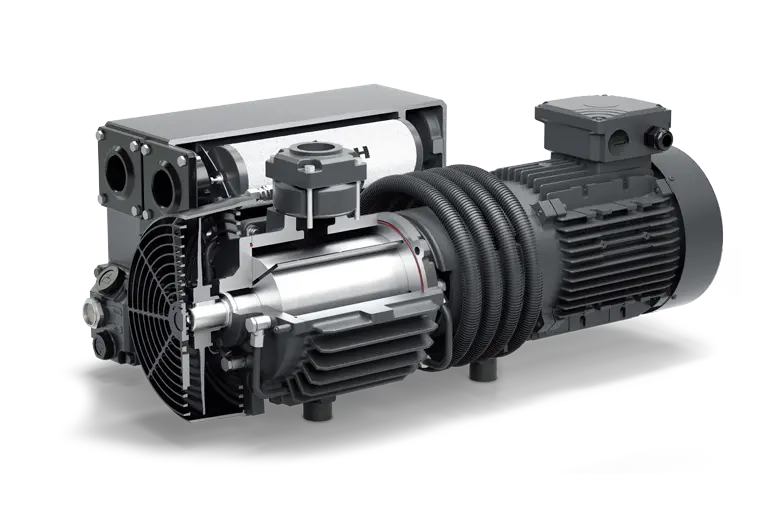
How Do Vacuum Pumps Impact the Quality of 3D Printing?
Vacuum pumps play a significant role in improving the quality and performance of 3D printing processes. Here’s a detailed explanation:
3D printing, also known as additive manufacturing, is a process of creating three-dimensional objects by depositing successive layers of material. Vacuum pumps are utilized in various aspects of 3D printing to enhance the overall quality, accuracy, and reliability of printed parts. Here are some key ways in which vacuum pumps impact 3D printing:
1. Material Handling and Filtration: Vacuum pumps are used in 3D printing systems to handle and control the flow of materials. They create the necessary suction force to transport powdered materials, such as polymers or metal powders, from storage containers to the printing chamber. Vacuum systems also assist in filtering and removing unwanted particles or impurities from the material, ensuring the purity and consistency of the feedstock. This helps to prevent clogging or contamination issues during the printing process.
2. Build Plate Adhesion: Proper adhesion of the printed object to the build plate is crucial for achieving dimensional accuracy and preventing warping or detachment during the printing process. Vacuum pumps are employed to create a vacuum environment or suction force that securely holds the build plate and ensures firm adhesion between the first layer of the printed object and the build surface. This promotes stability and minimizes the risk of layer shifting or deformation during the printing process.
3. Material Drying: Many 3D printing materials, such as filament or powdered polymers, can absorb moisture from the surrounding environment. Moisture-contaminated materials can lead to poor print quality, reduced mechanical properties, or defects in the printed parts. Vacuum pumps with integrated drying capabilities can be employed to create a low-pressure environment, effectively removing moisture from the materials before they are used in the printing process. This ensures the dryness and quality of the materials, resulting in improved print outcomes.
4. Resin Handling in Stereolithography (SLA): In SLA 3D printing, a liquid resin is selectively cured using light sources to create the desired object. Vacuum pumps are utilized to facilitate the resin handling process. They can be employed to degas or remove air bubbles from the liquid resin, ensuring a smooth and bubble-free flow during material dispensing. This helps to prevent defects and imperfections caused by trapped air or bubbles in the final printed part.
5. Enclosure Pressure Control: Some 3D printing processes, such as selective laser sintering (SLS) or binder jetting, require the printing chamber to be maintained at a specific pressure or controlled atmosphere. Vacuum pumps are used to create a controlled low-pressure or vacuum environment within the printing chamber, enabling precise pressure regulation and maintaining the desired conditions for optimal printing results. This control over the printing environment helps to prevent oxidation, improve material flow, and enhance the quality and consistency of printed parts.
6. Post-Processing and Cleaning: Vacuum pumps can also aid in post-processing steps and cleaning of 3D printed parts. For instance, in processes like support material removal or surface finishing, vacuum systems can assist in the removal of residual support structures or excess powder from printed objects. They can also be employed in vacuum-based cleaning methods, such as vapor smoothing, to achieve smoother surface finishes and enhance the aesthetics of the printed parts.
7. System Maintenance and Filtration: Vacuum pumps used in 3D printing systems require regular maintenance and proper filtration to ensure their efficient and reliable operation. Effective filtration systems within the vacuum pumps help to remove any contaminants or particles generated during printing, preventing their circulation and potential deposition on the printed parts. This helps to maintain the cleanliness of the printing environment and minimize the risk of defects or impurities in the final printed objects.
In summary, vacuum pumps have a significant impact on the quality of 3D printing. They contribute to material handling and filtration, build plate adhesion, material drying, resin handling in SLA, enclosure pressure control, post-processing and cleaning, as well as system maintenance and filtration. By utilizing vacuum pumps in these critical areas, 3D printing processes can achieve improved accuracy, dimensional stability, material quality, and overall print quality.
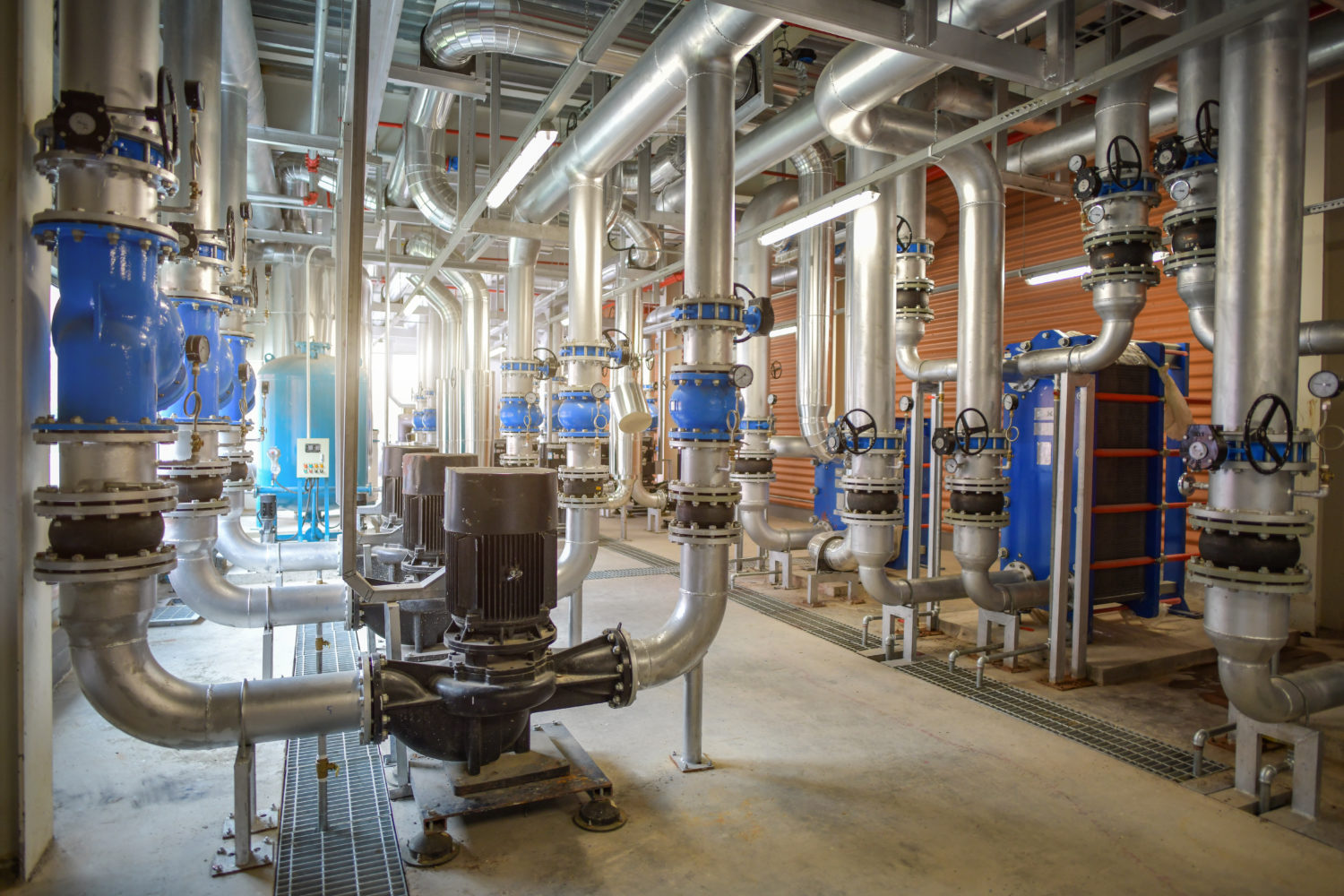
What Is the Purpose of a Vacuum Pump in an HVAC System?
In an HVAC (Heating, Ventilation, and Air Conditioning) system, a vacuum pump serves a crucial purpose. Here’s a detailed explanation:
The purpose of a vacuum pump in an HVAC system is to remove air and moisture from the refrigerant lines and the system itself. HVAC systems, particularly those that rely on refrigeration, operate under specific pressure and temperature conditions to facilitate the transfer of heat. To ensure optimal performance and efficiency, it is essential to evacuate any non-condensable gases, air, and moisture from the system.
Here are the key reasons why a vacuum pump is used in an HVAC system:
1. Removing Moisture: Moisture can be present within an HVAC system due to various factors, such as system installation, leaks, or improper maintenance. When moisture combines with the refrigerant, it can cause issues like ice formation, reduced system efficiency, and potential damage to system components. A vacuum pump helps remove moisture by creating a low-pressure environment, which causes the moisture to boil and turn into vapor, effectively evacuating it from the system.
2. Eliminating Air and Non-Condensable Gases: Air and non-condensable gases, such as nitrogen or oxygen, can enter an HVAC system during installation, repair, or through leaks. These gases can hinder the refrigeration process, affect heat transfer, and decrease system performance. By using a vacuum pump, technicians can evacuate the air and non-condensable gases, ensuring that the system operates with the designed refrigerant and pressure levels.
3. Preparing for Refrigerant Charging: Prior to charging the HVAC system with refrigerant, it is crucial to create a vacuum to remove any contaminants and ensure the system is clean and ready for optimal refrigerant circulation. By evacuating the system with a vacuum pump, technicians ensure that the refrigerant enters a clean and controlled environment, reducing the risk of system malfunctions and improving overall efficiency.
4. Leak Detection: Vacuum pumps are also used in HVAC systems for leak detection purposes. After evacuating the system, technicians can monitor the pressure to check if it holds steady. A significant drop in pressure indicates the presence of leaks, enabling technicians to identify and repair them before charging the system with refrigerant.
In summary, a vacuum pump plays a vital role in an HVAC system by removing moisture, eliminating air and non-condensable gases, preparing the system for refrigerant charging, and aiding in leak detection. These functions help ensure optimal system performance, energy efficiency, and longevity, while also reducing the risk of system malfunctions and damage.


editor by Dream 2024-04-26