Product Description
Detailed Photos
Packaging & Shipping
Beyond have exported to many countries, have 12 years of equipment export and service experience, and become the exclusive supply partner of many customers.
We have on-site installation and service teams, and currently have stable supply in India, Azerbaijan, Kazakhstan, South Africa and other countries
Company Profile
ZheJiang Beyond Petroleum Equipment Co., Ltd, hereinafter referred to as “Beyond”, was established in year 2016 and certified by ISO9001. Its main business scope is to supply drilling equipment and spares for overseas customers from different sectors, like petroleum, water well, construction and HDD. Beyond products cover but not limited to: oil drilling & workover rig, water well drilling rig, pile drilling rig, horizontal directional drilling rig, mud pump and spares, CZPT control system & equipment, and other different drilling materials. Dedicated to strict quality control and thoughtful customer service, our experienced staff members are always available to discuss your requirements and ensure full customer satisfaction. We can customize the product supply as per your on-site conditions, and we can offer overseas after-sale services with our strong technical support. Thanks to our professional services, quality products, fast delivery and competitive prices, we have built up a very good reputation among our customers. Our products had covered countries like USA, Venezuela, Argentina, India, Singapore, Kazakhstan, Azerbaijan, Egypt and Ethiopia. With “Professional & Efficient, Customer Focus, Win-win Cooperation” as its business principle, Beyond believes we will become your trustable and reliable partner in China. We warmly welcome you to be our customers to establish good cooperation and create a bright future with us together. Choose Beyond, You will get beyond your expectations and we will not let you down.
Our Advantages
1. who are we?
We are based in ZheJiang , China, start from 2016,sell to Eastern Europe(30.00%),North America(10.00%),South America(10.00%),Southeast Asia(10.00%),Africa(10.00%),Mid East(10.00%),Oceania(5.00%),Central America(5.00%),South Asia(5.00%),Domestic Market(5.00%). There are total about 5-10 people in our office.
2. how can we guarantee quality?
Always a pre-production sample before mass production;
Always final Inspection before shipment;
3.what can you buy from us?
Drilling & Workover Rig,Water Drilling Rig,Pile Drilling Rig,Mud Pump,Drilling Rig Spares
4. why should you buy from us not from other suppliers?
1.Professional & Efficient, Customer Focus, Win-win Cooperation 2.Competitive price & within shortest lead time; 3. Overseas technical services
5. what services can we provide?
Accepted Delivery Terms: FOB,CFR,CIF,EXW,FAS,CIP,FCA,CPT,DEQ,DDP,DDU,Express Delivery,DAF,DES;
Accepted Payment Currency:USD,EUR,JPY,CAD,AUD,HKD,GBP,CNY,CHF;
Accepted Payment Type: T/T,L/C,D/P D/A,MoneyGram,Credit Card,PayPal,Western Union,Cash,Escrow;
Language Spoken:English,Chinese,Spanish,Russian /* January 22, 2571 19:08:37 */!function(){function s(e,r){var a,o={};try{e&&e.split(“,”).forEach(function(e,t){e&&(a=e.match(/(.*?):(.*)$/))&&1
| Warranty: | 1 Year |
|---|---|
| Certification: | ISO 9001:2000, ISO 9001:2008 |
| Operation Pressure: | Vacuum |
| Material: | Cast Steel |
| Type: | Drilling Fluid Shale Shaker |
| Transport Package: | Export Package |
| Customization: |
Available
|
|
|---|
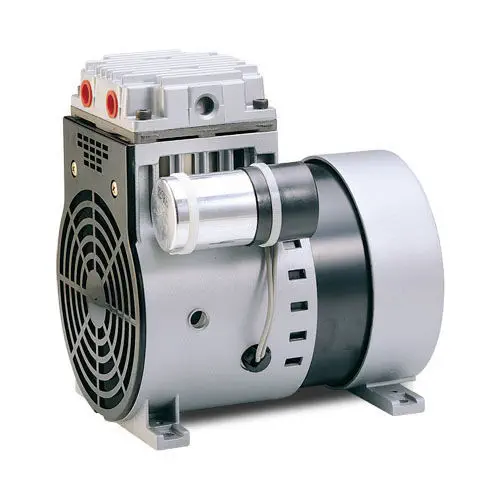
What Are the Typical Applications of Piston Vacuum Pumps?
Piston vacuum pumps find applications in various industries and processes. Here’s a detailed explanation of the typical applications of piston vacuum pumps:
1. Laboratories and Research Facilities:
– Piston vacuum pumps are commonly used in laboratories and research facilities for a wide range of applications.
– They are utilized in vacuum ovens, freeze dryers, vacuum filtration systems, and other equipment requiring controlled evacuation.
2. Pharmaceuticals and Biotechnology:
– In the pharmaceutical and biotechnology industries, piston vacuum pumps are employed for processes such as solvent evaporation, distillation, and filtration.
– They are used in drug manufacturing, vaccine production, and research involving biochemistry and molecular biology.
3. Food Processing and Packaging:
– Piston vacuum pumps play a vital role in the food processing and packaging industry.
– They are used in vacuum packaging machines to remove air from packaging containers, extending the shelf life of food products.
4. HVAC and Refrigeration Systems:
– Piston vacuum pumps are utilized in HVAC (Heating, Ventilation, and Air Conditioning) systems and refrigeration systems.
– They help evacuate air and moisture from the systems to achieve the desired pressure and prevent contamination.
5. Manufacturing and Industrial Processes:
– Piston vacuum pumps are employed in various manufacturing and industrial processes.
– They are used for degassing, vacuum impregnation, vacuum drying, and other applications that require controlled evacuation.
6. Automotive Industry:
– In the automotive industry, piston vacuum pumps are often used in brake booster systems.
– They create a vacuum to assist in brake actuation, providing the necessary power for braking.
7. Electronics and Semiconductor Manufacturing:
– Piston vacuum pumps are utilized in electronics and semiconductor manufacturing processes.
– They help create a controlled environment with low-pressure conditions during the production of microchips, integrated circuits, and other electronic components.
8. Environmental Monitoring and Analysis:
– Piston vacuum pumps are utilized in environmental monitoring and analysis equipment.
– They are used in air sampling devices, gas analyzers, and other instruments that require precise vacuum control.
9. Scientific Research and Vacuum Systems:
– Piston vacuum pumps are employed in various scientific research applications.
– They are used in vacuum systems for particle accelerators, electron microscopes, mass spectrometers, surface analysis instruments, and other scientific equipment.
In summary, piston vacuum pumps have diverse applications in laboratories, pharmaceuticals, food processing, HVAC systems, manufacturing processes, automotive industry, electronics, environmental monitoring, scientific research, and more. Their ability to provide controlled evacuation and achieve moderate vacuum levels makes them suitable for a wide range of industries and processes.
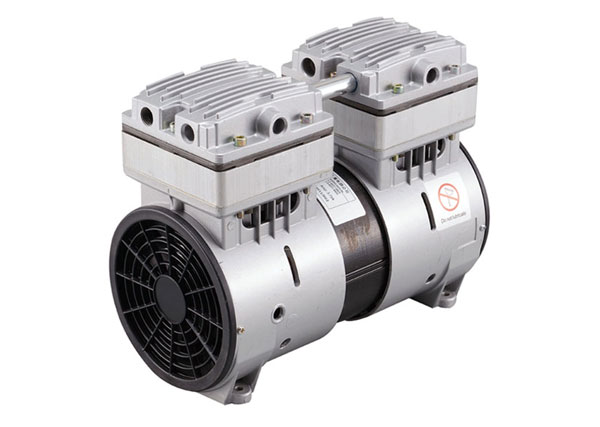
What Are the Safety Precautions for Operating Piston Vacuum Pumps?
Operating piston vacuum pumps requires adherence to safety precautions to ensure the well-being of personnel and the proper functioning of the equipment. Here’s a detailed explanation of the safety precautions for operating piston vacuum pumps:
– Familiarize Yourself with the User Manual: Before operating a piston vacuum pump, thoroughly read and understand the user manual provided by the manufacturer. The manual contains important safety guidelines specific to the pump model.
– Personal Protective Equipment (PPE): Always wear appropriate personal protective equipment, such as safety goggles, gloves, and hearing protection, when operating the pump. This helps protect against potential hazards, including chemical exposure, flying debris, and noise.
– Ventilation: Ensure that the area where the pump is operated has adequate ventilation. Proper ventilation helps prevent the accumulation of fumes, vapors, or hazardous gases that may be generated during the pumping process.
– Electrical Safety: Follow electrical safety precautions, including proper grounding and connection of the pump to a suitable power source. Inspect power cords and plugs for any damage before use, and avoid using the pump in wet or damp environments.
– Pressure and Vacuum Limits: Operate the pump within its specified pressure and vacuum limits. Exceeding these limits can lead to equipment failure, compromising safety and performance.
– Overpressure Protection: Ensure the pump has appropriate overpressure protection mechanisms, such as relief valves or pressure sensors, to prevent excessive pressure buildup. Regularly inspect and maintain these safety devices to ensure their proper functioning.
– Cooling and Temperature: Pay attention to the cooling requirements of the pump. Adequate cooling is necessary to prevent overheating and potential damage to the pump. Avoid blocking or obstructing cooling vents or fins. Monitor the pump’s temperature during operation and follow any temperature-related guidelines provided by the manufacturer.
– Maintenance and Inspection: Regularly inspect and maintain the pump according to the manufacturer’s recommendations. This includes cleaning, lubricating, and replacing parts as necessary. Perform maintenance tasks only when the pump is turned off and disconnected from the power source.
– Emergency Stop: Familiarize yourself with the location and operation of the emergency stop button or switch on the pump. In case of any emergency or abnormal situation, immediately activate the emergency stop to shut down the pump safely.
– Training and Competence: Ensure that operators are adequately trained and competent to operate the piston vacuum pump. Proper training helps minimize the risks associated with incorrect operation or handling of the equipment.
– Hazardous Materials: If the pump is used with hazardous materials, follow appropriate safety protocols for handling, containment, and disposal. Be aware of the potential risks associated with the materials being pumped and take necessary precautions to mitigate those risks.
– Warning Signs and Labels: Pay attention to warning signs, labels, and markings on the pump, including safety instructions, hazard warnings, and operating instructions. Follow these instructions carefully to ensure safe operation.
– Emergency Procedures: Establish and communicate clear emergency procedures in case of accidents, spills, or other hazardous situations. Ensure that operators are aware of these procedures and know how to respond appropriately.
– Regular Risk Assessment: Conduct regular risk assessments of the pump operation to identify potential hazards and implement appropriate safety measures. Periodically review and update safety protocols based on the results of these assessments.
– Emergency Response Resources: Keep appropriate emergency response resources readily available, such as fire extinguishers, spill kits, and emergency eyewash stations, in case of accidents or spills.
In summary, operating piston vacuum pumps safely requires following several key safety precautions, including familiarizing yourself with the user manual, using appropriate personal protective equipment, ensuring proper ventilation, adhering to electrical safety guidelines, operating within pressure and vacuum limits, maintaining cooling requirements, performing regular maintenance and inspections, being aware of emergency stop procedures, providing adequate training and competence, handling hazardous materials safely, paying attention to warning signs and labels, establishing emergency procedures, conducting risk assessments, and keeping emergency response resources available.
What Is the Role of Lubrication in Piston Vacuum Pump Operation?
Lubrication plays a crucial role in the operation of a piston vacuum pump. Here’s a detailed explanation:
1. Reduction of Friction:
– Lubrication is essential for reducing friction between moving parts within the pump.
– In a piston vacuum pump, the piston moves up and down inside the cylinder, and lubrication helps to minimize the friction between the piston rings and the cylinder wall.
– By reducing friction, lubrication prevents excessive wear and heat generation, ensuring smooth and efficient operation of the pump.
2. Sealing and Leakage Prevention:
– Lubrication helps to maintain proper sealing between the piston rings and the cylinder wall.
– The lubricating oil forms a thin film between these surfaces, creating a barrier that prevents gas leakage during the compression and vacuum creation process.
– Effective sealing is crucial for maintaining the desired vacuum level and preventing air or gas from entering the pump.
3. Cooling and Heat Dissipation:
– Piston vacuum pumps generate heat during operation, particularly due to the compression of gases.
– Lubricating oil helps in dissipating the heat generated, preventing the pump from overheating.
– The oil absorbs heat from the pump’s internal components and transfers it to the pump’s housing or cooling system.
– Proper cooling and heat dissipation contribute to the pump’s overall performance and prevent damage due to excessive heat buildup.
4. Contaminant Removal:
– Lubrication also aids in removing contaminants or particles that may enter the pump.
– The oil acts as a carrier, trapping and carrying away small particles or debris that could potentially damage the pump’s components.
– The oil passes through filters that help to remove these contaminants, keeping the pump’s internal parts clean and functioning properly.
5. Corrosion Prevention:
– Some lubricating oils contain additives that provide corrosion protection.
– These additives form a protective film on the pump’s internal surfaces, preventing corrosion caused by exposure to moisture or corrosive gases.
– Corrosion prevention is crucial for maintaining the pump’s performance, extending its lifespan, and minimizing the need for repairs or component replacement.
6. Proper Lubrication Selection:
– Selecting the appropriate lubricating oil is essential for the proper functioning of a piston vacuum pump.
– Different pump models and manufacturers may recommend specific oil types or viscosities to ensure optimal performance and longevity.
– It is crucial to follow the manufacturer’s guidelines regarding oil selection, oil level, and oil change intervals.
In summary, lubrication plays a vital role in piston vacuum pump operation by reducing friction, maintaining proper sealing, dissipating heat, removing contaminants, and preventing corrosion. Proper lubrication selection and adherence to manufacturer’s guidelines are crucial for ensuring the pump’s efficient and reliable performance.


editor by Dream 2024-05-06