Product Description
Vacuum sintered carbide wear parts for mud motor pump and valve
Seed Technologies Corp., LTD., located in HangZhou (China), is a high-tech developer, manufacturer, and distributor of superior wear resistant parts, tool assembly and equipment for Oil and gas, Aerospace, Valve and Pumps industry.
Aseeder Corporation was invested by Seed as a Houston based company dedicated for sales and customer support in north America market.
The products and technologies from Seed (Aseeder) have been widely applied in the fields of oil & gas, chemical engineering, subsea, nuclear power and aerospace industries. Mainly used in harsh operating conditions include severe abrasion, erosion, corrosion, high temperature, high pressure and strong impact.
Our major clients are Fortune 500 companies. Seed is the leading export enterprise in China of wear-resistant, cemented carbide products and the related high-precision machining techniques.
Hip Sintering Cemented Carbide Bushing with Electric Machinery
1. Use 100% tungsten carbide raw material
2. Stable chemical properties
3. Excellent performance and good wear / corrosion resistance
4. HIP sintering, good compactness
5. Blanks, high machining accuracy / precision
6. OEM customized sizes available
7. Factory’s offer
8. Strict products quality inspection
| Aseeder Grade | Co (Wt %) | Density (g/cm3) | Hardness (HRA) | TRS (≥N/mm²) |
| ZY11-C | 9.0-11.0 | 14.33-14.53 | 88.6-90.2 | 2800 |
| ZY15-C | 15.5-16.0 | 13.84-14.04 | 85.6-87.2 | 2800 |
| ZY15X | 14.7-15.3 | 13.85-14.15 | ≥89 | 3000 |
| ZY20 | 18.7-19.1 | 13.55-13.75 | ≥83.8 | 2800 |
| ZY06X | 5.5-6.5 | 14.80-15.05 | 91.5-93.5 | 2800 |
| ZY08 | 7.5-8.5 | 14.65-14.85 | ≥89.5 | 2500 |
| ZY09 | 8.5-9.5 | 14.50-14.70 | ≥89 | 2800 |
| ZY10X | 9.5-10.5 | 14.30-14.60 | 90.5-92.5 | 3000 |
Tungsten Carbide valves assemblies parts is widely used on a choke valve in oil gas industry or other energy industry.
Tungsten Carbide valves assemblies parts are specifically designed to resist corrosion, abrasion, wear, fretting, sliding wear and impact both onshore offshore and surface subsea applications.
Our complete line of high-performance tungsten carbide based anti-wear hard facing and integral products will help you to find the best solution for effectively eliminating your abrasion problems.
1. Advanced Machining and Test Equipments:
2. Outstanding ability to meet all of customer’s requirements:
3. High Precision Product machining Lines:
· Wear resistant carbide components via powder metallurgy technique
· Hardfacing (oxy-acetylene spray, PTA, HVOF, etc.) and surface enhancement (phosphating, boronizing, etc.)
· High-precision machining of metals (S.Steel, carbon steel, Inconel 718, etc.)
· Additive manufacture
4. Abundant experience accumulation in serving Fortune 500 companies in Oil & Gas Industry:
a, Flexible payment term
b, Expedite communications
c, Quick and Professional Response
/* January 22, 2571 19:08:37 */!function(){function s(e,r){var a,o={};try{e&&e.split(“,”).forEach(function(e,t){e&&(a=e.match(/(.*?):(.*)$/))&&1
| Manufacturing Process: | Hip Sintering |
|---|---|
| Surface Treatment: | Polishing |
| Operation Pressure: | Vacuum |
| Material: | Tungsten Carbide |
| Advantage: | Superior Wear-Resistance |
| Application: | Pump,Drilling Oil and Gas Industry |
| Customization: |
Available
|
|
|---|
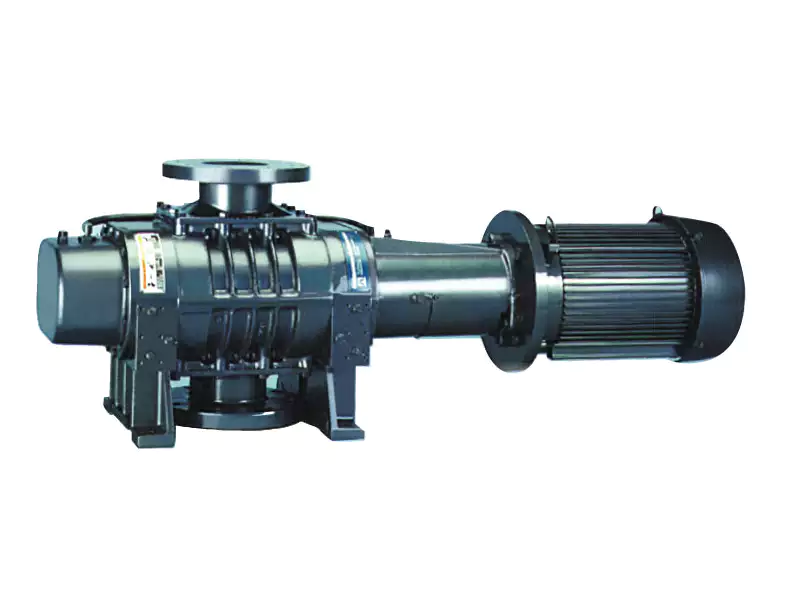
What Is the Role of Vacuum Pumps in Semiconductor Manufacturing?
Vacuum pumps play a critical role in semiconductor manufacturing processes. Here’s a detailed explanation:
Semiconductor manufacturing involves the production of integrated circuits (ICs) and other semiconductor devices used in various electronic applications. Vacuum pumps are used extensively throughout the semiconductor manufacturing process to create and maintain the required vacuum conditions for specific manufacturing steps.
Here are some key roles of vacuum pumps in semiconductor manufacturing:
1. Deposition Processes: Vacuum pumps are used in deposition processes such as physical vapor deposition (PVD) and chemical vapor deposition (CVD). These processes involve depositing thin films of materials onto semiconductor wafers to create various layers and patterns. Vacuum pumps help create a low-pressure environment necessary for precise control of the deposition process, ensuring uniform and high-quality film formation.
2. Etching and Cleaning: Vacuum pumps are utilized in etching and cleaning processes, which involve the removal of specific layers or contaminants from semiconductor wafers. Dry etching techniques, such as plasma etching and reactive ion etching, require a vacuum environment to facilitate the ionization and removal of material. Vacuum pumps aid in creating the necessary low-pressure conditions for efficient etching and cleaning processes.
3. Ion Implantation: Ion implantation is a process used to introduce impurities into specific regions of a semiconductor wafer to modify its electrical properties. Vacuum pumps are used to evacuate the ion implantation chamber, creating the required vacuum environment for accurate and controlled ion beam acceleration and implantation.
4. Wafer Handling and Transfer: Vacuum pumps are employed in wafer handling and transfer systems. These systems utilize vacuum suction to securely hold and manipulate semiconductor wafers during various manufacturing steps, such as loading and unloading from process chambers, robotic transfer between tools, and wafer alignment.
5. Load Lock Systems: Load lock systems are used to transfer semiconductor wafers between atmospheric conditions and the vacuum environment of process chambers. Vacuum pumps are integral components of load lock systems, creating and maintaining the vacuum conditions necessary for wafer transfer while minimizing contamination risks.
6. Metrology and Inspection: Vacuum pumps are utilized in metrology and inspection tools used for characterizing semiconductor devices. These tools, such as scanning electron microscopes (SEMs) and focused ion beam (FIB) systems, often operate in a vacuum environment to enable high-resolution imaging and accurate analysis of semiconductor structures and defects.
7. Leak Detection: Vacuum pumps are employed in leak detection systems to identify and locate leaks in vacuum chambers, process lines, and other components. These systems rely on vacuum pumps to evacuate the system and then monitor for any pressure rise, indicating the presence of leaks.
8. Cleanroom Environment Control: Semiconductor manufacturing facilities maintain cleanroom environments to prevent contamination during the fabrication process. Vacuum pumps are used in the design and operation of the cleanroom ventilation and filtration systems, helping to maintain the required air cleanliness levels by removing particulates and maintaining controlled air pressure differentials.
Vacuum pumps used in semiconductor manufacturing processes are often specialized to meet the stringent requirements of the industry. They need to provide high vacuum levels, precise control, low contamination levels, and reliability for continuous operation.
Overall, vacuum pumps are indispensable in semiconductor manufacturing, enabling the creation of the necessary vacuum conditions for various processes, ensuring the production of high-quality semiconductor devices.
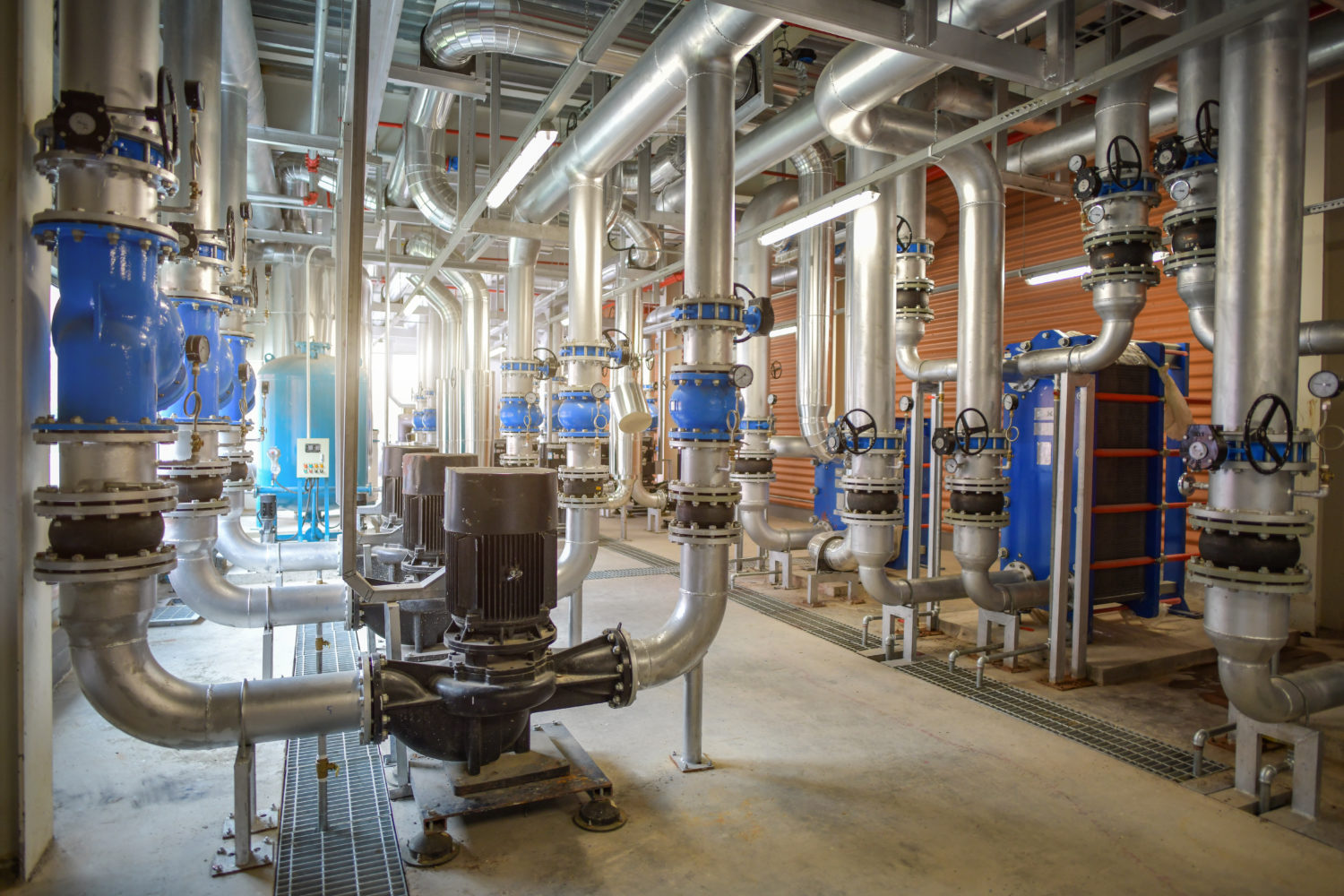
Can Vacuum Pumps Be Used for Leak Detection?
Yes, vacuum pumps can be used for leak detection purposes. Here’s a detailed explanation:
Leak detection is a critical task in various industries, including manufacturing, automotive, aerospace, and HVAC. It involves identifying and locating leaks in a system or component that may result in the loss of fluids, gases, or pressure. Vacuum pumps can play a significant role in leak detection processes by creating a low-pressure environment and facilitating the detection of leaks through various methods.
Here are some ways in which vacuum pumps can be used for leak detection:
1. Vacuum Decay Method: The vacuum decay method is a common technique used for leak detection. It involves creating a vacuum in a sealed system or component using a vacuum pump and monitoring the pressure change over time. If there is a leak present, the pressure will gradually increase due to the ingress of air or gas. By measuring the rate of pressure rise, the location and size of the leak can be estimated. Vacuum pumps are used to evacuate the system and establish the initial vacuum required for the test.
2. Bubble Testing: Bubble testing is a simple and visual method for detecting leaks. In this method, the component or system being tested is pressurized with a gas, and then immersed in a liquid, typically soapy water. If there is a leak, the gas escaping from the component will form bubbles in the liquid, indicating the presence and location of the leak. Vacuum pumps can be used to create a pressure differential that forces gas out of the leak, making it easier to detect the bubbles.
3. Helium Leak Detection: Helium leak detection is a highly sensitive method used to locate extremely small leaks. Helium, being a small atom, can easily penetrate small openings and leaks. In this method, the system or component is pressurized with helium gas, and a vacuum pump is used to evacuate the surrounding area. A helium leak detector is then used to sniff or scan the area for the presence of helium, indicating the location of the leak. Vacuum pumps are essential for creating the low-pressure environment required for this method and ensuring accurate detection.
4. Pressure Change Testing: Vacuum pumps can also be used in pressure change testing for leak detection. This method involves pressurizing a system or component and then isolating it from the pressure source. The pressure is monitored over time, and any significant pressure drop indicates the presence of a leak. Vacuum pumps can be used to evacuate the system after pressurization, returning it to atmospheric pressure for comparison or retesting.
5. Mass Spectrometer Leak Detection: Mass spectrometer leak detection is a highly sensitive and precise method used to identify and quantify leaks. It involves introducing a tracer gas, usually helium, into the system or component being tested. A vacuum pump is used to evacuate the surrounding area, and a mass spectrometer is employed to analyze the gas samples for the presence of the tracer gas. This method allows for accurate detection and quantification of leaks down to very low levels. Vacuum pumps are crucial for creating the necessary vacuum conditions and ensuring reliable results.
In summary, vacuum pumps can be effectively used for leak detection purposes. They facilitate various leak detection methods such as vacuum decay, bubble testing, helium leak detection, pressure change testing, and mass spectrometer leak detection. Vacuum pumps create the required low-pressure environment, assist in evacuating the system or component being tested, and enable accurate and reliable leak detection. The choice of vacuum pump depends on the specific requirements of the leak detection method and the sensitivity needed for the application.
Can Vacuum Pumps Be Used in the Medical Field?
Yes, vacuum pumps have a wide range of applications in the medical field. Here’s a detailed explanation:
Vacuum pumps play a crucial role in various medical applications, providing suction or creating controlled vacuum environments. Here are some key areas where vacuum pumps are used in the medical field:
1. Negative Pressure Wound Therapy (NPWT):
Vacuum pumps are extensively utilized in negative pressure wound therapy, a technique used to promote wound healing. In NPWT, a vacuum pump creates a controlled low-pressure environment within a wound dressing, facilitating the removal of excess fluid, promoting blood flow, and accelerating the healing process.
2. Surgical Suction:
Vacuum pumps are an integral part of surgical suction systems. They provide the necessary suction force to remove fluids, gases, or debris from the surgical site during procedures. Surgical suction helps maintain a clear field of view for surgeons, enhances tissue visualization, and contributes to a sterile operating environment.
3. Anesthesia:
In anesthesia machines, vacuum pumps are used to create suction for various purposes:
– Airway Suction: Vacuum pumps assist in airway suctioning to clear secretions or obstructions from the patient’s airway during anesthesia or emergency situations.
– Evacuation of Gases: Vacuum pumps aid in removing exhaled gases from the patient’s breathing circuit, ensuring the delivery of fresh gas mixtures and maintaining appropriate anesthesia levels.
4. Laboratory Equipment:
Vacuum pumps are essential components in various medical laboratory equipment:
– Vacuum Ovens: Vacuum pumps are used in vacuum drying ovens, which are utilized for controlled drying or heat treatment of sensitive materials, samples, or laboratory glassware.
– Centrifugal Concentrators: Vacuum pumps are employed in centrifugal concentrators to facilitate the concentration or dehydration of biological samples, such as DNA, proteins, or viruses.
– Freeze Dryers: Vacuum pumps play a vital role in freeze-drying processes, where samples are frozen and then subjected to vacuum conditions to remove water via sublimation, preserving the sample’s structure and integrity.
5. Medical Suction Devices:
Vacuum pumps are utilized in standalone medical suction devices, commonly found in hospitals, clinics, and emergency settings. These devices create suction required for various medical procedures, including:
– Suctioning of Respiratory Secretions: Vacuum pumps assist in removing respiratory secretions or excess fluids from the airways of patients who have difficulty coughing or clearing their airways effectively.
– Thoracic Drainage: Vacuum pumps are used in chest drainage systems to evacuate air or fluid from the pleural cavity, helping in the treatment of conditions such as pneumothorax or pleural effusion.
– Obstetrics and Gynecology: Vacuum pumps are employed in devices used for vacuum-assisted deliveries, such as vacuum extractors, to aid in the safe delivery of babies during childbirth.
6. Blood Collection and Processing:
Vacuum pumps are utilized in blood collection systems and blood processing equipment:
– Blood Collection Tubes: Vacuum pumps are responsible for creating the vacuum inside blood collection tubes, facilitating the collection of blood samples for diagnostic testing.
– Blood Separation and Centrifugation: In blood processing equipment, vacuum pumps assist in the separation of blood components, such as red blood cells, plasma, and platelets, for various medical procedures and treatments.
7. Medical Imaging:
Vacuum pumps are used in certain medical imaging techniques:
– Electron Microscopy: Electron microscopes, including scanning electron microscopes and transmission electron microscopes, require a vacuum environment for high-resolution imaging. Vacuum pumps are employed to maintain the necessary vacuum conditions within the microscope chambers.
These are just a few examples of the wide-ranging applications of vacuum pumps in the medical field. Their ability to create suction and controlled vacuum environments makes them indispensable in medical procedures, wound healing, laboratory processes, anesthesia, and various other medical applications.


editor by CX 2024-03-29