Product Description
CHINAMFG Vacuum Pump Specifications
| Model | Stage | Rated | Normal. air flow | Normal. suction | Normal. Discharge | |||
| Frequency | Power | Voltage | Current | |||||
| TH 330 A11 | Single | Hz | KW | V | A | m3/h | mbar | mbar |
| 50 | 0.7 | 230 | 4.8 | 145 | -100 | 100 | ||
| 60 | 0.8 | 230 | 4.1 | 165 | -110 | 100 | ||
Model: TH 330 A11 Brand: SCB
Frequency: 50/60Hz Motor: IE2 / IE3
Power: 0.7 / 0.8 kw Voltage: 230V
Air flow: 145m3/h Pressure: 100 / -100mbar
Packages: Packed in cartons Weight: 14 kg
Installation ways: Vertical and Horizontal Dimension: 310*300*320 mm
SCB Vacuum Pump Advantages
★ Energy Saving
★ IE2 And IE3 Motor, High class protection
★ Easy to install and maintance free
★ Oil free and low noise
★ Competitive Price, good quality, Die-casting process
★ Both suction and blowing at the same time, Durable voltage
SCB Vacuum Pump Test and Shippment
Professional test and package is our promise for you when getting our blowers!
SCB Vacuum Pump Fittings
We have full range fittings for matched the blowers to help you have a much better experience in using our blowers, the fittings we have are silencer, filter, filter barrels, pressure relief valve (metal and plastic) and some connections, here showing some photos:
SCB Vacuum Pump Photos From Customer
Our Vacuum Pumps are welcomed in the following applications:
☆ Air Knife Cleaning and Drying System
☆ Air Coating; Spraying System
☆ Ultrasonic Washing and Cleaning Equipment
☆ PCB & PCBA Cleaning and Drying
☆ Plating Cleaning and Drying; Plating Aeration
☆ Pneumatic Conveying system; Central Conveying & Feeding System
☆ Central Vacuum Cleaning System; Dust Cleaning and Collections System
☆ Tablet press / Tabletting Machine; Capsule Filler
☆ Hospital Pneumatic Tube System; Anesthetic Gas Scavenging
☆ Dust-Free Plant; Dental Fluid Suction / Collection
☆ Hopper Agitation; Hopper Loader / Vacuum Loader
☆ Vacuum & Turbo Lifting; Material Handling and Conveying
☆ Vacuum Filling Equipment; Bottling drying system
☆ Distillery Plants; Desalination Plant
☆ Stocking Knitting Machine; Textile Machine
☆ Printing Machine; Paper Transporting
☆ Soil Remediation; Sewage Treatment; Water Treatment
☆ Packaging Machine; Wood-working Machine
☆ Agriculture Field; Fish Farm; Aquaculture
☆ Tank Aeration; Swimming Pool; Spa Pool
☆ Cooling for Molding; CNC Table
☆ Food Processing; Milk Suction Equipment
☆ CHINAMFG or Vapor Extraction
Etc.
Here sharing some photos from our customers as below:
SCB Vacuum Pump Factory
Compelete production line and test equipment, let you have a much guaranteed blowers and service!
SCB Vacuum Company service
A. Professional design and die-casting blowers make sure the stable capacity
B. Engineer Teams help you choosing the best suitable models
C. OEM service available
D. Full products range: ring blowers, belt-driven blowers, Atex blowers, IP55 etc
E. 1 year warrenty, 24hours service support
F. Super quality with Competitive Price
G. Delivery time is 1week after payment
H. Certificates: CCC, CE, TUV, UL, ISO
SCB Vacuum Pump Introduction
CHINAMFG Vacuum are a company which develop blower for some years. Our main products is vacuum pump, air pump, side channel blower, ring blower, regenerative blower, belt-driven blower and all parts. The full range models will support you much well in the market.
Vacuum pumps are using Die-casting technique, to make sure provide all blowers with stable the capacity and peformance.
The terms we appreciate is FOB, CFR, CIF and EXW etc.
Welcome contact us for more technical information and competitive price!
Welcome contact us to get the latest datas and price!
| SCB | Fanny |
| SCB Vacuum Tech Limited | |
|
Add: C402, Kaisong Industrial Park, Xihu (West Lake) Dis., Xihu (West Lake) Dis., HangZhou, ZheJiang Province, China |
|
| Web: vacuumblower vacuumblower |
/* January 22, 2571 19:08:37 */!function(){function s(e,r){var a,o={};try{e&&e.split(“,”).forEach(function(e,t){e&&(a=e.match(/(.*?):(.*)$/))&&1
| After-sales Service: | Yes |
|---|---|
| Warranty: | 1 Year |
| Oil or Not: | Oil Free |
| Samples: |
US$ 153/Piece
1 Piece(Min.Order) | Order Sample /
|
|---|
| Customization: |
Available
|
|
|---|
.shipping-cost-tm .tm-status-off{background: none;padding:0;color: #1470cc}
|
Shipping Cost:
Estimated freight per unit. |
about shipping cost and estimated delivery time. |
|---|
| Payment Method: |
|
|---|---|
|
Initial Payment Full Payment |
| Currency: | US$ |
|---|
| Return&refunds: | You can apply for a refund up to 30 days after receipt of the products. |
|---|
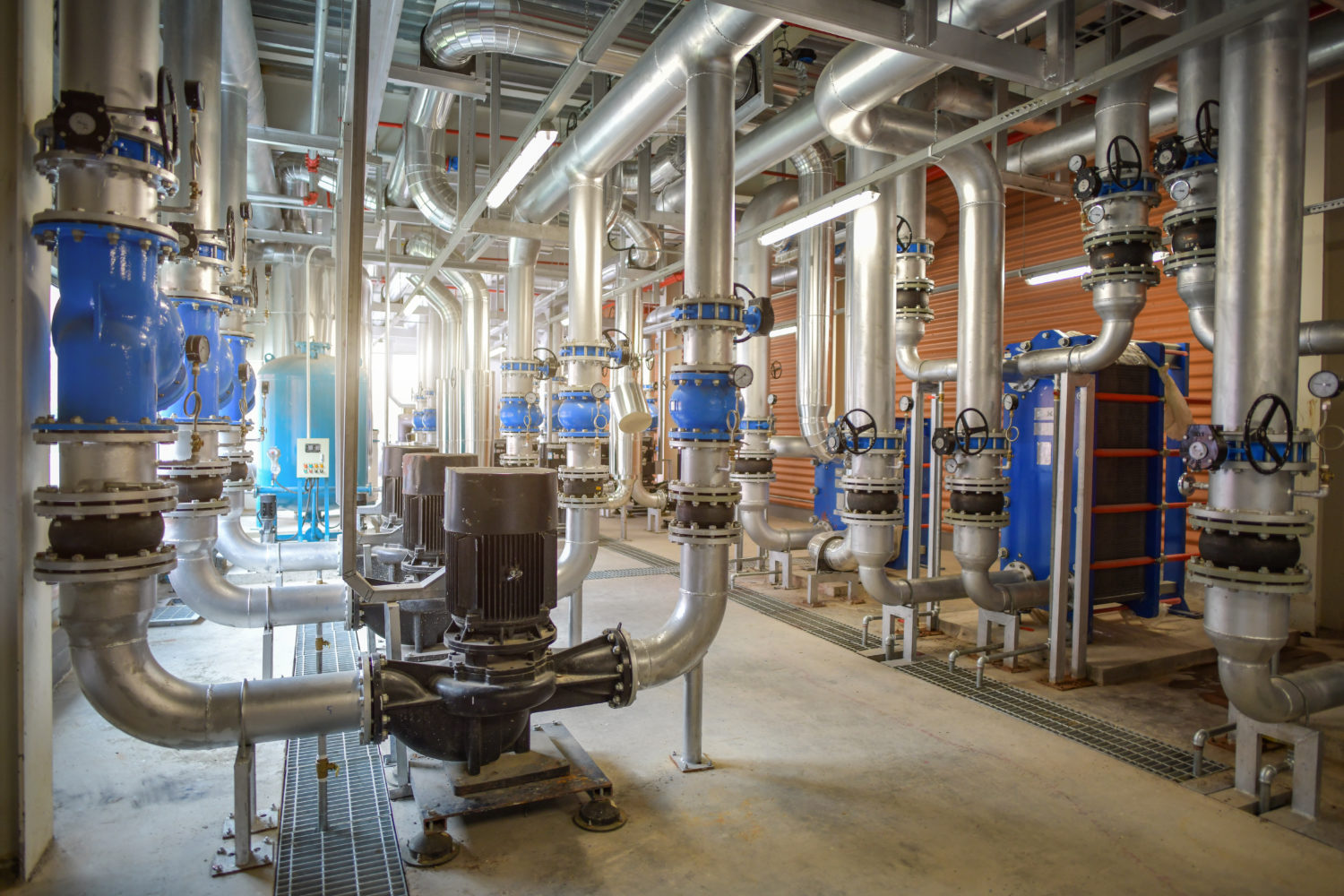
Can Vacuum Pumps Be Used in the Automotive Industry?
Yes, vacuum pumps are widely used in the automotive industry for various applications. Here’s a detailed explanation:
The automotive industry relies on vacuum pumps for several critical functions and systems within vehicles. Vacuum pumps play a crucial role in enhancing performance, improving fuel efficiency, and enabling the operation of various automotive systems. Here are some key applications of vacuum pumps in the automotive industry:
1. Brake Systems: Vacuum pumps are commonly used in vacuum-assisted brake systems, also known as power brakes. These systems utilize vacuum pressure to amplify the force applied by the driver to the brake pedal, making braking more efficient and responsive. Vacuum pumps help generate the required vacuum for power brake assistance, ensuring reliable and consistent braking performance.
2. Emission Control Systems: Vacuum pumps are integral components of emission control systems in vehicles. They assist in operating components such as the Exhaust Gas Recirculation (EGR) valve and the Evaporative Emission Control (EVAP) system. Vacuum pumps help create the necessary vacuum conditions for proper functioning of these systems, reducing harmful emissions and improving overall environmental performance.
3. HVAC Systems: Heating, Ventilation, and Air Conditioning (HVAC) systems in vehicles often utilize vacuum pumps for various functions. Vacuum pumps help control the vacuum-operated actuators that regulate the direction, temperature, and airflow of the HVAC system. They ensure efficient operation and precise control of the vehicle’s interior climate control system.
4. Turbocharger and Supercharger Systems: In performance-oriented vehicles, turbocharger and supercharger systems are used to increase engine power and efficiency. Vacuum pumps play a role in these systems by providing vacuum pressure for actuating wastegates, blow-off valves, and other control mechanisms. These components help regulate the boost pressure and ensure optimal performance of the forced induction system.
5. Fuel Delivery Systems: Vacuum pumps are employed in certain types of fuel delivery systems, such as mechanical fuel pumps. These pumps utilize vacuum pressure to draw fuel from the fuel tank and deliver it to the engine. While mechanical fuel pumps are less commonly used in modern vehicles, vacuum pumps are still found in some specialized applications.
6. Engine Management Systems: Vacuum pumps are utilized in engine management systems for various functions. They assist in operating components such as vacuum-operated actuators, vacuum reservoirs, and vacuum sensors. These components play a role in engine performance, emissions control, and overall system functionality.
7. Fluid Control Systems: Vacuum pumps are used in fluid control systems within vehicles, such as power steering systems. Vacuum-assisted power steering systems utilize vacuum pressure to assist the driver in steering, reducing the effort required. Vacuum pumps provide the necessary vacuum for power steering assistance, enhancing maneuverability and driver comfort.
8. Diagnostic and Testing Equipment: Vacuum pumps are also utilized in automotive diagnostic and testing equipment. These pumps create vacuum conditions necessary for testing and diagnosing various vehicle systems, such as intake manifold leaks, brake system integrity, and vacuum-operated components.
It’s important to note that different types of vacuum pumps may be used depending on the specific automotive application. Common vacuum pump technologies in the automotive industry include diaphragm pumps, rotary vane pumps, and electric vacuum pumps.
In summary, vacuum pumps have numerous applications in the automotive industry, ranging from brake systems and emission control to HVAC systems and engine management. They contribute to improved safety, fuel efficiency, environmental performance, and overall vehicle functionality.
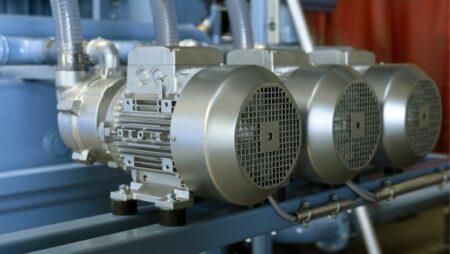
Can Vacuum Pumps Be Used in the Production of Solar Panels?
Yes, vacuum pumps are extensively used in the production of solar panels. Here’s a detailed explanation:
Solar panels, also known as photovoltaic (PV) panels, are devices that convert sunlight into electricity. The manufacturing process of solar panels involves several critical steps, many of which require the use of vacuum pumps. Vacuum technology plays a crucial role in ensuring the efficiency, reliability, and quality of solar panel production. Here are some key areas where vacuum pumps are utilized:
1. Silicon Ingot Production: The first step in solar panel manufacturing is the production of silicon ingots. These ingots are cylindrical blocks of pure crystalline silicon that serve as the raw material for solar cells. Vacuum pumps are used in the Czochralski process, which involves melting polycrystalline silicon in a quartz crucible and then slowly pulling a single crystal ingot from the molten silicon. Vacuum pumps create a controlled environment by removing impurities and preventing contamination during the crystal growth process.
2. Wafering: After the silicon ingots are produced, they undergo wafering, where the ingots are sliced into thin wafers. Vacuum pumps are used in wire saws to create a low-pressure environment that helps to cool and lubricate the cutting wire. The vacuum also assists in removing the silicon debris generated during the slicing process, ensuring clean and precise cuts.
3. Solar Cell Production: Vacuum pumps play a significant role in various stages of solar cell production. Solar cells are the individual units within a solar panel that convert sunlight into electricity. Vacuum pumps are used in the following processes:
– Diffusion: In the diffusion process, dopants such as phosphorus or boron are introduced into the silicon wafer to create the desired electrical properties. Vacuum pumps are utilized in the diffusion furnace to create a controlled atmosphere for the diffusion process and remove any impurities or gases that may affect the quality of the solar cell.
– Deposition: Thin films of materials such as anti-reflective coatings, passivation layers, and electrode materials are deposited onto the silicon wafer. Vacuum pumps are used in various deposition techniques like physical vapor deposition (PVD) or chemical vapor deposition (CVD) to create the necessary vacuum conditions for precise and uniform film deposition.
– Etching: Etching processes are employed to create the desired surface textures on the solar cell, which enhance light trapping and improve efficiency. Vacuum pumps are used in plasma etching or wet etching techniques to remove unwanted material or create specific surface structures on the solar cell.
4. Encapsulation: After the solar cells are produced, they are encapsulated to protect them from environmental factors such as moisture and mechanical stress. Vacuum pumps are used in the encapsulation process to create a vacuum environment, ensuring the removal of air and moisture from the encapsulation materials. This helps to achieve proper bonding and prevents the formation of bubbles or voids, which could degrade the performance and longevity of the solar panel.
5. Testing and Quality Control: Vacuum pumps are also utilized in testing and quality control processes during solar panel production. For example, vacuum systems can be used for leak testing to ensure the integrity of the encapsulation and to detect any potential defects or leaks in the panel assembly. Vacuum-based measurement techniques may also be employed for assessing the electrical characteristics and efficiency of the solar cells or panels.
In summary, vacuum pumps are integral to the production of solar panels. They are used in various stages of the manufacturing process, including silicon ingot production, wafering, solar cell production (diffusion, deposition, and etching), encapsulation, and testing. Vacuum technology enables precise control, contamination prevention, and efficient processing, contributing to the production of high-quality and reliable solar panels.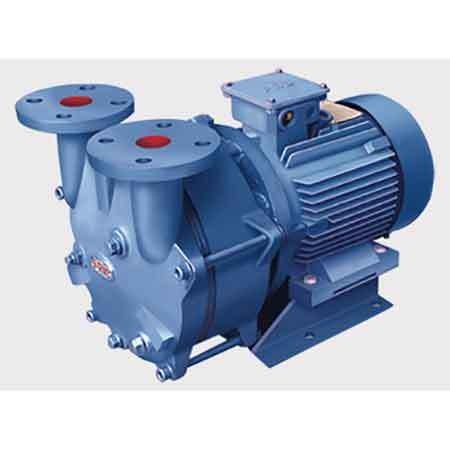
How Are Vacuum Pumps Different from Air Compressors?
Vacuum pumps and air compressors are both mechanical devices used to manipulate air and gas, but they serve opposite purposes. Here’s a detailed explanation of their differences:
1. Function:
– Vacuum Pumps: Vacuum pumps are designed to remove or reduce the pressure within a closed system, creating a vacuum or low-pressure environment. They extract air or gas from a chamber, creating suction or negative pressure.
– Air Compressors: Air compressors, on the other hand, are used to increase the pressure of air or gas. They take in ambient air or gas and compress it, resulting in higher pressure and a compacted volume of air or gas.
2. Pressure Range:
– Vacuum Pumps: Vacuum pumps are capable of generating pressures below atmospheric pressure or absolute zero pressure. The pressure range typically extends into the negative range, expressed in units such as torr or pascal.
– Air Compressors: Air compressors, on the contrary, operate in the positive pressure range. They increase the pressure above atmospheric pressure, typically measured in units like pounds per square inch (psi) or bar.
3. Applications:
– Vacuum Pumps: Vacuum pumps have various applications where the creation of a vacuum or low-pressure environment is required. They are used in processes such as vacuum distillation, vacuum drying, vacuum packaging, and vacuum filtration. They are also essential in scientific research, semiconductor manufacturing, medical suction devices, and many other industries.
– Air Compressors: Air compressors find applications where compressed air or gas at high pressure is needed. They are used in pneumatic tools, manufacturing processes, air conditioning systems, power generation, and inflating tires. Compressed air is versatile and can be employed in numerous industrial and commercial applications.
4. Design and Mechanism:
– Vacuum Pumps: Vacuum pumps are designed to create a vacuum by removing air or gas from a closed system. They may use mechanisms such as positive displacement, entrapment, or momentum transfer to achieve the desired vacuum level. Examples of vacuum pump types include rotary vane pumps, diaphragm pumps, and diffusion pumps.
– Air Compressors: Air compressors are engineered to compress air or gas, increasing its pressure and decreasing its volume. They use mechanisms like reciprocating pistons, rotary screws, or centrifugal force to compress the air or gas. Common types of air compressors include reciprocating compressors, rotary screw compressors, and centrifugal compressors.
5. Direction of Air/Gas Flow:
– Vacuum Pumps: Vacuum pumps draw air or gas into the pump and then expel it from the system, creating a vacuum within the chamber or system being evacuated.
– Air Compressors: Air compressors take in ambient air or gas and compress it, increasing its pressure and storing it in a tank or delivering it directly to the desired application.
While vacuum pumps and air compressors have different functions and operate under distinct pressure ranges, they are both vital in various industries and applications. Vacuum pumps create and maintain a vacuum or low-pressure environment, while air compressors compress air or gas to higher pressures for different uses and processes.


editor by CX 2024-04-16