Product Description
Product Description
Piston Oil Free Air Compressor Vacuum pump
OverviewSuoto piston vacuum pump is compact, light and attractive in design. It uses the big starting torque and is specially designed for low temperature environment. It is guaranteed start normally in winter’s low temperature. It is applicable to vacuum packaging, vacuum freezing, automobile reparation, gas analysis, medicine mechanism, printing mechanism and other vacuum evacuations.
This kind of pump is widely used in food packaging, scientific research, medical treatment, electronics, chemicals, medicine and laboratory of universities and colleges.
|
Technical Specifications |
|
|
Model |
HP-295 |
|
Voltage |
220V/50HZ; 110V/60HZ |
|
Free air displacement |
60L/min |
|
Ultimate Vacuum |
700mmHg |
|
Power |
325w |
|
Dimension |
250x110x180mm |
|
Using the environment |
5-40ºC |
|
Voltage resistance strength |
1600V/50HZ 1min No breakdown |
|
N.W. |
6.5KG |
Detailed Photos
Packaging & Shipping
Packing Details : One pump in One plywood case
Delivery Details : 30 days after order confirmation
Standard package without original wood, no fumigation needed.
Company Profile
ZheZheJiang oto Pump Industrial Co., Ltd. is a professional pump manufacturer integrating R&D, manufacturing, sales and service as a whole, which has been certified by ISO9001 international quality management system.
Located in Xihu (West Lake) Dis.a Industrial Park, ZheJiang , CZPT Pump Industrial possesses 2 manufacturing bases in ZheJiang and ZHangZhoug. Since our inception, CZPT Pump Industrial has been committed to the innovation and development of various pumps. Our leading products include self-priming trash pump, centrifugal pump, submersible pump, diaphragm pump, vacuum pump, diesel pump, fire pump, etc.
FAQ
Q: Can I chat with you online? What is your company official website?
Q: What type of company CZPT is?
A: CZPT is a manufacture and trading company, has factories in ZheJiang and ZHangZhoug, with export and import license.
Q: What kinds of pumps do you supply?
A: Our products including self-priming trash pump, centrifugal pump, diaphragm pump, submersible pump, chemical pump, oil pump, diesel pump, fire fighting pump, etc.
Q: What is your payment terms?
A: Alibaba Trade Assurance, Western Union, Paypal, T/T, L/C, etc.
Q: Can you provide OEM, ODM service?
A: Yes. We have factories in ZheJiang and ZHangZhoug, we can make products according to your requirements.
Q: Why should we buy from you?
A: We are committed to provide best quality products at minimum delivery time and competitive price. We believe this is what customer wants. We are satified until customers are.
Q: What is your warranty period?
A: We provide 1 year of unconditional warranty on our products for the manufacturing defects.
Q: What about delivery time?
A: Normally our production time is within 2 weeks. Please confirm before order.
| After-sales Service: | 1 Year |
|---|---|
| Warranty: | 1 Year |
| Acting Form: | Single-Acting |
| Type: | Centrifugal Pump |
| Displacement: | Variable Pump |
| Performance: | No Leak |
| Samples: |
US$ 120/Piece
1 Piece(Min.Order) | |
|---|
| Customization: |
Available
|
|
|---|
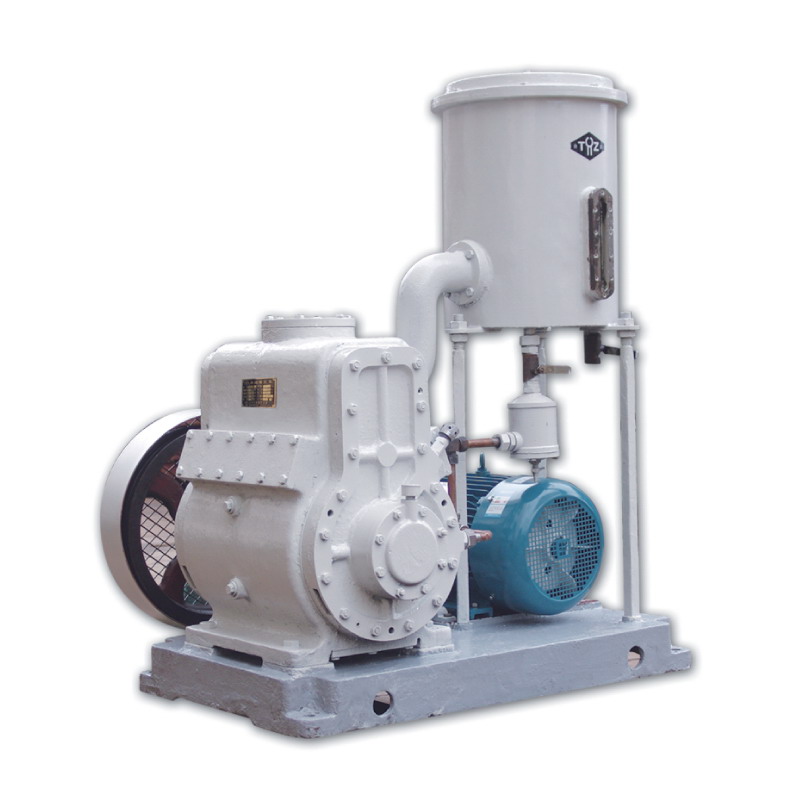
Can Piston Vacuum Pumps Create a Deep Vacuum?
Yes, piston vacuum pumps have the capability to create a deep vacuum. Here’s a detailed explanation:
Piston vacuum pumps are designed to generate and maintain a vacuum by using a reciprocating piston mechanism. They can achieve vacuum levels ranging from millitorr (10-3 Torr) to microns (10-6 Torr), which is considered a deep vacuum range.
When the piston moves downward during the suction stroke, it creates a vacuum within the cylinder. This allows gas or air from the system being evacuated to enter the cylinder. As the piston moves up during the compression stroke, the gas is expelled from the cylinder, reducing its volume and increasing its pressure. This cyclic process continues, gradually reducing the pressure within the system.
One of the factors that contribute to the ability of piston vacuum pumps to create a deep vacuum is the use of an airtight seal between the piston and cylinder walls. This seal prevents the gas from leaking back into the evacuated system, allowing the pump to maintain the desired vacuum level.
It’s important to note that the achievable vacuum level of a piston vacuum pump can depend on various factors, including the design of the pump, the materials used, the quality of the seals, and the operating conditions. Additionally, the flow rate of the pump may be lower compared to other types of vacuum pumps, as piston pumps are typically designed for applications that require low flow rates but high vacuum levels.
In summary, piston vacuum pumps can create a deep vacuum in the millitorr to micron range. With their reciprocating piston mechanism and airtight seals, they are capable of generating and maintaining a vacuum suitable for applications that require deep vacuum conditions.
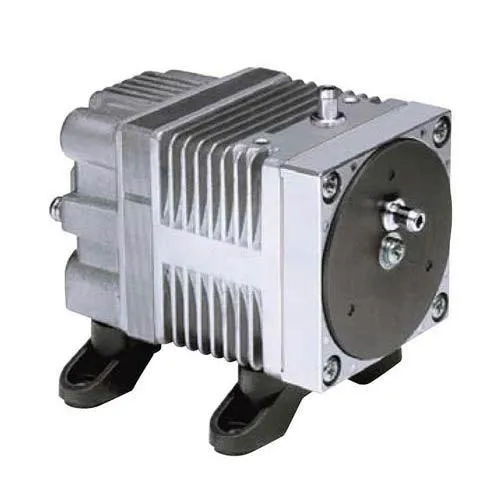
How Do You Troubleshoot Common Issues with Piston Vacuum Pumps?
Troubleshooting common issues with piston vacuum pumps involves a systematic approach to identify and resolve problems. Here’s a detailed explanation:
1. Insufficient Vacuum Level:
– If the vacuum level achieved by the piston pump is lower than expected:
– Check for leaks: Inspect all connections, seals, and fittings for any signs of leakage. Repair or replace any damaged components.
– Verify valve operation: Ensure that the valves in the pump are functioning correctly. Clean or replace any faulty valves that may be impeding the pump’s performance.
– Check for worn piston or cylinder: Examine the piston and cylinder for signs of wear. If necessary, replace these components to restore optimal vacuum performance.
2. Excessive Noise or Vibrations:
– If the piston pump is producing excessive noise or vibrations:
– Check for misalignment: Ensure that the pump is properly aligned with its drive mechanism. Adjust or realign as necessary.
– Inspect mounting and support: Examine the pump’s mounting and support structure to ensure it is stable and secure. Reinforce or repair any weak or damaged mounts.
– Verify lubrication: Adequate lubrication is crucial for smooth pump operation. Check the lubrication system and ensure it is supplying sufficient lubricant to all necessary components.
3. Overheating:
– If the piston pump is overheating:
– Check cooling system: Inspect the cooling system, including fans, heat exchangers, and cooling fins. Clean or replace any clogged or malfunctioning cooling components.
– Verify airflow: Ensure that there is proper airflow around the pump. Remove any obstructions or debris that may be impeding the flow of cooling air.
– Evaluate operating conditions: Examine the pump’s operating conditions, such as ambient temperature and duty cycle. Adjust these factors if necessary to prevent overheating.
4. Oil Contamination:
– If there is oil contamination in the vacuum system:
– Check oil seals: Inspect the seals in the pump for any signs of damage or wear. Replace any faulty seals that may be allowing oil leakage.
– Verify oil level and quality: Ensure that the pump’s oil level is correct and that the oil is clean and free from contaminants. Replace the oil if necessary.
– Evaluate oil mist separation: If the pump is equipped with oil mist separation mechanisms, verify their effectiveness. Clean or replace any filters or separators that may be compromised.
5. Insufficient Pumping Capacity:
– If the pump is unable to meet the required pumping capacity:
– Check for blockages: Inspect the intake and exhaust ports for any blockages or obstructions. Clear any debris or foreign objects that may be impeding the pump’s operation.
– Verify valve operation: Ensure that the valves are opening and closing properly. Clean or replace any valves that may be stuck or malfunctioning.
– Evaluate motor performance: Assess the motor driving the pump for any issues such as insufficient power or improper speed. Repair or replace the motor if necessary.
6. Manufacturer’s Guidelines:
– It’s important to consult the manufacturer’s guidelines and documentation for specific troubleshooting procedures and recommendations tailored to the particular piston vacuum pump model.
– Follow the manufacturer’s instructions for routine maintenance, inspections, and any specific troubleshooting steps provided.
In summary, troubleshooting common issues with piston vacuum pumps involves steps such as checking for leaks, verifying valve operation, inspecting for wear or misalignment, ensuring proper lubrication and cooling, addressing oil contamination, clearing blockages, and evaluating motor performance. Following the manufacturer’s guidelines and documentation is essential for accurate troubleshooting and resolving problems effectively.
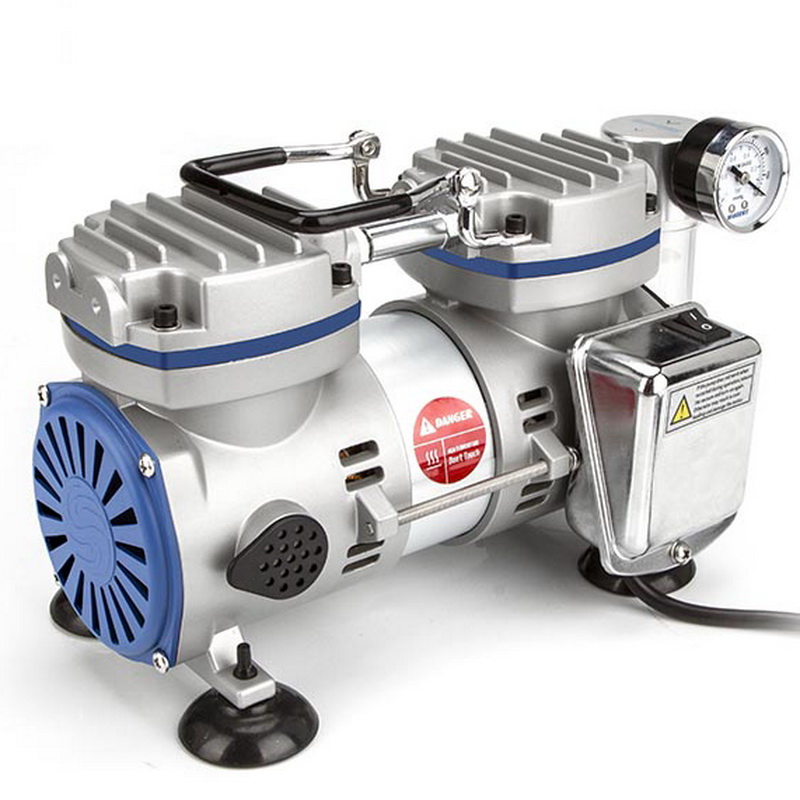
How Do You Maintain and Service a Piston Vacuum Pump?
Maintaining and servicing a piston vacuum pump is essential to ensure its optimal performance and longevity. Here’s a detailed explanation:
1. Regular Inspection:
– Perform regular visual inspections of the pump to check for any signs of damage, leaks, or wear.
– Inspect the seals, gaskets, and fittings for any cracks or deterioration.
– Ensure that all connections are tight and secure.
2. Oil Change:
– Piston vacuum pumps typically require regular oil changes to maintain proper lubrication and prevent contamination.
– Follow the manufacturer’s guidelines regarding the frequency of oil changes.
– Drain the old oil completely and replace it with the recommended oil type and quantity.
– Dispose of the used oil according to proper environmental regulations.
3. Filter Replacement:
– Many piston vacuum pumps have filters to prevent dust, particles, and contaminants from entering the pump.
– Check the filter regularly and replace it as needed to maintain proper airflow and prevent clogging.
4. Cleaning:
– Keep the exterior of the pump and its surrounding area clean and free from debris.
– Use a soft cloth or brush to remove any dust or dirt accumulation.
– Avoid using harsh chemicals or solvents that may damage the pump’s surfaces.
5. Seals and Gaskets:
– Inspect the seals and gaskets regularly and replace them if they show signs of wear or damage.
– Ensure that the seals provide a proper airtight seal to prevent leaks and maintain vacuum performance.
6. Cooling System:
– If the piston vacuum pump has a cooling system, monitor it regularly to ensure proper functioning.
– Clean or replace the cooling system components as recommended by the manufacturer.
7. Professional Maintenance:
– Consider scheduling professional maintenance and service at regular intervals, especially for more complex or critical applications.
– Professional technicians can perform in-depth inspections, conduct performance tests, and address any specific issues or concerns.
– They can also provide recommendations on optimizing the pump’s performance and extending its lifespan.
8. Manufacturer Guidelines:
– Always refer to the manufacturer’s maintenance and service guidelines specific to your piston vacuum pump model.
– Follow their recommendations regarding oil type, oil level, maintenance intervals, and any other specific instructions.
– Adhering to the manufacturer’s guidelines ensures proper operation and prevents voiding the warranty.
In summary, maintaining and servicing a piston vacuum pump involves regular inspection, oil changes, filter replacement, cleaning, checking seals and gaskets, monitoring the cooling system, and considering professional maintenance. Following the manufacturer’s guidelines is crucial for effective maintenance and to maximize the pump’s performance and lifespan.


editor by CX 2023-11-02