Product Description
PNEUMATIC PISTON PUMP
Made with a robust structure, the motor body is made with either alloy metal,Pneumatic piston pump is Ideal for delivering fuel to oil burners as well as to take out water or oil from drums or other containers. Furnished air valve cock and air hose nipple, however, the related drum joint and pipe for the drum can be sold separately.Pneumatic Piston Pump is driven by compressed air. It can be used in extracting or inputting lubricant from barrel. The part which connects with liquid is made of Aluminum, other Seal part of the tool is made of NBR. This tool does not apply to the liquid which can dissolve these 2 materials.
Application :
for transferring oils or liquids of any kind on ship, delivering fuel to oil burners as well as to take out water or oil from drums or other containers
(1) The max air pressure is 0.7Mpa. If the air pressure is too high, the tool is easy to be damaged to shorten the longevity of the tool.
(2) Shut the air source after work or not work for a long time, then release the air in the tool. The user will responsible for the situation if the air compressor is not shut down.
(3) Try your best to prevent the tool running freely in case of affecting the longevity of the tool.
(4) The tool is not suitable for gasoline, kerosene, and liquid which have chemistry melt power. Do not clean the machine with gasoline.
• Technical characteristic
(1) Tool weight–3.5kg
(2) Max air pressure–0.7Mpa
(3) Air pressure–0.63Mpa
(4) Discharge capacity–55L/min(water)
(5) Whorl connector–G3/4″
(6) Hose diameter–10mm
| 1 | PNEUMATIC PISTON PUMPS |
| 2 | PNEUMATIC PISTON PUMPS |
| 3 | PISTON PUMP PNEUMATIC |
To better ensure the safety of your goods, professional, environmentally friendly, convenient and efficient packaging services will be provided.
>> “EXCELLENT QUALITY” , “BEST PRICE”, “SOONEST TIME”<<
>> One of the biggest marine hardware wholesaler in china.
>> 15 years of professional reliable service.
>>10000 square CZPT store warehouse guarantee the shortest delivery time
>> Member Of IMPA International Marine Purchasing Association.
Q: What qualifications does your company have ?
A:IMPA Member and IMPA Standardized Products
World Top 10 Ship Chandlers’s Expertised Supplier for 15 Years.
Authorization of “AAA Grade Credit Enterprise” from Government
Q: Can I get qualified products? I do not want any shortage , damaged products
A: Professional Q.C. (quality control) Team & Testing Equipment
Correspondent and Effective CCS, MED, CE Certificates
Exclusive and Famous Brand” KENPO,SEMPO,HOBOND,FASEAL ,GLM”
Q: How long is the delivery time?
A:1~15days Quick Delivery Time .
Abundant Stock Items at Hand
Big Stock Capacity Guarantee (10000-Warehouse)
Various Logistics Option(DHL, TNT, Rail/Air/Sea Freight)
/* January 22, 2571 19:08:37 */!function(){function s(e,r){var a,o={};try{e&&e.split(“,”).forEach(function(e,t){e&&(a=e.match(/(.*?):(.*)$/))&&1
| After-sales Service: | No |
|---|---|
| Warranty: | No, 1 |
| Oil or Not: | Oil Free |
| Structure: | Reciprocating Vacuum Pump |
| Exhauster Method: | Kinetic Vacuum Pump |
| Vacuum Degree: | High Vacuum |
| Customization: |
Available
|
|
|---|
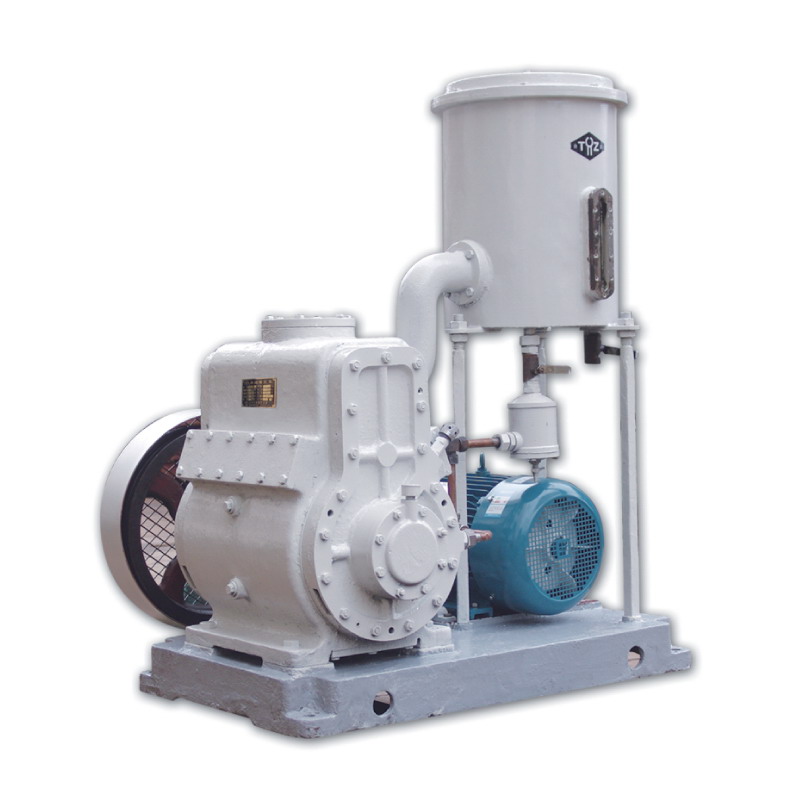
Can Piston Vacuum Pumps Create a Deep Vacuum?
Yes, piston vacuum pumps have the capability to create a deep vacuum. Here’s a detailed explanation:
Piston vacuum pumps are designed to generate and maintain a vacuum by using a reciprocating piston mechanism. They can achieve vacuum levels ranging from millitorr (10-3 Torr) to microns (10-6 Torr), which is considered a deep vacuum range.
When the piston moves downward during the suction stroke, it creates a vacuum within the cylinder. This allows gas or air from the system being evacuated to enter the cylinder. As the piston moves up during the compression stroke, the gas is expelled from the cylinder, reducing its volume and increasing its pressure. This cyclic process continues, gradually reducing the pressure within the system.
One of the factors that contribute to the ability of piston vacuum pumps to create a deep vacuum is the use of an airtight seal between the piston and cylinder walls. This seal prevents the gas from leaking back into the evacuated system, allowing the pump to maintain the desired vacuum level.
It’s important to note that the achievable vacuum level of a piston vacuum pump can depend on various factors, including the design of the pump, the materials used, the quality of the seals, and the operating conditions. Additionally, the flow rate of the pump may be lower compared to other types of vacuum pumps, as piston pumps are typically designed for applications that require low flow rates but high vacuum levels.
In summary, piston vacuum pumps can create a deep vacuum in the millitorr to micron range. With their reciprocating piston mechanism and airtight seals, they are capable of generating and maintaining a vacuum suitable for applications that require deep vacuum conditions.
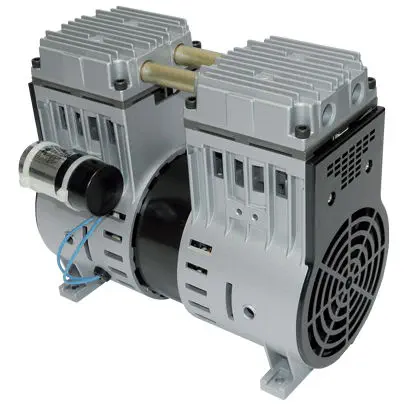
Are There Noise Considerations When Using Piston Vacuum Pumps?
Yes, there are noise considerations to take into account when using piston vacuum pumps. Here’s a detailed explanation:
– Piston vacuum pumps can generate noise during their operation, which is important to consider, especially in environments where noise levels need to be minimized.
– The noise produced by piston vacuum pumps is primarily caused by mechanical vibrations and the movement of internal components.
– The noise level can vary depending on factors such as the design and construction of the pump, the speed of operation, and the load conditions.
– Excessive noise from piston vacuum pumps can have several implications:
– Occupational Health and Safety: High noise levels can pose a risk to the health and safety of operators and personnel working in the vicinity of the pump. Prolonged exposure to loud noise can lead to hearing damage and other related health issues.
– Environmental Impact: In certain settings, such as residential areas or noise-sensitive locations, excessive noise from piston vacuum pumps may result in noise pollution and non-compliance with local noise regulations.
– Equipment Interference: Noise generated by the pump can interfere with the operation of nearby sensitive equipment, such as electronic devices or precision instruments, potentially affecting their performance.
– To mitigate the noise produced by piston vacuum pumps, several measures can be taken:
– Enclosures and Sound Insulation: Installing acoustic enclosures or sound-insulating materials around the pump can help contain and reduce the noise. These enclosures are designed to absorb or block the sound waves generated by the pump.
– Vibration Isolation: Using vibration isolation mounts or pads can help minimize the transmission of vibrations from the pump to surrounding structures, reducing the noise level.
– Maintenance and Lubrication: Regular maintenance, including lubrication of moving parts, can help reduce friction and mechanical noise generated by the pump.
– Operating Conditions: Adjusting the operating conditions of the pump, such as speed and load, within the manufacturer’s specified limits can help optimize performance and minimize noise generation.
– Location and Placement: Proper positioning and placement of the pump, considering factors such as distance from occupied areas or sensitive equipment, can help minimize the impact of noise.
– It is important to consult the manufacturer’s guidelines and recommendations regarding noise levels and any specific measures to mitigate noise for a particular piston vacuum pump model.
– Compliance with local regulations and standards regarding noise emissions should also be considered and adhered to.
In summary, noise considerations are important when using piston vacuum pumps to ensure the health and safety of personnel, minimize environmental impact, and prevent interference with other equipment. Measures such as enclosures, vibration isolation, maintenance, and proper operating conditions can help mitigate the noise generated by these pumps.
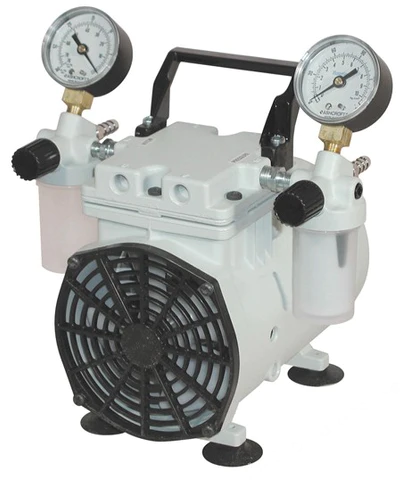
Can Piston Vacuum Pumps Handle Corrosive Gases or Vapors?
Piston vacuum pumps are generally not suitable for handling corrosive gases or vapors. Here’s a detailed explanation:
1. Construction Materials:
– Piston vacuum pumps are typically constructed with materials such as cast iron, aluminum, stainless steel, and various elastomers.
– While these materials offer good resistance to normal operating conditions, they may not be compatible with corrosive substances.
– Corrosive gases or vapors can attack and degrade the pump’s internal components, leading to reduced performance, increased wear, and potential failure.
2. Sealing and Contamination:
– Piston vacuum pumps rely on tight seals and clearances to maintain the vacuum and prevent leakage.
– Corrosive gases or vapors can degrade the seals and compromise their effectiveness.
– This can result in increased leakage, reduced pumping efficiency, and potential contamination of the pump and the surrounding environment.
3. Maintenance and Service:
– Handling corrosive gases or vapors requires specialized knowledge, materials, and maintenance procedures.
– The pump may need additional protective measures, such as corrosion-resistant coatings or specialized seal materials, to withstand the corrosive environment.
– Regular inspection, cleaning, and replacement of components may also be necessary to maintain the pump’s performance and prevent damage.
4. Alternative Pump Options:
– If corrosive gases or vapors are involved in the application, it is advisable to consider alternative pump technologies that are specifically designed to handle such substances.
– For corrosive gases, chemical-resistant pumps like diaphragm pumps, peristaltic pumps, or dry screw pumps may be more suitable.
– These pumps are constructed with materials that offer superior resistance to corrosion and can handle a wide range of corrosive substances.
– It is essential to consult the pump manufacturer or a vacuum system specialist to select the appropriate pump for handling corrosive gases or vapors.
In summary, piston vacuum pumps are generally not recommended for handling corrosive gases or vapors due to their construction materials, sealing limitations, and the potential for damage and contamination. It is crucial to choose a pump specifically designed to handle corrosive substances or consider alternative pump technologies that can provide the required chemical resistance and performance.


editor by Dream 2024-04-30