Product Description
SK-0.5 1.5KW liquid ring vacuum pump for medical and pharmaceutical industry
Applied industry:
autoclave; sterilization; foodstuff machinery; medicine package; disinfectant equipment; weaving; printing; dyeing; plastics,etc.
Models:SK-0.15; SK-0.2; SK-0.3; SK-0.5; SK-1.2; SK-1.5; SK-2
Motor power: from 0.55 KW-4 KW
Advantages:
1. Impeller is produced by our company, it’s material is alloy cooper,we also provide stainless steel material.
2. Inside pump cover, it has anti-fouling coat disposal
3. Use fluororubber mechanical seal to prevent corrosion
4. All product and motor has CE mark and motor is made by our company to ensure power and so it can perfectly match our model.
5. Factory audited by SGS and hole testing system controlled by micro-machine.
6. For quality problem, we guarantee to repair or replace within 1 year.
Company overview:
1986:established headquarter in ZHangZhoug, mainly produce vacuum pump SK series for medicine industry
1997:established a sales branch in ZheJiang
1998:research and develop SK-A,SK-D series for plastic industry
2007:establish foreign trade department and start foreign trade business
Main products:
Liquid ring vacuum pump:SK,SK-A,SK-D,2SK,2SK-B,2BEA,etc
Centrigugal pump: IZ(BL),etc
Rotary vane vacuum pump:2X,2XZ-B,VRD,XD,etc
Certificate:
CE;ISO9001:2000; ISO14001:2004;
| Warranty: | One Year |
|---|---|
| Oil or Not: | Oil Free |
| Structure: | Directly Connected Single Stage Liquid Ring Pump |
| Exhauster Method: | Positive Displacement Pump |
| Vacuum Degree: | Vacuum |
| Work Function: | Mainsuction Pump |
| Customization: |
Available
|
|
|---|
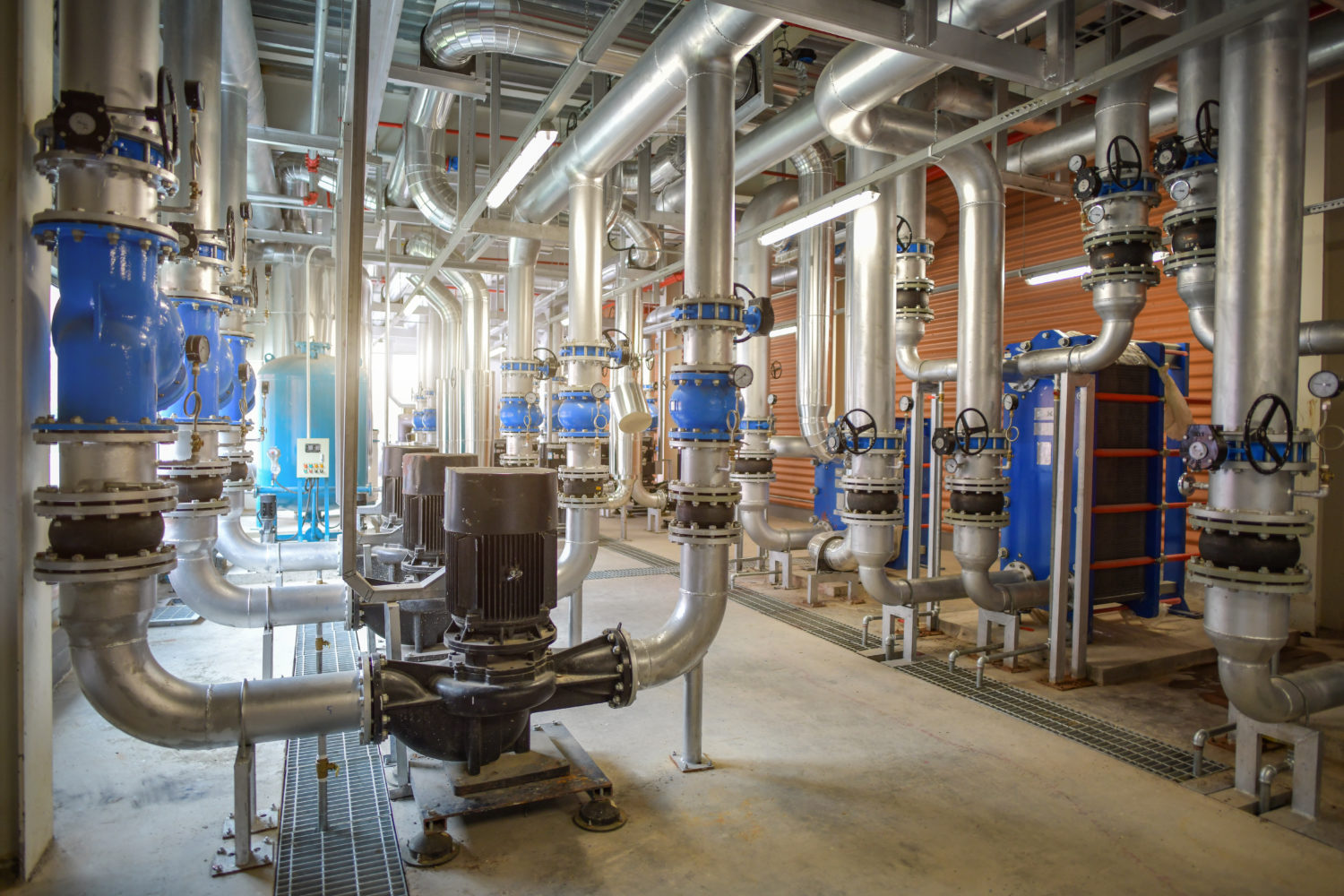
Can Vacuum Pumps Be Used in the Automotive Industry?
Yes, vacuum pumps are widely used in the automotive industry for various applications. Here’s a detailed explanation:
The automotive industry relies on vacuum pumps for several critical functions and systems within vehicles. Vacuum pumps play a crucial role in enhancing performance, improving fuel efficiency, and enabling the operation of various automotive systems. Here are some key applications of vacuum pumps in the automotive industry:
1. Brake Systems: Vacuum pumps are commonly used in vacuum-assisted brake systems, also known as power brakes. These systems utilize vacuum pressure to amplify the force applied by the driver to the brake pedal, making braking more efficient and responsive. Vacuum pumps help generate the required vacuum for power brake assistance, ensuring reliable and consistent braking performance.
2. Emission Control Systems: Vacuum pumps are integral components of emission control systems in vehicles. They assist in operating components such as the Exhaust Gas Recirculation (EGR) valve and the Evaporative Emission Control (EVAP) system. Vacuum pumps help create the necessary vacuum conditions for proper functioning of these systems, reducing harmful emissions and improving overall environmental performance.
3. HVAC Systems: Heating, Ventilation, and Air Conditioning (HVAC) systems in vehicles often utilize vacuum pumps for various functions. Vacuum pumps help control the vacuum-operated actuators that regulate the direction, temperature, and airflow of the HVAC system. They ensure efficient operation and precise control of the vehicle’s interior climate control system.
4. Turbocharger and Supercharger Systems: In performance-oriented vehicles, turbocharger and supercharger systems are used to increase engine power and efficiency. Vacuum pumps play a role in these systems by providing vacuum pressure for actuating wastegates, blow-off valves, and other control mechanisms. These components help regulate the boost pressure and ensure optimal performance of the forced induction system.
5. Fuel Delivery Systems: Vacuum pumps are employed in certain types of fuel delivery systems, such as mechanical fuel pumps. These pumps utilize vacuum pressure to draw fuel from the fuel tank and deliver it to the engine. While mechanical fuel pumps are less commonly used in modern vehicles, vacuum pumps are still found in some specialized applications.
6. Engine Management Systems: Vacuum pumps are utilized in engine management systems for various functions. They assist in operating components such as vacuum-operated actuators, vacuum reservoirs, and vacuum sensors. These components play a role in engine performance, emissions control, and overall system functionality.
7. Fluid Control Systems: Vacuum pumps are used in fluid control systems within vehicles, such as power steering systems. Vacuum-assisted power steering systems utilize vacuum pressure to assist the driver in steering, reducing the effort required. Vacuum pumps provide the necessary vacuum for power steering assistance, enhancing maneuverability and driver comfort.
8. Diagnostic and Testing Equipment: Vacuum pumps are also utilized in automotive diagnostic and testing equipment. These pumps create vacuum conditions necessary for testing and diagnosing various vehicle systems, such as intake manifold leaks, brake system integrity, and vacuum-operated components.
It’s important to note that different types of vacuum pumps may be used depending on the specific automotive application. Common vacuum pump technologies in the automotive industry include diaphragm pumps, rotary vane pumps, and electric vacuum pumps.
In summary, vacuum pumps have numerous applications in the automotive industry, ranging from brake systems and emission control to HVAC systems and engine management. They contribute to improved safety, fuel efficiency, environmental performance, and overall vehicle functionality.
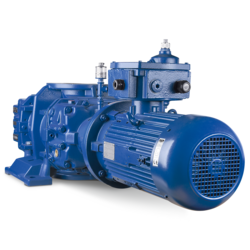
How Do Vacuum Pumps Contribute to Energy Savings?
Vacuum pumps play a significant role in energy savings in various industries and applications. Here’s a detailed explanation:
Vacuum pumps contribute to energy savings through several mechanisms and efficiencies. Some of the key ways in which vacuum pumps help conserve energy are:
1. Improved Process Efficiency: Vacuum pumps are often used to remove gases and create low-pressure or vacuum conditions in industrial processes. By reducing the pressure, vacuum pumps enable the removal of unwanted gases or vapors, improving the efficiency of the process. For example, in distillation or evaporation processes, vacuum pumps help lower the boiling points of liquids, allowing them to evaporate or distill at lower temperatures. This results in energy savings as less heat is required to achieve the desired separation or concentration.
2. Reduced Energy Consumption: Vacuum pumps are designed to operate efficiently and consume less energy compared to other types of equipment that perform similar functions. Modern vacuum pump designs incorporate advanced technologies, such as variable speed drives, energy-efficient motors, and optimized control systems. These features allow vacuum pumps to adjust their operation based on demand, reducing energy consumption during periods of lower process requirements. By consuming less energy, vacuum pumps contribute to overall energy savings in industrial operations.
3. Leak Detection and Reduction: Vacuum pumps are often used in leak detection processes to identify and locate leaks in systems or equipment. By creating a vacuum or low-pressure environment, vacuum pumps can assess the integrity of a system and identify any sources of leakage. Detecting and repairing leaks promptly helps prevent energy wastage associated with the loss of pressurized fluids or gases. By addressing leaks, vacuum pumps assist in reducing energy losses and improving the overall energy efficiency of the system.
4. Energy Recovery Systems: In some applications, vacuum pumps can be integrated into energy recovery systems. For instance, in certain manufacturing processes, the exhaust gases from vacuum pumps may contain heat or have the potential for energy recovery. By utilizing heat exchangers or other heat recovery systems, the thermal energy from the exhaust gases can be captured and reused to preheat incoming fluids or provide heat to other parts of the process. This energy recovery approach further enhances the overall energy efficiency by utilizing waste heat that would otherwise be lost.
5. System Optimization and Control: Vacuum pumps are often integrated into centralized vacuum systems that serve multiple processes or equipment. These systems allow for better control, monitoring, and optimization of the vacuum generation and distribution. By centralizing the vacuum production and employing intelligent control strategies, energy consumption can be optimized based on the specific process requirements. This ensures that vacuum pumps operate at the most efficient levels, resulting in energy savings.
6. Maintenance and Service: Proper maintenance and regular servicing of vacuum pumps are essential for their optimal performance and energy efficiency. Routine maintenance includes tasks such as cleaning, lubrication, and inspection of pump components. Well-maintained pumps operate more efficiently, reducing energy consumption. Additionally, prompt repair of any faulty parts or addressing performance issues helps maintain the pump’s efficiency and prevents energy waste.
In summary, vacuum pumps contribute to energy savings through improved process efficiency, reduced energy consumption, leak detection and reduction, integration with energy recovery systems, system optimization and control, as well as proper maintenance and service. By utilizing vacuum pumps efficiently and effectively, industries can minimize energy waste, optimize energy usage, and achieve significant energy savings in various applications and processes.
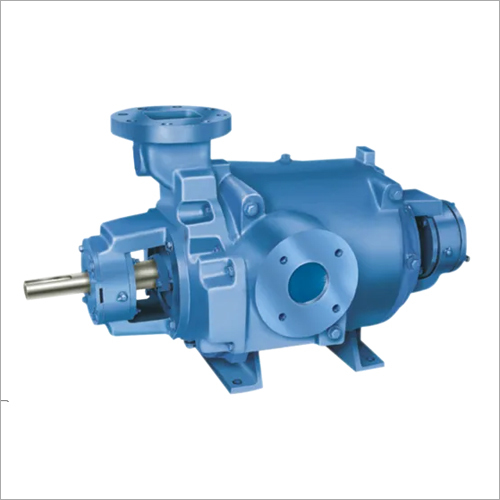
Are There Different Types of Vacuum Pumps Available?
Yes, there are various types of vacuum pumps available, each designed to suit specific applications and operating principles. Here’s a detailed explanation:
Vacuum pumps are classified based on their operating principles, mechanisms, and the type of vacuum they can generate. Some common types of vacuum pumps include:
1. Rotary Vane Vacuum Pumps:
– Description: Rotary vane pumps are positive displacement pumps that use rotating vanes to create a vacuum. The vanes slide in and out of slots in the pump rotor, trapping and compressing gas to create suction and generate a vacuum.
– Applications: Rotary vane vacuum pumps are widely used in applications requiring moderate vacuum levels, such as laboratory vacuum systems, packaging, refrigeration, and air conditioning.
2. Diaphragm Vacuum Pumps:
– Description: Diaphragm pumps use a flexible diaphragm that moves up and down to create a vacuum. The diaphragm separates the vacuum chamber from the driving mechanism, preventing contamination and oil-free operation.
– Applications: Diaphragm vacuum pumps are commonly used in laboratories, medical equipment, analysis instruments, and applications where oil-free or chemical-resistant vacuum is required.
3. Scroll Vacuum Pumps:
– Description: Scroll pumps have two spiral-shaped scrolls—one fixed and one orbiting—which create a series of moving crescent-shaped gas pockets. As the scrolls move, gas is continuously trapped and compressed, resulting in a vacuum.
– Applications: Scroll vacuum pumps are suitable for applications requiring a clean and dry vacuum, such as analytical instruments, vacuum drying, and vacuum coating.
4. Piston Vacuum Pumps:
– Description: Piston pumps use reciprocating pistons to create a vacuum by compressing gas and then releasing it through valves. They can achieve high vacuum levels but may require lubrication.
– Applications: Piston vacuum pumps are used in applications requiring high vacuum levels, such as vacuum furnaces, freeze drying, and semiconductor manufacturing.
5. Turbo Molecular Vacuum Pumps:
– Description: Turbo pumps use high-speed rotating blades or impellers to create a molecular flow, continuously pumping gas molecules out of the system. They typically require a backing pump to operate.
– Applications: Turbo molecular pumps are used in high vacuum applications, such as semiconductor fabrication, research laboratories, and mass spectrometry.
6. Diffusion Vacuum Pumps:
– Description: Diffusion pumps rely on the diffusion of gas molecules and their subsequent removal by a high-speed jet of vapor. They operate at high vacuum levels and require a backing pump.
– Applications: Diffusion pumps are commonly used in applications requiring high vacuum levels, such as vacuum metallurgy, space simulation chambers, and particle accelerators.
7. Cryogenic Vacuum Pumps:
– Description: Cryogenic pumps use extremely low temperatures to condense and capture gas molecules, creating a vacuum. They rely on cryogenic fluids, such as liquid nitrogen or helium, for operation.
– Applications: Cryogenic vacuum pumps are used in ultra-high vacuum applications, such as particle physics research, material science, and fusion reactors.
These are just a few examples of the different types of vacuum pumps available. Each type has its advantages, limitations, and suitability for specific applications. The choice of vacuum pump depends on factors like required vacuum level, gas compatibility, reliability, cost, and the specific needs of the application.


editor by CX 2023-12-11