Product Description
1/4HP CHINAMFG 5pa refrigeration vacuum pump VP125 1 stage Vacuum pump for air conditioner
Product Description
VP series CHINAMFG vacuum pump
(1) VP single stage rotary vane vacuum pumps are directly connected small pumps with outer
covers of aluminum alloy as the electical machinery.
(2)They are efficient in heat dissipation and can maintan a good performance for a long time
and their quality is very good.
(3) The pumps are advanced in stable functioning and low noise.
(4) This equipment is for acquiring rough vacuums and middle vacuums, and also is basic
equipment for acquiring the vacuum environment by evacuating gas from the enclosed container.
(5)It can be used alone, or it can serve as the backing pump and prepump of a roots pump, diffusionpump and molecular.
Feature
1.Environmental,lower energy consumption,no pollution–low noise,no oil leak and anti-suckback
2.Continuous working for 2,400 hours in free of trouble
Application:
1. Food industry, Vacuum packaging,
2. Vacuum freezing
3. Refrigerator
4.Medicinal technology
5. Air conditioning
Double Stage Vacuum Pump Parameter:
| Model | VP215 | VP225 | VP235 | VP245 | VP260 | VP280 | VP2100 | |
|
Flow Rate (cfm) |
220V/50Hz | 1.5CFM | 2.5CFM | 3.5CFM | 4.5CFM | 6CFM | 8CFM | 10CFM |
| 42L/min | 70L/min | 100L/min | 128L/min | 170L/min | 226L/min | 283L/min | ||
| 115V/60Hz | 1.8CFM | 3CFM | 4CFM | 5CFM | 7CFM | 9CFM | 12 CFM | |
| 50L/min | 84L/min | 114L/min | 142L/min | 198L/min | 254L/min | 340 L/min | ||
|
Actual Ultimate Vacuum |
3×10⁻¹Pa | 3×10⁻¹Pa | 3×10⁻¹Pa | 3×10⁻¹Pa | 3×10⁻¹Pa | 3×10⁻¹Pa | 3×10⁻¹Pa | |
| 25Microns | 25Microns | 25Microns | 25Microns | 25Microns | 25Microns | 25Microns | ||
| Power(HP) | 1/4 | 1/3 | 1/3 | 1/2 | 3/4 | 1 | 1 | |
|
Motor speed |
220V/50Hz | 2800 | 2800 | 1400 | 2800 | 1400 | 1400 | 1400 |
| (r / min) | 115V/60Hz | 3400 | 3400 | 1700 | 3400 | 1700 | 1700 | 1700 |
| Inlet Port | 1/4″ Flare | 1/4″ Flare | 1/4″ & 3/8″Flare |
1/4″ & 3/8″Flare |
1/4″ & 3/8″Flare |
1/4″ & 3/8″Flare |
1/4″ & 3/8″Flare |
|
|
Oil Capacity (ml) |
180 | 280 | 360 | 350 | 700 | 600 | 700 | |
|
Dimensions (mm) |
270x119x216 | 270x119x216 | 278x119x216 | 278x119x216 | 320x134x232 | 370x140x250 | 360x140x250 | |
| Weight(kg) | 6 | 7 | 11 | 11.8 | 15 | 15.5 | 16 |
|
Which plug you need?
Product Photos
Package
Carton: 2pcs/ctn
Size:335*330*290mm
Weight:13kg
Company Description:
FAQ:
1. Where is your company?
we are located in HangZhou, the capital city of ZheJiang Province, near to HangZhou, HangZhou & Hong Kong, very convenient for shipping.
2. How about the MOQ?
1 unit is ok.
3. Shipping methods and lead time?
By Express: 5-7 working days to your door (DHL, UPS, TNT, FedEx…).
By Air: 7-10 working days to your airport.
By Sea: Pls advise your port of destination, the exact days will be confirmed by our forwarders, and the following lead time is for your reference.
Europe and America (25 – 35 days), Asia (3-7 days), Australia ( 16-23 days).
4. What is the term of Payment?
T/T, L/C,Western Union, Paypal;
30% T/T in advance,70% before delivery.
5. What are your main products?
Compressor;
Refrigeration gas;
Refrigeration spare parts ;
Cold room panels and equipments .
6. Packaging & Shipping:
Packing: wooden pallet, wooden case or with outer carton, or as per customers’ specific requirements.
/* January 22, 2571 19:08:37 */!function(){function s(e,r){var a,o={};try{e&&e.split(“,”).forEach(function(e,t){e&&(a=e.match(/(.*?):(.*)$/))&&1
| Product Name: | Single Stage Vacuum Pump |
|---|---|
| Voltage: | 220V/50h |
| Frequance: | 50/60Hz |
| Motor Power: | 1/4HP |
| Flow Rate: | 2.5cfm/3cfm |
| Inlet Port: | 1/4" Flare |
| Samples: |
US$ 55/Piece
1 Piece(Min.Order) | |
|---|
| Customization: |
Available
|
|
|---|
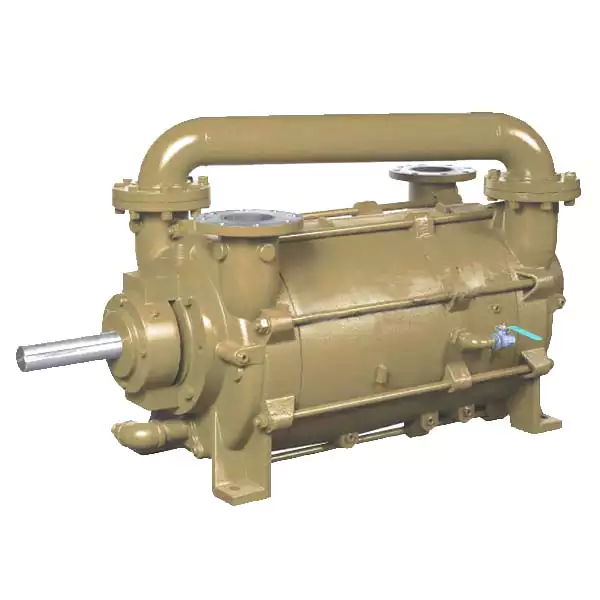
How Do You Maintain and Troubleshoot Vacuum Pumps?
Maintaining and troubleshooting vacuum pumps is essential to ensure their optimal performance and longevity. Here’s a detailed explanation:
Maintenance of Vacuum Pumps:
1. Regular Inspection: Perform regular visual inspections of the pump to check for any signs of damage, leaks, or abnormal wear. Inspect the motor, belts, couplings, and other components for proper alignment and condition.
2. Lubrication: Follow the manufacturer’s guidelines for lubrication. Some vacuum pumps require regular oil changes or lubrication of moving parts. Ensure that the correct type and amount of lubricant are used.
3. Oil Level Check: Monitor the oil level in oil-sealed pumps and maintain it within the recommended range. Add or replace oil as necessary, following the manufacturer’s instructions.
4. Filter Maintenance: Clean or replace filters regularly to prevent clogging and ensure proper airflow. Clogged filters can impair pump performance and increase energy consumption.
5. Cooling System: If the vacuum pump has a cooling system, inspect it regularly for cleanliness and proper functioning. Clean or replace cooling components as needed to prevent overheating.
6. Seals and Gaskets: Check the seals and gaskets for signs of wear or leakage. Replace any damaged or worn seals promptly to maintain airtightness.
7. Valve Maintenance: If the vacuum pump includes valves, inspect and clean them regularly to ensure proper operation and prevent blockages.
8. Vibration and Noise: Monitor the pump for excessive vibration or unusual noise, which may indicate misalignment, worn bearings, or other mechanical issues. Address these issues promptly to prevent further damage.
Troubleshooting Vacuum Pump Problems:
1. Insufficient Vacuum Level: If the pump is not achieving the desired vacuum level, check for leaks in the system, improper sealing, or worn-out seals. Inspect valves, connections, and seals for leaks and repair or replace as needed.
2. Poor Performance: If the pump is not providing adequate performance, check for clogged filters, insufficient lubrication, or worn-out components. Clean or replace filters, ensure proper lubrication, and replace worn parts as necessary.
3. Overheating: If the pump is overheating, check the cooling system for blockages or insufficient airflow. Clean or replace cooling components and ensure proper ventilation around the pump.
4. Excessive Noise or Vibration: Excessive noise or vibration may indicate misalignment, worn bearings, or other mechanical issues. Inspect and repair or replace damaged or worn parts. Ensure proper alignment and balance of rotating components.
5. Motor Issues: If the pump motor fails to start or operates erratically, check the power supply, electrical connections, and motor components. Test the motor using appropriate electrical testing equipment and consult an electrician or motor specialist if necessary.
6. Excessive Oil Consumption: If the pump is consuming oil at a high rate, check for leaks or other issues that may be causing oil loss. Inspect seals, gaskets, and connections for leaks and repair as needed.
7. Abnormal Odors: Unusual odors, such as a burning smell, may indicate overheating or other mechanical problems. Address the issue promptly and consult a technician if necessary.
8. Manufacturer Guidelines: Always refer to the manufacturer’s guidelines and recommendations for maintenance and troubleshooting specific to your vacuum pump model. Follow the prescribed maintenance schedule and seek professional assistance when needed.
By following proper maintenance procedures and promptly addressing any troubleshooting issues, you can ensure the reliable operation and longevity of your vacuum pump.
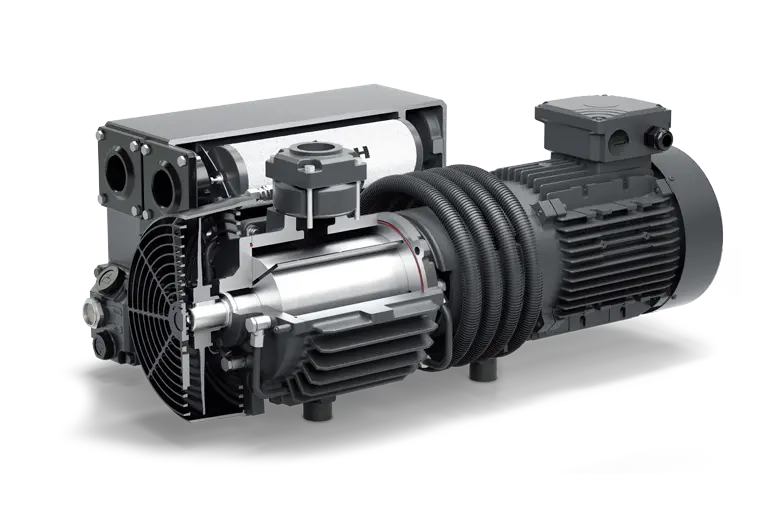
How Do Vacuum Pumps Impact the Quality of 3D Printing?
Vacuum pumps play a significant role in improving the quality and performance of 3D printing processes. Here’s a detailed explanation:
3D printing, also known as additive manufacturing, is a process of creating three-dimensional objects by depositing successive layers of material. Vacuum pumps are utilized in various aspects of 3D printing to enhance the overall quality, accuracy, and reliability of printed parts. Here are some key ways in which vacuum pumps impact 3D printing:
1. Material Handling and Filtration: Vacuum pumps are used in 3D printing systems to handle and control the flow of materials. They create the necessary suction force to transport powdered materials, such as polymers or metal powders, from storage containers to the printing chamber. Vacuum systems also assist in filtering and removing unwanted particles or impurities from the material, ensuring the purity and consistency of the feedstock. This helps to prevent clogging or contamination issues during the printing process.
2. Build Plate Adhesion: Proper adhesion of the printed object to the build plate is crucial for achieving dimensional accuracy and preventing warping or detachment during the printing process. Vacuum pumps are employed to create a vacuum environment or suction force that securely holds the build plate and ensures firm adhesion between the first layer of the printed object and the build surface. This promotes stability and minimizes the risk of layer shifting or deformation during the printing process.
3. Material Drying: Many 3D printing materials, such as filament or powdered polymers, can absorb moisture from the surrounding environment. Moisture-contaminated materials can lead to poor print quality, reduced mechanical properties, or defects in the printed parts. Vacuum pumps with integrated drying capabilities can be employed to create a low-pressure environment, effectively removing moisture from the materials before they are used in the printing process. This ensures the dryness and quality of the materials, resulting in improved print outcomes.
4. Resin Handling in Stereolithography (SLA): In SLA 3D printing, a liquid resin is selectively cured using light sources to create the desired object. Vacuum pumps are utilized to facilitate the resin handling process. They can be employed to degas or remove air bubbles from the liquid resin, ensuring a smooth and bubble-free flow during material dispensing. This helps to prevent defects and imperfections caused by trapped air or bubbles in the final printed part.
5. Enclosure Pressure Control: Some 3D printing processes, such as selective laser sintering (SLS) or binder jetting, require the printing chamber to be maintained at a specific pressure or controlled atmosphere. Vacuum pumps are used to create a controlled low-pressure or vacuum environment within the printing chamber, enabling precise pressure regulation and maintaining the desired conditions for optimal printing results. This control over the printing environment helps to prevent oxidation, improve material flow, and enhance the quality and consistency of printed parts.
6. Post-Processing and Cleaning: Vacuum pumps can also aid in post-processing steps and cleaning of 3D printed parts. For instance, in processes like support material removal or surface finishing, vacuum systems can assist in the removal of residual support structures or excess powder from printed objects. They can also be employed in vacuum-based cleaning methods, such as vapor smoothing, to achieve smoother surface finishes and enhance the aesthetics of the printed parts.
7. System Maintenance and Filtration: Vacuum pumps used in 3D printing systems require regular maintenance and proper filtration to ensure their efficient and reliable operation. Effective filtration systems within the vacuum pumps help to remove any contaminants or particles generated during printing, preventing their circulation and potential deposition on the printed parts. This helps to maintain the cleanliness of the printing environment and minimize the risk of defects or impurities in the final printed objects.
In summary, vacuum pumps have a significant impact on the quality of 3D printing. They contribute to material handling and filtration, build plate adhesion, material drying, resin handling in SLA, enclosure pressure control, post-processing and cleaning, as well as system maintenance and filtration. By utilizing vacuum pumps in these critical areas, 3D printing processes can achieve improved accuracy, dimensional stability, material quality, and overall print quality.
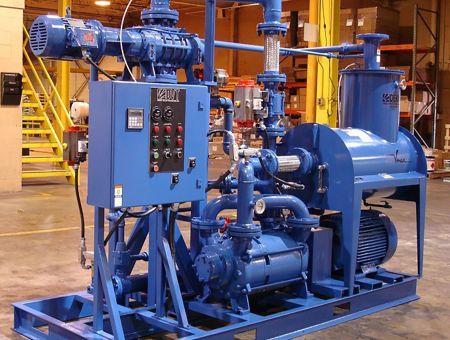
Can Vacuum Pumps Be Used in Laboratories?
Yes, vacuum pumps are extensively used in laboratories for a wide range of applications. Here’s a detailed explanation:
Vacuum pumps are essential tools in laboratory settings as they enable scientists and researchers to create and control vacuum or low-pressure environments. These controlled conditions are crucial for various scientific processes and experiments. Here are some key reasons why vacuum pumps are used in laboratories:
1. Evaporation and Distillation: Vacuum pumps are frequently used in laboratory evaporation and distillation processes. By creating a vacuum, they lower the boiling point of liquids, allowing for gentler and more controlled evaporation. This is particularly useful for heat-sensitive substances or when precise control over the evaporation process is required.
2. Filtration: Vacuum filtration is a common technique in laboratories for separating solids from liquids or gases. Vacuum pumps create suction, which helps draw the liquid or gas through the filter, leaving the solid particles behind. This method is widely used in processes such as sample preparation, microbiology, and analytical chemistry.
3. Freeze Drying: Vacuum pumps play a crucial role in freeze drying or lyophilization processes. Freeze drying involves removing moisture from a substance while it is in a frozen state, preserving its structure and properties. Vacuum pumps facilitate the sublimation of frozen water directly into vapor, resulting in the removal of moisture under low-pressure conditions.
4. Vacuum Ovens and Chambers: Vacuum pumps are used in conjunction with vacuum ovens and chambers to create controlled low-pressure environments for various applications. Vacuum ovens are used for drying heat-sensitive materials, removing solvents, or conducting reactions under reduced pressure. Vacuum chambers are utilized for testing components under simulated space or high-altitude conditions, degassing materials, or studying vacuum-related phenomena.
5. Analytical Instruments: Many laboratory analytical instruments rely on vacuum pumps to function properly. For example, mass spectrometers, electron microscopes, surface analysis equipment, and other analytical instruments often require vacuum conditions to maintain sample integrity and achieve accurate results.
6. Chemistry and Material Science: Vacuum pumps are employed in numerous chemical and material science experiments. They are used for degassing samples, creating controlled atmospheres, conducting reactions under reduced pressure, or studying gas-phase reactions. Vacuum pumps are also used in thin film deposition techniques like physical vapor deposition (PVD) and chemical vapor deposition (CVD).
7. Vacuum Systems for Experiments: In scientific research, vacuum systems are often designed and constructed for specific experiments or applications. These systems can include multiple vacuum pumps, valves, and chambers to create specialized vacuum environments tailored to the requirements of the experiment.
Overall, vacuum pumps are versatile tools that find extensive use in laboratories across various scientific disciplines. They enable researchers to control and manipulate vacuum or low-pressure conditions, facilitating a wide range of processes, experiments, and analyses. The choice of vacuum pump depends on factors such as required vacuum level, flow rate, chemical compatibility, and specific application needs.


editor by Dream 2024-04-30