Product Description
Product Description
YGR self-priming sewage pump is a new type of self-priming and sewage developed based on the structure and performance of ZX self-priming centrifugal pump, and the advantages of similar foreign products.Can like general water self-suction pump does not need to install bottom valve, water diversion, and suction contains large particle CHINAMFG diameter and fiber diameter of dirt, sediment, waste mineral impurities, feces treatment and all engineering sewage and rubber liquid, completely reduce human labor intensity, and convenient installation and use, little maintenance, performance reached the international advanced level, has a broad application market and development prospect.
Products advance:
1. Strong sewage discharge capacity: the special impeller anti-blocking design ensures that the pump is efficient and blockage-free.
2. High efficiency and energy saving: using an excellent hydraulic model, the efficiency is 3~5% higher than the general self-priming pump.
3. Good self-priming performance: the self-priming height is 1 meter higher than the general self-priming pump, and the self-priming time is shorter.product use:
ZW self-priming plug-free sewage pump is suitable for chemical, petroleum, pharmaceutical, mining, paper, fiber, slurry, textile, food, power plant and municipal sewage engineering, public facilities sewage, river and pond CHINAMFG and other industries.
Detailed Photos
Product Parameters
| Type | Flow (m3/h) |
Head (m) |
Power (kw) |
Rotating Speed(r/min) | Efficiency (%) | NPSH(m) | Self-suction height(m) | Self-suction time(min/5m) | Weight (kg) |
| YGR25ZW8-15 | 8 | 15 | 1.5 | 2900 | 45 | 2.0 | 5.5 | 3 | 100 |
| 32ZW10-20 | 10 | 20 | 2.2 | 2900 | 45 | 2.5 | 5.5 | 3 | 100 |
| 32ZW20-12 | 20 | 9 | 2.2 | 2900 | 48 | 2.5 | 5.5 | 3 | 120 |
| 40ZW10-20 | 10 | 20 | 2.2 | 2900 | 45 | 2.5 | 5.5 | 3 | 100 |
| 40ZW20-12 | 20 | 12 | 2.2 | 2900 | 45 | 2.5 | 5.5 | 3 | 100 |
| 40ZW15-30 | 15 | 30 | 3 | 2900 | 48 | 2.5 | 5.5 | 3 | 120 |
| 50ZW10-20 | 10 | 20 | 2.2 | 2900 | 45 | 2.5 | 5.5 | 3 | 100 |
| 50ZW20-12 | 20 | 12 | 2.2 | 2900 | 45 | 2.5 | 5.5 | 3 | 100 |
| 50ZW15-30 | 15 | 30 | 3 | 2900 | 48 | 2.5 | 5.5 | 3 | 120 |
| 50ZW20-35 | 20 | 35 | 5.5 | 2900 | 48 | 2.5 | 5.5 | 3 | 150 |
| 65ZW30-18 | 30 | 18 | 4 | 1450 | 45 | 2.5 | 5.5 | 3 | 200 |
| 65ZW20-30 | 20 | 30 | 5.5 | 2900 | 50 | 3.0 | 5.5 | 3 | 200 |
| 65ZW25-40 | 25 | 40 | 7.5 | 2900 | 50 | 3.0 | 5.5 | 2 | 200 |
| 65ZW30-50 | 30 | 50 | 11 | 2900 | 50 | 3.0 | 5.5 | 2 | 200 |
| 80ZW40-16 | 40 | 16 | 4 | 1450 | 50 | 3.0 | 5.0 | 3 | 240 |
| 80ZW40-25 | 40 | 25 | 7.5 | 1450 | 50 | 3.0 | 5.5 | 2 | 200 |
| 80ZW65-25 | 65 | 25 | 11 | 2900 | 52 | 3.0 | 5.5 | 2 | 240 |
| 80ZW80-35 | 80 | 35 | 15 | 2900 | 45 | 3.0 | 5.5 | 3 | 285 |
Packaging & Shipping
Wood case or naked in container
Company Profile
FAQ
1.Q: Are you trading company or manufacturer?
A:We are original equipment manufacturer.
2.Q: How long is your delivery time?
A:It is according to the model and quantity.Generally it is 3-5 days if the product are in stock.It will be 15-30 days if you want to customize the product.
3.Q: Do you provide samples? ls it free or extra?
A:Yes,we could offer you the sample.But it’s not free.
You need to pay for the sample and the cost of freight.
4.Q: What is your terms of payment?
A:We accept T/T, Western Union, Money Gram, Paypal, etc.
| After-sales Service: | 12 Months |
|---|---|
| Warranty: | 12 Months |
| Type: | Self-priming Pump With Outer Recirculation |
| Air Engine Type: | Diesel Engine |
| Theory: | Jet-flow |
| Transmission: | Direct Connection Transmission |
| Customization: |
Available
|
|
|---|
Can Vacuum Pumps Be Used in the Automotive Industry?
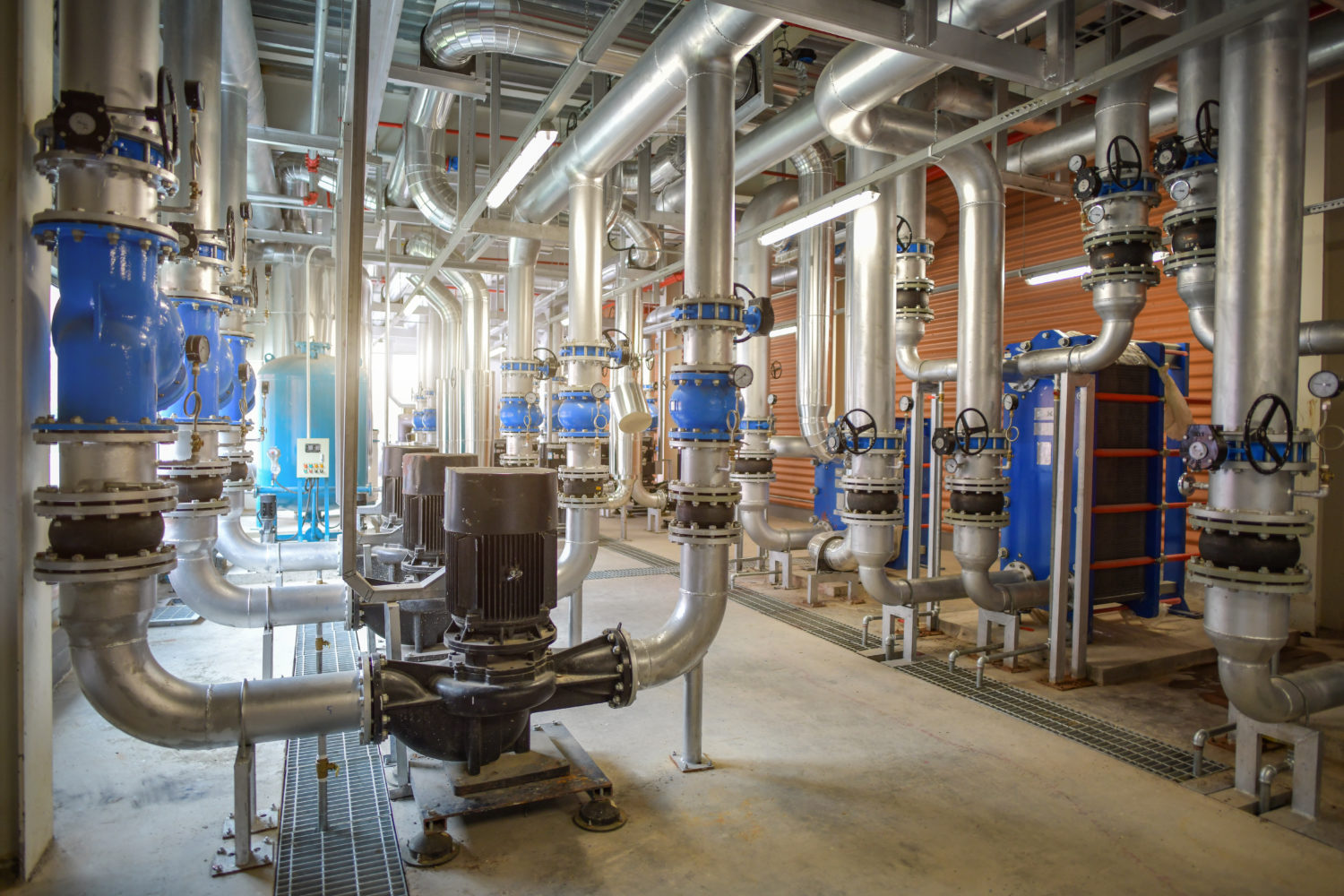
Yes, vacuum pumps are widely used in the automotive industry for various applications. Here’s a detailed explanation:
The automotive industry relies on vacuum pumps for several critical functions and systems within vehicles. Vacuum pumps play a crucial role in enhancing performance, improving fuel efficiency, and enabling the operation of various automotive systems. Here are some key applications of vacuum pumps in the automotive industry:
1. Brake Systems: Vacuum pumps are commonly used in vacuum-assisted brake systems, also known as power brakes. These systems utilize vacuum pressure to amplify the force applied by the driver to the brake pedal, making braking more efficient and responsive. Vacuum pumps help generate the required vacuum for power brake assistance, ensuring reliable and consistent braking performance.
2. Emission Control Systems: Vacuum pumps are integral components of emission control systems in vehicles. They assist in operating components such as the Exhaust Gas Recirculation (EGR) valve and the Evaporative Emission Control (EVAP) system. Vacuum pumps help create the necessary vacuum conditions for proper functioning of these systems, reducing harmful emissions and improving overall environmental performance.
3. HVAC Systems: Heating, Ventilation, and Air Conditioning (HVAC) systems in vehicles often utilize vacuum pumps for various functions. Vacuum pumps help control the vacuum-operated actuators that regulate the direction, temperature, and airflow of the HVAC system. They ensure efficient operation and precise control of the vehicle’s interior climate control system.
4. Turbocharger and Supercharger Systems: In performance-oriented vehicles, turbocharger and supercharger systems are used to increase engine power and efficiency. Vacuum pumps play a role in these systems by providing vacuum pressure for actuating wastegates, blow-off valves, and other control mechanisms. These components help regulate the boost pressure and ensure optimal performance of the forced induction system.
5. Fuel Delivery Systems: Vacuum pumps are employed in certain types of fuel delivery systems, such as mechanical fuel pumps. These pumps utilize vacuum pressure to draw fuel from the fuel tank and deliver it to the engine. While mechanical fuel pumps are less commonly used in modern vehicles, vacuum pumps are still found in some specialized applications.
6. Engine Management Systems: Vacuum pumps are utilized in engine management systems for various functions. They assist in operating components such as vacuum-operated actuators, vacuum reservoirs, and vacuum sensors. These components play a role in engine performance, emissions control, and overall system functionality.
7. Fluid Control Systems: Vacuum pumps are used in fluid control systems within vehicles, such as power steering systems. Vacuum-assisted power steering systems utilize vacuum pressure to assist the driver in steering, reducing the effort required. Vacuum pumps provide the necessary vacuum for power steering assistance, enhancing maneuverability and driver comfort.
8. Diagnostic and Testing Equipment: Vacuum pumps are also utilized in automotive diagnostic and testing equipment. These pumps create vacuum conditions necessary for testing and diagnosing various vehicle systems, such as intake manifold leaks, brake system integrity, and vacuum-operated components.
It’s important to note that different types of vacuum pumps may be used depending on the specific automotive application. Common vacuum pump technologies in the automotive industry include diaphragm pumps, rotary vane pumps, and electric vacuum pumps.
In summary, vacuum pumps have numerous applications in the automotive industry, ranging from brake systems and emission control to HVAC systems and engine management. They contribute to improved safety, fuel efficiency, environmental performance, and overall vehicle functionality.
What Is the Role of Vacuum Pumps in Pharmaceutical Manufacturing?
Vacuum pumps play a crucial role in various aspects of pharmaceutical manufacturing. Here’s a detailed explanation:
Vacuum pumps are extensively used in pharmaceutical manufacturing processes to support a range of critical operations. Some of the key roles of vacuum pumps in pharmaceutical manufacturing include:
1. Drying and Evaporation: Vacuum pumps are employed in drying and evaporation processes within the pharmaceutical industry. They facilitate the removal of moisture or solvents from pharmaceutical products or intermediates. Vacuum drying chambers or evaporators utilize vacuum pumps to create low-pressure conditions, which lower the boiling points of liquids, allowing them to evaporate at lower temperatures. By applying vacuum, moisture or solvents can be efficiently removed from substances such as active pharmaceutical ingredients (APIs), granules, powders, or coatings, ensuring the desired product quality and stability.
2. Filtration and Filtrate Recovery: Vacuum pumps are used in filtration processes for the separation of solid-liquid mixtures. Vacuum filtration systems typically employ a filter medium, such as filter paper or membranes, to retain solids while allowing the liquid portion to pass through. By applying vacuum to the filtration apparatus, the liquid is drawn through the filter medium, leaving behind the solids. Vacuum pumps facilitate efficient filtration, speeding up the process and improving product quality. Additionally, vacuum pumps can aid in filtrate recovery by collecting and transferring the filtrate for further processing or reuse.
3. Distillation and Purification: Vacuum pumps are essential in distillation and purification processes within the pharmaceutical industry. Distillation involves the separation of liquid mixtures based on their different boiling points. By creating a vacuum environment, vacuum pumps lower the boiling points of the components, allowing them to vaporize and separate more easily. This enables efficient separation and purification of pharmaceutical compounds, including the removal of impurities or the isolation of specific components. Vacuum pumps are utilized in various distillation setups, such as rotary evaporators or thin film evaporators, to achieve precise control over the distillation conditions.
4. Freeze Drying (Lyophilization): Vacuum pumps are integral to the freeze drying process, also known as lyophilization. Lyophilization is a dehydration technique that involves the removal of water or solvents from pharmaceutical products while preserving their structure and integrity. Vacuum pumps create a low-pressure environment in freeze drying chambers, allowing the frozen product to undergo sublimation. During sublimation, the frozen water or solvent directly transitions from the solid phase to the vapor phase, bypassing the liquid phase. Vacuum pumps facilitate efficient and controlled sublimation, leading to the production of stable, shelf-stable pharmaceutical products with extended shelf life.
5. Tablet and Capsule Manufacturing: Vacuum pumps are utilized in tablet and capsule manufacturing processes. They are involved in the creation of vacuum within tablet presses or capsule filling machines. By applying vacuum, the air is removed from the die cavity or capsule cavity, allowing for the precise filling of powders or granules. Vacuum pumps contribute to the production of uniform and well-formed tablets or capsules by ensuring accurate dosing and minimizing air entrapment, which can affect the final product quality.
6. Sterilization and Decontamination: Vacuum pumps are employed in sterilization and decontamination processes within the pharmaceutical industry. Autoclaves and sterilizers utilize vacuum pumps to create a vacuum environment before introducing steam or chemical sterilants. By removing air or gases from the chamber, vacuum pumps assist in achieving effective sterilization or decontamination by enhancing the penetration and distribution of sterilants. Vacuum pumps also aid in the removal of sterilants and residues after the sterilization process is complete.
It’s important to note that different types of vacuum pumps, such as rotary vane pumps, dry screw pumps, or liquid ring pumps, may be utilized in pharmaceutical manufacturing depending on the specific requirements of the process and the compatibility with pharmaceutical products.
In summary, vacuum pumps play a vital role in various stages of pharmaceutical manufacturing, including drying and evaporation, filtration and filtrate recovery, distillation and purification, freeze drying (lyophilization), tablet and capsule manufacturing, as well as sterilization and decontamination. By enabling efficient and controlled processes, vacuum pumps contribute to the production of high-quality pharmaceutical products, ensuring the desired characteristics, stability, and safety.
What Are the Primary Applications of Vacuum Pumps?
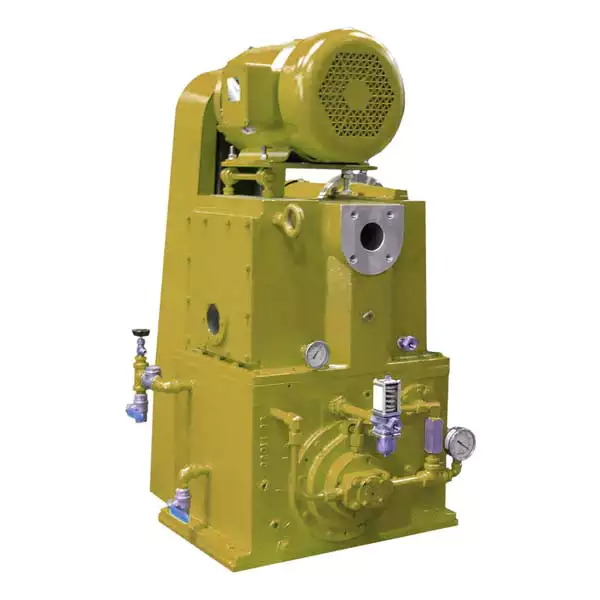
Vacuum pumps have a wide range of applications across various industries. Here’s a detailed explanation:
1. Industrial Processes:
Vacuum pumps play a vital role in numerous industrial processes, including:
– Vacuum Distillation: Vacuum pumps are used in distillation processes to lower the boiling points of substances, enabling separation and purification of various chemicals and compounds.
– Vacuum Drying: Vacuum pumps aid in drying processes by creating a low-pressure environment, which accelerates moisture removal from materials without excessive heat.
– Vacuum Packaging: Vacuum pumps are used in the food industry to remove air from packaging containers, prolonging the shelf life of perishable goods by reducing oxygen exposure.
– Vacuum Filtration: Filtration processes can benefit from vacuum pumps to enhance filtration rates by applying suction, facilitating faster separation of solids and liquids.
2. Laboratory and Research:
Vacuum pumps are extensively used in laboratories and research facilities for various applications:
– Vacuum Chambers: Vacuum pumps create controlled low-pressure environments within chambers for conducting experiments, testing materials, or simulating specific conditions.
– Mass Spectrometry: Mass spectrometers often utilize vacuum pumps to create the necessary vacuum conditions for ionization and analysis of samples.
– Freeze Drying: Vacuum pumps enable freeze-drying processes, where samples are frozen and then subjected to a vacuum, allowing the frozen water to sublimate directly from solid to vapor state.
– Electron Microscopy: Vacuum pumps are essential for electron microscopy techniques, providing the necessary vacuum environment for high-resolution imaging of samples.
3. Semiconductor and Electronics Industries:
High vacuum pumps are critical in the semiconductor and electronics industries for manufacturing and testing processes:
– Semiconductor Fabrication: Vacuum pumps are used in various stages of chip manufacturing, including deposition, etching, and ion implantation processes.
– Thin Film Deposition: Vacuum pumps create the required vacuum conditions for depositing thin films of materials onto substrates, as done in the production of solar panels, optical coatings, and electronic components.
– Leak Detection: Vacuum pumps are utilized in leak testing applications to detect and locate leaks in electronic components, systems, or pipelines.
4. Medical and Healthcare:
Vacuum pumps have several applications in the medical and healthcare sectors:
– Vacuum Assisted Wound Closure: Vacuum pumps are used in negative pressure wound therapy (NPWT), where they create a controlled vacuum environment to promote wound healing and removal of excess fluids.
– Laboratory Equipment: Vacuum pumps are essential in medical and scientific equipment such as vacuum ovens, freeze dryers, and centrifugal concentrators.
– Anesthesia and Medical Suction: Vacuum pumps are utilized in anesthesia machines and medical suction devices to create suction and remove fluids or gases from the patient’s body.
5. HVAC and Refrigeration:
Vacuum pumps are employed in the HVAC (Heating, Ventilation, and Air Conditioning) and refrigeration industries:
– Refrigeration and Air Conditioning Systems: Vacuum pumps are used during system installation, maintenance, and repair to evacuate moisture and air from refrigeration and air conditioning systems, ensuring efficient operation.
– Vacuum Insulation Panels: Vacuum pumps are utilized in the manufacturing of vacuum insulation panels, which offer superior insulation properties for buildings and appliances.
6. Power Generation:
Vacuum pumps play a role in power generation applications:
– Steam Condenser Systems: Vacuum pumps are used in power plants to remove non-condensable gases from steam condenser systems, improving thermal efficiency.
– Gas Capture: Vacuum pumps are utilized to capture and remove gases, such as hydrogen or helium, in nuclear power plants, research reactors, or particle accelerators.
These are just a few examples of the primary applications of vacuum pumps. The versatility and wide range of vacuum pump types make them essential in numerous industries, contributing to various manufacturing processes, research endeavors, and technological advancements.


editor by CX 2023-10-30