Product Description
Vacuum pump is used in the field of chemical and pharmaceutical factory
Product Description
Dry screw vacuum pump, is the use of a pair of screw, made in the pump shell synchronous high-speed reverse rotation of the effects of the suction and exhaust and suction device, 2 screw fine dynamic balancing correction, and is supported by bearings, is installed in the pump shell, between screw and screw has a certain gap, so the pump work, no friction between each other, smooth running, low noise, Working chamber without lubricating oil, therefore, dry screw pump can remove a lot of steam and a small amount of dust gas occasions, higher limit vacuum, lower power consumption, energy saving, maintenance-free and other advantages.
Our Advantages
There is no medium in the working chamber, which can obtain a clean vacuum.
. No clearance between rotating parts, high speed operation, small overall volume.
There is no compression in the gas, suitable for extraction of coagulable gas.
Can remove a lot of steam and a small amount of dust gas occasions.
. High vacuum, the ultimate vacuum up to 1 Pa.
Screw material is high strength special material, material density, wear resistance, stable performance.
No friction rotating parts, low noise.
. Simple structure, convenient maintenance.
Wider range of use: corrosive environment can be used.
No oil consumption, no water.
Pump gas directly discharged from the pump body, no pollution of water, no environmental pressure, more convenient gas recovery.
It can be composed of oil-free unit with Roots pump and molecular pump.
Typical Use
——Oil and gas recovery. ——Biological medicine ——Food Processing —— Single crystal furnace
——Vacuum forming ——Vacuum flame refining ——Electronic photovoltaic. ——Semiconductor synthesis
Product Parameters
| Type | Basic parameters | ||||||||
| Pumping speed m3/h |
Presure limit(Pa) | Power (kW) | revolution (rpm) | Inlet caliber mm |
outlet caliber mm | Cooling water volume L/min |
noise dB(A) | Overall dimension (length*width*height) mm |
|
| LGV-180 | 180 | 5 | 4 | 2900 | 40 | 40 | 2 | < 78 | 1157x375x734 |
| LGV-250 | 250 | 5 | 5.5 | 2900 | 50 | 40 | 5.5 | <78 | 1462x417x820 |
| LGV-360 | 360 | 5 | 7.5 | 2900 | 50 | 40 | 4 | W78 | 1462x455x820 |
| LGV-540 | 540 | 5 | 11 | 2900 | 65 | 50 | 8 | W80 | 1578x543x860 |
| LGV-720 | 720 | 5 | 15 | 2900 | 80 | 65 | 10 | <80 | 1623x562x916 |
| LGV-1100 | 1100 | 5 | 22 | 2900 | 100 | 80 | 14 | w 80 | 1866x598x1050 |
| LG V-1800 | 1800 | 5 | 37 | 2900 | 150 | 100 | 20 | w 80 | 2092×951 x 1150 |
Characteristic Curve
Detailed Photos
General Manager Speech
Deeply cultivate the vacuum technology, and research,develop and manufacture the vacuum equipment to provide the best solution in the vacuum field and make the vacuum application easier.
Company Profile
ZheJiang Kaien Vacuum Technology Co., Ltd. is a high-tech enterprise integrating R & D, production and operation of vacuum equipment. The company has strong technical force, excellent equipment and considerate after-sales service. The product manufacturing process is managed in strict accordance with IS09001 quality system. It mainly produces and sells screw vacuum pump, roots pump, claw vacuum pump, runoff vacuum pump, scroll pump, water ring vacuum pump, vacuum unit and other vacuum systems.
New plant plHangZhou
The company’s products have been for a number of food, medicine, refrigeration, drying plants and a number of transformer related equipment manufacturers for vacuum equipment. The products are widely used in vacuum drying and dehydration, kerosene vapor phase drying, vacuum impregnation, vacuum metallurgy, vacuum coating, vacuum evaporation, vacuum concentration, oil and gas recovery, etc.
High precision machining equipment
The company cooperates with colleges and universities to research and develop core technologies, and owns dozens of independent intellectual property patents. Adhering to the basic tenet of quality, reputation and service, the company takes leading-edge technology of vacuum pump as its own responsibility, and wholeheartedly serves customers of vacuum equipment application in various industries with rigorous working attitude and professional working style.
Product quality wins consumer cooperationIn shipment
ISO 9001
| Warranty: | One Year |
|---|---|
| Oil or Not: | Oil Free |
| Structure: | Screw |
| Exhauster Method: | Entrapment Vacuum Pump |
| Vacuum Degree: | High Vacuum |
| Work Function: | Mainsuction Pump |
| Customization: |
Available
|
|
|---|
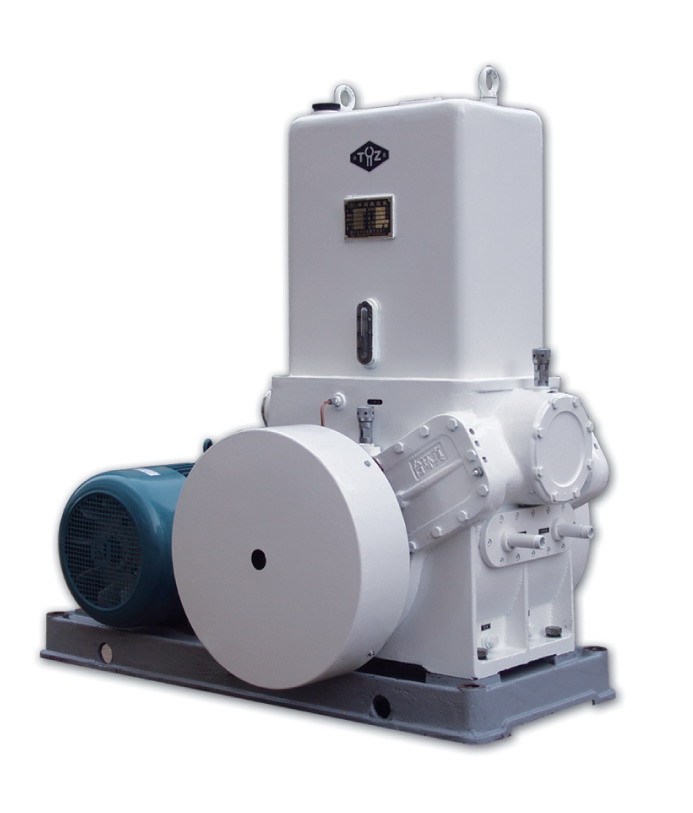
What Are the Key Components of a Piston Vacuum Pump?
A piston vacuum pump consists of several key components that work together to create a vacuum. Here’s a detailed explanation of these components:
1. Cylinder:
– The cylinder is a cylindrical chamber where the piston moves back and forth.
– It provides the housing for the piston and plays a crucial role in creating the vacuum by changing the volume of the chamber.
2. Piston:
– The piston is a movable component that fits inside the cylinder.
– It creates a seal between the piston and cylinder walls, allowing the pump to create a pressure differential and generate a vacuum.
– The piston is typically driven by a motor or an external power source.
3. Intake Valve:
– The intake valve allows gas or air to enter the cylinder during the suction stroke.
– It opens when the piston moves downward, creating a vacuum and drawing gas into the cylinder from the system being evacuated.
4. Exhaust Valve:
– The exhaust valve allows the expelled gas to exit the cylinder during the compression stroke.
– It opens when the piston moves upward, allowing the compressed gas to be expelled from the cylinder.
5. Lubrication System:
– Piston vacuum pumps often incorporate a lubrication system to ensure smooth operation and maintain an airtight seal between the piston and cylinder walls.
– Lubricating oil is introduced into the cylinder to provide lubrication and help maintain the seal.
– The lubrication system also helps to cool the pump by dissipating heat generated during operation.
6. Cooling System:
– Some piston vacuum pumps may include a cooling system to prevent overheating.
– This can involve the circulation of a cooling fluid or the use of cooling fins to dissipate heat generated during operation.
7. Pressure Gauges and Controls:
– Pressure gauges are often installed to monitor the vacuum level or pressure within the system.
– Control mechanisms, such as switches or valves, may be present to regulate the operation of the pump or maintain the desired vacuum level.
8. Motor or Power Source:
– The piston in a piston vacuum pump is typically driven by a motor or an external power source.
– The motor provides the necessary mechanical energy to move the piston back and forth, creating the suction and compression strokes.
9. Frame or Housing:
– The components of the piston vacuum pump are housed within a frame or housing that provides structural support and protection.
– The frame or housing also helps to reduce noise and vibration during operation.
In summary, the key components of a piston vacuum pump include the cylinder, piston, intake valve, exhaust valve, lubrication system, cooling system, pressure gauges and controls, motor or power source, and the frame or housing. These components work together to create a vacuum by reciprocating the piston within the cylinder, allowing gas to be drawn in and expelled, while maintaining an airtight seal. The lubrication and cooling systems, as well as pressure gauges and controls, ensure smooth and efficient operation of the pump.
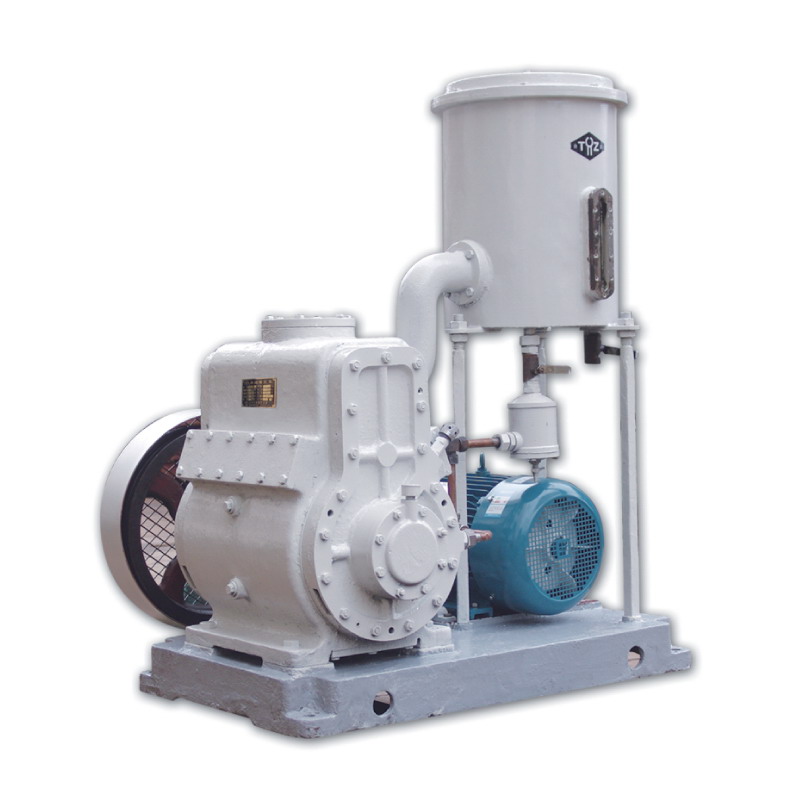
Can Piston Vacuum Pumps Be Used in Medical or Pharmaceutical Applications?
Yes, piston vacuum pumps can be used in medical and pharmaceutical applications. Here’s a detailed explanation:
– Piston vacuum pumps are versatile and widely used in various industries, including medical and pharmaceutical sectors.
– Medical and pharmaceutical applications often require vacuum technology for processes such as filtration, degassing, drying, and sample preparation.
– Piston vacuum pumps offer several advantages that make them suitable for these applications:
– High Vacuum Levels: Piston pumps can achieve high vacuum levels, which are often necessary in medical and pharmaceutical processes that require precise control and removal of gases or vapors.
– Contamination-Free Operation: Piston pumps can provide contamination-free operation, making them suitable for applications where maintaining a sterile or clean environment is crucial, such as in pharmaceutical manufacturing or medical research laboratories.
– Oil-Free Operation: Some piston vacuum pumps are designed to operate without oil lubrication. Oil-free pumps eliminate the risk of oil contamination in sensitive medical or pharmaceutical processes and avoid the need for oil changes or maintenance associated with oil-lubricated pumps.
– Quiet Operation: Piston pumps can be engineered to operate with reduced noise levels, which is advantageous in medical and pharmaceutical settings where a quiet working environment is desired.
– Durability and Reliability: Piston pumps are known for their robust construction and durability, allowing them to withstand demanding applications and provide reliable performance over extended periods.
– Compact Size: Piston vacuum pumps are available in compact designs, making them suitable for applications where space is limited, such as in medical devices or portable pharmaceutical equipment.
– Some specific medical and pharmaceutical applications where piston vacuum pumps are commonly used include:
– Vacuum Filtration: Piston pumps are used to generate the necessary vacuum for filtering solutions or suspensions in laboratory or industrial settings. This process is often employed in pharmaceutical research, production of vaccines, or purification of drugs.
– Freeze Drying: Piston vacuum pumps assist in the freeze-drying process, which is a common technique used in the pharmaceutical industry to preserve and stabilize sensitive drugs or biological samples.
– Vacuum Packaging: Piston pumps are utilized for creating a vacuum in packaging processes where maintaining product quality and extending shelf life are critical, such as in the pharmaceutical packaging of medicines or medical devices.
– Laboratory Evaporation: Piston vacuum pumps are employed in laboratory applications for the evaporation of solvents or liquids in medical or pharmaceutical research, drug development, or quality control processes.
– It is important to select the appropriate piston vacuum pump model based on the specific requirements of the medical or pharmaceutical application. Factors to consider include vacuum level needed, flow rate, compatibility with the handled substances, and compliance with industry regulations and standards.
– Additionally, compliance with Good Manufacturing Practices (GMP) and other regulatory guidelines is crucial when using piston vacuum pumps in medical or pharmaceutical applications to ensure product safety, quality, and regulatory compliance.
In summary, piston vacuum pumps are suitable for use in medical and pharmaceutical applications due to their ability to achieve high vacuum levels, provide contamination-free and oil-free operation, offer quiet and reliable performance, and accommodate compact design requirements. They are commonly used in processes such as vacuum filtration, freeze drying, vacuum packaging, and laboratory evaporation in these industries.
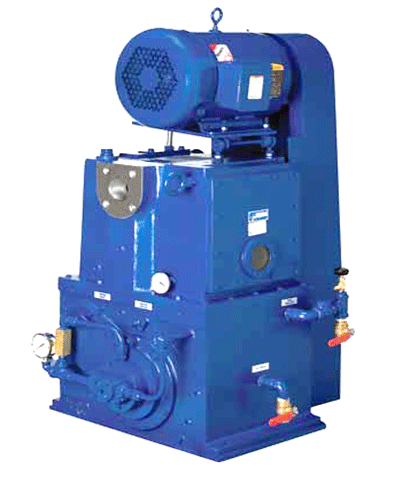
Are Piston Vacuum Pumps Suitable for Laboratory Use?
Yes, piston vacuum pumps are commonly used and well-suited for laboratory applications. Here’s a detailed explanation:
1. Versatility:
– Piston vacuum pumps offer versatility and can be utilized in a wide range of laboratory processes and equipment.
– They are compatible with various laboratory applications such as vacuum ovens, freeze dryers, vacuum filtration systems, and rotary evaporators.
2. Vacuum Generation:
– Piston vacuum pumps are capable of generating and maintaining deep vacuum levels, making them suitable for laboratory use.
– They can achieve vacuum levels ranging from millitorr (10-3 Torr) to microns (10-6 Torr), depending on the specific pump design and operating conditions.
3. Control and Precision:
– Piston vacuum pumps provide precise control over the vacuum level, allowing researchers to create and maintain the desired pressure conditions in their experiments.
– The pumps offer fine-tuning capabilities to achieve the optimal vacuum level required for specific laboratory processes.
4. Reliability and Durability:
– Piston vacuum pumps are known for their reliability and durability, which are crucial factors in laboratory environments.
– They are designed to withstand continuous operation and frequent use, ensuring consistent performance over extended periods.
5. Low Contamination Risk:
– Piston vacuum pumps are designed with airtight seals that minimize the risk of contamination.
– This is particularly important in laboratory settings where maintaining a clean and uncontaminated environment is vital for accurate and reliable experimental results.
6. Cost-Effective Solution:
– Piston vacuum pumps are generally more cost-effective compared to other types of vacuum pumps.
– They offer a balance between performance and affordability, making them a preferred choice for many laboratory budgets.
7. Ease of Maintenance:
– Piston vacuum pumps are relatively easy to maintain, with readily available spare parts and service support.
– Routine maintenance tasks such as changing oil, inspecting seals, and cleaning can be easily performed, ensuring the pump’s longevity and consistent performance.
In summary, piston vacuum pumps are highly suitable for laboratory use due to their versatility, ability to generate deep vacuum levels, precise control, reliability, low contamination risk, cost-effectiveness, and ease of maintenance. They are widely utilized in various laboratory applications and provide researchers with the necessary vacuum conditions for their experiments and processes.


editor by CX 2023-12-01