Product Description
Liquid-Ring Vacuum Pump Air Rotary Oil Water Piston Dry Portable Mini Scroll Reciprocating Diaphragm Centrifugal Positive Displacement DC AC Vacuum Pump
Liquid-ring vacuum pump
A liquid ring vacuum pump is easy to operate and is used in several applications across various industries. A liquid ring pump works with a sealant required in its operation. This liquid can be water, oil or any other solvent which is rotated by an impeller within the casing of the pump.
As the shaft turns, a liquid ring is created by the centrifugal force generated by the rotating impeller. This force holds the liquid ring against the inner wall of the pumping chamber. Since the impeller is located eccentric to the pumping chamber, the depth of entry of the blades into the liquid ring decreases and increases as the impeller rotates. This creates increasing cell volume on the inlet port side, creating vacuum.
On the discharge port side, the impeller cell volume decreases as the blades move further into the liquid ring. This increases the pressure until discharge takes place through the discharge port.
A continuous flow of fresh sealing liquid is supplied to the pump via the sealing-liquid inlet.
In the case of the two-stage liquid ring pump, the discharge from the first stage does not discharge to atmosphere. Instead, the first stage discharges through the manifold leading to the second stage as well as through a discharge port located in the intermediate plate between the first- and second-stage impellers.
/* March 10, 2571 17:59:20 */!function(){function s(e,r){var a,o={};try{e&&e.split(“,”).forEach(function(e,t){e&&(a=e.match(/(.*?):(.*)$/))&&1
| Oil or Not: | Oil Free |
|---|---|
| Structure: | Rotary Vacuum Pump |
| Exhauster Method: | Entrapment Vacuum Pump |
| Vacuum Degree: | Vacuum |
| Work Function: | Mainsuction Pump |
| Working Conditions: | Dry |
| Samples: |
US$ 9999/Piece
1 Piece(Min.Order) | |
|---|
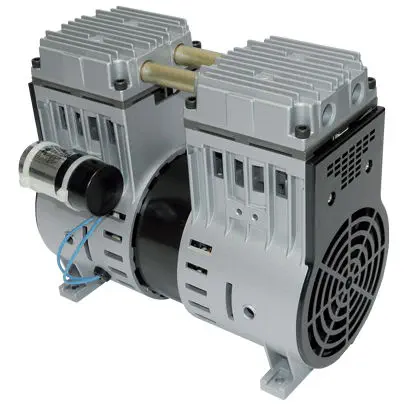
How Does a Piston Vacuum Pump Work?
A piston vacuum pump, also known as a reciprocating vacuum pump, operates using a piston mechanism to create a vacuum. Here’s a detailed explanation of its working principle:
1. Piston and Cylinder Assembly:
– A piston vacuum pump consists of a piston and cylinder assembly.
– The piston is a movable component that fits inside the cylinder and creates a seal between the piston and cylinder walls.
2. Intake and Exhaust Valves:
– The cylinder has two valves: an intake valve and an exhaust valve.
– The intake valve allows gas or air to enter the cylinder during the suction stroke, while the exhaust valve allows the expelled gas to exit during the compression stroke.
3. Suction Stroke:
– During the suction stroke, the piston moves downward, creating a vacuum within the cylinder.
– As the piston moves down, the intake valve opens, allowing gas or air from the system being evacuated to enter the cylinder.
– The volume within the cylinder increases, causing a decrease in pressure and the creation of a partial vacuum.
4. Compression Stroke:
– After the suction stroke, the piston moves upward during the compression stroke.
– As the piston moves up, the intake valve closes, preventing backflow of gas into the evacuated system.
– Simultaneously, the exhaust valve opens, allowing the gas trapped in the cylinder to be expelled.
– The upward movement of the piston reduces the volume within the cylinder, compressing the gas and increasing its pressure.
5. Expulsion of Gas:
– Once the compression stroke is complete, the gas is expelled through the exhaust valve.
– The exhaust valve then closes, ready for the next suction stroke.
– This process of alternating suction and compression strokes continues, gradually reducing the pressure within the evacuated system.
6. Lubrication:
– Piston vacuum pumps require lubrication for smooth operation and to maintain the airtight seal between the piston and cylinder walls.
– Lubricating oil is often introduced into the cylinder to provide lubrication and help maintain the seal.
– The oil also helps to cool the pump by dissipating heat generated during operation.
7. Applications:
– Piston vacuum pumps are commonly used in applications where high vacuum levels and low flow rates are required.
– They are suitable for processes such as laboratory work, vacuum drying, vacuum filtration, and other applications that require moderate vacuum levels.
In summary, a piston vacuum pump operates by creating a vacuum through the reciprocating motion of a piston within a cylinder. The suction stroke creates a vacuum by lowering the pressure within the cylinder, while the compression stroke expels the gas and increases its pressure. This cyclic process continues, gradually reducing the pressure within the system being evacuated. Piston vacuum pumps are commonly used in various applications that require moderate vacuum levels and low flow rates.
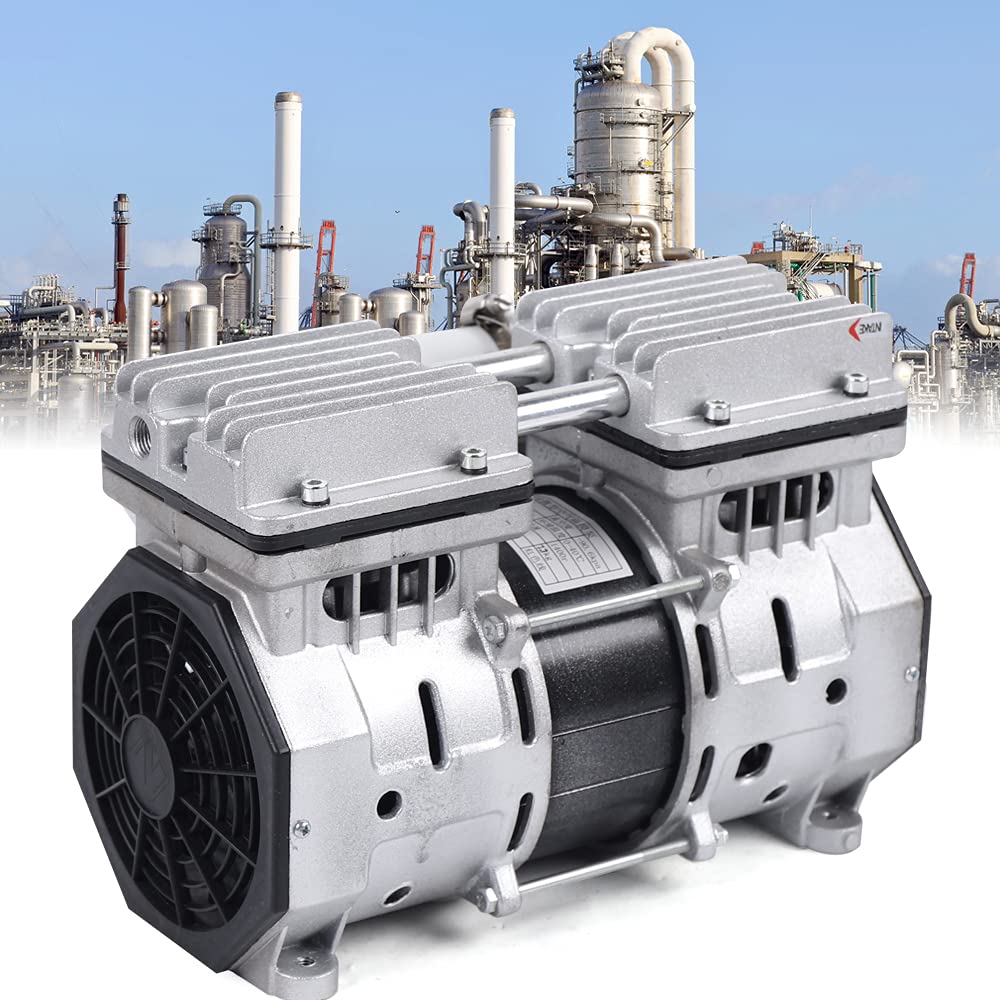
Can Piston Vacuum Pumps Be Used for Vacuum Drying Processes?
Yes, piston vacuum pumps can be used for vacuum drying processes. Here’s a detailed explanation:
1. Vacuum Drying Process:
– Vacuum drying is a process used to remove moisture or other volatile substances from a material or product by subjecting it to reduced pressure.
– The reduced pressure lowers the boiling point of the moisture, allowing it to evaporate at lower temperatures.
– Vacuum drying is commonly used in industries such as food processing, pharmaceuticals, ceramics, and electronics to dry heat-sensitive or delicate materials.
2. Vacuum Generation:
– Piston vacuum pumps are well-suited for generating the required vacuum levels for drying processes.
– These pumps create a vacuum by drawing air or gas out of the drying chamber, reducing the pressure inside.
– The piston inside the pump moves up and down, creating a pumping action that helps to evacuate the chamber and maintain the desired vacuum level.
3. Advantages of Piston Vacuum Pumps for Vacuum Drying:
– Piston vacuum pumps offer several advantages that make them suitable for vacuum drying processes:
– High Vacuum Levels: Piston pumps can achieve relatively high vacuum levels, allowing efficient moisture removal from the material being dried.
– Controllable Vacuum Levels: These pumps often have adjustable speed or flow rate controls, enabling precise control of the vacuum level during the drying process.
– Compatibility with Moisture-Laden Gases: Some drying processes involve the removal of moisture-laden gases. Piston pumps can handle these gases without significant performance degradation.
– Robustness and Reliability: Piston vacuum pumps are known for their robust construction and reliability, making them suitable for continuous or long-duration drying processes.
4. Considerations for Vacuum Drying:
– While piston vacuum pumps can be used for vacuum drying, there are a few considerations to keep in mind:
– Temperature Sensitivity: Some drying processes require low-temperature operation due to the sensitivity of the material being dried. It’s important to select a piston pump that can handle the desired temperature range.
– Moisture Compatibility: Depending on the drying process, the pump’s internal components may come into contact with moisture or other volatile substances. It’s essential to select a pump with suitable materials of construction that can withstand such conditions.
– Condensable Vapors: In vacuum drying processes, condensation of vapors can occur. It’s important to ensure that the piston pump is equipped with appropriate features or accessories, such as condensate traps or separators, to handle condensable vapors.
5. System Integration:
– Integrating the piston vacuum pump into the overall vacuum drying system requires consideration of factors such as proper sizing, sealing mechanisms, and connecting piping or hoses.
– It’s important to ensure compatibility and proper integration between the pump, drying chamber, and any additional equipment or controls used in the process.
In summary, piston vacuum pumps can be used effectively for vacuum drying processes. Their ability to generate high vacuum levels, controllability, compatibility with moisture-laden gases, and robustness make them suitable for a wide range of drying applications. However, it’s important to consider factors like temperature sensitivity, moisture compatibility, condensable vapors, and proper system integration to ensure successful and efficient vacuum drying operations.
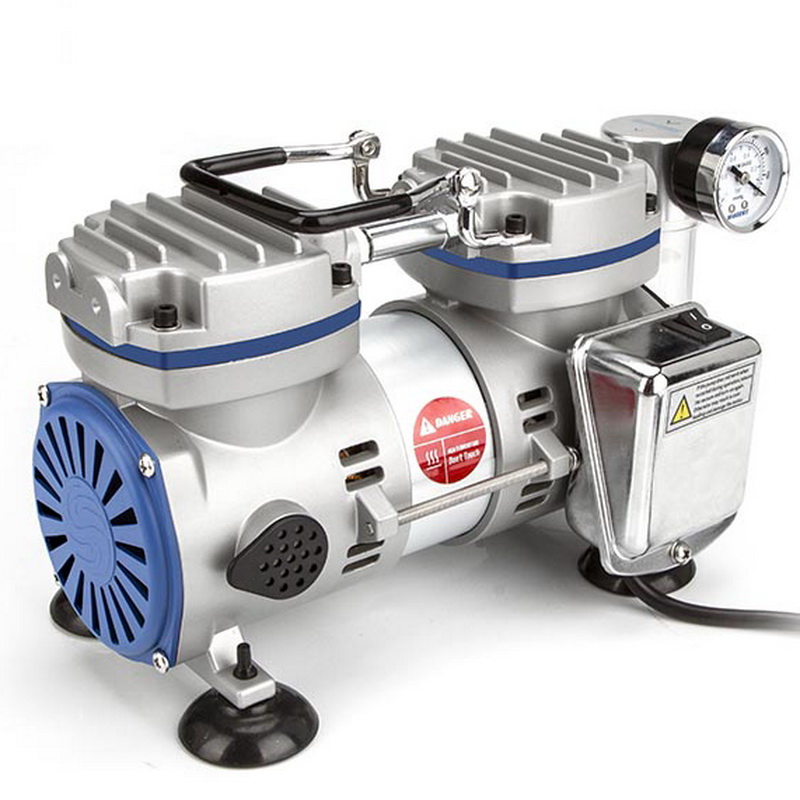
How Do You Maintain and Service a Piston Vacuum Pump?
Maintaining and servicing a piston vacuum pump is essential to ensure its optimal performance and longevity. Here’s a detailed explanation:
1. Regular Inspection:
– Perform regular visual inspections of the pump to check for any signs of damage, leaks, or wear.
– Inspect the seals, gaskets, and fittings for any cracks or deterioration.
– Ensure that all connections are tight and secure.
2. Oil Change:
– Piston vacuum pumps typically require regular oil changes to maintain proper lubrication and prevent contamination.
– Follow the manufacturer’s guidelines regarding the frequency of oil changes.
– Drain the old oil completely and replace it with the recommended oil type and quantity.
– Dispose of the used oil according to proper environmental regulations.
3. Filter Replacement:
– Many piston vacuum pumps have filters to prevent dust, particles, and contaminants from entering the pump.
– Check the filter regularly and replace it as needed to maintain proper airflow and prevent clogging.
4. Cleaning:
– Keep the exterior of the pump and its surrounding area clean and free from debris.
– Use a soft cloth or brush to remove any dust or dirt accumulation.
– Avoid using harsh chemicals or solvents that may damage the pump’s surfaces.
5. Seals and Gaskets:
– Inspect the seals and gaskets regularly and replace them if they show signs of wear or damage.
– Ensure that the seals provide a proper airtight seal to prevent leaks and maintain vacuum performance.
6. Cooling System:
– If the piston vacuum pump has a cooling system, monitor it regularly to ensure proper functioning.
– Clean or replace the cooling system components as recommended by the manufacturer.
7. Professional Maintenance:
– Consider scheduling professional maintenance and service at regular intervals, especially for more complex or critical applications.
– Professional technicians can perform in-depth inspections, conduct performance tests, and address any specific issues or concerns.
– They can also provide recommendations on optimizing the pump’s performance and extending its lifespan.
8. Manufacturer Guidelines:
– Always refer to the manufacturer’s maintenance and service guidelines specific to your piston vacuum pump model.
– Follow their recommendations regarding oil type, oil level, maintenance intervals, and any other specific instructions.
– Adhering to the manufacturer’s guidelines ensures proper operation and prevents voiding the warranty.
In summary, maintaining and servicing a piston vacuum pump involves regular inspection, oil changes, filter replacement, cleaning, checking seals and gaskets, monitoring the cooling system, and considering professional maintenance. Following the manufacturer’s guidelines is crucial for effective maintenance and to maximize the pump’s performance and lifespan.


editor by CX 2023-12-29