Product Description
BIOBASE Vacuum Pump
Features:
* Oil free,clean exhausted air by built- in filter .
* Automatic cooling exhaust system ensures 24 h operation continuously.
* The pressure adjustable design can satisfy a certain range of vacuum and gas velocity.
(This function does not apply to model GM-0.20)
* surface treatment, anti-gas corrosion.
* orange look for anticorrosive vacuum pump(eg: GM-0.33IIP, GM-0.5P, GM-0.5IIP, GM-1.0P)
|
Model |
GM-0.20 |
GM-0.5II |
GM-0.5 |
GM-0.33II |
GM-1.0 |
|
Pump Head |
1 |
2 |
1 |
1 |
2 |
|
Speed of Evacuation |
12 L/Min |
30 L/Min |
20 L/Min |
60 L/Min |
|
|
Ultimate pressure |
≥0.075 Mpa |
≥0.095 Mpa |
≥0.08 Mpa |
||
|
Vacuum |
250 mbar |
50 mbar |
200 mbar |
||
|
Pressure |
≥30 CHINAMFG Positive or |
Negative pressure |
≥30Positive, |
Negative pressure |
≥30Positive, |
|
Inlet |
φ6 mm |
||||
|
Outlet |
φ6 mm |
Silencer |
φ6 mm |
Silencer |
φ6 mm |
|
Working Temp. |
7~40ºC |
||||
|
Body Temp. |
<55ºC |
||||
|
Noise Level |
<60 dB |
<50 dB |
|||
|
Motor Power |
75W |
160W |
|||
|
Power consumption |
AC110/220V±10%, 50/60Hz |
||||
|
Diaphragm |
NBR |
||||
|
Valves |
/ |
NBR |
|||
|
Net Weight(kg) |
4 |
10 |
6.6 |
6.2 |
10 |
|
Gross Weight(kg) |
4.5 |
11 |
7.6 |
7.5 |
11 |
|
External Size |
195*98*156 |
300*120*235 |
210*160*235 |
215*120*235 |
300*160*235 |
|
Package Size(L*W*H)mm |
330*210*240 |
314*205*316 |
300*210*310 |
315*200*310 |
380*340*270 |
Company Profile
Biobase is specialized in products of many areas including laboratory equipment, cleaning and disinfection equipment, laboratory safety protection product, cold chain product, medical equipment, general analytical equipment, measuring equipment, physical test equipment and some industry research equipment.Our company is committed to creating a one-stop scientific instrument procurement ecological chain.
Biobase has a strong international trading team. With excellent research team, strong quality control team, professional sales team and responsible after-sale service team, CHINAMFG CHINAMFG will provide you quality products and offer training service on the installation and maintenance of all of the products. Especially our engineers are experienced on hands-on design, testing and trouble shooting.
Exhibition Hall
Factory
Exhibition
One-Stop Shopping
After-Sales Service & Feedback
Our service:
1. 100% product quality guarantee
2. Quick delivery time
3. Promptly reply you within 24hours
4. OEM service
Contact Cherry
/* January 22, 2571 19:08:37 */!function(){function s(e,r){var a,o={};try{e&&e.split(“,”).forEach(function(e,t){e&&(a=e.match(/(.*?):(.*)$/))&&1
| After-sales Service: | Online Services |
|---|---|
| Warranty: | 1 Year |
| Oil or Not: | Oil |
| Structure: | / |
| Exhauster Method: | / |
| Vacuum Degree: | Vacuum |
| Samples: |
US$ 182/unit
1 unit(Min.Order) | |
|---|
| Customization: |
Available
|
|
|---|
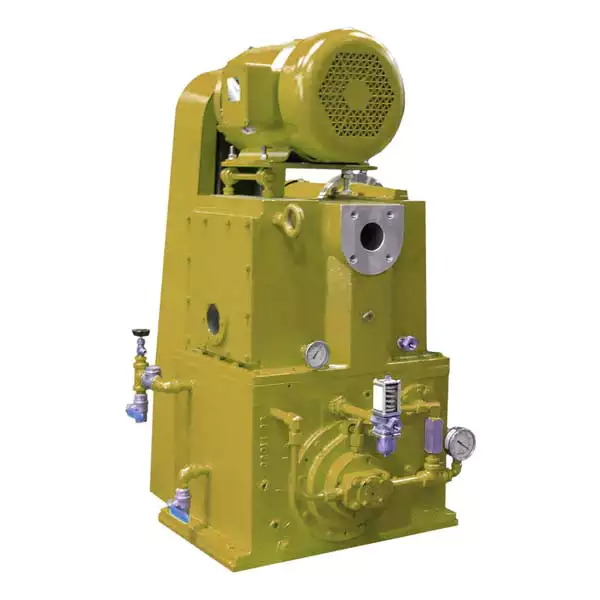
Can Vacuum Pumps Be Used for Vacuum Packaging?
Yes, vacuum pumps can be used for vacuum packaging. Here’s a detailed explanation:
Vacuum packaging is a method used to remove air from a package or container, creating a vacuum environment. This process helps to extend the shelf life of perishable products, prevent spoilage, and maintain product freshness. Vacuum pumps play a crucial role in achieving the desired vacuum level for effective packaging.
When it comes to vacuum packaging, there are primarily two types of vacuum pumps commonly used:
1. Single-Stage Vacuum Pumps: Single-stage vacuum pumps are commonly used for vacuum packaging applications. These pumps use a single rotating vane or piston to create a vacuum. They can achieve moderate vacuum levels suitable for most packaging requirements. Single-stage pumps are relatively simple in design, compact, and cost-effective.
2. Rotary Vane Vacuum Pumps: Rotary vane vacuum pumps are another popular choice for vacuum packaging. These pumps utilize multiple vanes mounted on a rotor to create a vacuum. They offer higher vacuum levels compared to single-stage pumps, making them suitable for applications that require deeper levels of vacuum. Rotary vane pumps are known for their reliability, consistent performance, and durability.
When using vacuum pumps for vacuum packaging, the following steps are typically involved:
1. Preparation: Ensure that the packaging material, such as vacuum bags or containers, is suitable for vacuum packaging and can withstand the vacuum pressure without leakage. Place the product to be packaged inside the appropriate packaging material.
2. Sealing: Properly seal the packaging material, either by heat sealing or using specialized vacuum sealing equipment. This ensures an airtight enclosure for the product.
3. Vacuum Pump Operation: Connect the vacuum pump to the packaging equipment or directly to the packaging material. Start the vacuum pump to initiate the vacuuming process. The pump will remove the air from the packaging, creating a vacuum environment.
4. Vacuum Level Control: Monitor the vacuum level during the packaging process using pressure gauges or vacuum sensors. Depending on the specific packaging requirements, adjust the vacuum level accordingly. The goal is to achieve the desired vacuum level suitable for the product being packaged.
5. Sealing and Closure: Once the desired vacuum level is reached, seal the packaging material completely to maintain the vacuum environment. This can be done by heat sealing the packaging material or using specialized sealing mechanisms designed for vacuum packaging.
6. Product Labeling and Storage: After sealing, label the packaged product as necessary and store it appropriately, considering factors such as temperature, humidity, and light exposure, to maximize product shelf life.
It’s important to note that the specific vacuum level required for vacuum packaging may vary depending on the product being packaged. Some products may require a partial vacuum, while others may require a more stringent vacuum level. The choice of vacuum pump and the control mechanisms employed will depend on the specific vacuum packaging requirements.
Vacuum pumps are widely used in various industries for vacuum packaging applications, including food and beverage, pharmaceuticals, electronics, and more. They provide an efficient and reliable means of creating a vacuum environment, helping to preserve product quality and extend shelf life.
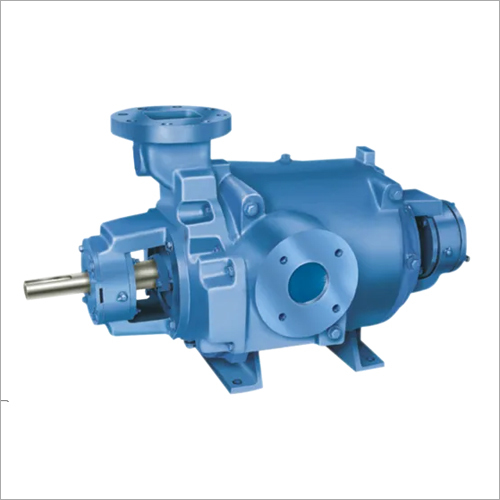
How Do Vacuum Pumps Affect the Performance of Vacuum Chambers?
When it comes to the performance of vacuum chambers, vacuum pumps play a critical role. Here’s a detailed explanation:
Vacuum chambers are enclosed spaces designed to create and maintain a low-pressure environment. They are used in various industries and scientific applications, such as manufacturing, research, and material processing. Vacuum pumps are used to evacuate air and other gases from the chamber, creating a vacuum or low-pressure condition. The performance of vacuum chambers is directly influenced by the characteristics and operation of the vacuum pumps used.
Here are some key ways in which vacuum pumps affect the performance of vacuum chambers:
1. Achieving and Maintaining Vacuum Levels: The primary function of vacuum pumps is to create and maintain the desired vacuum level within the chamber. Vacuum pumps remove air and other gases, reducing the pressure inside the chamber. The efficiency and capacity of the vacuum pump determine how quickly the desired vacuum level is achieved and how well it is maintained. High-performance vacuum pumps can rapidly evacuate the chamber and maintain the desired vacuum level even when there are gas leaks or continuous gas production within the chamber.
2. Pumping Speed: The pumping speed of a vacuum pump refers to the volume of gas it can remove from the chamber per unit of time. The pumping speed affects the rate at which the chamber can be evacuated and the time required to achieve the desired vacuum level. A higher pumping speed allows for faster evacuation and shorter cycle times, improving the overall efficiency of the vacuum chamber.
3. Ultimate Vacuum Level: The ultimate vacuum level is the lowest pressure that can be achieved in the chamber. It depends on the design and performance of the vacuum pump. Higher-quality vacuum pumps can achieve lower ultimate vacuum levels, which are important for applications requiring higher levels of vacuum or for processes that are sensitive to residual gases.
4. Leak Detection and Gas Removal: Vacuum pumps can also assist in leak detection and gas removal within the chamber. By continuously evacuating the chamber, any leaks or gas ingress can be identified and addressed promptly. This ensures that the chamber maintains the desired vacuum level and minimizes the presence of contaminants or unwanted gases.
5. Contamination Control: Some vacuum pumps, such as oil-sealed pumps, use lubricating fluids that can introduce contaminants into the chamber. These contaminants may be undesirable for certain applications, such as semiconductor manufacturing or research. Therefore, the choice of vacuum pump and its potential for introducing contaminants should be considered to maintain the required cleanliness and purity of the vacuum chamber.
6. Noise and Vibrations: Vacuum pumps can generate noise and vibrations during operation, which can impact the performance and usability of the vacuum chamber. Excessive noise or vibrations can interfere with delicate experiments, affect the accuracy of measurements, or cause mechanical stress on the chamber components. Selecting vacuum pumps with low noise and vibration levels is important for maintaining optimal chamber performance.
It’s important to note that the specific requirements and performance factors of a vacuum chamber can vary depending on the application. Different types of vacuum pumps, such as rotary vane pumps, dry pumps, or turbomolecular pumps, offer varying capabilities and features that cater to specific needs. The choice of vacuum pump should consider factors such as the desired vacuum level, pumping speed, ultimate vacuum, contamination control, noise and vibration levels, and compatibility with the chamber materials and gases used.
In summary, vacuum pumps have a significant impact on the performance of vacuum chambers. They enable the creation and maintenance of the desired vacuum level, affect the pumping speed and ultimate vacuum achieved, assist in leak detection and gas removal, and influence contamination control. Careful consideration of the vacuum pump selection ensures optimal chamber performance for various applications.
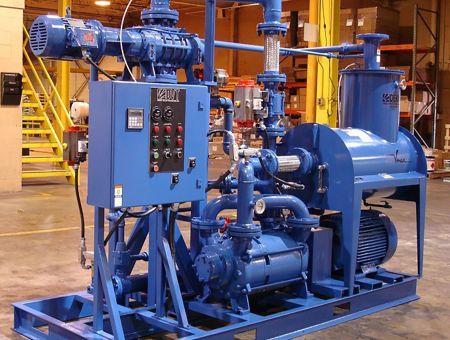
Can Vacuum Pumps Be Used in Laboratories?
Yes, vacuum pumps are extensively used in laboratories for a wide range of applications. Here’s a detailed explanation:
Vacuum pumps are essential tools in laboratory settings as they enable scientists and researchers to create and control vacuum or low-pressure environments. These controlled conditions are crucial for various scientific processes and experiments. Here are some key reasons why vacuum pumps are used in laboratories:
1. Evaporation and Distillation: Vacuum pumps are frequently used in laboratory evaporation and distillation processes. By creating a vacuum, they lower the boiling point of liquids, allowing for gentler and more controlled evaporation. This is particularly useful for heat-sensitive substances or when precise control over the evaporation process is required.
2. Filtration: Vacuum filtration is a common technique in laboratories for separating solids from liquids or gases. Vacuum pumps create suction, which helps draw the liquid or gas through the filter, leaving the solid particles behind. This method is widely used in processes such as sample preparation, microbiology, and analytical chemistry.
3. Freeze Drying: Vacuum pumps play a crucial role in freeze drying or lyophilization processes. Freeze drying involves removing moisture from a substance while it is in a frozen state, preserving its structure and properties. Vacuum pumps facilitate the sublimation of frozen water directly into vapor, resulting in the removal of moisture under low-pressure conditions.
4. Vacuum Ovens and Chambers: Vacuum pumps are used in conjunction with vacuum ovens and chambers to create controlled low-pressure environments for various applications. Vacuum ovens are used for drying heat-sensitive materials, removing solvents, or conducting reactions under reduced pressure. Vacuum chambers are utilized for testing components under simulated space or high-altitude conditions, degassing materials, or studying vacuum-related phenomena.
5. Analytical Instruments: Many laboratory analytical instruments rely on vacuum pumps to function properly. For example, mass spectrometers, electron microscopes, surface analysis equipment, and other analytical instruments often require vacuum conditions to maintain sample integrity and achieve accurate results.
6. Chemistry and Material Science: Vacuum pumps are employed in numerous chemical and material science experiments. They are used for degassing samples, creating controlled atmospheres, conducting reactions under reduced pressure, or studying gas-phase reactions. Vacuum pumps are also used in thin film deposition techniques like physical vapor deposition (PVD) and chemical vapor deposition (CVD).
7. Vacuum Systems for Experiments: In scientific research, vacuum systems are often designed and constructed for specific experiments or applications. These systems can include multiple vacuum pumps, valves, and chambers to create specialized vacuum environments tailored to the requirements of the experiment.
Overall, vacuum pumps are versatile tools that find extensive use in laboratories across various scientific disciplines. They enable researchers to control and manipulate vacuum or low-pressure conditions, facilitating a wide range of processes, experiments, and analyses. The choice of vacuum pump depends on factors such as required vacuum level, flow rate, chemical compatibility, and specific application needs.


editor by CX 2024-04-09