Product Description
Intermediate Pressure Large Flow Pump
Liquids Pumped:;
LO2,; LN2,; LAr,; LNG
Technical Parameters
1.; Flow rate:; 300-30000L/h
2.; Max.; outlet pressure:; 3.;0-9.;0Mpa
3.; Medium:; LOX,; LN or LAr,;LNG
Application
The high flow cryogenic pump is commonly used in the gas supply system of large and medium steel plants and chemical plants,;
For filling cylinders,; dewars and tanks.;
Other low and medium pressure gas supply system
Optional Configuration:;
Frequency converter
Overpressure interlocking device
Safety valve/cryogenic check valve
Interlocking device of outlet gas temperature
Interlocking device of pump temperature
PLC control system
Gas-liquid separator(used for working conditions of pipe without air return);
Featuring
1.;Module design,; wide coverage of flow
2.;Simple design of pump head parts,; convenient for maintenance
3.;Reliable structure of sealing
4.;Various configurations improve the degree of safety and automation
Model List
| Model | Type | Flow range (L/h); |
Inlet pressure (Mpa); | Max.; discharge pressure (Mpa); |
| SBP300-600/50 SBP600-1200/50 SBP1000-2000/50 SBP1000-3000/50 |
single-column horizontal piston |
300-600 600-1200 1000-2000 1000-3000 |
0.;02-1.;6 | 5.;0 |
| SBP1500-3000/30 SBP2000-4000/30 SBP3000-6000/30 |
double-column horizontal piston |
1500-3000 2000-4000 3000-6000 |
0.;02-1.;6 | 3.;0 |
| SBP5000-10000/30 SBP8000-15000/30 SBP15000-30000/30 SBP20000-45000/30 |
three-column horizontal piston |
5000-10000 8000-15000 15000-30000 20000-45000 |
0.;02-1.;6 | 3.;0 |
Product Photos
Production Process
WHAT WE CAN SUPPLY?
We specialize in producing air separation plants,; CO2 recovery plants,; cryogenic liquid storage tanks,; ISO tanks,; semi-trailer tankers,; vaporizers,; gas filling stations,; cylinders and dewars,; dry ice machines,; compressors and cryogenic pumps etc.;
Our Company
HangZhou CZPT General Equipment Co.;,;Ltd.; is a wholly owned subsidiary of ZheJiang Air Separation Plant Group Company-the second largest gas equipment producer in China.;
In the gas equipment field,; we are proficient in both design and manufacture,; enjoying a good reputation worldwide.; By our consistent efforts,; we turned the invisible air into visible brilliance.; With 40 years of experience,; we can provide customers with a complete range of products and the most professional services.; Taking advantage of the group company structure,; we have an in-depth and comprehensive understanding of market.; Customers can get all they need at one-stop purchase.;
| Oil or Not: | Oil Free |
|---|---|
| Structure: | High Pressure Pump |
| Usage: | Pump |
| Flow: | 300-30000L/H |
| Medium: | Lox, Ln or Lar,LNG |
| Power: | Electricity |
| Customization: |
Available
|
|
|---|
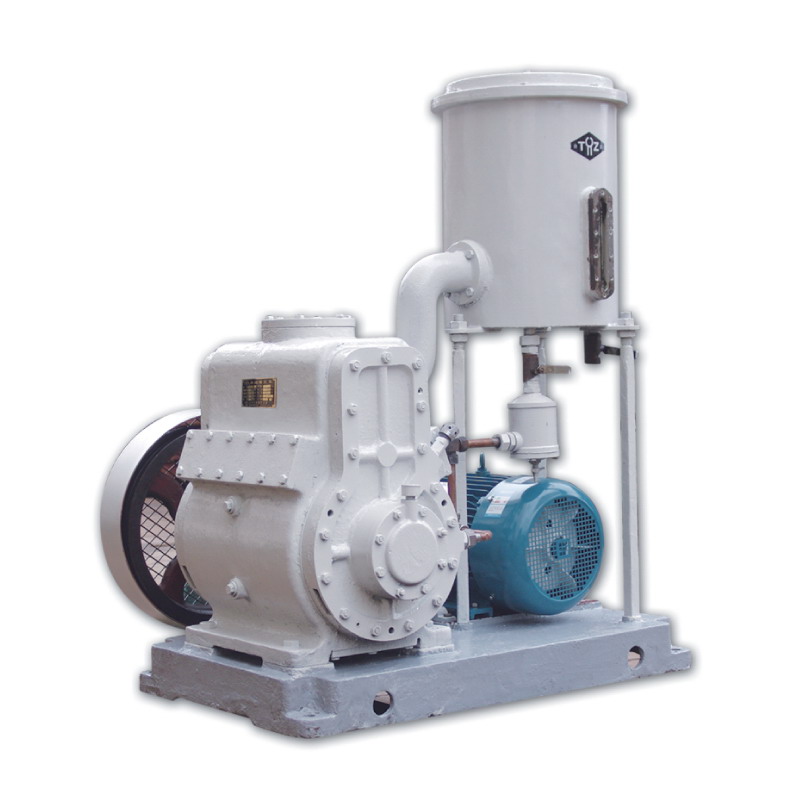
Can Piston Vacuum Pumps Create a Deep Vacuum?
Yes, piston vacuum pumps have the capability to create a deep vacuum. Here’s a detailed explanation:
Piston vacuum pumps are designed to generate and maintain a vacuum by using a reciprocating piston mechanism. They can achieve vacuum levels ranging from millitorr (10-3 Torr) to microns (10-6 Torr), which is considered a deep vacuum range.
When the piston moves downward during the suction stroke, it creates a vacuum within the cylinder. This allows gas or air from the system being evacuated to enter the cylinder. As the piston moves up during the compression stroke, the gas is expelled from the cylinder, reducing its volume and increasing its pressure. This cyclic process continues, gradually reducing the pressure within the system.
One of the factors that contribute to the ability of piston vacuum pumps to create a deep vacuum is the use of an airtight seal between the piston and cylinder walls. This seal prevents the gas from leaking back into the evacuated system, allowing the pump to maintain the desired vacuum level.
It’s important to note that the achievable vacuum level of a piston vacuum pump can depend on various factors, including the design of the pump, the materials used, the quality of the seals, and the operating conditions. Additionally, the flow rate of the pump may be lower compared to other types of vacuum pumps, as piston pumps are typically designed for applications that require low flow rates but high vacuum levels.
In summary, piston vacuum pumps can create a deep vacuum in the millitorr to micron range. With their reciprocating piston mechanism and airtight seals, they are capable of generating and maintaining a vacuum suitable for applications that require deep vacuum conditions.
Can Piston Vacuum Pumps Be Used in Medical or Pharmaceutical Applications?
Yes, piston vacuum pumps can be used in medical and pharmaceutical applications. Here’s a detailed explanation:
– Piston vacuum pumps are versatile and widely used in various industries, including medical and pharmaceutical sectors.
– Medical and pharmaceutical applications often require vacuum technology for processes such as filtration, degassing, drying, and sample preparation.
– Piston vacuum pumps offer several advantages that make them suitable for these applications:
– High Vacuum Levels: Piston pumps can achieve high vacuum levels, which are often necessary in medical and pharmaceutical processes that require precise control and removal of gases or vapors.
– Contamination-Free Operation: Piston pumps can provide contamination-free operation, making them suitable for applications where maintaining a sterile or clean environment is crucial, such as in pharmaceutical manufacturing or medical research laboratories.
– Oil-Free Operation: Some piston vacuum pumps are designed to operate without oil lubrication. Oil-free pumps eliminate the risk of oil contamination in sensitive medical or pharmaceutical processes and avoid the need for oil changes or maintenance associated with oil-lubricated pumps.
– Quiet Operation: Piston pumps can be engineered to operate with reduced noise levels, which is advantageous in medical and pharmaceutical settings where a quiet working environment is desired.
– Durability and Reliability: Piston pumps are known for their robust construction and durability, allowing them to withstand demanding applications and provide reliable performance over extended periods.
– Compact Size: Piston vacuum pumps are available in compact designs, making them suitable for applications where space is limited, such as in medical devices or portable pharmaceutical equipment.
– Some specific medical and pharmaceutical applications where piston vacuum pumps are commonly used include:
– Vacuum Filtration: Piston pumps are used to generate the necessary vacuum for filtering solutions or suspensions in laboratory or industrial settings. This process is often employed in pharmaceutical research, production of vaccines, or purification of drugs.
– Freeze Drying: Piston vacuum pumps assist in the freeze-drying process, which is a common technique used in the pharmaceutical industry to preserve and stabilize sensitive drugs or biological samples.
– Vacuum Packaging: Piston pumps are utilized for creating a vacuum in packaging processes where maintaining product quality and extending shelf life are critical, such as in the pharmaceutical packaging of medicines or medical devices.
– Laboratory Evaporation: Piston vacuum pumps are employed in laboratory applications for the evaporation of solvents or liquids in medical or pharmaceutical research, drug development, or quality control processes.
– It is important to select the appropriate piston vacuum pump model based on the specific requirements of the medical or pharmaceutical application. Factors to consider include vacuum level needed, flow rate, compatibility with the handled substances, and compliance with industry regulations and standards.
– Additionally, compliance with Good Manufacturing Practices (GMP) and other regulatory guidelines is crucial when using piston vacuum pumps in medical or pharmaceutical applications to ensure product safety, quality, and regulatory compliance.
In summary, piston vacuum pumps are suitable for use in medical and pharmaceutical applications due to their ability to achieve high vacuum levels, provide contamination-free and oil-free operation, offer quiet and reliable performance, and accommodate compact design requirements. They are commonly used in processes such as vacuum filtration, freeze drying, vacuum packaging, and laboratory evaporation in these industries.
What Is the Role of Lubrication in Piston Vacuum Pump Operation?
Lubrication plays a crucial role in the operation of a piston vacuum pump. Here’s a detailed explanation:
1. Reduction of Friction:
– Lubrication is essential for reducing friction between moving parts within the pump.
– In a piston vacuum pump, the piston moves up and down inside the cylinder, and lubrication helps to minimize the friction between the piston rings and the cylinder wall.
– By reducing friction, lubrication prevents excessive wear and heat generation, ensuring smooth and efficient operation of the pump.
2. Sealing and Leakage Prevention:
– Lubrication helps to maintain proper sealing between the piston rings and the cylinder wall.
– The lubricating oil forms a thin film between these surfaces, creating a barrier that prevents gas leakage during the compression and vacuum creation process.
– Effective sealing is crucial for maintaining the desired vacuum level and preventing air or gas from entering the pump.
3. Cooling and Heat Dissipation:
– Piston vacuum pumps generate heat during operation, particularly due to the compression of gases.
– Lubricating oil helps in dissipating the heat generated, preventing the pump from overheating.
– The oil absorbs heat from the pump’s internal components and transfers it to the pump’s housing or cooling system.
– Proper cooling and heat dissipation contribute to the pump’s overall performance and prevent damage due to excessive heat buildup.
4. Contaminant Removal:
– Lubrication also aids in removing contaminants or particles that may enter the pump.
– The oil acts as a carrier, trapping and carrying away small particles or debris that could potentially damage the pump’s components.
– The oil passes through filters that help to remove these contaminants, keeping the pump’s internal parts clean and functioning properly.
5. Corrosion Prevention:
– Some lubricating oils contain additives that provide corrosion protection.
– These additives form a protective film on the pump’s internal surfaces, preventing corrosion caused by exposure to moisture or corrosive gases.
– Corrosion prevention is crucial for maintaining the pump’s performance, extending its lifespan, and minimizing the need for repairs or component replacement.
6. Proper Lubrication Selection:
– Selecting the appropriate lubricating oil is essential for the proper functioning of a piston vacuum pump.
– Different pump models and manufacturers may recommend specific oil types or viscosities to ensure optimal performance and longevity.
– It is crucial to follow the manufacturer’s guidelines regarding oil selection, oil level, and oil change intervals.
In summary, lubrication plays a vital role in piston vacuum pump operation by reducing friction, maintaining proper sealing, dissipating heat, removing contaminants, and preventing corrosion. Proper lubrication selection and adherence to manufacturer’s guidelines are crucial for ensuring the pump’s efficient and reliable performance.


editor by CX 2023-12-29