Product Description
21 Years Of Experience. 3-7 days delivery, 3 Years Warranty , Reasonable Price And Best Service, CE Certificated Products. Advanced Technology. Please contact us for the offer.
Product Description
Description:
Rotary lobe pumps are positive-displacement type pumps that use 2 or more lobes rotating around parallel shafts in the pump’s body to move liquids. They are widely used in the hygienic processing industries, including food & beverage processing and biopharmaceutical manufacturing.
Working Principle of Rotary Lobe Pump:
The rotary lobe pumps, we also called them lobe rotor pumps. They are 1 popular transfer pump to conveying the food, beverage, pulp and paper, chemical, pharmaceutical and so on. The rotor lobe pump relies on 2 synchronously rotating rotors that generate suction (vacuum) at the inlet during the rotation. Thereby sucking in the material to be conveyed. Both rotors split the rotor chamber into different spaces. Then operate in the order of 1-2-3-4. The medium is delivered to the discharge port. In this cycle, the medium (material) is continuously transported out by the source.
Different Kind of Lobe Options for the Rotor Lobe Pump
1. Single Lobed Rotor: More suitable for conveying media which containing large granular materials. The breaking rate of large granular materials is low. But on other hand it is not popular 1 for used, Because its pulsation is large and pressure is low, also the volume is small for the space of transferred materials.
2. Two-Lobed Rotor (Butterfly Rotor) More suitable for conveying media which containing small and medium-size granular materials. The breaking rate to these materials is low and getting slightly pulsating. The volume is a little less than the three-lobed rotor for the space of transferred materials.
3. Three-Lobed Rotor It is widely used in 1 rotor. The volume is bigger than other type of rotors for the space of transferred materials. Also, each performance is higher than other rotors. Just, it has a certain rate of breakage to the particulate materials on the transport way.
4. Multi-Lobed Rotor(4-12) The volume is smaller for the space of transferred materials and breaking rate higher when the quantity of rotary vane of rotor be increased, Just the transport way more stable.
Character:
1,There Is A Certain Gap Between Rotor And Rotor, No Friction Coefficient, So Pump Have A Long Service Life Time.
2, It Is Easy To Install And Disassemble, And It Is Convenient To Maintain, clean . There Is Less Wearing Parts.
3, High Efficiency And Energy Saving, Stable Transportation, Low Failure Rate, No Leak Sealing And Low Noise.
4, The Viscosity Of The Transportable Medium Is, ≤2000000 CP, And The Pump Can Transfer Slurry Containing 70% Solids.
5, It Can Transport Gas, Liquid And CZPT Three-Phase Mixture Materials.
6, With FD, The Flow Can Be Adjusted At Will, And The Pump Can Be Used As A General Metering Pump.
7, If you need, We Can Do The Pump With Heating Jacket.
8, Applicable Temperature: -50 °C, -250 °C.
9, Types Of Inlet/Outlet Connection: Flange Joint, Threaded Connection; Quick Connection.
10,Seal Type: Mechanical Seal And Packing Seal.
Lobe Pump Scope Of Application.
Dairy Products: Yogurt, Cream, Ice Cream, Cheese And Whey.
Beverages: Beer, Wort, Yeast, Soft Drinks, Fruit Concentrates, Fruit Drinks.
Food: Tomato Sauce, Vegetable Paste, Seasoning, Sweeteners, Yeast Paste, Salad, Meat Emulsion, Edible Oil.
Candy: Syrup, Cream Stuffing, Fruit Purée, Fruit Filling, Pudding, Jam, Jelly, Chocolate.
Cosmetics: Creams And Lotions, Hair Gels, Hair Dyes, Essential Oils.
Drugs: Pill, Extract, Emulsion, Paste.
Chemicals: Fats, Solvents, Resins And Polymers, dyes…
ADVANTAGES OF ROTARY LOBE PUMPS
Since the pump’s lobes do not come into contact with each other, lobe pumps can move solids suspended in slurries (such as cherries or olives in food processing applications) without product damage. The gentle pump action further minimizes product degradation. Can handle larger sized particles than may be pumped with other types of positive displacement pumps. It may be easily cleaned using either clean-in-place (CIP) or steam-in-place (SIP) methods, making them ideal for hygienic processing applications. Highly efficient for pumping very viscous liquids. Offer accurate and consistent fluid output that is unaffected by changes in head pressure, assuming sufficient fluid viscosity. The fluid flow can be increased or decreased by controlling the drive speed. If wetted, rotary lobe pumps are also self-priming, and can run dry for long periods of time (assuming the pump’s seals are lubricated). Generally easy to maintain.
|
Product Name: |
Sanitary Stainless Steel Rotor Rotary Lobe Pump |
|
Description: |
Designed according to 3A standard, widely used for transfer viscous media in the food-processing, cosemtics and pharmaceutical |
|
Construction: |
Horizontal Ace series, diffirent rotor shapes(single rotro,tri-lobe rotors and butterfly type rotors) |
|
Material: |
SS304/SS316 |
|
Seal Material: |
CZPT (Standard, approval) |
|
Max. Flow: |
43000Liter/h |
|
Max.pressure: |
10bar |
|
Speed |
1-1000 rmp |
|
Rotor Type: |
2-leaves, 3-leaves, butterfly, signal butterfly |
|
Mechanical seal: |
SIC/SiC/EPDM(Standard) |
|
Motor power: |
0.75kw, 1.1kw, 1.5kw, 2.2kw, 3kw, …22KW |
|
Sealing option: |
Sanitary single mechanical seal/Double mechanical seal with cooling system |
|
Voltage: |
220V, 380V(110-480v) |
|
Motor: |
ABB, Siemens,Our Domestic Brand,50hz/ 60hz |
|
Surface treatment: |
Inner polished and Sandblast outside |
|
connection: |
Clamp, Thread, weld, Flange |
|
Availably standard: |
DIN, SMS, 3A, RJT, ISO/IDF |
|
Operated: |
Electic |
|
Application scope: |
Dairy, food, beverage, pharmacy, cosmetic, etc |
|
Packaging Details: |
Plywood case |
|
Delivery details: |
Usually within1-7 days after receiving T/T down payment |
|
We can customize the Lobe Pump according to customer requirements. |
|
|
Technical Parameters |
||||
|
Model |
Capacity/Per centum rotate (L) |
Speed(RPM) |
Flow(L/H) |
Power(KW) |
|
ACE-3R |
3L |
100-500 |
300-800 |
0.55 |
|
ACE-6R |
6L |
100-500 |
650-1600 |
0.75 |
|
ACE-8R |
8L |
100-500 |
850-2160 |
1.5 |
|
ACE-12R |
12L |
100-500 |
1300-3200 |
2.2 |
|
ACE-20R |
20L |
100-500 |
2100-5400 |
3 |
|
ACE-30R |
30L |
100-500 |
3200-6400 |
4 |
|
ACE-36R |
36L |
100-500 |
3800-7600 |
4 |
|
ACE-52R |
52L |
100-500 |
5600-11000 |
5.5 |
|
ACE-66R |
66L |
100-500 |
7100-14000 |
7.5 |
|
ACE-78R |
78L |
100-500 |
9000-18000 |
7.5 |
|
ACE-100R |
100L |
100-500 |
11000-22000 |
11 |
|
ACE-135R |
135L |
100-500 |
15000-30000 |
15 |
|
ACE-160R |
160L |
100-500 |
17000-34000 |
18.5 |
|
ACE-200R |
200L |
100-500 |
21600-43000 |
22 |
Detailed Photos
Packaging & Shipping
Other pumps
Certifications
FAQ
Q1. What is your terms of packing?
A: Generally, we pack our goods in plywood case or carton package for small parts.
If you have legally registered patent, we can pack the goods in your branded boxes after getting your authorization letters.
Q2. What is your terms of payment?
A: T/T in advance, 30% as deposit, and finish 70% balance payment before delivery.
We’ll show you the photos of the products and packages before you pay the balance.
Q3. What is your terms of delivery?
A: EXW, FOB, CIF, DDU.
Q4. How about your delivery time?
A: Generally, it will take 3 to 4 weeks after receiving your advance payment. The specific delivery time depends
on the items and the quantity of your order.
Q5. Can you produce according to the samples?
A: Yes, we can produce by your samples or technical drawings.
Q6.Do you test all your goods before delivery?
A: Yes, we have 100% test before delivery
Q7: How do you make our business long-term and good relationship?
A:1. We keep good quality and competitive price to ensure our customers benefit ;
2. We respect every customer as our friend and we sincerely do business and make friends with them, no matter where they come from.
/* January 22, 2571 19:08:37 */!function(){function s(e,r){var a,o={};try{e&&e.split(“,”).forEach(function(e,t){e&&(a=e.match(/(.*?):(.*)$/))&&1
| After-sales Service: | Video Technical Support, Online Support |
|---|---|
| Warranty: | 2 Years |
| Mesh Form: | External Engaged |
| Tooth Flank: | Stainless Steel Rotary Lobe |
| Tooth Curve: | Stainless Steel Rotary Lobe |
| Power: | Electric |
| Samples: |
US$ 850/Set
1 Set(Min.Order) | |
|---|
| Customization: |
Available
|
|
|---|
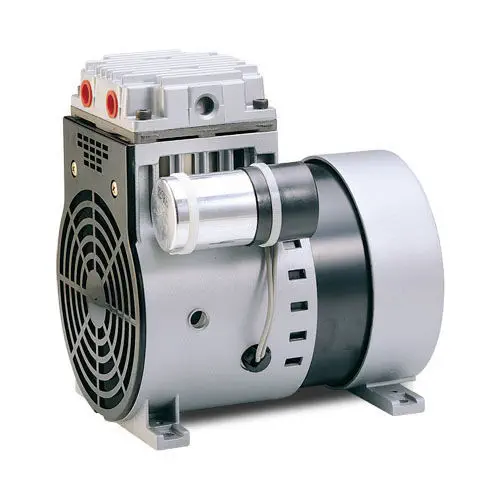
What Are the Typical Applications of Piston Vacuum Pumps?
Piston vacuum pumps find applications in various industries and processes. Here’s a detailed explanation of the typical applications of piston vacuum pumps:
1. Laboratories and Research Facilities:
– Piston vacuum pumps are commonly used in laboratories and research facilities for a wide range of applications.
– They are utilized in vacuum ovens, freeze dryers, vacuum filtration systems, and other equipment requiring controlled evacuation.
2. Pharmaceuticals and Biotechnology:
– In the pharmaceutical and biotechnology industries, piston vacuum pumps are employed for processes such as solvent evaporation, distillation, and filtration.
– They are used in drug manufacturing, vaccine production, and research involving biochemistry and molecular biology.
3. Food Processing and Packaging:
– Piston vacuum pumps play a vital role in the food processing and packaging industry.
– They are used in vacuum packaging machines to remove air from packaging containers, extending the shelf life of food products.
4. HVAC and Refrigeration Systems:
– Piston vacuum pumps are utilized in HVAC (Heating, Ventilation, and Air Conditioning) systems and refrigeration systems.
– They help evacuate air and moisture from the systems to achieve the desired pressure and prevent contamination.
5. Manufacturing and Industrial Processes:
– Piston vacuum pumps are employed in various manufacturing and industrial processes.
– They are used for degassing, vacuum impregnation, vacuum drying, and other applications that require controlled evacuation.
6. Automotive Industry:
– In the automotive industry, piston vacuum pumps are often used in brake booster systems.
– They create a vacuum to assist in brake actuation, providing the necessary power for braking.
7. Electronics and Semiconductor Manufacturing:
– Piston vacuum pumps are utilized in electronics and semiconductor manufacturing processes.
– They help create a controlled environment with low-pressure conditions during the production of microchips, integrated circuits, and other electronic components.
8. Environmental Monitoring and Analysis:
– Piston vacuum pumps are utilized in environmental monitoring and analysis equipment.
– They are used in air sampling devices, gas analyzers, and other instruments that require precise vacuum control.
9. Scientific Research and Vacuum Systems:
– Piston vacuum pumps are employed in various scientific research applications.
– They are used in vacuum systems for particle accelerators, electron microscopes, mass spectrometers, surface analysis instruments, and other scientific equipment.
In summary, piston vacuum pumps have diverse applications in laboratories, pharmaceuticals, food processing, HVAC systems, manufacturing processes, automotive industry, electronics, environmental monitoring, scientific research, and more. Their ability to provide controlled evacuation and achieve moderate vacuum levels makes them suitable for a wide range of industries and processes.
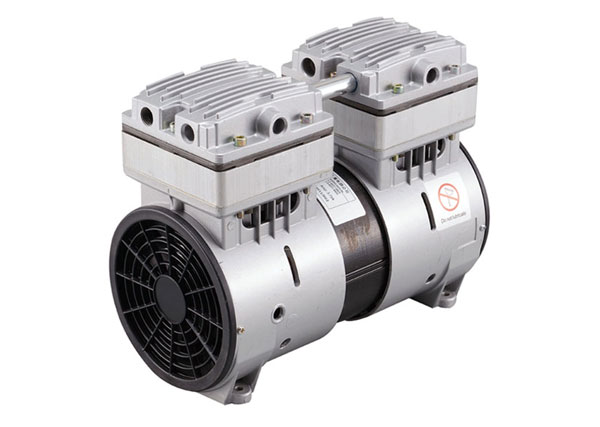
What Are the Safety Precautions for Operating Piston Vacuum Pumps?
Operating piston vacuum pumps requires adherence to safety precautions to ensure the well-being of personnel and the proper functioning of the equipment. Here’s a detailed explanation of the safety precautions for operating piston vacuum pumps:
– Familiarize Yourself with the User Manual: Before operating a piston vacuum pump, thoroughly read and understand the user manual provided by the manufacturer. The manual contains important safety guidelines specific to the pump model.
– Personal Protective Equipment (PPE): Always wear appropriate personal protective equipment, such as safety goggles, gloves, and hearing protection, when operating the pump. This helps protect against potential hazards, including chemical exposure, flying debris, and noise.
– Ventilation: Ensure that the area where the pump is operated has adequate ventilation. Proper ventilation helps prevent the accumulation of fumes, vapors, or hazardous gases that may be generated during the pumping process.
– Electrical Safety: Follow electrical safety precautions, including proper grounding and connection of the pump to a suitable power source. Inspect power cords and plugs for any damage before use, and avoid using the pump in wet or damp environments.
– Pressure and Vacuum Limits: Operate the pump within its specified pressure and vacuum limits. Exceeding these limits can lead to equipment failure, compromising safety and performance.
– Overpressure Protection: Ensure the pump has appropriate overpressure protection mechanisms, such as relief valves or pressure sensors, to prevent excessive pressure buildup. Regularly inspect and maintain these safety devices to ensure their proper functioning.
– Cooling and Temperature: Pay attention to the cooling requirements of the pump. Adequate cooling is necessary to prevent overheating and potential damage to the pump. Avoid blocking or obstructing cooling vents or fins. Monitor the pump’s temperature during operation and follow any temperature-related guidelines provided by the manufacturer.
– Maintenance and Inspection: Regularly inspect and maintain the pump according to the manufacturer’s recommendations. This includes cleaning, lubricating, and replacing parts as necessary. Perform maintenance tasks only when the pump is turned off and disconnected from the power source.
– Emergency Stop: Familiarize yourself with the location and operation of the emergency stop button or switch on the pump. In case of any emergency or abnormal situation, immediately activate the emergency stop to shut down the pump safely.
– Training and Competence: Ensure that operators are adequately trained and competent to operate the piston vacuum pump. Proper training helps minimize the risks associated with incorrect operation or handling of the equipment.
– Hazardous Materials: If the pump is used with hazardous materials, follow appropriate safety protocols for handling, containment, and disposal. Be aware of the potential risks associated with the materials being pumped and take necessary precautions to mitigate those risks.
– Warning Signs and Labels: Pay attention to warning signs, labels, and markings on the pump, including safety instructions, hazard warnings, and operating instructions. Follow these instructions carefully to ensure safe operation.
– Emergency Procedures: Establish and communicate clear emergency procedures in case of accidents, spills, or other hazardous situations. Ensure that operators are aware of these procedures and know how to respond appropriately.
– Regular Risk Assessment: Conduct regular risk assessments of the pump operation to identify potential hazards and implement appropriate safety measures. Periodically review and update safety protocols based on the results of these assessments.
– Emergency Response Resources: Keep appropriate emergency response resources readily available, such as fire extinguishers, spill kits, and emergency eyewash stations, in case of accidents or spills.
In summary, operating piston vacuum pumps safely requires following several key safety precautions, including familiarizing yourself with the user manual, using appropriate personal protective equipment, ensuring proper ventilation, adhering to electrical safety guidelines, operating within pressure and vacuum limits, maintaining cooling requirements, performing regular maintenance and inspections, being aware of emergency stop procedures, providing adequate training and competence, handling hazardous materials safely, paying attention to warning signs and labels, establishing emergency procedures, conducting risk assessments, and keeping emergency response resources available.
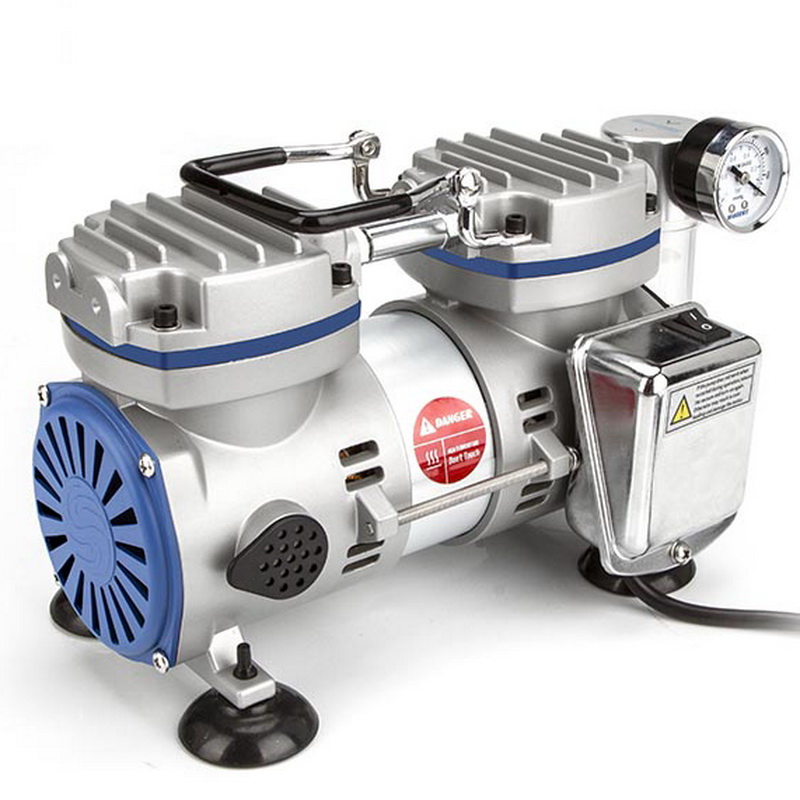
How Do You Maintain and Service a Piston Vacuum Pump?
Maintaining and servicing a piston vacuum pump is essential to ensure its optimal performance and longevity. Here’s a detailed explanation:
1. Regular Inspection:
– Perform regular visual inspections of the pump to check for any signs of damage, leaks, or wear.
– Inspect the seals, gaskets, and fittings for any cracks or deterioration.
– Ensure that all connections are tight and secure.
2. Oil Change:
– Piston vacuum pumps typically require regular oil changes to maintain proper lubrication and prevent contamination.
– Follow the manufacturer’s guidelines regarding the frequency of oil changes.
– Drain the old oil completely and replace it with the recommended oil type and quantity.
– Dispose of the used oil according to proper environmental regulations.
3. Filter Replacement:
– Many piston vacuum pumps have filters to prevent dust, particles, and contaminants from entering the pump.
– Check the filter regularly and replace it as needed to maintain proper airflow and prevent clogging.
4. Cleaning:
– Keep the exterior of the pump and its surrounding area clean and free from debris.
– Use a soft cloth or brush to remove any dust or dirt accumulation.
– Avoid using harsh chemicals or solvents that may damage the pump’s surfaces.
5. Seals and Gaskets:
– Inspect the seals and gaskets regularly and replace them if they show signs of wear or damage.
– Ensure that the seals provide a proper airtight seal to prevent leaks and maintain vacuum performance.
6. Cooling System:
– If the piston vacuum pump has a cooling system, monitor it regularly to ensure proper functioning.
– Clean or replace the cooling system components as recommended by the manufacturer.
7. Professional Maintenance:
– Consider scheduling professional maintenance and service at regular intervals, especially for more complex or critical applications.
– Professional technicians can perform in-depth inspections, conduct performance tests, and address any specific issues or concerns.
– They can also provide recommendations on optimizing the pump’s performance and extending its lifespan.
8. Manufacturer Guidelines:
– Always refer to the manufacturer’s maintenance and service guidelines specific to your piston vacuum pump model.
– Follow their recommendations regarding oil type, oil level, maintenance intervals, and any other specific instructions.
– Adhering to the manufacturer’s guidelines ensures proper operation and prevents voiding the warranty.
In summary, maintaining and servicing a piston vacuum pump involves regular inspection, oil changes, filter replacement, cleaning, checking seals and gaskets, monitoring the cooling system, and considering professional maintenance. Following the manufacturer’s guidelines is crucial for effective maintenance and to maximize the pump’s performance and lifespan.


editor by CX 2024-03-21