Product Description
Product Description
WLW Series Oil-free Vacuum Pump
Overview
Reciprocating vertical oilless vacuum pump (also called piston vacuum pump) is 1 of the low-vacuum obtaining equipment. Its ultimate pressure is usually within 1330~2660PA, and the pumping rate range is wider that is from 50L/S to 600L/S.
Reciprocating vacuum pump is applicable to the vacuum impregnation, vacuum treatment of molten steel, vacuum distillation, vacuum evaporation, vacuum concentration, vacuum crystallization, vacuum drying, vacuum filtration in petroleum, chemical industry, medicine, food, light industry, metallurgy, electric and other industries, as well as pumping gases for the vacuum treatment of concrete and other areas, but either not applicable pump the gases which have excessive oxygen content, poisonous and explosive feature, corrosive effects to metals, and dust particles, nor act as a transfer pump to transfer gas form 1 container to another.
Features
(1) Small power consumption and significant energy-saving effect;
(2) Small floor space and low working noise;
(3) Cylinder adopts forced water cooling with good cooling effect;
(4) Adopt advanced sealing structure to put an end to oil splash;
(5) Due to the rational structure and uniform stress of each moving part, the service life is extended.
Applications
WLW vertical oil-free (corrosion-resistant) reciprocating vacuum pump is the upgraded product to replace W horizontal vacuum pump, and the principal equipment to obtain rough vacuum. As adopt the full sealing device, it realizes the complete isolation of the crankcase from the cylinder; In addition, self-lubricating materials are used for piston ring to achieve the advanced oil-free lubrication.
Since no sewage is discharged, this type of vacuum pump is especially suitable for the vacuum distillation, vacuum evaporation, vacuum drying, vacuum concentration, vacuum impregnation, and other processes in chemical, medicine, food and other industries.
Product Parameters
|
Model Functions |
WLW-50 |
WLW-70 |
WLW-100 |
WLW-150 |
WLW-200 |
WLW-300 |
WLW-600 |
|
|
(≤ Pa) Ultimate Pressure |
2000 |
2000 |
2000 |
2000 |
2000 |
2000 |
2000 |
|
|
(L/S) Pumping Speed |
50 |
70 |
100 |
150 |
200 |
300 |
600 |
|
|
Motor |
Model |
Y132M1-6 |
Y132M2-6 |
Y160M-6 |
Y160L-6 |
Y180L-6 |
Y200L2-6 |
Y280S-6 |
|
(kw) Power |
4 |
5.5 |
7.5 |
11 |
15 |
22 |
45 |
|
|
(rpm) Rotational Speed |
270 |
380 |
350 |
210 |
280 |
250 |
240 |
|
|
(mm) Inlet Diameter |
Φ 50 |
Φ 50 |
Φ 95 |
Φ 125 |
Φ 125 |
Φ 160 |
Φ 245 |
|
|
(mm) Outlet Diameter |
Φ 50 |
Φ 50 |
Φ 95 |
Φ 125 |
Φ 125 |
Φ 160 |
Φ 245 |
|
|
(mm) Diameter |
Φ 15 |
Φ 15 |
Φ 15 |
Φ 15 |
Φ 15 |
Φ 15 |
Φ 15 |
|
|
(mm) Diameter |
Φ 15 |
Φ 15 |
Φ 15 |
Φ 15 |
Φ 15 |
Φ 15 |
Φ 15 |
|
|
(Degrees C) Temperature Rise |
≤ 40 |
≤ 40 |
≤ 40 |
≤ 40 |
≤ 40 |
≤ 40 |
≤ 40 |
|
|
(A) LW Noise |
≤ 70 |
≤ 75 |
≤ 75 |
≤ 78 |
≤ 80 |
≤ 80 |
≤ 80 |
|
|
(Kg) Weight |
500 |
520 |
700 |
900 |
1000 |
1500 |
3100 |
|
Detailed Photos
Packaging & Shipping
Packing Details : One pump in One plywood case
Delivery Details : 30 days after order confirmation
Standard package without original wood, no fumigation needed.
Company Profile
ZheZheJiang oto Pump Industrial Co., Ltd. is a professional pump manufacturer integrating R&D, manufacturing, sales and service as a whole, which has been certified by ISO9001 international quality management system.
Located in Xihu (West Lake) Dis.a Industrial Park, ZheJiang , CZPT Pump Industrial possesses 2 manufacturing bases in ZheJiang and ZHangZhoug. Since our inception, CZPT Pump Industrial has been committed to the innovation and development of various pumps. Our leading products include self-priming trash pump, centrifugal pump, submersible pump, diaphragm pump, vacuum pump, diesel pump, fire pump, etc.
FAQ
Q: Can I chat with you online? What is your company official website?
Q: What type of company CZPT is?
A: CZPT is a manufacture and trading company, has factories in ZheJiang and ZHangZhoug, with export and import license.
Q: What kinds of pumps do you supply?
A: Our products including self-priming trash pump, centrifugal pump, diaphragm pump, submersible pump, chemical pump, oil pump, diesel pump, fire fighting pump, etc.
Q: What is your payment terms?
A: Alibaba Trade Assurance, Western Union, Paypal, T/T, L/C, etc.
Q: Can you provide OEM, ODM service?
A: Yes. We have factories in ZheJiang and ZHangZhoug, we can make products according to your requirements.
Q: Why should we buy from you?
A: We are committed to provide best quality products at minimum delivery time and competitive price. We believe this is what customer wants. We are satified until customers are.
Q: What is your warranty period?
A: We provide 1 year of unconditional warranty on our products for the manufacturing defects.
Q: What about delivery time?
A: Normally our production time is within 2 weeks. Please confirm before order.
| After-sales Service: | 1 Year |
|---|---|
| Warranty: | 1 Year |
| Oil or Not: | Oil Free |
| Structure: | Jet Flow Vacuum Pump |
| Exhauster Method: | Positive Displacement Pump |
| Vacuum Degree: | High Vacuum |
| Samples: |
US$ 800/Piece
1 Piece(Min.Order) | |
|---|
| Customization: |
Available
|
|
|---|
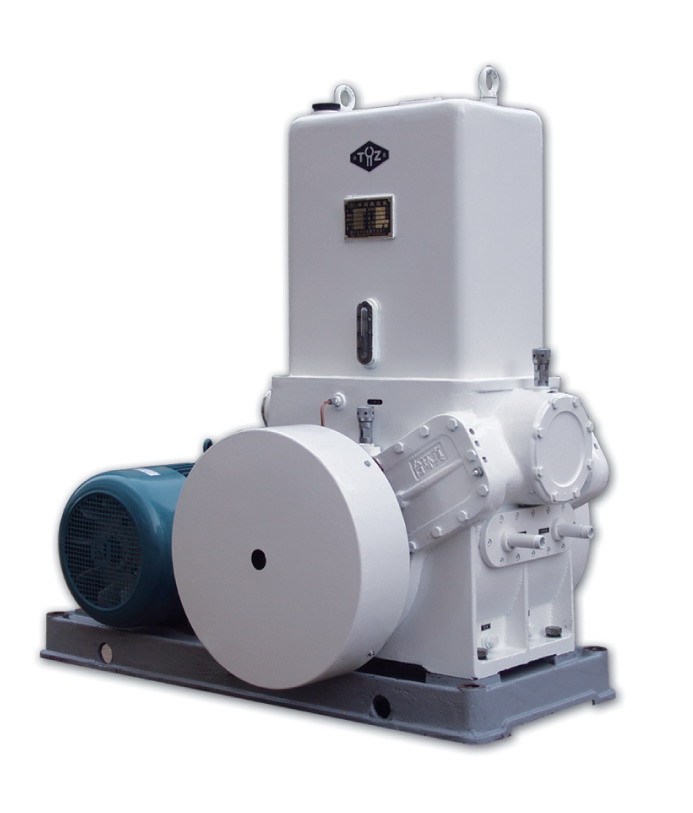
What Are the Key Components of a Piston Vacuum Pump?
A piston vacuum pump consists of several key components that work together to create a vacuum. Here’s a detailed explanation of these components:
1. Cylinder:
– The cylinder is a cylindrical chamber where the piston moves back and forth.
– It provides the housing for the piston and plays a crucial role in creating the vacuum by changing the volume of the chamber.
2. Piston:
– The piston is a movable component that fits inside the cylinder.
– It creates a seal between the piston and cylinder walls, allowing the pump to create a pressure differential and generate a vacuum.
– The piston is typically driven by a motor or an external power source.
3. Intake Valve:
– The intake valve allows gas or air to enter the cylinder during the suction stroke.
– It opens when the piston moves downward, creating a vacuum and drawing gas into the cylinder from the system being evacuated.
4. Exhaust Valve:
– The exhaust valve allows the expelled gas to exit the cylinder during the compression stroke.
– It opens when the piston moves upward, allowing the compressed gas to be expelled from the cylinder.
5. Lubrication System:
– Piston vacuum pumps often incorporate a lubrication system to ensure smooth operation and maintain an airtight seal between the piston and cylinder walls.
– Lubricating oil is introduced into the cylinder to provide lubrication and help maintain the seal.
– The lubrication system also helps to cool the pump by dissipating heat generated during operation.
6. Cooling System:
– Some piston vacuum pumps may include a cooling system to prevent overheating.
– This can involve the circulation of a cooling fluid or the use of cooling fins to dissipate heat generated during operation.
7. Pressure Gauges and Controls:
– Pressure gauges are often installed to monitor the vacuum level or pressure within the system.
– Control mechanisms, such as switches or valves, may be present to regulate the operation of the pump or maintain the desired vacuum level.
8. Motor or Power Source:
– The piston in a piston vacuum pump is typically driven by a motor or an external power source.
– The motor provides the necessary mechanical energy to move the piston back and forth, creating the suction and compression strokes.
9. Frame or Housing:
– The components of the piston vacuum pump are housed within a frame or housing that provides structural support and protection.
– The frame or housing also helps to reduce noise and vibration during operation.
In summary, the key components of a piston vacuum pump include the cylinder, piston, intake valve, exhaust valve, lubrication system, cooling system, pressure gauges and controls, motor or power source, and the frame or housing. These components work together to create a vacuum by reciprocating the piston within the cylinder, allowing gas to be drawn in and expelled, while maintaining an airtight seal. The lubrication and cooling systems, as well as pressure gauges and controls, ensure smooth and efficient operation of the pump.
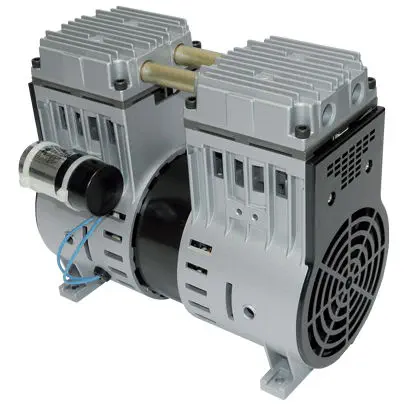
Are There Noise Considerations When Using Piston Vacuum Pumps?
Yes, there are noise considerations to take into account when using piston vacuum pumps. Here’s a detailed explanation:
– Piston vacuum pumps can generate noise during their operation, which is important to consider, especially in environments where noise levels need to be minimized.
– The noise produced by piston vacuum pumps is primarily caused by mechanical vibrations and the movement of internal components.
– The noise level can vary depending on factors such as the design and construction of the pump, the speed of operation, and the load conditions.
– Excessive noise from piston vacuum pumps can have several implications:
– Occupational Health and Safety: High noise levels can pose a risk to the health and safety of operators and personnel working in the vicinity of the pump. Prolonged exposure to loud noise can lead to hearing damage and other related health issues.
– Environmental Impact: In certain settings, such as residential areas or noise-sensitive locations, excessive noise from piston vacuum pumps may result in noise pollution and non-compliance with local noise regulations.
– Equipment Interference: Noise generated by the pump can interfere with the operation of nearby sensitive equipment, such as electronic devices or precision instruments, potentially affecting their performance.
– To mitigate the noise produced by piston vacuum pumps, several measures can be taken:
– Enclosures and Sound Insulation: Installing acoustic enclosures or sound-insulating materials around the pump can help contain and reduce the noise. These enclosures are designed to absorb or block the sound waves generated by the pump.
– Vibration Isolation: Using vibration isolation mounts or pads can help minimize the transmission of vibrations from the pump to surrounding structures, reducing the noise level.
– Maintenance and Lubrication: Regular maintenance, including lubrication of moving parts, can help reduce friction and mechanical noise generated by the pump.
– Operating Conditions: Adjusting the operating conditions of the pump, such as speed and load, within the manufacturer’s specified limits can help optimize performance and minimize noise generation.
– Location and Placement: Proper positioning and placement of the pump, considering factors such as distance from occupied areas or sensitive equipment, can help minimize the impact of noise.
– It is important to consult the manufacturer’s guidelines and recommendations regarding noise levels and any specific measures to mitigate noise for a particular piston vacuum pump model.
– Compliance with local regulations and standards regarding noise emissions should also be considered and adhered to.
In summary, noise considerations are important when using piston vacuum pumps to ensure the health and safety of personnel, minimize environmental impact, and prevent interference with other equipment. Measures such as enclosures, vibration isolation, maintenance, and proper operating conditions can help mitigate the noise generated by these pumps.
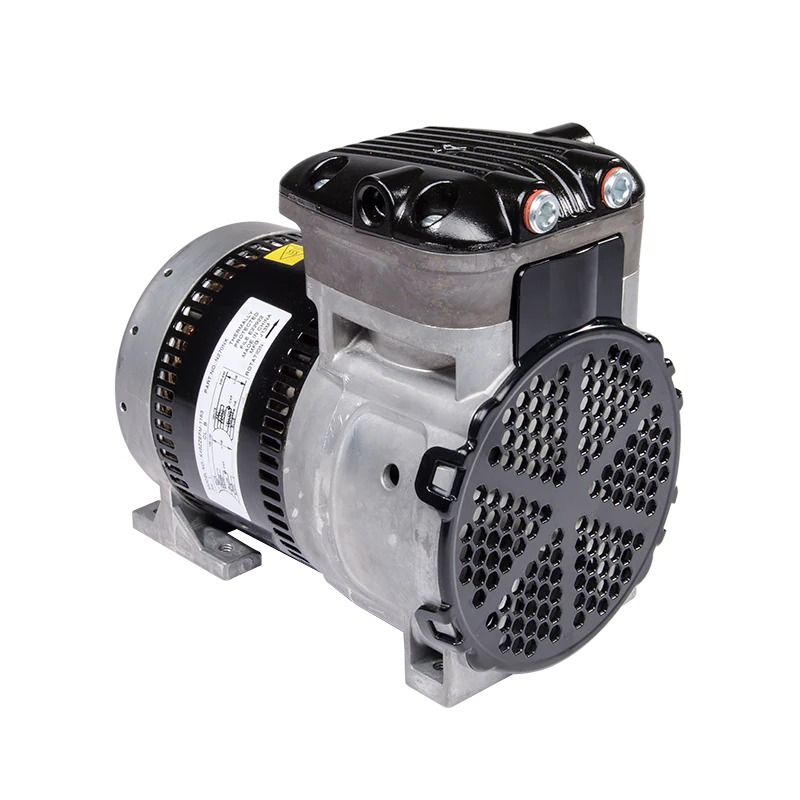
Are There Oil-Free Piston Vacuum Pump Options Available?
Yes, there are oil-free piston vacuum pump options available. Here’s a detailed explanation:
1. Oil-Free Technology:
– Traditional piston vacuum pumps use oil as a lubricant and sealant in their operation.
– However, advancements in vacuum pump technology have led to the development of oil-free piston vacuum pumps.
– Oil-free piston pumps are designed to operate without the need for lubricating oil, eliminating the risk of oil contamination and the need for oil changes.
2. Dry Running Operation:
– Oil-free piston vacuum pumps achieve lubrication and sealing through alternative means.
– They often utilize materials such as self-lubricating polymers or advanced coatings on the piston and cylinder surfaces.
– These materials reduce friction and provide sufficient sealing to maintain vacuum levels without the need for oil.
3. Applications:
– Oil-free piston vacuum pumps are suitable for a wide range of applications where oil contamination is a concern.
– They are commonly used in industries such as food and beverage, pharmaceutical, electronics, laboratories, and medical where a clean and oil-free vacuum environment is required.
4. Advantages:
– The primary advantage of oil-free piston vacuum pumps is their ability to provide a clean and oil-free vacuum.
– They eliminate the risk of oil contamination, which is crucial in sensitive applications such as semiconductor manufacturing or pharmaceutical production.
– Oil-free pumps also simplify maintenance since there is no need for oil changes or regular oil monitoring.
5. Considerations:
– While oil-free piston vacuum pumps offer advantages, they also have some considerations to keep in mind.
– They may have slightly lower ultimate vacuum levels compared to oil-lubricated pumps.
– The absence of oil as a lubricant may result in slightly higher operating temperatures and increased wear on piston and cylinder surfaces.
– It’s important to select an oil-free piston vacuum pump that is suitable for the specific application requirements and consider the trade-offs between performance, cost, and maintenance.
6. Alternative Pump Technologies:
– In some cases, where oil-free operation is critical or specific vacuum levels are required, alternative pump technologies may be more suitable.
– Dry screw pumps, claw pumps, or scroll pumps are examples of oil-free pump technologies that are widely used in various industries.
– These pumps offer oil-free operation, high pumping speeds, and can achieve lower vacuum levels compared to oil-free piston pumps.
In summary, oil-free piston vacuum pumps are available as an alternative to traditional oil-lubricated pumps. They provide a clean and oil-free vacuum environment, making them suitable for applications where oil contamination is a concern. However, it’s important to consider specific application requirements and explore alternative pump technologies if necessary.


editor by CX 2023-10-27