Product Description
Skid mounted cementing equipment is mainly utilized in offshore or remote areas on land, such as desert where the vehicles are difficult to reach. Three kinds of major cementing plunger pumps of TPA400, TPH400 or TPB600 and variety of plunger size can be selected according to different operating conditions. The unit is fully considered the anticorrosion for offshore application. Zone-II explosion-proof unit is also developed, for the characteristics of offshore platform
I.Overview
Model PCS-421B is an integral skid mounted mixing and pumping unit which is state-of-the-art in continuous mixing and density automatic control.
It mainly consists of skid frame, 2 engines, 2 transmissions, 2 TPA400 triplex pumps, hydraulic system, nigh and low pressure system and ACM auto mixing system. The High energy mixing system is powered from 2 transmissions PTO. The entire skid is very compact and applicable for offshore drilling platform.
This unit is mainly utilized in cementing job, acidizing job, oil well pressure testing, and other fluid pumping job in offshore, on land or desert oil field.
2.General specification
Max. working pressure: 69MPa (w/ 3 3/4″ fluid end)
Max. flow: 3.28m3/min(w/two 5″ fluid ends)
Density range: 1.3~2.5g/cm3
Auto control precision: ±0.02 g/cm3
Mixing capacity:0.3~2.3m3/min
Working temperature: -20ºC – 50ºC
Overall dimension (mm): 7400(L) x2500(W) x3265(H)
Net weight: 20000kg
3. Technical Specification
| Technical specification | ||||
| Engine | C13 475 HP@2100 RPM (2sets) | |||
| C15 540HP@2100RPM (optional) | ||||
| Detroit S60 475HP@2100RPM (optional) | ||||
| Transmission | Allision 4700OFS (5 CZPT gears + neutral gear) (2sets) | |||
| Hydraulic system | driven by transmission FTO, closed loop for c-pumps, open loop for agitators | |||
| Triplex pump (2 sets) | ||||
| Model/type | SERVA TPA400 Reciprocal, horizontal single action plunger pump | |||
| Stroke | 5″(127mm) | |||
| Max. B.H.P. | 400 BHP (294Kw) | |||
| Chain case ratio | 27:40 | |||
| Gear ratio | 25:108 | |||
| Fluid End | 3 3/4″ | 4 1/2″ | 5″ | |
| Rated pressure | 69MPa | 48.3MFa | 38MPa | |
| Max. discharge rate | 0.92 m3/min | 1.34 m3/min | 1.64 m3/min | |
| ACM-lll.1mixing system | ||||
| Mixer | High energy recirculating mixer | |||
| Dry cement valve | off-center bulk metering valve | |||
| Water pump | SERVA 4X3 (1.5 m3/[email protected]) | |||
| Redrculating/booster pump | SERVA RA56 (3.7 m3/[email protected]) (two sets) | |||
| Densitometer | Micro Motion 3″ F300 non-radioactive densitometer | |||
| Computer system | AB PLC | |||
| Others | ||||
| Mixing tank | 8 BBL (1.4 m3) | Fuel tank | 900 L | |
| Measuring tank | 2X10 BBL (2X1.5 m3) | Hydraulic oil tank | 170 L | |
| Air tank | 80L | |||
4. Features
- High energy recirculating jet mixing system.
- Off-center dry cement valve avoids bulk cement from choking.
- Emergency kill system of air inlet shutoff.
- Plunger pump overpressure protection system.
- SPS non-leakage packing system.
- Emergency mixing system.
- F300 Non-radioactive densitometer, easy to wash, safe and reliable.
- Simplify operation, adapts to working habits in oilfield.
- 10″ operation screen, convenient to monitor and input the working data.
- Portable wireless / wired data acquisition system available.
- Fan radiator or sea water heat exchanger are available
- C7 auxiliary power unit is available.
- ZONE-ll Explosion-proof kit is available for application to hazardous areas.
/* January 22, 2571 19:08:37 */!function(){function s(e,r){var a,o={};try{e&&e.split(“,”).forEach(function(e,t){e&&(a=e.match(/(.*?):(.*)$/))&&1
| After-sales Service: | 18mths |
|---|---|
| Warranty: | 18mths |
| Certification: | ISO 9001:2008 |
| Power Source: | Hydraulic |
| Operation Pressure: | Vacuum |
| Applicable Medium: | Natural Gas, Crude Oil |
| Customization: |
Available
|
|
|---|
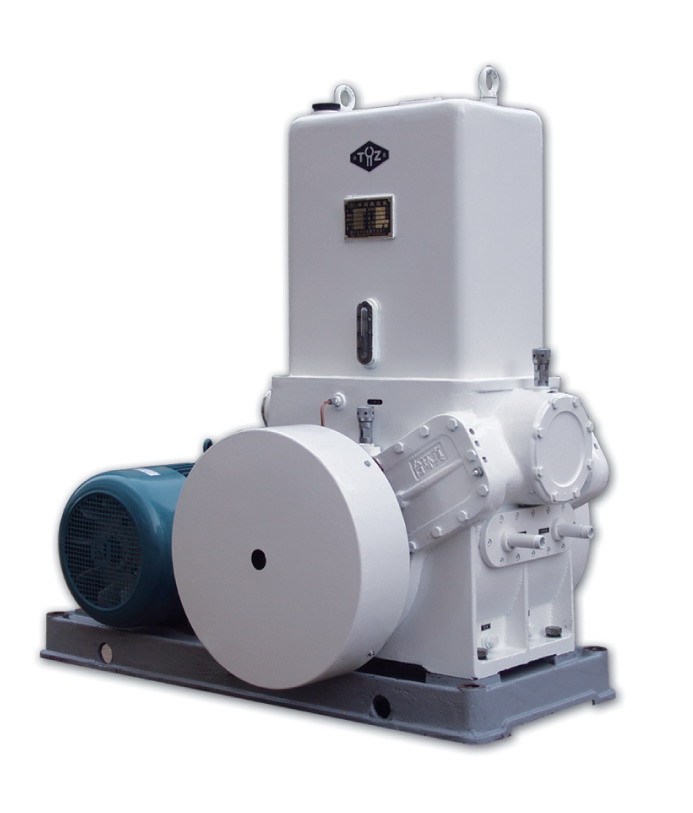
What Are the Key Components of a Piston Vacuum Pump?
A piston vacuum pump consists of several key components that work together to create a vacuum. Here’s a detailed explanation of these components:
1. Cylinder:
– The cylinder is a cylindrical chamber where the piston moves back and forth.
– It provides the housing for the piston and plays a crucial role in creating the vacuum by changing the volume of the chamber.
2. Piston:
– The piston is a movable component that fits inside the cylinder.
– It creates a seal between the piston and cylinder walls, allowing the pump to create a pressure differential and generate a vacuum.
– The piston is typically driven by a motor or an external power source.
3. Intake Valve:
– The intake valve allows gas or air to enter the cylinder during the suction stroke.
– It opens when the piston moves downward, creating a vacuum and drawing gas into the cylinder from the system being evacuated.
4. Exhaust Valve:
– The exhaust valve allows the expelled gas to exit the cylinder during the compression stroke.
– It opens when the piston moves upward, allowing the compressed gas to be expelled from the cylinder.
5. Lubrication System:
– Piston vacuum pumps often incorporate a lubrication system to ensure smooth operation and maintain an airtight seal between the piston and cylinder walls.
– Lubricating oil is introduced into the cylinder to provide lubrication and help maintain the seal.
– The lubrication system also helps to cool the pump by dissipating heat generated during operation.
6. Cooling System:
– Some piston vacuum pumps may include a cooling system to prevent overheating.
– This can involve the circulation of a cooling fluid or the use of cooling fins to dissipate heat generated during operation.
7. Pressure Gauges and Controls:
– Pressure gauges are often installed to monitor the vacuum level or pressure within the system.
– Control mechanisms, such as switches or valves, may be present to regulate the operation of the pump or maintain the desired vacuum level.
8. Motor or Power Source:
– The piston in a piston vacuum pump is typically driven by a motor or an external power source.
– The motor provides the necessary mechanical energy to move the piston back and forth, creating the suction and compression strokes.
9. Frame or Housing:
– The components of the piston vacuum pump are housed within a frame or housing that provides structural support and protection.
– The frame or housing also helps to reduce noise and vibration during operation.
In summary, the key components of a piston vacuum pump include the cylinder, piston, intake valve, exhaust valve, lubrication system, cooling system, pressure gauges and controls, motor or power source, and the frame or housing. These components work together to create a vacuum by reciprocating the piston within the cylinder, allowing gas to be drawn in and expelled, while maintaining an airtight seal. The lubrication and cooling systems, as well as pressure gauges and controls, ensure smooth and efficient operation of the pump.
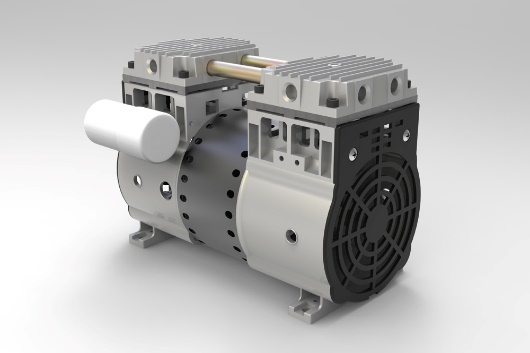
What Is the Energy Efficiency of Piston Vacuum Pumps?
The energy efficiency of piston vacuum pumps can vary depending on several factors. Here’s a detailed explanation:
1. Design and Technology:
– The design and technology used in piston vacuum pumps can significantly influence their energy efficiency.
– Modern piston pump designs often incorporate features such as optimized valve systems, reduced internal leakage, and improved sealing mechanisms to enhance efficiency.
– Advancements in materials and manufacturing techniques have also contributed to more efficient piston pump designs.
2. Motor Efficiency:
– The motor driving the piston pump plays a crucial role in overall energy efficiency.
– High-efficiency motors, such as those adhering to energy efficiency standards like NEMA Premium or IE3, can significantly improve the energy efficiency of the pump.
– Proper motor sizing and matching to the pump’s load requirements are also important to maximize efficiency.
3. Control Systems:
– The use of advanced control systems can optimize the energy consumption of piston vacuum pumps.
– Variable frequency drives (VFDs) or speed control systems can adjust the pump’s operating speed based on the demand, reducing energy consumption during periods of lower demand.
– Smart control algorithms and sensors can also help optimize the pump’s performance and energy efficiency.
4. System Design and Integration:
– The overall system design and integration of the piston vacuum pump within the application can impact energy efficiency.
– Proper sizing and selection of the pump based on the specific application requirements can ensure that the pump operates within its optimal efficiency range.
– Efficient piping and ducting design, as well as minimizing pressure losses and leaks, can further improve the overall energy efficiency of the system.
5. Load Profile and Operating Conditions:
– The load profile and operating conditions of the piston vacuum pump have a significant impact on energy consumption.
– Higher vacuum levels or flow rates may require more energy to be supplied by the pump.
– Operating the pump continuously at maximum capacity may lead to higher energy consumption compared to intermittent or variable load conditions.
– It’s important to evaluate the specific operating requirements and adjust the pump’s operation accordingly to optimize energy efficiency.
6. Comparing Efficiency Ratings:
– When comparing the energy efficiency of different piston vacuum pumps, it can be helpful to look for efficiency ratings or specifications provided by the manufacturer.
– Some manufacturers provide efficiency data or performance curves indicating the pump’s energy consumption at various operating points.
– These ratings can assist in selecting a pump that meets the desired energy efficiency requirements.
In summary, the energy efficiency of piston vacuum pumps can be influenced by factors such as design and technology, motor efficiency, control systems, system design and integration, load profile, and operating conditions. Considering these factors and evaluating efficiency ratings can help in selecting an energy-efficient piston vacuum pump for a specific application.
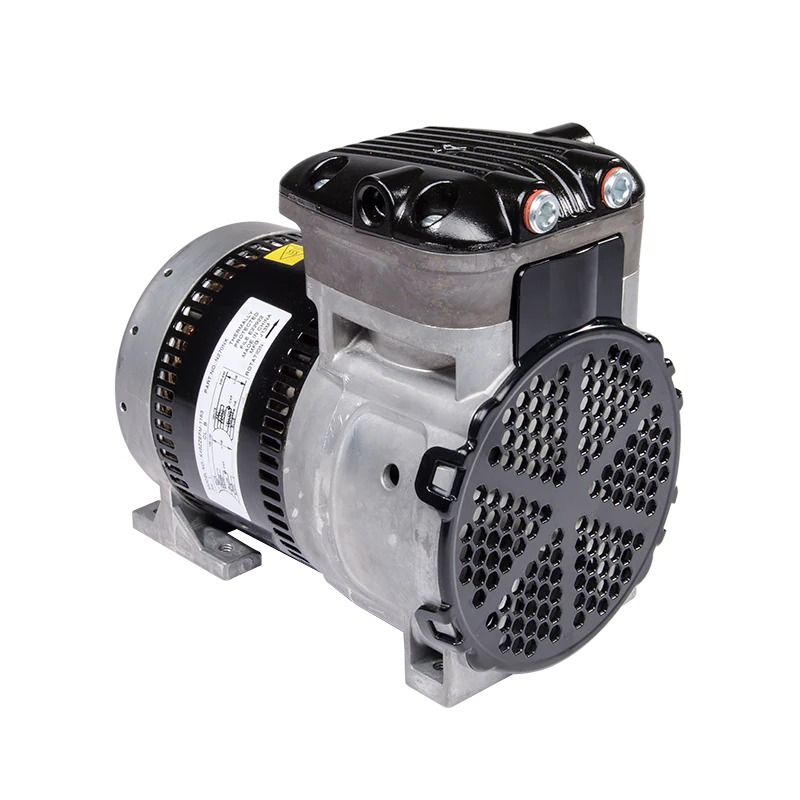
Are There Oil-Free Piston Vacuum Pump Options Available?
Yes, there are oil-free piston vacuum pump options available. Here’s a detailed explanation:
1. Oil-Free Technology:
– Traditional piston vacuum pumps use oil as a lubricant and sealant in their operation.
– However, advancements in vacuum pump technology have led to the development of oil-free piston vacuum pumps.
– Oil-free piston pumps are designed to operate without the need for lubricating oil, eliminating the risk of oil contamination and the need for oil changes.
2. Dry Running Operation:
– Oil-free piston vacuum pumps achieve lubrication and sealing through alternative means.
– They often utilize materials such as self-lubricating polymers or advanced coatings on the piston and cylinder surfaces.
– These materials reduce friction and provide sufficient sealing to maintain vacuum levels without the need for oil.
3. Applications:
– Oil-free piston vacuum pumps are suitable for a wide range of applications where oil contamination is a concern.
– They are commonly used in industries such as food and beverage, pharmaceutical, electronics, laboratories, and medical where a clean and oil-free vacuum environment is required.
4. Advantages:
– The primary advantage of oil-free piston vacuum pumps is their ability to provide a clean and oil-free vacuum.
– They eliminate the risk of oil contamination, which is crucial in sensitive applications such as semiconductor manufacturing or pharmaceutical production.
– Oil-free pumps also simplify maintenance since there is no need for oil changes or regular oil monitoring.
5. Considerations:
– While oil-free piston vacuum pumps offer advantages, they also have some considerations to keep in mind.
– They may have slightly lower ultimate vacuum levels compared to oil-lubricated pumps.
– The absence of oil as a lubricant may result in slightly higher operating temperatures and increased wear on piston and cylinder surfaces.
– It’s important to select an oil-free piston vacuum pump that is suitable for the specific application requirements and consider the trade-offs between performance, cost, and maintenance.
6. Alternative Pump Technologies:
– In some cases, where oil-free operation is critical or specific vacuum levels are required, alternative pump technologies may be more suitable.
– Dry screw pumps, claw pumps, or scroll pumps are examples of oil-free pump technologies that are widely used in various industries.
– These pumps offer oil-free operation, high pumping speeds, and can achieve lower vacuum levels compared to oil-free piston pumps.
In summary, oil-free piston vacuum pumps are available as an alternative to traditional oil-lubricated pumps. They provide a clean and oil-free vacuum environment, making them suitable for applications where oil contamination is a concern. However, it’s important to consider specific application requirements and explore alternative pump technologies if necessary.


editor by Dream 2024-04-30