Product Description
Pulp Centrifugal Electric Pump Chemical Pumps
HUATAO OEM Kinds Of Pulp Centrifugal Electric Pump Chemical Pumps to deliver the pulp and water.
And the Pulp Pumps as the key equipment during the pulp stock preparation.
Product Description
SGZ SK Centrifugal Pump
SGZ SK Centrifugal Pump high-efficiency non-clogging non-leakage pulp pump is a new generation of pulp pump products.
It has obvious advantages such as high efficiency, good anti-clogging performance, no leakage during operation, and convenient installation and maintenance. It is widely used in the conveying of pulp media in paper and pulp enterprises.
Centrifugal Pump Structural features:
1. The pump has a rear door structure, and it is not necessary to disassemble the pipeline during maintenance.
2. The pressure design of the inlet and outlet flanges of the pump is 1.6MPa.
3. The impeller adopts a three-blade (or six-blade), open impeller, high efficiency and no need for axial thrust compensation, easy maintenance and low chance of blockage. The impeller adopts lost wax precision casting and is checked for dynamic balance.
4. The pump shaft is supported by a combination of oil-lubricated, heavy-duty, abrasion-resistant, imported cylindrical roller bearings and radial thrust ball bearings (angular contact ball bearings). Cylindrical roller bearings are mounted on the pump end and radial thrust ball bearings are mounted face to face on the rotating end
5. Shaft seals mainly include a pumping ring plus single-end mechanical seal, packing seal, single-end mechanical seal, tandem mechanical seal, double-end mechanical seal, combination seal of pumping ring and single-end mechanical seal, and dynamic seal. , the user can choose according to the requirements and actual working conditions
6. There are 4 kinds of materials: cast iron, cast steel, ordinary stainless steel, and duplex stainless steel.
Low Pulse Pulp Pump
SJ-type sizing pump, also known as a low-pulse pump, is designed for the disadvantages of large flow and low-lift mixed-flow pumps widely used in general papermaking enterprises, such as unstable pulp and inconvenient disassembly and assembly. It is an ideal replacement product, with high efficiency, stable pulp, long service life, and easy maintenance (the bearing is balanced at both ends of the pump body). (The pump casing is opened in the middle, and maintenance can be done after opening the cover.) It is suitable for matching the pulp supply system of medium and high-speed paper machines. The operating temperature is below 80 °C and the concentration is below 1%.
The pump looks from the coupling to the pump, the pump rotates counterclockwise, the slurry inlet of the pump is on the right, and the slurry outlet is on the left. If you need to change the position of the slurry inlet and outlet, you need to submit it in advance and confirm with the drawing.
Watering Ring Vacuum Pump
The water ring vacuum pump (referred to as a water ring pump) is a rough vacuum pump, the ultimate vacuum it can obtain is 2000~4000Pa, and the vacuum degree of the unit formed with the vacuum pump can reach 1~600Pa. The water ring pump can also be used as a compressor, which is called a water ring compressor, which is a low-pressure compressor with a pressure range of 1~2×10^5 Pa gauge pressure.
Water ring vacuum pump advantage:
1. The structure is simple, the manufacturing precision is not high, and it is easy to process.
2. The structure is compact, the speed of the pump is high, and it can generally be directly connected with the motor, without the need for a deceleration device. Therefore, with a small structure size, a large exhaust volume can be obtained, and the floor space is also small.
3. The compressed gas is basically isothermal, that is, the temperature change of the compressed gas is small.
4. Since there is no metal friction surface in the pump cavity, there is no need to lubricate the pump, and the wear is very small. The sealing between the rotating part and the fixed part can be done directly by the water seal.
5. The suction is uniform, the work is stable and reliable, the operation is simple, and the maintenance is convenient.
Double Flow Centrifugal Pump
S-type and SH-type centrifugal pumps are single-stage double-suction, horizontal split centrifugal pumps, which are used to transport clean water and liquids with similar physical and chemical properties to water. The maximum temperature of the liquid does not exceed 80 ºC, which is suitable for paper mills, mines, cities, power station water supply, and drainage, farmland irrigation and drainage, and various water conservancy projects.
Model S centrifugal pumps look towards the pump from the coupling and the pump rotates clockwise. The water inlet of the pump is on the right and the water outlet is on the left. If you need to change the position of the import and export, you need to explain it before production.
SH type centrifugal pump looks at the pump from the coupling, and the water pump rotates counterclockwise. The water inlet of the pump is on the left and the water outlet is on the right. If you need to change the position of the import and export, you need to explain it before production.
The bearings of the centrifugal pump are located at both ends of the pump body, and the force is balanced during operation and has a long service life. The pump body is open in the middle, and it can be repaired by opening the cover, which is very convenient.
Slurry Pump, Middle Consistency Slurry Pump
Double-channel non-clogging pulp pump is a new type of energy-saving pulp pump. After practical use, it has the advantages of high efficiency, no leakage or less leakage, good anti-clogging performance, stable operation, high reliability, compact structure, and long service life. This series of pumps has been innovated and improved according to the characteristics of papermaking and pulping processes and has achieved the best application of fluid engineering and fluid mechanics.
The semi-open or fully open impeller is adopted, the front clearance between the wear plate and the impeller is adjustable, the shaft seal is mainly mechanical seal, and high-precision bearings (D-grade accuracy), and high-quality shaft materials are selected.
It can be widely used in light industry, papermaking and other industries where the temperature is lower than 110ºC and the concentration is lower than 6%. It can also be used in industrial and urban water supply, drainage, and other occasions. Special specifications can be designed individually.
Detailed Photos
Our Advantages
1. Fully open, three-blade impeller, large flow channel, strong performance without clogging.
2. Wear-resistant linings at the suction and discharge ends of the impeller are used to protect the eddy current casing.
3. The new protective cover design makes it easier to disassemble.
4. Brand new chassis design, stronger and more convenient for coupling adjustment.
Our Professional Team
Huatao Group, founded in 2008, is a specialist supplier of paper and pulp mill machinery with a long history of exporting paper making machines, paper pulp machines, corrugated cardboard production line and paper machine clothing (PMC), as well as spare parts for paper and board machines. Since the day of our foundation, we have made a firm commitment to building “Huatao” as a reliable international brand standing out from the crowd. The long-term partnership with a number of renowned paper machine manufacturers and paper machine clothing factories is focused on realizing this commitment, from professional design and on-time delivery of high quality paper & board machines, to superior customer service attitude.
Over the past years, CHINAMFG has accumulated extensive experience in servicing our global customer within the pulp and paper industry. That means we understand the industry and has the ability to provide each of our customers with appropriate paper machines or paper machine fabrics that are precisely oriented to their respective production needs. CHINAMFG has so far served over 1000 companies with products exported to more than 100 countries and regions in the world.
Based on the belief that the quality is the key to our longevity, our entire team strives to earn your ongoing trust and constant support as your reliable partner.
| After-sales Service: | One Month |
|---|---|
| Warranty: | One Month |
| Working Pressure: | High Pressure Pump |
| Influent Type of Impeller: | Double-Suction Pump |
| Position of Pump Shaft: | Horizontal Pump |
| Pump Casing Combined: | Horizontal Split Pumps |
| Customization: |
Available
|
|
|---|
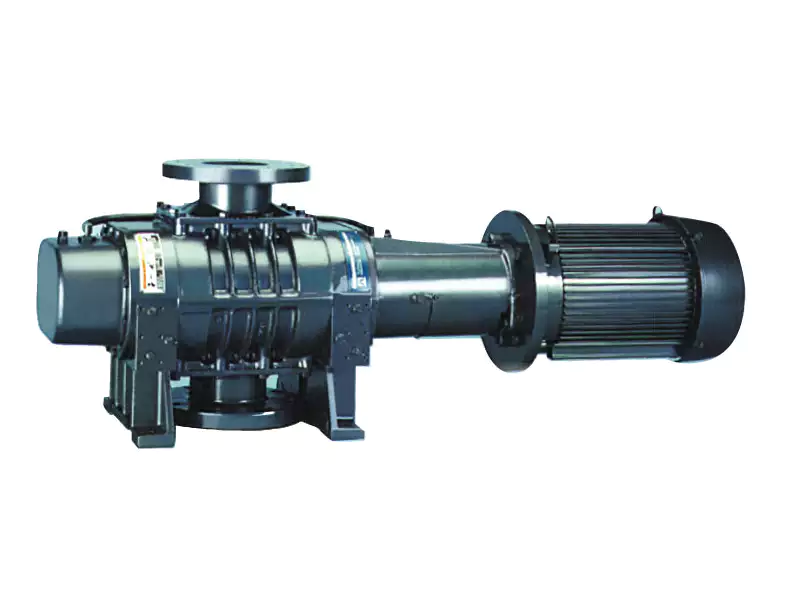
What Is the Role of Vacuum Pumps in Semiconductor Manufacturing?
Vacuum pumps play a critical role in semiconductor manufacturing processes. Here’s a detailed explanation:
Semiconductor manufacturing involves the production of integrated circuits (ICs) and other semiconductor devices used in various electronic applications. Vacuum pumps are used extensively throughout the semiconductor manufacturing process to create and maintain the required vacuum conditions for specific manufacturing steps.
Here are some key roles of vacuum pumps in semiconductor manufacturing:
1. Deposition Processes: Vacuum pumps are used in deposition processes such as physical vapor deposition (PVD) and chemical vapor deposition (CVD). These processes involve depositing thin films of materials onto semiconductor wafers to create various layers and patterns. Vacuum pumps help create a low-pressure environment necessary for precise control of the deposition process, ensuring uniform and high-quality film formation.
2. Etching and Cleaning: Vacuum pumps are utilized in etching and cleaning processes, which involve the removal of specific layers or contaminants from semiconductor wafers. Dry etching techniques, such as plasma etching and reactive ion etching, require a vacuum environment to facilitate the ionization and removal of material. Vacuum pumps aid in creating the necessary low-pressure conditions for efficient etching and cleaning processes.
3. Ion Implantation: Ion implantation is a process used to introduce impurities into specific regions of a semiconductor wafer to modify its electrical properties. Vacuum pumps are used to evacuate the ion implantation chamber, creating the required vacuum environment for accurate and controlled ion beam acceleration and implantation.
4. Wafer Handling and Transfer: Vacuum pumps are employed in wafer handling and transfer systems. These systems utilize vacuum suction to securely hold and manipulate semiconductor wafers during various manufacturing steps, such as loading and unloading from process chambers, robotic transfer between tools, and wafer alignment.
5. Load Lock Systems: Load lock systems are used to transfer semiconductor wafers between atmospheric conditions and the vacuum environment of process chambers. Vacuum pumps are integral components of load lock systems, creating and maintaining the vacuum conditions necessary for wafer transfer while minimizing contamination risks.
6. Metrology and Inspection: Vacuum pumps are utilized in metrology and inspection tools used for characterizing semiconductor devices. These tools, such as scanning electron microscopes (SEMs) and focused ion beam (FIB) systems, often operate in a vacuum environment to enable high-resolution imaging and accurate analysis of semiconductor structures and defects.
7. Leak Detection: Vacuum pumps are employed in leak detection systems to identify and locate leaks in vacuum chambers, process lines, and other components. These systems rely on vacuum pumps to evacuate the system and then monitor for any pressure rise, indicating the presence of leaks.
8. Cleanroom Environment Control: Semiconductor manufacturing facilities maintain cleanroom environments to prevent contamination during the fabrication process. Vacuum pumps are used in the design and operation of the cleanroom ventilation and filtration systems, helping to maintain the required air cleanliness levels by removing particulates and maintaining controlled air pressure differentials.
Vacuum pumps used in semiconductor manufacturing processes are often specialized to meet the stringent requirements of the industry. They need to provide high vacuum levels, precise control, low contamination levels, and reliability for continuous operation.
Overall, vacuum pumps are indispensable in semiconductor manufacturing, enabling the creation of the necessary vacuum conditions for various processes, ensuring the production of high-quality semiconductor devices.
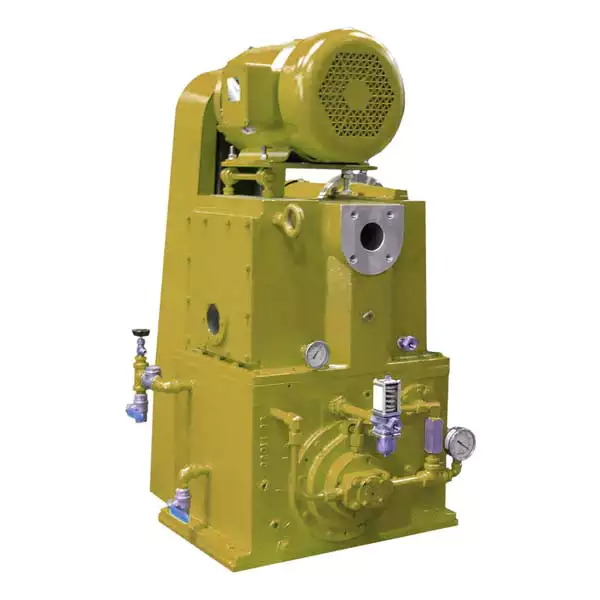
Can Vacuum Pumps Be Used for Soil and Groundwater Remediation?
Vacuum pumps are indeed widely used for soil and groundwater remediation. Here’s a detailed explanation:
Soil and groundwater remediation refers to the process of removing contaminants from the soil and groundwater to restore environmental quality and protect human health. Vacuum pumps play a crucial role in various remediation techniques by facilitating the extraction and treatment of contaminated media. Some of the common applications of vacuum pumps in soil and groundwater remediation include:
1. Soil Vapor Extraction (SVE): Soil vapor extraction is a widely used remediation technique for volatile contaminants present in the subsurface. It involves the extraction of vapors from the soil by applying a vacuum to the subsurface through wells or trenches. Vacuum pumps create a pressure gradient that induces the movement of vapors towards the extraction points. The extracted vapors are then treated to remove or destroy the contaminants. Vacuum pumps play a vital role in SVE by maintaining the necessary negative pressure to enhance the volatilization and extraction of contaminants from the soil.
2. Dual-Phase Extraction (DPE): Dual-phase extraction is a remediation method used for the simultaneous extraction of both liquids (such as groundwater) and vapors (such as volatile organic compounds) from the subsurface. Vacuum pumps are utilized to create a vacuum in extraction wells or points, drawing out both the liquid and vapor phases. The extracted groundwater and vapors are then separated and treated accordingly. Vacuum pumps are essential in DPE systems for efficient and controlled extraction of both liquid and vapor-phase contaminants.
3. Groundwater Pumping and Treatment: Vacuum pumps are also employed in groundwater remediation through the process of pumping and treatment. They are used to extract contaminated groundwater from wells or recovery trenches. By creating a vacuum or negative pressure, vacuum pumps facilitate the flow of groundwater towards the extraction points. The extracted groundwater is then treated to remove or neutralize the contaminants before being discharged or re-injected into the ground. Vacuum pumps play a critical role in maintaining the required flow rates and hydraulic gradients for effective groundwater extraction and treatment.
4. Air Sparging: Air sparging is a remediation technique used to treat groundwater and soil contaminated with volatile organic compounds (VOCs). It involves the injection of air or oxygen into the subsurface to enhance the volatilization of contaminants. Vacuum pumps are utilized in air sparging systems to create a vacuum or negative pressure zone in wells or points surrounding the contaminated area. This induces the movement of air and oxygen through the soil, facilitating the release and volatilization of VOCs. Vacuum pumps are essential in air sparging by maintaining the necessary negative pressure gradient for effective contaminant removal.
5. Vacuum-Enhanced Recovery: Vacuum-enhanced recovery, also known as vacuum-enhanced extraction, is a remediation technique used to recover non-aqueous phase liquids (NAPLs) or dense non-aqueous phase liquids (DNAPLs) from the subsurface. Vacuum pumps are employed to create a vacuum or negative pressure gradient in recovery wells or trenches. This encourages the movement and extraction of NAPLs or DNAPLs towards the recovery points. Vacuum pumps facilitate the efficient recovery of these dense contaminants, which may not be easily recoverable using traditional pumping methods.
It’s important to note that different types of vacuum pumps, such as rotary vane pumps, liquid ring pumps, or air-cooled pumps, may be used in soil and groundwater remediation depending on the specific requirements of the remediation technique and the nature of the contaminants.
In summary, vacuum pumps play a vital role in various soil and groundwater remediation techniques, including soil vapor extraction, dual-phase extraction, groundwater pumping and treatment, air sparging, and vacuum-enhanced recovery. By creating and maintaining the necessary pressure differentials, vacuum pumps enable the efficient extraction, treatment, and removal of contaminants, contributing to the restoration of soil and groundwater quality.
What Are the Primary Applications of Vacuum Pumps?
Vacuum pumps have a wide range of applications across various industries. Here’s a detailed explanation:
1. Industrial Processes:
Vacuum pumps play a vital role in numerous industrial processes, including:
– Vacuum Distillation: Vacuum pumps are used in distillation processes to lower the boiling points of substances, enabling separation and purification of various chemicals and compounds.
– Vacuum Drying: Vacuum pumps aid in drying processes by creating a low-pressure environment, which accelerates moisture removal from materials without excessive heat.
– Vacuum Packaging: Vacuum pumps are used in the food industry to remove air from packaging containers, prolonging the shelf life of perishable goods by reducing oxygen exposure.
– Vacuum Filtration: Filtration processes can benefit from vacuum pumps to enhance filtration rates by applying suction, facilitating faster separation of solids and liquids.
2. Laboratory and Research:
Vacuum pumps are extensively used in laboratories and research facilities for various applications:
– Vacuum Chambers: Vacuum pumps create controlled low-pressure environments within chambers for conducting experiments, testing materials, or simulating specific conditions.
– Mass Spectrometry: Mass spectrometers often utilize vacuum pumps to create the necessary vacuum conditions for ionization and analysis of samples.
– Freeze Drying: Vacuum pumps enable freeze-drying processes, where samples are frozen and then subjected to a vacuum, allowing the frozen water to sublimate directly from solid to vapor state.
– Electron Microscopy: Vacuum pumps are essential for electron microscopy techniques, providing the necessary vacuum environment for high-resolution imaging of samples.
3. Semiconductor and Electronics Industries:
High vacuum pumps are critical in the semiconductor and electronics industries for manufacturing and testing processes:
– Semiconductor Fabrication: Vacuum pumps are used in various stages of chip manufacturing, including deposition, etching, and ion implantation processes.
– Thin Film Deposition: Vacuum pumps create the required vacuum conditions for depositing thin films of materials onto substrates, as done in the production of solar panels, optical coatings, and electronic components.
– Leak Detection: Vacuum pumps are utilized in leak testing applications to detect and locate leaks in electronic components, systems, or pipelines.
4. Medical and Healthcare:
Vacuum pumps have several applications in the medical and healthcare sectors:
– Vacuum Assisted Wound Closure: Vacuum pumps are used in negative pressure wound therapy (NPWT), where they create a controlled vacuum environment to promote wound healing and removal of excess fluids.
– Laboratory Equipment: Vacuum pumps are essential in medical and scientific equipment such as vacuum ovens, freeze dryers, and centrifugal concentrators.
– Anesthesia and Medical Suction: Vacuum pumps are utilized in anesthesia machines and medical suction devices to create suction and remove fluids or gases from the patient’s body.
5. HVAC and Refrigeration:
Vacuum pumps are employed in the HVAC (Heating, Ventilation, and Air Conditioning) and refrigeration industries:
– Refrigeration and Air Conditioning Systems: Vacuum pumps are used during system installation, maintenance, and repair to evacuate moisture and air from refrigeration and air conditioning systems, ensuring efficient operation.
– Vacuum Insulation Panels: Vacuum pumps are utilized in the manufacturing of vacuum insulation panels, which offer superior insulation properties for buildings and appliances.
6. Power Generation:
Vacuum pumps play a role in power generation applications:
– Steam Condenser Systems: Vacuum pumps are used in power plants to remove non-condensable gases from steam condenser systems, improving thermal efficiency.
– Gas Capture: Vacuum pumps are utilized to capture and remove gases, such as hydrogen or helium, in nuclear power plants, research reactors, or particle accelerators.
These are just a few examples of the primary applications of vacuum pumps. The versatility and wide range of vacuum pump types make them essential in numerous industries, contributing to various manufacturing processes, research endeavors, and technological advancements.


editor by CX 2023-11-11