Product Description
Product Description
Product Parameters
| Model | F-500 | F-800 | F-1000 | F-1300 | F-1600 |
| Power Rating | 500HP (373kw) | 800HP (597kw) | 1000HP (746kw) | 1300HP (969kw) | 1600HP (1193kw) |
| Rated Stroke (SPM) | 165 | 150 | 140 | 120 | 120 |
| Stroke Length | 7.5″ /190.5mm | 9″/228.6mm | 10″/254mm | 12″/305mm | 12″/305mm |
| Gear Ratio | 4.286 | 4.185 | 4.207 | 4.206 | 4.206 |
| Valve Size | API5# | API6# | API6# | API7# | API7# |
| Max. Liner Size | 6-3/4″/170mm | 6-3/4″/170mm | 6-3/4″/170mm | 7″/180mm | 7″/180mm |
| Max. Pressure | 3945psi (27.2Mpa) | 5000psi (35Mpa) |
5000psi (35Mpa) |
5000psi (35Mpa) |
5000psi (35Mpa) |
| Max. Displacement | 565GPM (35.67L/s) |
617GPM (38.92L/s) |
639GPM (40.36L/s) |
737GPM (46.54L/s) |
737GPM (46.54L/s) |
| Inlet Dia. | 8″/203mm | 10″/254mm | 12″/305mm | 12″/305mm | 12″/305mm |
| Outlet Dia. | 4″ Flange 5000psi | 5-1/8″ Flange 5000psi | 5-1/8″ Flange 5000psi | 5-1/8″ Flange 5000psi | 5-1/8″ Flange 5000psi |
| Dimension L*W*H (mm) | 3658*2709*2231 | 3963*3571*2410 | 4267*3167*2580 | 4617*3260*2600 | 4615*3276*2688 |
| Weight (kg) | 9770 | 14500 | 18790 | 24572 | 24791 |
Detailed Photos
Company Introduction
ZheJiang BEYOND PETROLEUM MACHINERY CO.,LTD. is established on request of customer and aimed to supply best product and service for the customer. It focuses on to supply best solutions for the overseas oilfield customer on equipment & spares maintenance and supply.
BEYOND products cover but not limited to: China-make oil drilling rigs, workover rigs, wellhead and downhole tools, drilling tools, OCTG and other related equipment and parts. Meanwhile, BEYOND can offer technical services, personnel training and maintenance guide towards China-made drilling rigs.
BEYOND believes that it will become your best cooperative partner in China.
FAQ
Q: Are you manufacturer or supplying company?
A: We are supplying company, not manufacturing factory, but we think we have some advantages over factory. We can manage
full coverage and one-stop supply for our clients. Manufacturers usually focus only on limited product range, but drilling requires
comprehensive system; we can easily combine it based on our complete supply chain and vendor system.
Q: How do you choose your vendor?
A: We insist on Independent & optimized selection of vendors depending on client personalized requirement. Factory usually
only sell their own products, no matter it good or bad; but we know which factory is good for different products with more than
12 years’ experience in this field, so we will choose the best factory based on their quality and delivery time.
Q: What value you can bring to us?
A: We can help the clients to save their time cost with professional & efficient communications. Due to time difference, the
customer may need to talk to different Chinese suppliers every day, but we can do this communication job easily and summarize
final proposal to the customer.
Q: What other advantages you are bearing?
A:
To reduce the customer increased risk for international disputes by centralized procurement. The customer do not need to
verify reliability for numerous different suppliers, just need to verify BEYOND, and we can supply full docs for verification.
Quick Response & Action:Flexible Private company, quick decision-making and fast action than those big factories with
complicated procedures.
Q: How do you work with your vendors?
A: We are possessing strategic partnership and distributorship certificates from our different vendors. For some of them
we are working as their Exclusive Distributor for overseas market.
Q: How you will manage the after-sale services?
A: All our after-sale services will be carried out by engineers and technicians from our different vendors. But BEYOND will
work as the coordinator between the client and the manufacturing factory and will take full responsibility to the client side.
/* January 22, 2571 19:08:37 */!function(){function s(e,r){var a,o={};try{e&&e.split(“,”).forEach(function(e,t){e&&(a=e.match(/(.*?):(.*)$/))&&1
| After-sales Service: | 2 Year |
|---|---|
| Warranty: | 2 Year |
| Power Source: | Electric |
| Operation Pressure: | Vacuum |
| Material: | Alloy |
| Type: | Mud Pump |
| Customization: |
Available
|
|
|---|
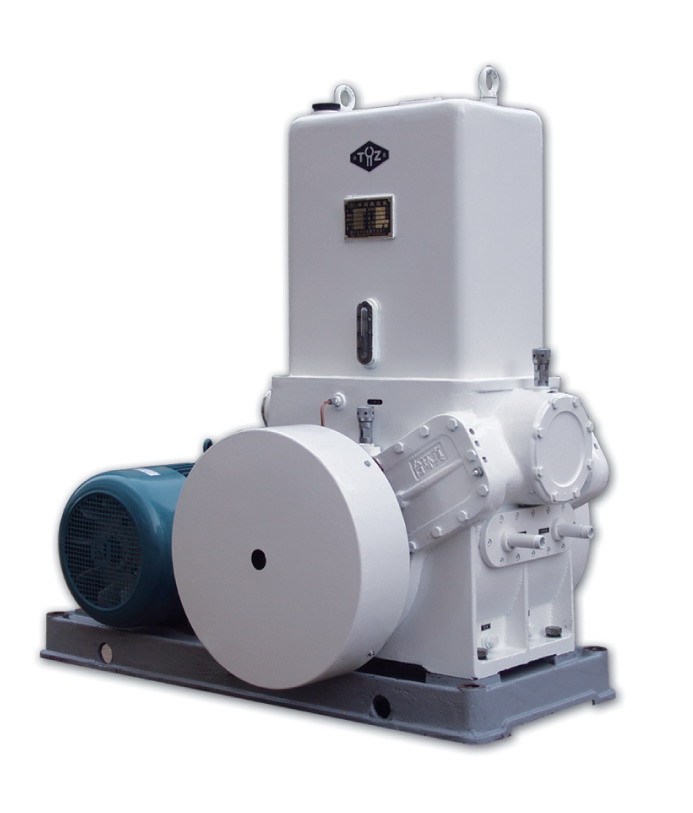
What Are the Key Components of a Piston Vacuum Pump?
A piston vacuum pump consists of several key components that work together to create a vacuum. Here’s a detailed explanation of these components:
1. Cylinder:
– The cylinder is a cylindrical chamber where the piston moves back and forth.
– It provides the housing for the piston and plays a crucial role in creating the vacuum by changing the volume of the chamber.
2. Piston:
– The piston is a movable component that fits inside the cylinder.
– It creates a seal between the piston and cylinder walls, allowing the pump to create a pressure differential and generate a vacuum.
– The piston is typically driven by a motor or an external power source.
3. Intake Valve:
– The intake valve allows gas or air to enter the cylinder during the suction stroke.
– It opens when the piston moves downward, creating a vacuum and drawing gas into the cylinder from the system being evacuated.
4. Exhaust Valve:
– The exhaust valve allows the expelled gas to exit the cylinder during the compression stroke.
– It opens when the piston moves upward, allowing the compressed gas to be expelled from the cylinder.
5. Lubrication System:
– Piston vacuum pumps often incorporate a lubrication system to ensure smooth operation and maintain an airtight seal between the piston and cylinder walls.
– Lubricating oil is introduced into the cylinder to provide lubrication and help maintain the seal.
– The lubrication system also helps to cool the pump by dissipating heat generated during operation.
6. Cooling System:
– Some piston vacuum pumps may include a cooling system to prevent overheating.
– This can involve the circulation of a cooling fluid or the use of cooling fins to dissipate heat generated during operation.
7. Pressure Gauges and Controls:
– Pressure gauges are often installed to monitor the vacuum level or pressure within the system.
– Control mechanisms, such as switches or valves, may be present to regulate the operation of the pump or maintain the desired vacuum level.
8. Motor or Power Source:
– The piston in a piston vacuum pump is typically driven by a motor or an external power source.
– The motor provides the necessary mechanical energy to move the piston back and forth, creating the suction and compression strokes.
9. Frame or Housing:
– The components of the piston vacuum pump are housed within a frame or housing that provides structural support and protection.
– The frame or housing also helps to reduce noise and vibration during operation.
In summary, the key components of a piston vacuum pump include the cylinder, piston, intake valve, exhaust valve, lubrication system, cooling system, pressure gauges and controls, motor or power source, and the frame or housing. These components work together to create a vacuum by reciprocating the piston within the cylinder, allowing gas to be drawn in and expelled, while maintaining an airtight seal. The lubrication and cooling systems, as well as pressure gauges and controls, ensure smooth and efficient operation of the pump.
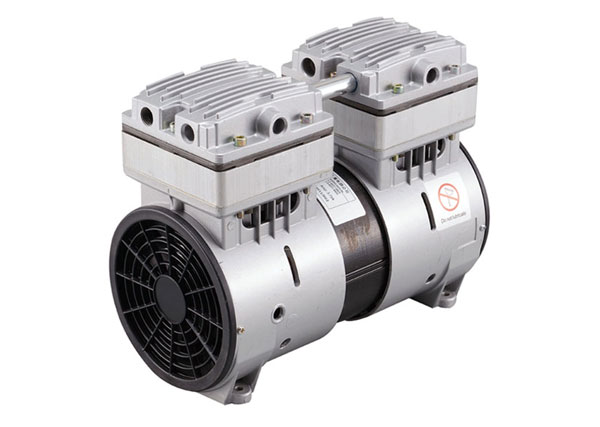
What Are the Safety Precautions for Operating Piston Vacuum Pumps?
Operating piston vacuum pumps requires adherence to safety precautions to ensure the well-being of personnel and the proper functioning of the equipment. Here’s a detailed explanation of the safety precautions for operating piston vacuum pumps:
– Familiarize Yourself with the User Manual: Before operating a piston vacuum pump, thoroughly read and understand the user manual provided by the manufacturer. The manual contains important safety guidelines specific to the pump model.
– Personal Protective Equipment (PPE): Always wear appropriate personal protective equipment, such as safety goggles, gloves, and hearing protection, when operating the pump. This helps protect against potential hazards, including chemical exposure, flying debris, and noise.
– Ventilation: Ensure that the area where the pump is operated has adequate ventilation. Proper ventilation helps prevent the accumulation of fumes, vapors, or hazardous gases that may be generated during the pumping process.
– Electrical Safety: Follow electrical safety precautions, including proper grounding and connection of the pump to a suitable power source. Inspect power cords and plugs for any damage before use, and avoid using the pump in wet or damp environments.
– Pressure and Vacuum Limits: Operate the pump within its specified pressure and vacuum limits. Exceeding these limits can lead to equipment failure, compromising safety and performance.
– Overpressure Protection: Ensure the pump has appropriate overpressure protection mechanisms, such as relief valves or pressure sensors, to prevent excessive pressure buildup. Regularly inspect and maintain these safety devices to ensure their proper functioning.
– Cooling and Temperature: Pay attention to the cooling requirements of the pump. Adequate cooling is necessary to prevent overheating and potential damage to the pump. Avoid blocking or obstructing cooling vents or fins. Monitor the pump’s temperature during operation and follow any temperature-related guidelines provided by the manufacturer.
– Maintenance and Inspection: Regularly inspect and maintain the pump according to the manufacturer’s recommendations. This includes cleaning, lubricating, and replacing parts as necessary. Perform maintenance tasks only when the pump is turned off and disconnected from the power source.
– Emergency Stop: Familiarize yourself with the location and operation of the emergency stop button or switch on the pump. In case of any emergency or abnormal situation, immediately activate the emergency stop to shut down the pump safely.
– Training and Competence: Ensure that operators are adequately trained and competent to operate the piston vacuum pump. Proper training helps minimize the risks associated with incorrect operation or handling of the equipment.
– Hazardous Materials: If the pump is used with hazardous materials, follow appropriate safety protocols for handling, containment, and disposal. Be aware of the potential risks associated with the materials being pumped and take necessary precautions to mitigate those risks.
– Warning Signs and Labels: Pay attention to warning signs, labels, and markings on the pump, including safety instructions, hazard warnings, and operating instructions. Follow these instructions carefully to ensure safe operation.
– Emergency Procedures: Establish and communicate clear emergency procedures in case of accidents, spills, or other hazardous situations. Ensure that operators are aware of these procedures and know how to respond appropriately.
– Regular Risk Assessment: Conduct regular risk assessments of the pump operation to identify potential hazards and implement appropriate safety measures. Periodically review and update safety protocols based on the results of these assessments.
– Emergency Response Resources: Keep appropriate emergency response resources readily available, such as fire extinguishers, spill kits, and emergency eyewash stations, in case of accidents or spills.
In summary, operating piston vacuum pumps safely requires following several key safety precautions, including familiarizing yourself with the user manual, using appropriate personal protective equipment, ensuring proper ventilation, adhering to electrical safety guidelines, operating within pressure and vacuum limits, maintaining cooling requirements, performing regular maintenance and inspections, being aware of emergency stop procedures, providing adequate training and competence, handling hazardous materials safely, paying attention to warning signs and labels, establishing emergency procedures, conducting risk assessments, and keeping emergency response resources available.
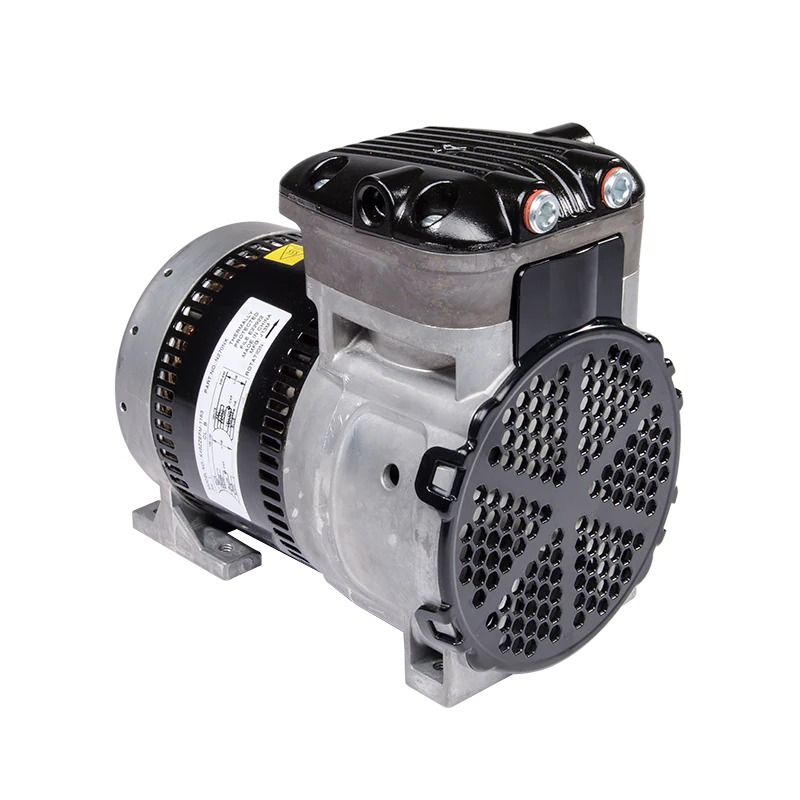
Are There Oil-Free Piston Vacuum Pump Options Available?
Yes, there are oil-free piston vacuum pump options available. Here’s a detailed explanation:
1. Oil-Free Technology:
– Traditional piston vacuum pumps use oil as a lubricant and sealant in their operation.
– However, advancements in vacuum pump technology have led to the development of oil-free piston vacuum pumps.
– Oil-free piston pumps are designed to operate without the need for lubricating oil, eliminating the risk of oil contamination and the need for oil changes.
2. Dry Running Operation:
– Oil-free piston vacuum pumps achieve lubrication and sealing through alternative means.
– They often utilize materials such as self-lubricating polymers or advanced coatings on the piston and cylinder surfaces.
– These materials reduce friction and provide sufficient sealing to maintain vacuum levels without the need for oil.
3. Applications:
– Oil-free piston vacuum pumps are suitable for a wide range of applications where oil contamination is a concern.
– They are commonly used in industries such as food and beverage, pharmaceutical, electronics, laboratories, and medical where a clean and oil-free vacuum environment is required.
4. Advantages:
– The primary advantage of oil-free piston vacuum pumps is their ability to provide a clean and oil-free vacuum.
– They eliminate the risk of oil contamination, which is crucial in sensitive applications such as semiconductor manufacturing or pharmaceutical production.
– Oil-free pumps also simplify maintenance since there is no need for oil changes or regular oil monitoring.
5. Considerations:
– While oil-free piston vacuum pumps offer advantages, they also have some considerations to keep in mind.
– They may have slightly lower ultimate vacuum levels compared to oil-lubricated pumps.
– The absence of oil as a lubricant may result in slightly higher operating temperatures and increased wear on piston and cylinder surfaces.
– It’s important to select an oil-free piston vacuum pump that is suitable for the specific application requirements and consider the trade-offs between performance, cost, and maintenance.
6. Alternative Pump Technologies:
– In some cases, where oil-free operation is critical or specific vacuum levels are required, alternative pump technologies may be more suitable.
– Dry screw pumps, claw pumps, or scroll pumps are examples of oil-free pump technologies that are widely used in various industries.
– These pumps offer oil-free operation, high pumping speeds, and can achieve lower vacuum levels compared to oil-free piston pumps.
In summary, oil-free piston vacuum pumps are available as an alternative to traditional oil-lubricated pumps. They provide a clean and oil-free vacuum environment, making them suitable for applications where oil contamination is a concern. However, it’s important to consider specific application requirements and explore alternative pump technologies if necessary.


editor by CX 2024-03-09