Product Description
Product Parameters
Complete solution leader in oilless air pump field
* Oilless operation
* Permanently lubricated bearings
* High performance piston seal
* Die-cast aluminum components
* Thin wall, hard coated aluminum cylinder
* Dynamically balanced
* Twin headed rock piston
* RoHS compliant
* Safety ETL certificated
| NOTE: All test values are nominal and for reference only. They are not guaranteed maximum or minimum limits, nor do they imply mean or median. | |
| Model Number | SMV-60 |
| Performance Data | |
| Head configuration | Pressure parallel flow |
| Nominal voltage/frequency | 220V/50HZ |
| Max. Current | 0.8A |
| Max. Power | 170W |
| Max. Flow | 60L/MIN |
| Max. Vacuum | -88Kpa |
| Speed at rated load | 1400RPM |
| Noise | <52dB |
| Max.Pressure restart | 0 PSI |
| Electrical Data | |
| Motor type[Capacitance] | P.S.C(6.5uF) |
| Motor insulation class | B |
| Thermal switch[Open temperature] | Thermally protected(145°C) |
| Line lead wire color,gauge | Brown(hot),blue(neutral),18AWG |
| Capacitor lead wire color,gauge | Black,black,18 AWG |
| General Data | |
| Operating ambient air temperature | 50° to 104°F(10° to 40°C) |
| Safety certification | ETL |
| Dimension(LXWXH) | 184X99X151 MM |
| Installation size | 121X70 MM |
| Net weight | 4.3KG |
| Application | Medical suctions, lab,vacuum packaing etc. |
Detailed Photos
Our Advantages
*Bearing
1.Standard product with ERB bearing, 14000 hours operation. 2.Customized imported TPI/NSK bearing
*Motor
1.The coil adopts the fine pure copper enameled wire. 2.The rotor adopts the famous brand silicon steel sheet such as ZheJiang baosteel.
*Valve
1.The valve steel of Sweden SANDVIK; Good flexibility and long durability. 2.Thickness from 0.08mm to 1.2mm, suitable for maximum pressure from 0.8 MPa to 1.2 MPa.
*Piston ring
1.Wear-resistant high temperature; Ensure more than 10,000 hours of service life. 2.Customized imported piston ring.
Product Application
Our manufacturing process
We design and produce all main parts by ourselves, along with the standard procedure and test equipment, so we can better control the quality and cost.Our factory starts from die-casting of aluminium, motor production, precision finishing, automatic assembly of pumps, the capacity is 300,000 units per month,we provide OEM/ODM service so that can better achieve high-end customization and development for customers.
Our company possess strong technical research and development force, owns self-design and new product development capabilities, we concentrate on building a “flagship type” enterprise with the whole series of product lines of domestic and international medical use oilless air pumps.Technological innovation is the source of enterprise’s high quality development. We have a complete set of testing laboratories such as motor lab,high and low temperature lab,ROHS lab and Life test etc.
Our factory owns 8 motor production lines,16 aluminum die-casting machines, more than 150 high precision CNC lathes and more than 20 CNC machines. From the essential motor design to the entire design of the pump, it has been professionally tested, verified and validated, Our factory has full vertical integration for whole supply chain,So the quality can be firmly controlled by ourselves.
Our Service
Certifications
We specialize in the designing and manufacturing various kinds of oil free air compressor, vacuum pump since 2571,especially for medical applicaton,we are the vendor of Omron, Panasonic,Invacare, Nidek Medical etc.
Strive for survival by quality, seek benefits from management. Our company regards product quality as the life and continuous pursuit of the enterprise. Our company complies with the requirements of, implements the standardized management of R&D,production,quality assurance and production services, and sets up the strict operation specifications and procedures for each process. Our products have passed the ETL,CE,CCC and other certifications, CZPT the leading level in the world.Our company has more than 20 invention patents and utility patents. Our company has acquired the certifications of “National High-Tech Enterprises”,”ZheJiang Private Science and Technology Enterprises”,”ZheJiang Engineering Technology Center” and so on.
We are dedicated to working with the global intelligent product brand owners, retailers and distributors to establish a CZPT long-term OEM / ODM business partnerships. /* January 22, 2571 19:08:37 */!function(){function s(e,r){var a,o={};try{e&&e.split(“,”).forEach(function(e,t){e&&(a=e.match(/(.*?):(.*)$/))&&1
| After-sales Service: | on Line Support and Free Spare Parts |
|---|---|
| Air Flow: | 60 L/Min |
| Vacuum: | -90kpa |
| Samples: |
US$ 80/Piece
1 Piece(Min.Order) | Order Sample |
|---|
| Customization: |
Available
|
|
|---|
.shipping-cost-tm .tm-status-off{background: none;padding:0;color: #1470cc}
|
Shipping Cost:
Estimated freight per unit. |
about shipping cost and estimated delivery time. |
|---|
| Payment Method: |
|
|---|---|
|
Initial Payment Full Payment |
| Currency: | US$ |
|---|
| Return&refunds: | You can apply for a refund up to 30 days after receipt of the products. |
|---|
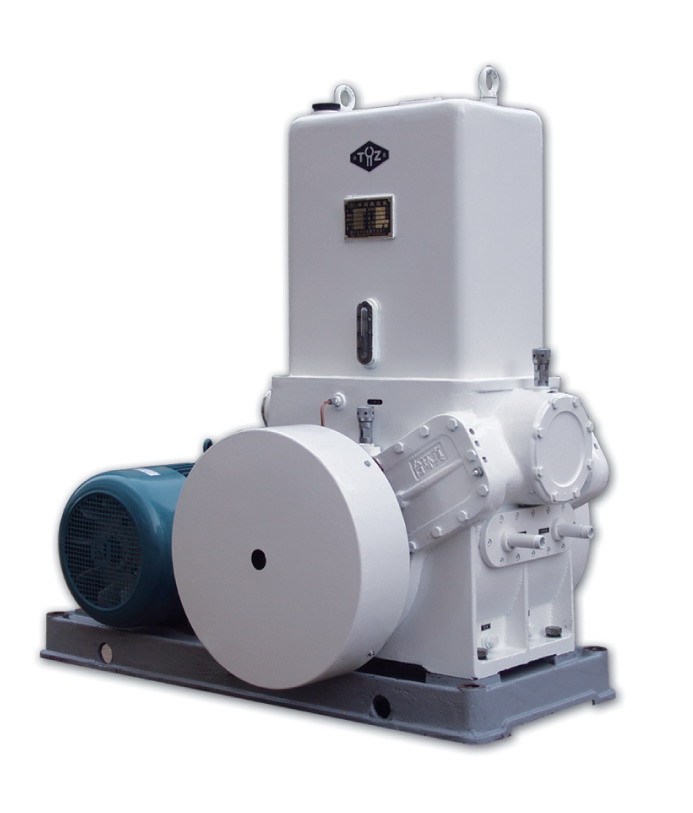
What Are the Key Components of a Piston Vacuum Pump?
A piston vacuum pump consists of several key components that work together to create a vacuum. Here’s a detailed explanation of these components:
1. Cylinder:
– The cylinder is a cylindrical chamber where the piston moves back and forth.
– It provides the housing for the piston and plays a crucial role in creating the vacuum by changing the volume of the chamber.
2. Piston:
– The piston is a movable component that fits inside the cylinder.
– It creates a seal between the piston and cylinder walls, allowing the pump to create a pressure differential and generate a vacuum.
– The piston is typically driven by a motor or an external power source.
3. Intake Valve:
– The intake valve allows gas or air to enter the cylinder during the suction stroke.
– It opens when the piston moves downward, creating a vacuum and drawing gas into the cylinder from the system being evacuated.
4. Exhaust Valve:
– The exhaust valve allows the expelled gas to exit the cylinder during the compression stroke.
– It opens when the piston moves upward, allowing the compressed gas to be expelled from the cylinder.
5. Lubrication System:
– Piston vacuum pumps often incorporate a lubrication system to ensure smooth operation and maintain an airtight seal between the piston and cylinder walls.
– Lubricating oil is introduced into the cylinder to provide lubrication and help maintain the seal.
– The lubrication system also helps to cool the pump by dissipating heat generated during operation.
6. Cooling System:
– Some piston vacuum pumps may include a cooling system to prevent overheating.
– This can involve the circulation of a cooling fluid or the use of cooling fins to dissipate heat generated during operation.
7. Pressure Gauges and Controls:
– Pressure gauges are often installed to monitor the vacuum level or pressure within the system.
– Control mechanisms, such as switches or valves, may be present to regulate the operation of the pump or maintain the desired vacuum level.
8. Motor or Power Source:
– The piston in a piston vacuum pump is typically driven by a motor or an external power source.
– The motor provides the necessary mechanical energy to move the piston back and forth, creating the suction and compression strokes.
9. Frame or Housing:
– The components of the piston vacuum pump are housed within a frame or housing that provides structural support and protection.
– The frame or housing also helps to reduce noise and vibration during operation.
In summary, the key components of a piston vacuum pump include the cylinder, piston, intake valve, exhaust valve, lubrication system, cooling system, pressure gauges and controls, motor or power source, and the frame or housing. These components work together to create a vacuum by reciprocating the piston within the cylinder, allowing gas to be drawn in and expelled, while maintaining an airtight seal. The lubrication and cooling systems, as well as pressure gauges and controls, ensure smooth and efficient operation of the pump.
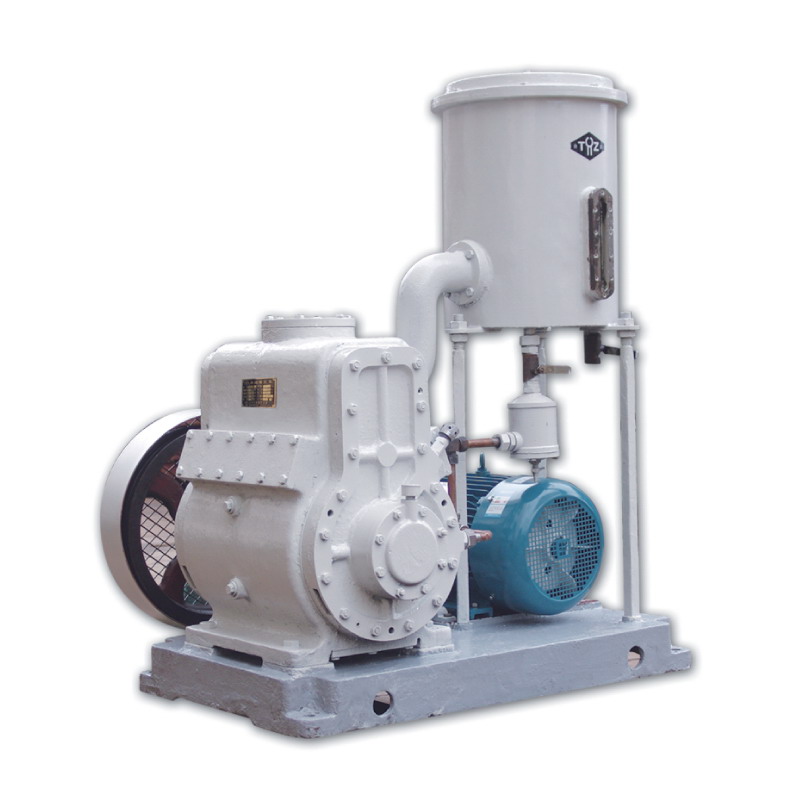
Can Piston Vacuum Pumps Be Used in Medical or Pharmaceutical Applications?
Yes, piston vacuum pumps can be used in medical and pharmaceutical applications. Here’s a detailed explanation:
– Piston vacuum pumps are versatile and widely used in various industries, including medical and pharmaceutical sectors.
– Medical and pharmaceutical applications often require vacuum technology for processes such as filtration, degassing, drying, and sample preparation.
– Piston vacuum pumps offer several advantages that make them suitable for these applications:
– High Vacuum Levels: Piston pumps can achieve high vacuum levels, which are often necessary in medical and pharmaceutical processes that require precise control and removal of gases or vapors.
– Contamination-Free Operation: Piston pumps can provide contamination-free operation, making them suitable for applications where maintaining a sterile or clean environment is crucial, such as in pharmaceutical manufacturing or medical research laboratories.
– Oil-Free Operation: Some piston vacuum pumps are designed to operate without oil lubrication. Oil-free pumps eliminate the risk of oil contamination in sensitive medical or pharmaceutical processes and avoid the need for oil changes or maintenance associated with oil-lubricated pumps.
– Quiet Operation: Piston pumps can be engineered to operate with reduced noise levels, which is advantageous in medical and pharmaceutical settings where a quiet working environment is desired.
– Durability and Reliability: Piston pumps are known for their robust construction and durability, allowing them to withstand demanding applications and provide reliable performance over extended periods.
– Compact Size: Piston vacuum pumps are available in compact designs, making them suitable for applications where space is limited, such as in medical devices or portable pharmaceutical equipment.
– Some specific medical and pharmaceutical applications where piston vacuum pumps are commonly used include:
– Vacuum Filtration: Piston pumps are used to generate the necessary vacuum for filtering solutions or suspensions in laboratory or industrial settings. This process is often employed in pharmaceutical research, production of vaccines, or purification of drugs.
– Freeze Drying: Piston vacuum pumps assist in the freeze-drying process, which is a common technique used in the pharmaceutical industry to preserve and stabilize sensitive drugs or biological samples.
– Vacuum Packaging: Piston pumps are utilized for creating a vacuum in packaging processes where maintaining product quality and extending shelf life are critical, such as in the pharmaceutical packaging of medicines or medical devices.
– Laboratory Evaporation: Piston vacuum pumps are employed in laboratory applications for the evaporation of solvents or liquids in medical or pharmaceutical research, drug development, or quality control processes.
– It is important to select the appropriate piston vacuum pump model based on the specific requirements of the medical or pharmaceutical application. Factors to consider include vacuum level needed, flow rate, compatibility with the handled substances, and compliance with industry regulations and standards.
– Additionally, compliance with Good Manufacturing Practices (GMP) and other regulatory guidelines is crucial when using piston vacuum pumps in medical or pharmaceutical applications to ensure product safety, quality, and regulatory compliance.
In summary, piston vacuum pumps are suitable for use in medical and pharmaceutical applications due to their ability to achieve high vacuum levels, provide contamination-free and oil-free operation, offer quiet and reliable performance, and accommodate compact design requirements. They are commonly used in processes such as vacuum filtration, freeze drying, vacuum packaging, and laboratory evaporation in these industries.
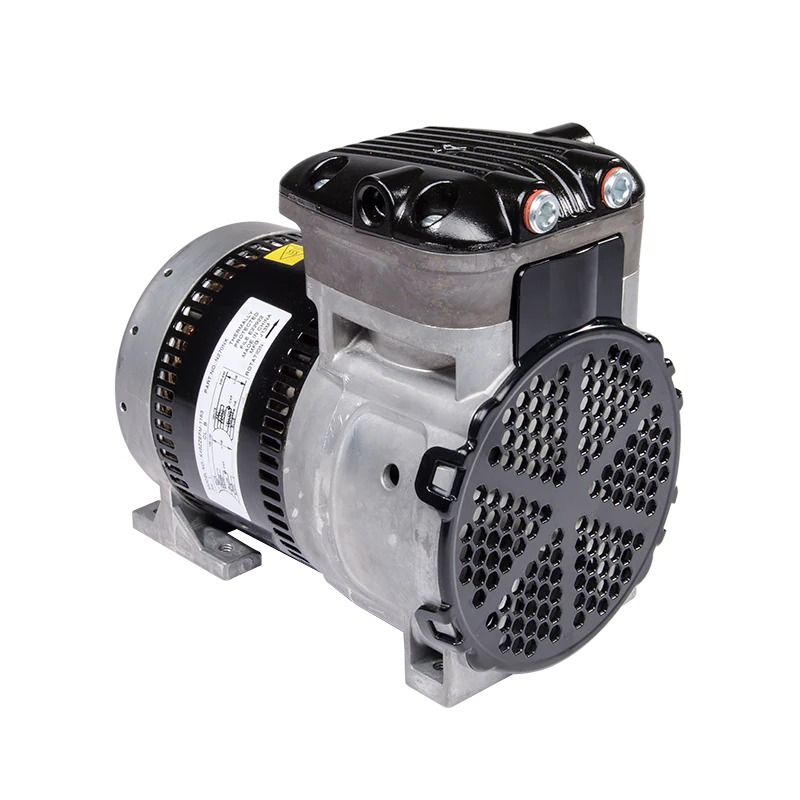
Are There Oil-Free Piston Vacuum Pump Options Available?
Yes, there are oil-free piston vacuum pump options available. Here’s a detailed explanation:
1. Oil-Free Technology:
– Traditional piston vacuum pumps use oil as a lubricant and sealant in their operation.
– However, advancements in vacuum pump technology have led to the development of oil-free piston vacuum pumps.
– Oil-free piston pumps are designed to operate without the need for lubricating oil, eliminating the risk of oil contamination and the need for oil changes.
2. Dry Running Operation:
– Oil-free piston vacuum pumps achieve lubrication and sealing through alternative means.
– They often utilize materials such as self-lubricating polymers or advanced coatings on the piston and cylinder surfaces.
– These materials reduce friction and provide sufficient sealing to maintain vacuum levels without the need for oil.
3. Applications:
– Oil-free piston vacuum pumps are suitable for a wide range of applications where oil contamination is a concern.
– They are commonly used in industries such as food and beverage, pharmaceutical, electronics, laboratories, and medical where a clean and oil-free vacuum environment is required.
4. Advantages:
– The primary advantage of oil-free piston vacuum pumps is their ability to provide a clean and oil-free vacuum.
– They eliminate the risk of oil contamination, which is crucial in sensitive applications such as semiconductor manufacturing or pharmaceutical production.
– Oil-free pumps also simplify maintenance since there is no need for oil changes or regular oil monitoring.
5. Considerations:
– While oil-free piston vacuum pumps offer advantages, they also have some considerations to keep in mind.
– They may have slightly lower ultimate vacuum levels compared to oil-lubricated pumps.
– The absence of oil as a lubricant may result in slightly higher operating temperatures and increased wear on piston and cylinder surfaces.
– It’s important to select an oil-free piston vacuum pump that is suitable for the specific application requirements and consider the trade-offs between performance, cost, and maintenance.
6. Alternative Pump Technologies:
– In some cases, where oil-free operation is critical or specific vacuum levels are required, alternative pump technologies may be more suitable.
– Dry screw pumps, claw pumps, or scroll pumps are examples of oil-free pump technologies that are widely used in various industries.
– These pumps offer oil-free operation, high pumping speeds, and can achieve lower vacuum levels compared to oil-free piston pumps.
In summary, oil-free piston vacuum pumps are available as an alternative to traditional oil-lubricated pumps. They provide a clean and oil-free vacuum environment, making them suitable for applications where oil contamination is a concern. However, it’s important to consider specific application requirements and explore alternative pump technologies if necessary.


editor by Dream 2024-04-25