Product Description
|
Single stage |
VP115 |
VP125 |
VP135 |
VP145 |
VP160 |
VP180 |
VP1100 |
|
|
Flow rate |
50 Hz |
1.5CFM |
2.5CFM |
3.5CFM |
4.5CFM |
6CFM |
8CFM |
10CFM |
|
42L/min |
70L/min |
100L/min |
128L/min |
170L/min |
226L/min |
283L/min |
||
|
60 Hz |
1.8CFM |
3CFM |
4CFM |
5CFM |
7CFM |
9CFM |
12CFM |
|
|
50L/min |
84L/min |
114L/min |
142L/min |
198L/min |
254L/min |
340L/min |
||
|
Ultimate vacuum |
5Pa |
5Pa |
5Pa |
5Pa |
5Pa |
5Pa |
5Pa |
|
|
150 microns |
150 microns |
150 microns |
150 microns |
150 microns |
150 microns |
150 microns |
||
|
Power |
1/4HP |
1/4HP |
1/3HP |
1/3HP |
1/2HP |
3/4HP |
1HP |
|
|
Inlet Port |
1/4”Flare |
1/4”Flare |
1/4”Flare |
1/4”Flare |
1/4”Flare & 3/8”Flare |
1/4”Flare & 3/8”Flare |
1/4”Flare & 3/8”Flare |
|
|
Oil Capacity |
320ml |
300ml |
350ml |
350ml |
450ML |
700ML |
800ML |
|
|
Dimensions (mm) |
270*119*216 |
270*119*216 |
278*119*216 |
278*119*216 |
320*134*232 |
370*140*250 |
390*140*250 |
|
|
Weight |
5.3kg |
5.5kg |
6.5kg |
6.8kg |
10kg |
14kg |
14.5kg |
|
|
Dual stage |
VP215 |
VP225 |
VP235 |
VP245 |
VP260 |
VP280 |
VP2100 |
|
|
Flow rate |
50Hz |
1.5CFM |
2.5CFM |
3.5CFM |
4.5CFM |
6CFM |
8CFM |
10CFM |
|
42L/min |
70L/min |
100L/min |
128L/min |
170L/min |
226L/min |
283L/min |
||
|
60Hz |
1.8CFM |
3CFM |
4CFM |
5CFM |
7CFM |
9CFM |
12CFM |
|
|
50L/min |
84L/min |
114L/min |
142L/min |
198L/min |
254L/min |
340L/min |
||
|
Ultimate vacuum |
3×10⁻¹Pa |
3×10⁻¹Pa |
3×10⁻¹Pa |
3×10⁻¹Pa |
3×10⁻¹Pa |
3×10⁻¹Pa |
3×10⁻¹Pa |
|
|
25microns |
25microns |
25microns |
25microns |
25microns |
25microns |
25microns |
||
|
Power |
1/4HP |
1/3HP |
1/3HP |
1/2HP |
3/4HP |
1HP |
1HP |
|
|
Inlet Port |
1/4”Flare |
1/4”Flare |
1/4”Flare & 3/8”Flare |
1/4”Flare & 3/8”Flare |
1/4”Flare & 3/8”Flare |
1/4”Flare & 3/8”Flare |
1/4”Flare & 3/8”Flare |
|
|
Oil capacity |
180ml |
280ml |
360ml |
350ml |
700ml |
600ml |
700ml |
|
|
Dimensions (mm) |
270*119*216 |
278*119*216 |
320*134*232 |
320*134*232 |
370*140*250 |
370*140*250 |
390*140*250 |
|
|
Weight |
6kg |
7kg |
11kg |
11.8kg |
15kg |
15.5kg |
16kg |
|
Company Profile
HangZhou Endless Frontier Technology Co.,LTD. is a leading professional supplier of A/C and refrigerant spare parts and tools. Our products range includes compressors, capacitors, fan motors, copper tube, copper fttings and brass fttings, vacuum pump, manifold gauges, refrigerant detectors, charging scales, filter driers, charging valves, expansion valves, thermostats, flaring tools, bend tubes, cutters,et., which are used for CHINAMFG system, with competitive price and nice quality, we can also provide OEM and ODM services. Most of our products gains ISO, CCC,CE,ETL,UL, TUV and REACH certifications.
1. who are we?
We are based in ZHangZhoug, China, start from 2571,sell to Eastern Asia(30.00%),Mid East(25.00%),South America(20.00%),North America(15.00%),Eastern Europe(10.00%). There are total about 51-100 people in our office.
2. how can we guarantee quality?
Always a pre-production sample before mass production;
Always final Inspection before shipment;
3.what can you buy from us?
Compressor,Capacitor,Copper Fitting And Tubes,Axial Fan,Refrigerant Oil
4. why should you buy from us not from other suppliers?
1. 15 Years Experience for refrigeration industry 2. CHINAMFG system one-stop service 3. Full L/C Payment Term Support 4. Cooperating Customers From Over 80 Countries 5. Strong OEM Ability, With Brands Customer Needed
5. what services can we provide?
Accepted Delivery Terms: FOB,CFR,CIF,EXW,CIP;
Accepted Payment Currency:USD,EUR;
Accepted Payment Type: T/T,L/C,D/P D/A;
Language Spoken:English,Chinese,Spanish,Japanese,Portuguese,German,Arabic,French,Russian,Korean,Hindi,Italian
/* January 22, 2571 19:08:37 */!function(){function s(e,r){var a,o={};try{e&&e.split(“,”).forEach(function(e,t){e&&(a=e.match(/(.*?):(.*)$/))&&1
| After-sales Service: | Online |
|---|---|
| Warranty: | 1 Year |
| Oil or Not: | Oil |
| Structure: | Rotary Vacuum Pump |
| Vacuum Degree: | High Vacuum |
| Model: | Vp180 |
| Samples: |
US$ 120/Piece
1 Piece(Min.Order) | |
|---|
| Customization: |
Available
|
|
|---|
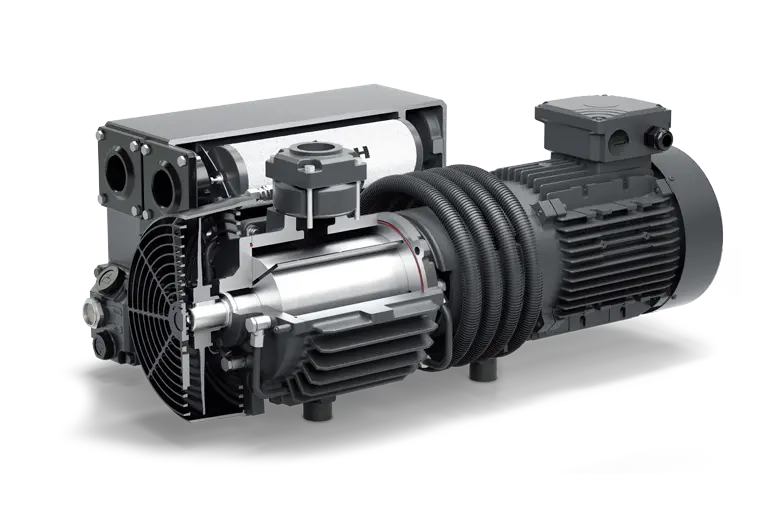
Can Vacuum Pumps Be Used in the Aerospace Sector?
Vacuum pumps indeed have various applications in the aerospace sector. Here’s a detailed explanation:
Vacuum pumps play a crucial role in several areas of the aerospace industry, supporting various processes and systems. Some of the key applications of vacuum pumps in the aerospace sector include:
1. Space Simulation Chambers: Vacuum pumps are used in space simulation chambers to replicate the low-pressure conditions experienced in outer space. These chambers are utilized for testing and validating the performance and functionality of aerospace components and systems under simulated space conditions. Vacuum pumps create and maintain the necessary vacuum environment within these chambers, allowing engineers and scientists to evaluate the behavior and response of aerospace equipment in space-like conditions.
2. Propellant Management: In space propulsion systems, vacuum pumps are employed for propellant management. They help in the transfer, circulation, and pressurization of propellants, such as liquid rocket fuels or cryogenic fluids, in both launch vehicles and spacecraft. Vacuum pumps assist in creating the required pressure differentials for propellant flow and control, ensuring efficient and reliable operation of propulsion systems.
3. Environmental Control Systems: Vacuum pumps are utilized in the environmental control systems of aircraft and spacecraft. These systems are responsible for maintaining the desired atmospheric conditions, including temperature, humidity, and cabin pressure, to ensure the comfort, safety, and well-being of crew members and passengers. Vacuum pumps are used to regulate and control the cabin pressure, facilitating the circulation of fresh air and maintaining the desired air quality within the aircraft or spacecraft.
4. Satellite Technology: Vacuum pumps find numerous applications in satellite technology. They are used in the fabrication and testing of satellite components, such as sensors, detectors, and electronic devices. Vacuum pumps help create the necessary vacuum conditions for thin film deposition, surface treatment, and testing processes, ensuring the performance and reliability of satellite equipment. Additionally, vacuum pumps are employed in satellite propulsion systems to manage propellants and provide thrust for orbital maneuvers.
5. Avionics and Instrumentation: Vacuum pumps are involved in the production and testing of avionics and instrumentation systems used in aerospace applications. They facilitate processes such as thin film deposition, vacuum encapsulation, and vacuum drying, ensuring the integrity and functionality of electronic components and circuitry. Vacuum pumps are also utilized in vacuum leak testing, where they help create a vacuum environment to detect and locate any leaks in aerospace systems and components.
6. High Altitude Testing: Vacuum pumps are used in high altitude testing facilities to simulate the low-pressure conditions encountered at high altitudes. These testing facilities are employed for evaluating the performance and functionality of aerospace equipment, such as engines, materials, and structures, under simulated high altitude conditions. Vacuum pumps create and control the required low-pressure environment, allowing engineers and researchers to assess the behavior and response of aerospace systems in high altitude scenarios.
7. Rocket Engine Testing: Vacuum pumps are crucial in rocket engine testing facilities. They are utilized to evacuate and maintain the vacuum conditions in engine test chambers or nozzles during rocket engine testing. By creating a vacuum environment, these pumps simulate the conditions experienced by rocket engines in the vacuum of space, enabling accurate testing and evaluation of engine performance, thrust levels, and efficiency.
It’s important to note that aerospace applications often require specialized vacuum pumps capable of meeting stringent requirements, such as high reliability, low outgassing, compatibility with propellants or cryogenic fluids, and resistance to extreme temperatures and pressures.
In summary, vacuum pumps are extensively used in the aerospace sector for a wide range of applications, including space simulation chambers, propellant management, environmental control systems, satellite technology, avionics and instrumentation, high altitude testing, and rocket engine testing. They contribute to the development, testing, and operation of aerospace equipment, ensuring optimal performance, reliability, and safety.
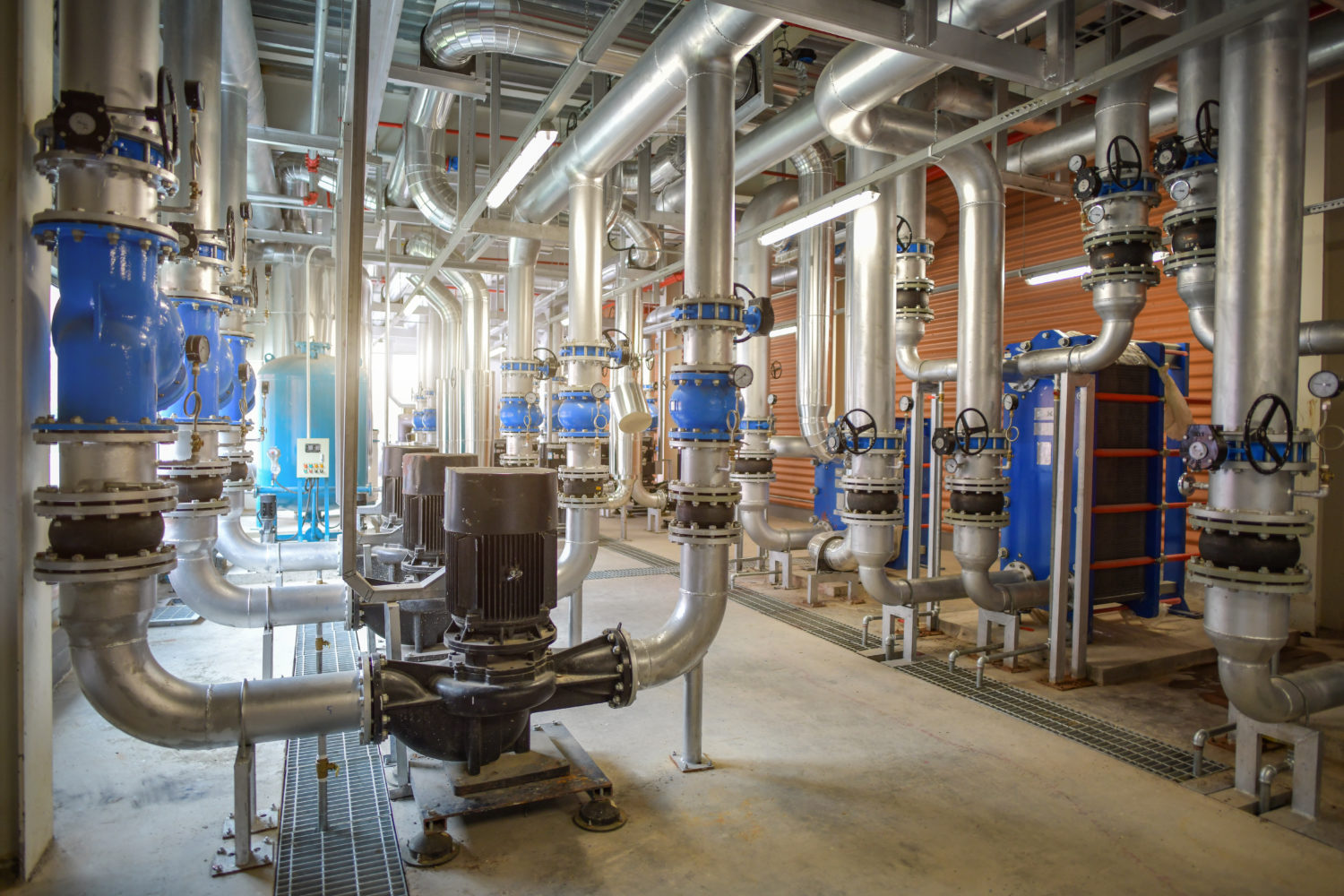
Can Vacuum Pumps Be Used for Leak Detection?
Yes, vacuum pumps can be used for leak detection purposes. Here’s a detailed explanation:
Leak detection is a critical task in various industries, including manufacturing, automotive, aerospace, and HVAC. It involves identifying and locating leaks in a system or component that may result in the loss of fluids, gases, or pressure. Vacuum pumps can play a significant role in leak detection processes by creating a low-pressure environment and facilitating the detection of leaks through various methods.
Here are some ways in which vacuum pumps can be used for leak detection:
1. Vacuum Decay Method: The vacuum decay method is a common technique used for leak detection. It involves creating a vacuum in a sealed system or component using a vacuum pump and monitoring the pressure change over time. If there is a leak present, the pressure will gradually increase due to the ingress of air or gas. By measuring the rate of pressure rise, the location and size of the leak can be estimated. Vacuum pumps are used to evacuate the system and establish the initial vacuum required for the test.
2. Bubble Testing: Bubble testing is a simple and visual method for detecting leaks. In this method, the component or system being tested is pressurized with a gas, and then immersed in a liquid, typically soapy water. If there is a leak, the gas escaping from the component will form bubbles in the liquid, indicating the presence and location of the leak. Vacuum pumps can be used to create a pressure differential that forces gas out of the leak, making it easier to detect the bubbles.
3. Helium Leak Detection: Helium leak detection is a highly sensitive method used to locate extremely small leaks. Helium, being a small atom, can easily penetrate small openings and leaks. In this method, the system or component is pressurized with helium gas, and a vacuum pump is used to evacuate the surrounding area. A helium leak detector is then used to sniff or scan the area for the presence of helium, indicating the location of the leak. Vacuum pumps are essential for creating the low-pressure environment required for this method and ensuring accurate detection.
4. Pressure Change Testing: Vacuum pumps can also be used in pressure change testing for leak detection. This method involves pressurizing a system or component and then isolating it from the pressure source. The pressure is monitored over time, and any significant pressure drop indicates the presence of a leak. Vacuum pumps can be used to evacuate the system after pressurization, returning it to atmospheric pressure for comparison or retesting.
5. Mass Spectrometer Leak Detection: Mass spectrometer leak detection is a highly sensitive and precise method used to identify and quantify leaks. It involves introducing a tracer gas, usually helium, into the system or component being tested. A vacuum pump is used to evacuate the surrounding area, and a mass spectrometer is employed to analyze the gas samples for the presence of the tracer gas. This method allows for accurate detection and quantification of leaks down to very low levels. Vacuum pumps are crucial for creating the necessary vacuum conditions and ensuring reliable results.
In summary, vacuum pumps can be effectively used for leak detection purposes. They facilitate various leak detection methods such as vacuum decay, bubble testing, helium leak detection, pressure change testing, and mass spectrometer leak detection. Vacuum pumps create the required low-pressure environment, assist in evacuating the system or component being tested, and enable accurate and reliable leak detection. The choice of vacuum pump depends on the specific requirements of the leak detection method and the sensitivity needed for the application.
What Is the Purpose of a Vacuum Pump in an HVAC System?
In an HVAC (Heating, Ventilation, and Air Conditioning) system, a vacuum pump serves a crucial purpose. Here’s a detailed explanation:
The purpose of a vacuum pump in an HVAC system is to remove air and moisture from the refrigerant lines and the system itself. HVAC systems, particularly those that rely on refrigeration, operate under specific pressure and temperature conditions to facilitate the transfer of heat. To ensure optimal performance and efficiency, it is essential to evacuate any non-condensable gases, air, and moisture from the system.
Here are the key reasons why a vacuum pump is used in an HVAC system:
1. Removing Moisture: Moisture can be present within an HVAC system due to various factors, such as system installation, leaks, or improper maintenance. When moisture combines with the refrigerant, it can cause issues like ice formation, reduced system efficiency, and potential damage to system components. A vacuum pump helps remove moisture by creating a low-pressure environment, which causes the moisture to boil and turn into vapor, effectively evacuating it from the system.
2. Eliminating Air and Non-Condensable Gases: Air and non-condensable gases, such as nitrogen or oxygen, can enter an HVAC system during installation, repair, or through leaks. These gases can hinder the refrigeration process, affect heat transfer, and decrease system performance. By using a vacuum pump, technicians can evacuate the air and non-condensable gases, ensuring that the system operates with the designed refrigerant and pressure levels.
3. Preparing for Refrigerant Charging: Prior to charging the HVAC system with refrigerant, it is crucial to create a vacuum to remove any contaminants and ensure the system is clean and ready for optimal refrigerant circulation. By evacuating the system with a vacuum pump, technicians ensure that the refrigerant enters a clean and controlled environment, reducing the risk of system malfunctions and improving overall efficiency.
4. Leak Detection: Vacuum pumps are also used in HVAC systems for leak detection purposes. After evacuating the system, technicians can monitor the pressure to check if it holds steady. A significant drop in pressure indicates the presence of leaks, enabling technicians to identify and repair them before charging the system with refrigerant.
In summary, a vacuum pump plays a vital role in an HVAC system by removing moisture, eliminating air and non-condensable gases, preparing the system for refrigerant charging, and aiding in leak detection. These functions help ensure optimal system performance, energy efficiency, and longevity, while also reducing the risk of system malfunctions and damage.


editor by Dream 2024-04-29