Product Description
Feature
1. The system can set 2 action modes: (1)Lubrication: Lubrication timing should be executed before starting. (2) Memory: When the power is cut off and the power is sent again, the incomplete interval before execution can be continued.
2. Lubrication time and intermittent time can be adjusted (with lock key function, lock settings).
3. It has liquid level switch and pressure switch (normally closed, optional). When the oil or pressure is insufficient, the buzzer will give an alarm and output the abnormal signal. (1) Insufficient pressure showed Erp. (2) Insufficient liquid level shows Ero.
4. System time can be set, LUB lubrication time: 1-999 (seconds) INT interval time: 1-999 (minutes) (customizable).
5. panel indicator can show the lubrication and intermittent state of the oil injector.
6. System can use CHINAMFG key to force lubrication or eliminate abnormal alarm signal.
7. The longest lubrication time is less than or equal to 2 minutes, and the interval time is more than 5 times of the lubrication time.
8. The motor is equipped with an overheat protector to prevent the motor from overheating and overloading.
9. Volumetric system is equipped with decompression device, which needs LT/DPB/MO distributor.
10. A relief valve is provided to prevent the lubrication pump from being damaged by overloading and excessive pipeline pressure.
11. Use oil viscosity 32-68 cSt@40ºC.
Specification
Dimension
Application
About IGLAN
HangZhou CHINAMFG Machinery Co., Ltd. is a factory that manufactures centralized lubrication products and provides solutions.
The CHINAMFG of the company: In 2005, when CHINAMFG was dealing with slideway soft strips, it was found that the slideway soft strips were improperly lubricated or failed, and the friction force would increase drastically, making the machine tool unable to work normally, thus damaging the guide rails. At this point, we started the exploration and research of friction and lubrication.
Products and services: Manufacturing pump units for micro-lubrication systems, grease lubrication systems, and thin oil lubrication systems. Production of lubrication distributors, lubrication metering valves, lubrication system nylon tubing, high-pressure hoses, oil filters, pipe joints, etc. Provide overall centralized lubrication solutions and installation services.
R& D and innovation: We keep referring to the international advanced lubrication system design and production concepts, and improve the technical level and quality of our company’s products. It has been committed to the localization of high-end lubrication system technology and actively promoted brand research and development innovation. Over the years, we have integrated product experience and application conditions, optimized design, developed a variety of lubrication products, and obtained a number of patents and high-tech products.
Quality system: Passed ISO9001: 2015 international quality certification, and strictly regulated production operations in accordance with this standard.
Overseas market
In overseas markets, our products are mainly sold in Singapore, Thailand, Malaysia, Australia, Chile, Brazil, Mexico, the United States, Spain, France, the Middle East, Russia, South Africa and many other countries and regions. Over the years, our company has won the trust and favor of our customers by virtue of high-quality product flow service and super cost-effective, so that our lubrication system products are spread all over the world!
After Sales Guarantee
1. Professional online consultant tosolve your question about com-pressor system.
2. Negotiable technican availableto service machinery overseas.
3. Free site design consultant, andenergy saving solution to helpyou save operation cost.
4. Online professional after-serviceuntil solve the problem.
5. Our products have 1 year warranty period , so if it has quality problems within 1 year , you can find our warranty.
6. A sufficient number of spare parts are available, make sure the good after service.
Packaging & Shipping
In order to ensure that buyers pay, we support online transactions and online transactions, and provide a variety of payment options. In order to ensure timely delivery, we have sufficient inventory of almost all our products. Finally, we will deliver the products through the fastest international express to ensure fast receipt.
Payment Options
FAQ
1. Are you a manufacturer?
Yes, we have been in lubrication pumps manufacturing and marketing industry over 10 years.
2. What products you supply?
Our products include grease electric lubrication pumps, oil electric lubrication pumps, oil-air lubrication pumps, single point lubrication pumps, oil-mist lubrication pumps, oil circulation lubrication pumps, manual lubrication pumps, lubrication distributors and lubrication accessories, etc
3. What markets do your pumps export to?
Europe, North & South America, South-East Asia, Africa, Oceanica, Middle East countries. Our overseas agent in Italy, Russia, America and Africa are gradually improving.
4. What information should I let you know if I want to get a quotation?
Please let us know the pump capacity, system, application scenario, operation situation, quantity, etc. As much as your provide, the precision and accurate model selection.
5. Is it available to print our own brand on the pump?
Totally acceptable as international rules.
6.Can you make according to customer require?
Yes, we can make according to your sample or drawing, OEM/ODM service provided.
7.What is your packing?
Netural packing or DAS logo carton packing,or customized box design packing.
8. What is your delivery time?
If we have stock, we can ship within 1 week. If not, takes about 10-45days depends on order quantity.
9. How can I get the price of your pumps?
You can connect with us through any of the following contact information. Our personalized service person will respond you within 24 hours.
10. What payments can you accept?
T/T, L/C, and Western union,cash.
11. Can you arrange shipment to our warehouse?
Yes, we have long term professional cooperated shipment agent to handle goods to your sea port and can delivery to door as require. /* May 10, 2571 16:49:51 */!function(){function d(e,r){var a,o={};try{e&&e.split(“,”).forEach(function(e,t){e&&(a=e.match(/(.*?):(.*)$/))&&1
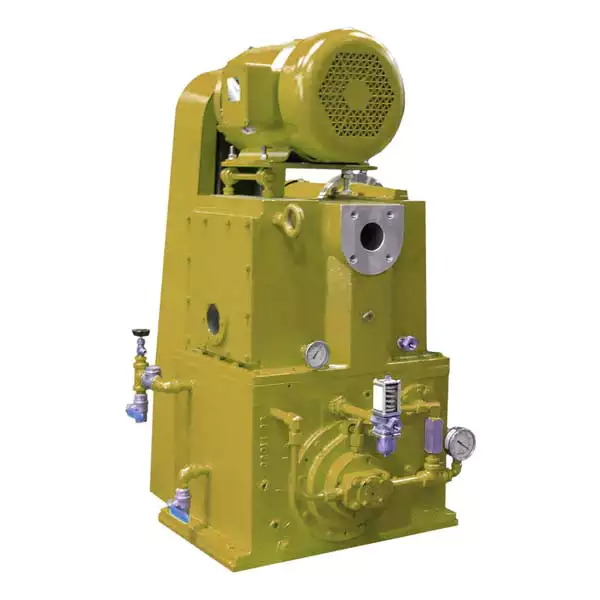
Can Vacuum Pumps Be Used for Vacuum Packaging?
Yes, vacuum pumps can be used for vacuum packaging. Here’s a detailed explanation:
Vacuum packaging is a method used to remove air from a package or container, creating a vacuum environment. This process helps to extend the shelf life of perishable products, prevent spoilage, and maintain product freshness. Vacuum pumps play a crucial role in achieving the desired vacuum level for effective packaging.
When it comes to vacuum packaging, there are primarily two types of vacuum pumps commonly used:
1. Single-Stage Vacuum Pumps: Single-stage vacuum pumps are commonly used for vacuum packaging applications. These pumps use a single rotating vane or piston to create a vacuum. They can achieve moderate vacuum levels suitable for most packaging requirements. Single-stage pumps are relatively simple in design, compact, and cost-effective.
2. Rotary Vane Vacuum Pumps: Rotary vane vacuum pumps are another popular choice for vacuum packaging. These pumps utilize multiple vanes mounted on a rotor to create a vacuum. They offer higher vacuum levels compared to single-stage pumps, making them suitable for applications that require deeper levels of vacuum. Rotary vane pumps are known for their reliability, consistent performance, and durability.
When using vacuum pumps for vacuum packaging, the following steps are typically involved:
1. Preparation: Ensure that the packaging material, such as vacuum bags or containers, is suitable for vacuum packaging and can withstand the vacuum pressure without leakage. Place the product to be packaged inside the appropriate packaging material.
2. Sealing: Properly seal the packaging material, either by heat sealing or using specialized vacuum sealing equipment. This ensures an airtight enclosure for the product.
3. Vacuum Pump Operation: Connect the vacuum pump to the packaging equipment or directly to the packaging material. Start the vacuum pump to initiate the vacuuming process. The pump will remove the air from the packaging, creating a vacuum environment.
4. Vacuum Level Control: Monitor the vacuum level during the packaging process using pressure gauges or vacuum sensors. Depending on the specific packaging requirements, adjust the vacuum level accordingly. The goal is to achieve the desired vacuum level suitable for the product being packaged.
5. Sealing and Closure: Once the desired vacuum level is reached, seal the packaging material completely to maintain the vacuum environment. This can be done by heat sealing the packaging material or using specialized sealing mechanisms designed for vacuum packaging.
6. Product Labeling and Storage: After sealing, label the packaged product as necessary and store it appropriately, considering factors such as temperature, humidity, and light exposure, to maximize product shelf life.
It’s important to note that the specific vacuum level required for vacuum packaging may vary depending on the product being packaged. Some products may require a partial vacuum, while others may require a more stringent vacuum level. The choice of vacuum pump and the control mechanisms employed will depend on the specific vacuum packaging requirements.
Vacuum pumps are widely used in various industries for vacuum packaging applications, including food and beverage, pharmaceuticals, electronics, and more. They provide an efficient and reliable means of creating a vacuum environment, helping to preserve product quality and extend shelf life.
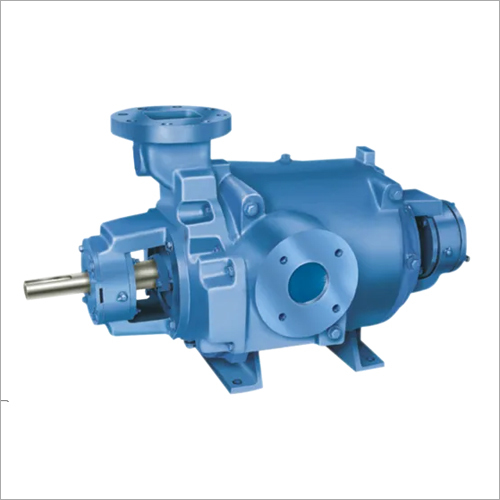
How Do Vacuum Pumps Affect the Performance of Vacuum Chambers?
When it comes to the performance of vacuum chambers, vacuum pumps play a critical role. Here’s a detailed explanation:
Vacuum chambers are enclosed spaces designed to create and maintain a low-pressure environment. They are used in various industries and scientific applications, such as manufacturing, research, and material processing. Vacuum pumps are used to evacuate air and other gases from the chamber, creating a vacuum or low-pressure condition. The performance of vacuum chambers is directly influenced by the characteristics and operation of the vacuum pumps used.
Here are some key ways in which vacuum pumps affect the performance of vacuum chambers:
1. Achieving and Maintaining Vacuum Levels: The primary function of vacuum pumps is to create and maintain the desired vacuum level within the chamber. Vacuum pumps remove air and other gases, reducing the pressure inside the chamber. The efficiency and capacity of the vacuum pump determine how quickly the desired vacuum level is achieved and how well it is maintained. High-performance vacuum pumps can rapidly evacuate the chamber and maintain the desired vacuum level even when there are gas leaks or continuous gas production within the chamber.
2. Pumping Speed: The pumping speed of a vacuum pump refers to the volume of gas it can remove from the chamber per unit of time. The pumping speed affects the rate at which the chamber can be evacuated and the time required to achieve the desired vacuum level. A higher pumping speed allows for faster evacuation and shorter cycle times, improving the overall efficiency of the vacuum chamber.
3. Ultimate Vacuum Level: The ultimate vacuum level is the lowest pressure that can be achieved in the chamber. It depends on the design and performance of the vacuum pump. Higher-quality vacuum pumps can achieve lower ultimate vacuum levels, which are important for applications requiring higher levels of vacuum or for processes that are sensitive to residual gases.
4. Leak Detection and Gas Removal: Vacuum pumps can also assist in leak detection and gas removal within the chamber. By continuously evacuating the chamber, any leaks or gas ingress can be identified and addressed promptly. This ensures that the chamber maintains the desired vacuum level and minimizes the presence of contaminants or unwanted gases.
5. Contamination Control: Some vacuum pumps, such as oil-sealed pumps, use lubricating fluids that can introduce contaminants into the chamber. These contaminants may be undesirable for certain applications, such as semiconductor manufacturing or research. Therefore, the choice of vacuum pump and its potential for introducing contaminants should be considered to maintain the required cleanliness and purity of the vacuum chamber.
6. Noise and Vibrations: Vacuum pumps can generate noise and vibrations during operation, which can impact the performance and usability of the vacuum chamber. Excessive noise or vibrations can interfere with delicate experiments, affect the accuracy of measurements, or cause mechanical stress on the chamber components. Selecting vacuum pumps with low noise and vibration levels is important for maintaining optimal chamber performance.
It’s important to note that the specific requirements and performance factors of a vacuum chamber can vary depending on the application. Different types of vacuum pumps, such as rotary vane pumps, dry pumps, or turbomolecular pumps, offer varying capabilities and features that cater to specific needs. The choice of vacuum pump should consider factors such as the desired vacuum level, pumping speed, ultimate vacuum, contamination control, noise and vibration levels, and compatibility with the chamber materials and gases used.
In summary, vacuum pumps have a significant impact on the performance of vacuum chambers. They enable the creation and maintenance of the desired vacuum level, affect the pumping speed and ultimate vacuum achieved, assist in leak detection and gas removal, and influence contamination control. Careful consideration of the vacuum pump selection ensures optimal chamber performance for various applications.
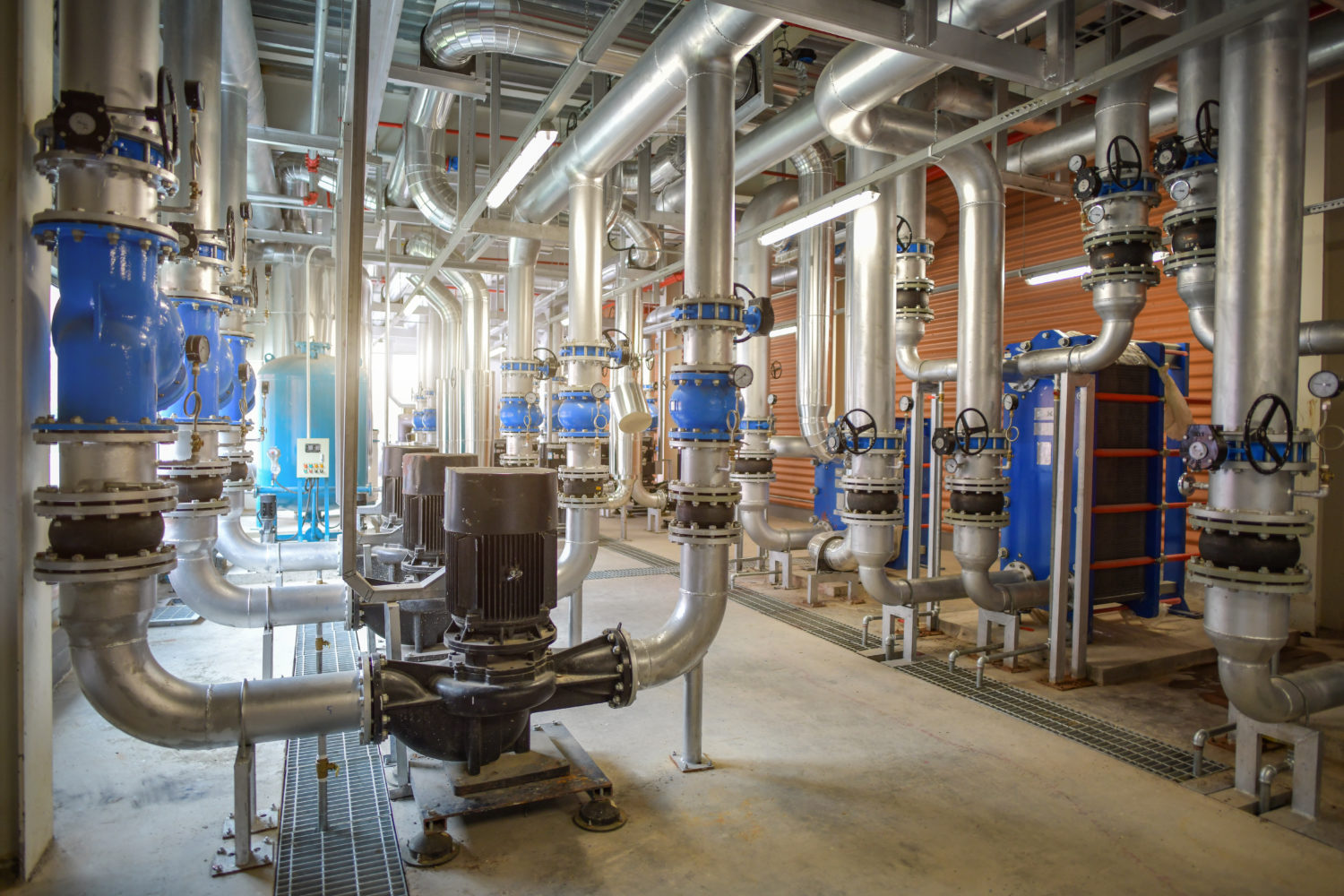
What Is the Purpose of a Vacuum Pump in an HVAC System?
In an HVAC (Heating, Ventilation, and Air Conditioning) system, a vacuum pump serves a crucial purpose. Here’s a detailed explanation:
The purpose of a vacuum pump in an HVAC system is to remove air and moisture from the refrigerant lines and the system itself. HVAC systems, particularly those that rely on refrigeration, operate under specific pressure and temperature conditions to facilitate the transfer of heat. To ensure optimal performance and efficiency, it is essential to evacuate any non-condensable gases, air, and moisture from the system.
Here are the key reasons why a vacuum pump is used in an HVAC system:
1. Removing Moisture: Moisture can be present within an HVAC system due to various factors, such as system installation, leaks, or improper maintenance. When moisture combines with the refrigerant, it can cause issues like ice formation, reduced system efficiency, and potential damage to system components. A vacuum pump helps remove moisture by creating a low-pressure environment, which causes the moisture to boil and turn into vapor, effectively evacuating it from the system.
2. Eliminating Air and Non-Condensable Gases: Air and non-condensable gases, such as nitrogen or oxygen, can enter an HVAC system during installation, repair, or through leaks. These gases can hinder the refrigeration process, affect heat transfer, and decrease system performance. By using a vacuum pump, technicians can evacuate the air and non-condensable gases, ensuring that the system operates with the designed refrigerant and pressure levels.
3. Preparing for Refrigerant Charging: Prior to charging the HVAC system with refrigerant, it is crucial to create a vacuum to remove any contaminants and ensure the system is clean and ready for optimal refrigerant circulation. By evacuating the system with a vacuum pump, technicians ensure that the refrigerant enters a clean and controlled environment, reducing the risk of system malfunctions and improving overall efficiency.
4. Leak Detection: Vacuum pumps are also used in HVAC systems for leak detection purposes. After evacuating the system, technicians can monitor the pressure to check if it holds steady. A significant drop in pressure indicates the presence of leaks, enabling technicians to identify and repair them before charging the system with refrigerant.
In summary, a vacuum pump plays a vital role in an HVAC system by removing moisture, eliminating air and non-condensable gases, preparing the system for refrigerant charging, and aiding in leak detection. These functions help ensure optimal system performance, energy efficiency, and longevity, while also reducing the risk of system malfunctions and damage.
<img src="https://img.hzpt.com/img/VacuumPump/VacuumPumps-l1.webp" alt="China Custom CHINAMFG CNC Router Vacuum Pump Lubrication Pump Gear Pump with Level Switch vacuum pump belt “><img src="https://img.hzpt.com/img/VacuumPump/VacuumPumps-l2.webp" alt="China Custom CHINAMFG CNC Router Vacuum Pump Lubrication Pump Gear Pump with Level Switch vacuum pump belt “>
editor by Dream 2024-10-08