Product Description
Greentech International (Xihu (West Lake) Dis.) Co., Ltd is the professional vacuum pump supplier.
The application range and characteristics:
2BE3 series water ring vacuum pumps and compressors are designed and manufactured by our company integrating with the advanced technology abroad. They are not only can save energy, but also can work constantly for a long time.
Under the rough vacuum situation, the requirements for the liquid ring vacuum pumps are very rigorous. So the 2BE3 series products are designed for pumping various gases. They are widely used in many industries, such as, the paper, mine, power station, chemical etc.
2BE3 series products can be driven with many different sets, such as, the V-belt, synchronal motor, gear box etc. In order to save space, more than 2 or at most 4 sets of the 2BE3 series pumps can be driven by 1 motor simultaneously.
When set a middle wall in the casing, the pressure tolerance between the 2 sides is lower than 80kPa and the 2 parts can work in different vacuum status respectively. Thus 1 pump can work well like two. Hereby the product operating flexibility is improved effectively.
The main characteristics of 2BE3 series products:
· The tolerance, corrosive status, and the begrime situation can be easily observed by the big inspection port on both sides of the end-shield.
· The 2BE3 series pumps have flanges both on the top and sides with the same diameter. It is more convenient to connect with the 2BE3 series pumps.
· The bearings are all used of the imported products in order to keep the precise orientation and the high stability during the working of the pump.
· The material of the impeller is QT400 nodular iron or steel plates for ensuring the stability of the pump under the various rigorous situations and extending the life of the pump effectively.
· The casing is made of steel or stainless steel plates to extend the lifetime of the 2BE3 series pumps.
· The shaft bushing is made of stainless steel plates to extend the life of the pumps 5 times more than the normal material.
· The V-belt pulley (when the pump is driven by the belt) is used of the high precise pulley with taper bushing to keep the reliability of the pump and extend its life. And it is also easy to mantle and dismantle.
· The unique design of setting the separator above the pump saves the space and decreases the noise efficiently.
· All the spare parts are cast by the resin sands that make the surface of the pump very smooth. So it is not necessary to cover the surface of the pump with putty and gives out the heat efficiently.
· The mechanical seals (optional) are all used the imported products so as to avoid the leakage during the working of the pump for a long time.
| Type | Speed (Drive type) r/min |
Max shaft power kW |
Motor Power kW |
Suction Capacity | Limited vacuum (abs) mbar |
Weight of bare pump with separator kg |
|
| m 3 /h | m 3 /min | ||||||
| 2BE3 400 | 340(V-Belt/gear box) 390(V-Belt/gear box) 440(V-Belt/gear box) 490(V-Belt/gear box) 530(V-Belt/gear box) 570(V-Belt/gear box) 610(V-Belt/gear box) |
82 95 115 134 148 167 189 |
110 110 132 160 185 200 220 |
4850 5650 6250 6900 7470 8000 8600 |
80.8 94.2 104.2 115.0 124.5 133.3 143.3 |
160 | 3275 |
| 2BE3 420 | 340(V-Belt/gear box) 390(V-Belt/gear box) 440(V-Belt/gear box) 490(V-Belt/gear box) 530(V-Belt/gear box) 570(V-Belt/gear box) 610(V-Belt/gear box) |
108 132 157 180 204 229 260 |
132 160 185 200 220 250 315 |
6650 7650 8550 9400 10150 10700 11600 |
110.8 127.5 142.5 156.6 169.2 178.3 193.3 |
160 | 3720 |
| 2BE3 500 | 260(gear box) 300(gear box) 340(gear box) 380(gear box) 420(gear box) 470(gear box) |
142 171 203 238 277 338 |
160 200 250 280 315 400 |
8700 10150 11400 12700 13800 15500 |
145.0 169.2 190.0 211.7 230.0 258.3 |
160 | 6110 |
| 2BE3 520 | 260(gear box) 300(gear box) 340(gear box) 380(gear box) 420(gear box) 470(gear box) |
172 210 245 288 337 412 |
200 250 280 315 400 500 |
10700 12300 14000 15400 16800 18700 |
178.3 205.0 233.3 256.7 280.0 311.7 |
160 | 6740 |
| 2BE3 600 | 230(gear box) 260(gear box) 290(gear box) 320(gear box) 350(gear box) 400(gear box) |
205 243 285 322 365 465 |
250 280 315 355 450 560 |
12700 14400 16000 17500 19000 21600 |
211.7 240.0 266.7 291.7 316.7 360.0 |
160 | 9100 |
| 2BE3 620 | 230(gear box) 260(gear box) 290(gear box) 320(gear box) 350(gear box) 400(gear box) |
250 300 340 390 450 570 |
280 355 400 450 500 630 |
15600 17700 19500 21300 23200 26200 |
260.0 295.0 325.0 355.0 386.7 436.7 |
160 | 10700 |
| 2BE3 670 | 210(gear box) 240(gear box) 270(gear box) 300(gear box) 320(gear box) 330(gear box) 370(gear box) |
280 350 415 465 523 545 670 |
315 400 450 560 630 630 800 |
18300 20400 23160 25500 27000 27720 30960 |
305 340 386 425 450 462 516 |
160 | 12700 |
| 2BE3 720 | 190(gear box) 210(gear box) 240(gear box) 270(gear box) 300(gear box) 340(gear box) |
345 395 475 550 642 795 |
400 450 560 630 710 900 |
21900 24300 27480 30540 33780 38100 |
365 405 458 509 563 635 |
160 | 15700 |
| Oil or Not: | Oil Free |
|---|---|
| Structure: | Reciprocating Vacuum Pump |
| Exhauster Method: | Entrapment Vacuum Pump |
| Vacuum Degree: | High Vacuum |
| Work Function: | Pre-Suction Pump |
| Working Conditions: | Wet |
| Customization: |
Available
|
|
|---|
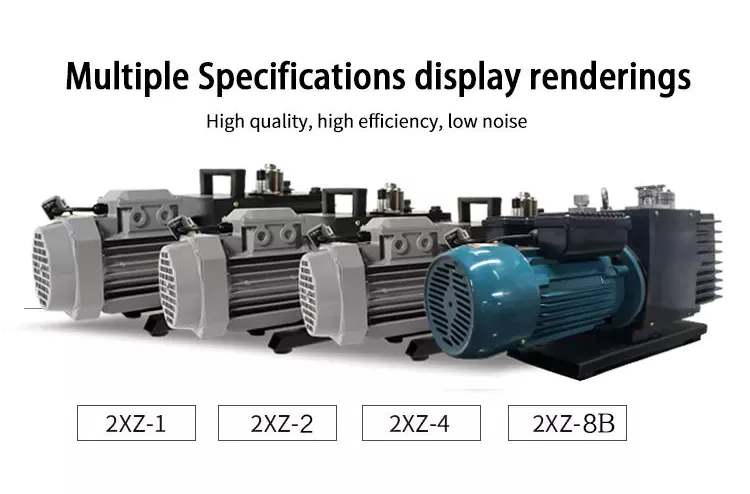
Basic knowledge of vacuum pump
A vacuum pump is used to create a relative vacuum within a sealed volume. These pumps take gas molecules out of the sealed volume and expel them, leaving a partial vacuum. They can be used in a variety of applications, including medicine and laboratory research. This article will cover the basics of vacuum pumps, including how they operate and the materials they use. You will also learn about typical applications and fees.
How it works
A vacuum pump is a pump that removes air from a specific space. These pumps are divided into three types according to their function. Positive displacement pumps are used in the low vacuum range and high vacuum pumps are used in the ultra-high vacuum range. The performance of a vacuum pump depends on the quality of the vacuum it produces.
A vacuum pump creates a partial vacuum above the surrounding atmospheric pressure. The speed of the pump is proportional to the pressure difference between the ambient atmosphere and the base pressure of the pump. Choose a base pressure for a specific process, not the lowest possible pressure in the system.
A scroll pump is also a type of vacuum pump. This type of pump consists of two scrolls, the inner scroll running around the gas volume. It then compresses the gas in a spiral fashion until it reaches the maximum pressure at its center. The inner and outer scrolls are separated by a polymer tip seal that provides an axial seal between them. Its pumping speed ranges from 5.0 to 46 m3/h.
Another type of vacuum pump is the screw pump, which uses two rotating screws in one chamber. The screw in the screw pump is a left-handed screw, and the other is a right-handed screw. The two screws do not touch each other when engaged, preventing contamination of the medium. They also feature high pumping speeds, low operating costs and low maintenance requirements.
The vacuum pump consists of several parts such as rotor and base. These components create an area of low pressure. Gas and water molecules rush into this low pressure area, where they are sucked into the pump. The pump also rotates, preventing fluid leakage to the low pressure side.
The main function of a vacuum pump is to remove gas particles from an enclosed space. It does this by changing gas molecules between high and low pressure states. A vacuum pump can also generate a partial vacuum. There are several types of vacuum pumps, each designed to perform a specific function, so it is important to choose the right type for your application.
Vacuum Pump Materials
There are two main materials used in vacuum pumps: metal and polyethylene. Metal is more durable, while polyethylene is cheaper and more flexible. However, these materials are not suitable for high pressure and may cause damage. Therefore, if you want to design a high-pressure pump, it is best to use metal materials.
Vacuum pumps are required in a variety of industrial environments and manufacturing processes. The most common vacuum pump is a positive displacement vacuum pump, which transports a gas load from the inlet to the outlet. The main disadvantage of this pump is that it can only generate a partial vacuum; higher vacuums must be achieved through other techniques.
Materials used in vacuum pumps vary from high to rough vacuum pumps. Low pressure ranges are typically below 1 x 10⁻³ mbar, but high vacuum pumps are used for extreme vacuum. They also differ in manufacturing tolerances, seals used, materials used and operating conditions.
The choice of vacuum pump material depends on the process. The vacuum range and ultimate pressure of the system must be carefully analyzed to find the right material for the job. Depending on the purpose of the pump, a variety of materials can be used, from ceramic to plastic substrates. When choosing a vacuum pump material, be sure to consider its durability and corrosion resistance.
Dry and wet vacuum pumps use oil to lubricate internal parts. This prevents wear of the pump due to corrosion. These types of pumps are also recommended for continuous use and are ideal for applications where the gas is acidic or corrosive. Therefore, they are widely used in the chemical and food industries. They are also used in rotary evaporation and volatile compound processing.
Positive displacement pumps are the most common type. They work by letting gas flow into a cavity and venting it into the atmosphere. Additionally, momentum transfer pumps, also known as molecular pumps, use high-velocity jets of high-density fluids to transport air and gases. These pumps are also used for medical purposes. 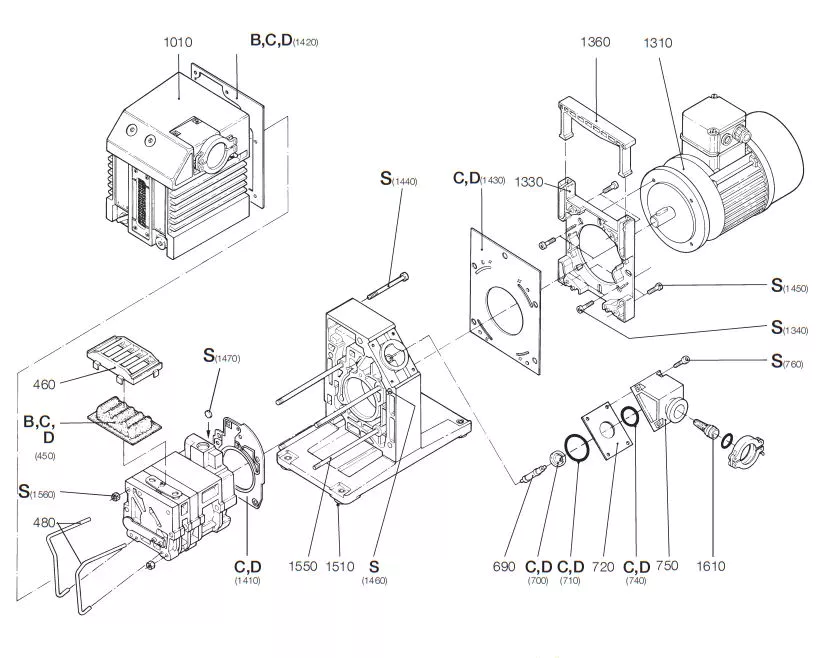
Typical application
Vacuum pumps are used to remove large amounts of air and water from the process. They are used in various industries to improve performance. For example, liquid ring vacuum pumps are used in packaging production to produce plastic sheets in the desired shape and size. Large-capacity suction pumps are used in the chemical industry to improve the surface properties of materials and speed up filtration.
There are two basic principles of vacuum pumps: entrapment and gas transfer. Positive displacement pumps are suitable for low to medium vacuums, while momentum transfer and retention pumps are suitable for high vacuums. Typically, high vacuum systems use two or more pumps working in series.
There are three main categories of vacuum pumps: primary, booster, and secondary. Their working pressure ranges from a few millimeters above atmospheric pressure. They also have several different technologies, including positive displacement, gas transfer, and gas capture. These pumps transport gas molecules through momentum exchange. Typically, they release gas molecules at roughly the same rate as they entered. When the process is complete, the gas molecules are slightly above atmospheric pressure. The discharge pressure is equal to the lowest pressure achieved, which is the compression ratio.
Vacuum pumps are widely used in all walks of life. They can be found in almost every industrial sector, including food processing. For example, they are used to make sausages and food products. In addition, they are used in landfill and digester compressors. They can also be used to build solar panels.
Oil lubricated vacuum pumps are currently the most energy-efficient vacuum pumps. These pumps are suitable for a variety of industrial applications including freeze drying and process engineering. These pumps use oil as a sealant and coolant, which makes them ideal for a variety of applications. These pumps are also very sensitive to vibration.
Another type of vacuum pump is a turbomolecular pump. These pumps have multiple stages and angled vanes. Unlike mechanical pumps, turbomolecular pumps sweep out larger areas at higher pumping speeds. In addition, they can generate ultra-high oil-free vacuums. Additionally, they have no moving parts, which makes them ideal for high vacuum pressures. 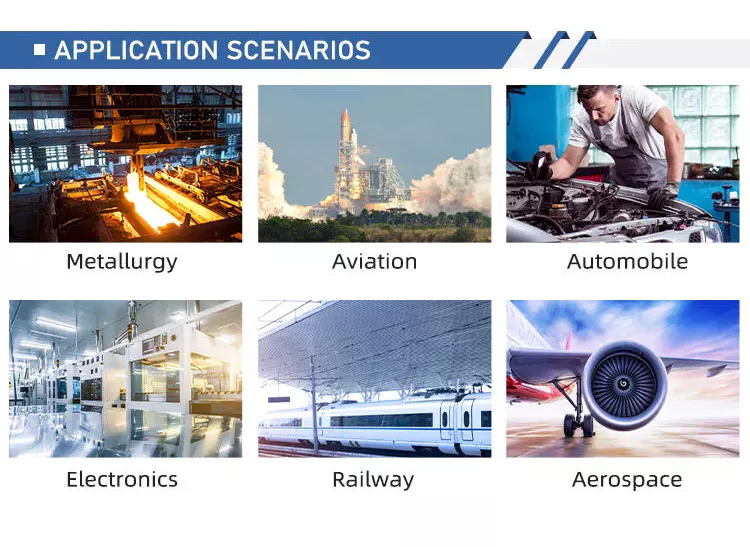
Vacuum Pump Cost
Annual maintenance costs for vacuum pumps range from $242 to $337. The energy consumption of the vacuum pump is also a consideration, as it consumes electricity throughout its operating cycle. For example, an electric motor for a 1 hp pump uses 0.55 kW/hr, which equates to 2,200 kWh of energy per year.
Energy cost is the largest part of the total cost of a vacuum pump. They are usually four to five times higher than the initial purchase price. Therefore, choosing a more energy efficient system can reduce the total cost of ownership and extend the payback period. For many clients, this can be millions of dollars.
A vacuum pump works by compressing gas as it enters a chamber. This pushes the gas molecules towards the exhaust. The exhaust gas is then vented to the atmosphere. A special spring-loaded vane seals the pump’s chamber, creating an airtight seal. Specially formulated oils are also used to lubricate, cool and seal rotors.
Vacuum pumps are not cheap, but they have many advantages over water suction. One of the main advantages of vacuum pumps is their flexibility and reliability. This is an industry-proven solution that has been around for years. However, the initial cost of a vacuum pump is higher than that of a water aspirator.
If the vacuum pump fails unexpectedly, replacement costs can be high. Proper maintenance can extend the life of your system and prevent unplanned downtime. However, no one can predict when a pump will fail, and if a pump does fail, the cost can far exceed the cost of buying a new pump. Therefore, investing in preventive maintenance is a wise investment.
There are many types of vacuum pumps, not all of which are suitable for the same type of application. Make sure to choose a pump with the power required for the job. It should also be able to handle a variety of samples.


editor by CX 2023-04-23