Product Description
Horizontal Dam Sea River Big Particle Sand CHINAMFG Dredge Pump
General
AMG/AMGH dredge pump is designed for continuously handling the most difficult higher CHINAMFG slurries which contain too big solids to be pumped by a common pump. They are suitable for delivering slurry
in mining, explosive sludge in metal melting, grudging in dredger and course of river, and other fields. Type AMGH pumps are of high head ones
Overview
Construction of this pump is of single casing connected by means of clamp bands and wide wet passage.
The wet parts are made of Ni hard and high chromium abrasion resistance alloys.
The discharge direction of dredge pump can be oriented in any direction of 360 degrees.
This type of pump possesses the advantages of easy installation and operation, good performance of NPSH and abrasion resistance.
Drive types
V-belts driven, flexible coupling driven, gear box driven, hydraulic coupler driven, variable frequency driven, thyristor speed control etc.
Structural Features
– Single stage, single suction, horizontal centrifugal dredge pump
– Wet parts such as casing, impeller, liner plate in anti-abrasion high chrome cast iron alloy.
– Horizontal-central-split container bracket easy for maintaining
– Packing or mechanical seal
– Protective shell surrounding the casing ideal for heavy duty
– Hydraulic optimization design, high-efficient, energy-saving and stable operation
Construction
Application
Heavy duty Mining Process Coal Preparation Plant
Cyclone Feeds Mineral Processing
Tailings Mill Grinding
Slurry Feeding System Heavy Refuse Removal
Pulp And Paper Dredging
Abrasive Slurry High Density Slurries
Ash Handling Industrial Processing
Eight tips for maintenance dredge pump
1. When operated dredge pump, the bearing temperature can not more 35 oC than ambient. The max can not exceed 80 oC.
2. If abnormal noise happened shall stop the dredge pump right now and check where is wrong.
3. Before stop the pump, stop the gate valve, pressure gauge first and then the motor.
4. For the fist month work, the pump shall change the lubricating oil for the first 100hours, and then change 1 time per 500hours.
5. Adjust the packing gland frequently to make sure the leakage as the standard.
6. Check the shaft sleeve regularly, if be CHINAMFG badly shall change timely.
7. During the cold winter before stop, should disassembly the discharge plug screw under the pump casing, and discharge the liquid in the casing to avoid frost crack.
8. It stop the dredge pump long term, shall disassembly the pump completely, make the parts dry, and then smear oil on the rotor parts and connect location. The last assembly well.
>>>Company Introduction
HangZhou CHINAMFG Machinery Co., Ltd is 1 over 30 years experienced pump manufacturer (established at 1986) in mining and mineral, power plant, dredging and dredge, hydraulic, irrigation, pulp transfer, chemical, construction, sea water and oil & gas transfer etc.; CHINAMFG Machinery is the pump factory has its own pump selection & design, research and development team to assure provide you efficient, energy saving slurry pump, water pump, diesel water pump, chemical pump and irrigation pump in selection & design, use and maintenance program.
CHINAMFG Machinery is the pump factory approved by ISO9001, ISO14001 and OHSAS18001. We also have the certificate of CE. Our factory is over 50,000 square CHINAMFG with the professional engineer over 20. The Max casting parts weight we could do 1 time is 7 tons. And we have capacity to produce 600 tons per month and with the heat treatment CHINAMFG dimension 6mx5.5mx2.5m. The Max parts we could machine is 6.4 CHINAMFG and we have capacity to assemble the pump over 1800mm and our cranes capacity is 30 tons.
CHINAMFG Machinery products include slurry pump, sewage pump, water pump, acid resistant or chemical pump, irrigation pumps, fire pumps and other products exported to over 90 countries all over the world. The application covers many fields, such as mining and mineral processing, dredger, tailings transportation, mining, steel, desulfurization pump, boiler feed water, construction, irrigation, water conservancy facilities, sewage treatment, drainage and water supply.
In the CHINAMFG of rapid development of science and technology, CHINAMFG Machinery team take the entrepreneurial spirit “excellence and constant product quality, brand known CHINAMFG and Credit-based”, business purpose “the achievements of create brand enterprise and industry pioneer”, to help you out and provide quality & cheap innovative products!
>>>FAQ
(1). Q: Are you a trading company or manufacture?
A: CHINAMFG Machinery Co., Ltd is a real large professional manufacturer more than 32 years, in China, produce with our own factory.
(2). Q: what’s your factory workshops ?
A: My factory produce include casting, mechanical process, lathe process, heat treatment, assembly, and test etc.
Warmly welcome to visit & test my factory any time.
(3). Q: How about your QI series centrifugal end scution pump price?
A: We are sure our price is factory price, and insist hig quality for our long term cooperation.
(4). Q: What is your QI series end suction pump material ?
A: For the QI end suction pump, we could produce cast iron, cast steel, stainless steel, bronze, and material high CrMoNi alloy.
And we could also produce as your requirements.
(5).Q: What kind of liquid can your QI series centrifugal end suction pump transfer?
A: Liquid range: water, chemical liquid, hot water, sewage etc.
(6). Q:How does your factory do regarding quality control?
A:”Quality is priority. we always attach great importance to quality controlling from the very beginning to the very end.
Our factory has 15~30 QC.
(7). Q: Is it easy for customers to change the parts by myselves ?
A: yes, the structure is simple ,customers can change it very easliy. We will also supply you maintenance tools for free.
(8). Q: How about your CHINAMFG pump warranty?
A: 1 year warranty for commplete setpump, 6-8 months for wet parts, it depends on other pump working condition details.
(9). Q: How to do if the pump or parts have operatation problem within your warranty?
A: Tell me details timely, and show me pictures, we will send you pump solution at once without any hesistation.
(10). Q: Can you install the electric motor or diesel engine with the pump for us ?
A: yes, we can, it’s no problem, we are experienced in this .
(11): Q: .we don’t know which pump model we need ,can you help us ?
A: yes, please tell me your detail requirements, include liquid, flow rate, head etc,
my engineers team wiill calculate & select most suitable pump model for you, offer pump solution for you.
(12). Q:How long can you reply us if we send an inquiry ?
A: Generall with in 2 hours, we will send you official quotation sheet, with price, technology data, performance curve, dimension etc.
(13). Q: What are your advantages,why should I choose you?
A: Higher Quality, our parts have 30% longer life than the originals
Short Delivery Time, for normal parts,we have stock in our warehouse
Competitive Price, we can help you cut down the cost by 30% or more
Best Services, we have technical department, quality control department and a professional sales team, we will offer professional service for you any time.
ΞΞΞΞΞΞ CONTACT US ΞΞΞΞΞΞ
7x24Hours Online Contact Information
/* January 22, 2571 19:08:37 */!function(){function s(e,r){var a,o={};try{e&&e.split(“,”).forEach(function(e,t){e&&(a=e.match(/(.*?):(.*)$/))&&1
| Type: | Cutter Suction Dredger |
|---|---|
| Power Type: | Diesel |
| Cyclone Type: | Hydrocyclone |
| Slot Type: | CTN |
| Customized: | Customized |
| Condition: | New |
| Customization: |
Available
|
|
|---|
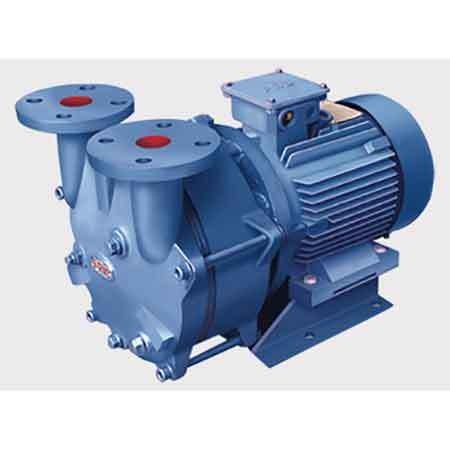
Can Vacuum Pumps Be Used for Vacuum Furnaces?
Yes, vacuum pumps can be used for vacuum furnaces. Here’s a detailed explanation:
Vacuum furnaces are specialized heating systems used in various industries for heat treatment processes that require controlled environments with low or no atmospheric pressure. Vacuum pumps play a crucial role in creating and maintaining the vacuum conditions necessary for the operation of vacuum furnaces.
Here are some key points regarding the use of vacuum pumps in vacuum furnaces:
1. Vacuum Creation: Vacuum pumps are used to evacuate the furnace chamber, creating a low-pressure or near-vacuum environment. This is essential for the heat treatment processes carried out in the furnace, as it helps eliminate oxygen and other reactive gases, preventing oxidation or unwanted chemical reactions with the heated materials.
2. Pressure Control: Vacuum pumps provide the means to control and maintain the desired pressure levels within the furnace chamber during the heat treatment process. Precise pressure control is necessary to achieve the desired metallurgical and material property changes during processes such as annealing, brazing, sintering, and hardening.
3. Contamination Prevention: By removing gases and impurities from the furnace chamber, vacuum pumps help prevent contamination of the heated materials. This is particularly important in applications where cleanliness and purity of the processed materials are critical, such as in the aerospace, automotive, and medical industries.
4. Rapid Cooling: Some vacuum furnace systems incorporate rapid cooling capabilities, known as quenching. Vacuum pumps assist in facilitating the rapid cooling process by removing the heat generated during quenching, ensuring efficient cooling and minimizing distortion or other unwanted effects on the treated materials.
5. Process Flexibility: Vacuum pumps provide flexibility in the type of heat treatment processes that can be performed in vacuum furnaces. Different heat treatment techniques, such as vacuum annealing, vacuum brazing, or vacuum carburizing, require specific pressure levels and atmospheric conditions that can be achieved and maintained with the use of vacuum pumps.
6. Vacuum Pump Types: Different types of vacuum pumps can be used in vacuum furnaces, depending on the specific requirements of the heat treatment process. Commonly used vacuum pump technologies include oil-sealed rotary vane pumps, dry screw pumps, diffusion pumps, and cryogenic pumps. The choice of vacuum pump depends on factors such as required vacuum level, pumping speed, reliability, and compatibility with the process gases.
7. Maintenance and Monitoring: Proper maintenance and monitoring of vacuum pumps are essential to ensure their optimal performance and reliability. Regular inspections, lubrication, and replacement of consumables (such as oil or filters) are necessary to maintain the efficiency and longevity of the vacuum pump system.
8. Safety Considerations: Operating vacuum furnaces with vacuum pumps requires adherence to safety protocols. This includes proper handling of potentially hazardous gases or chemicals used in the heat treatment processes, as well as following safety guidelines for operating and maintaining the vacuum pump system.
Overall, vacuum pumps are integral components of vacuum furnaces, enabling the creation and maintenance of the required vacuum conditions for precise and controlled heat treatment processes. They contribute to the quality, consistency, and efficiency of the heat treatment operations performed in vacuum furnaces across a wide range of industries.
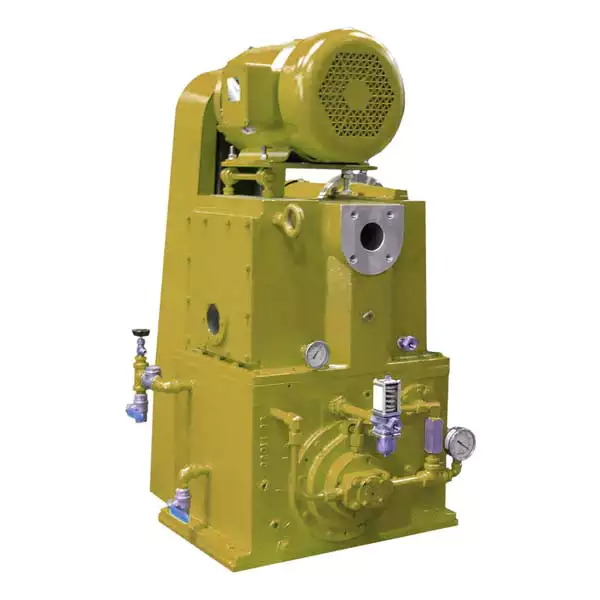
Can Vacuum Pumps Be Used for Soil and Groundwater Remediation?
Vacuum pumps are indeed widely used for soil and groundwater remediation. Here’s a detailed explanation:
Soil and groundwater remediation refers to the process of removing contaminants from the soil and groundwater to restore environmental quality and protect human health. Vacuum pumps play a crucial role in various remediation techniques by facilitating the extraction and treatment of contaminated media. Some of the common applications of vacuum pumps in soil and groundwater remediation include:
1. Soil Vapor Extraction (SVE): Soil vapor extraction is a widely used remediation technique for volatile contaminants present in the subsurface. It involves the extraction of vapors from the soil by applying a vacuum to the subsurface through wells or trenches. Vacuum pumps create a pressure gradient that induces the movement of vapors towards the extraction points. The extracted vapors are then treated to remove or destroy the contaminants. Vacuum pumps play a vital role in SVE by maintaining the necessary negative pressure to enhance the volatilization and extraction of contaminants from the soil.
2. Dual-Phase Extraction (DPE): Dual-phase extraction is a remediation method used for the simultaneous extraction of both liquids (such as groundwater) and vapors (such as volatile organic compounds) from the subsurface. Vacuum pumps are utilized to create a vacuum in extraction wells or points, drawing out both the liquid and vapor phases. The extracted groundwater and vapors are then separated and treated accordingly. Vacuum pumps are essential in DPE systems for efficient and controlled extraction of both liquid and vapor-phase contaminants.
3. Groundwater Pumping and Treatment: Vacuum pumps are also employed in groundwater remediation through the process of pumping and treatment. They are used to extract contaminated groundwater from wells or recovery trenches. By creating a vacuum or negative pressure, vacuum pumps facilitate the flow of groundwater towards the extraction points. The extracted groundwater is then treated to remove or neutralize the contaminants before being discharged or re-injected into the ground. Vacuum pumps play a critical role in maintaining the required flow rates and hydraulic gradients for effective groundwater extraction and treatment.
4. Air Sparging: Air sparging is a remediation technique used to treat groundwater and soil contaminated with volatile organic compounds (VOCs). It involves the injection of air or oxygen into the subsurface to enhance the volatilization of contaminants. Vacuum pumps are utilized in air sparging systems to create a vacuum or negative pressure zone in wells or points surrounding the contaminated area. This induces the movement of air and oxygen through the soil, facilitating the release and volatilization of VOCs. Vacuum pumps are essential in air sparging by maintaining the necessary negative pressure gradient for effective contaminant removal.
5. Vacuum-Enhanced Recovery: Vacuum-enhanced recovery, also known as vacuum-enhanced extraction, is a remediation technique used to recover non-aqueous phase liquids (NAPLs) or dense non-aqueous phase liquids (DNAPLs) from the subsurface. Vacuum pumps are employed to create a vacuum or negative pressure gradient in recovery wells or trenches. This encourages the movement and extraction of NAPLs or DNAPLs towards the recovery points. Vacuum pumps facilitate the efficient recovery of these dense contaminants, which may not be easily recoverable using traditional pumping methods.
It’s important to note that different types of vacuum pumps, such as rotary vane pumps, liquid ring pumps, or air-cooled pumps, may be used in soil and groundwater remediation depending on the specific requirements of the remediation technique and the nature of the contaminants.
In summary, vacuum pumps play a vital role in various soil and groundwater remediation techniques, including soil vapor extraction, dual-phase extraction, groundwater pumping and treatment, air sparging, and vacuum-enhanced recovery. By creating and maintaining the necessary pressure differentials, vacuum pumps enable the efficient extraction, treatment, and removal of contaminants, contributing to the restoration of soil and groundwater quality.
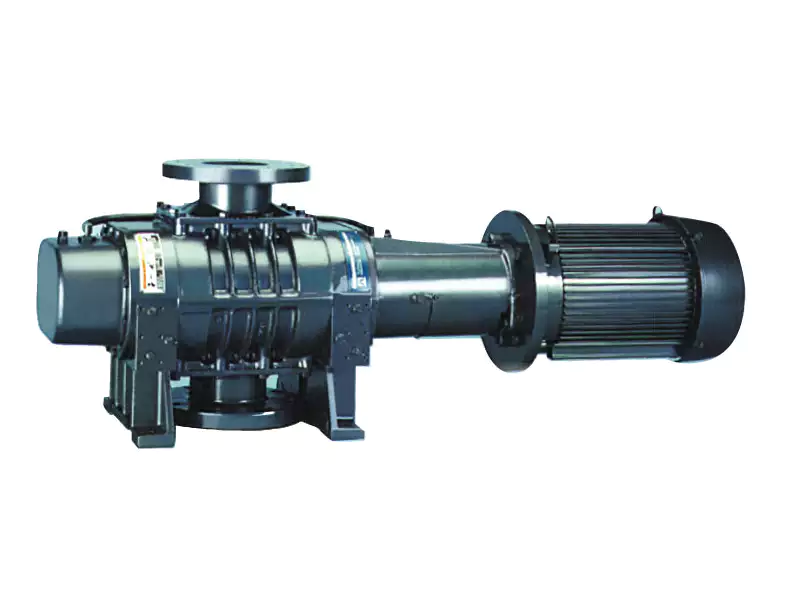
Can Vacuum Pumps Be Used in the Medical Field?
Yes, vacuum pumps have a wide range of applications in the medical field. Here’s a detailed explanation:
Vacuum pumps play a crucial role in various medical applications, providing suction or creating controlled vacuum environments. Here are some key areas where vacuum pumps are used in the medical field:
1. Negative Pressure Wound Therapy (NPWT):
Vacuum pumps are extensively utilized in negative pressure wound therapy, a technique used to promote wound healing. In NPWT, a vacuum pump creates a controlled low-pressure environment within a wound dressing, facilitating the removal of excess fluid, promoting blood flow, and accelerating the healing process.
2. Surgical Suction:
Vacuum pumps are an integral part of surgical suction systems. They provide the necessary suction force to remove fluids, gases, or debris from the surgical site during procedures. Surgical suction helps maintain a clear field of view for surgeons, enhances tissue visualization, and contributes to a sterile operating environment.
3. Anesthesia:
In anesthesia machines, vacuum pumps are used to create suction for various purposes:
– Airway Suction: Vacuum pumps assist in airway suctioning to clear secretions or obstructions from the patient’s airway during anesthesia or emergency situations.
– Evacuation of Gases: Vacuum pumps aid in removing exhaled gases from the patient’s breathing circuit, ensuring the delivery of fresh gas mixtures and maintaining appropriate anesthesia levels.
4. Laboratory Equipment:
Vacuum pumps are essential components in various medical laboratory equipment:
– Vacuum Ovens: Vacuum pumps are used in vacuum drying ovens, which are utilized for controlled drying or heat treatment of sensitive materials, samples, or laboratory glassware.
– Centrifugal Concentrators: Vacuum pumps are employed in centrifugal concentrators to facilitate the concentration or dehydration of biological samples, such as DNA, proteins, or viruses.
– Freeze Dryers: Vacuum pumps play a vital role in freeze-drying processes, where samples are frozen and then subjected to vacuum conditions to remove water via sublimation, preserving the sample’s structure and integrity.
5. Medical Suction Devices:
Vacuum pumps are utilized in standalone medical suction devices, commonly found in hospitals, clinics, and emergency settings. These devices create suction required for various medical procedures, including:
– Suctioning of Respiratory Secretions: Vacuum pumps assist in removing respiratory secretions or excess fluids from the airways of patients who have difficulty coughing or clearing their airways effectively.
– Thoracic Drainage: Vacuum pumps are used in chest drainage systems to evacuate air or fluid from the pleural cavity, helping in the treatment of conditions such as pneumothorax or pleural effusion.
– Obstetrics and Gynecology: Vacuum pumps are employed in devices used for vacuum-assisted deliveries, such as vacuum extractors, to aid in the safe delivery of babies during childbirth.
6. Blood Collection and Processing:
Vacuum pumps are utilized in blood collection systems and blood processing equipment:
– Blood Collection Tubes: Vacuum pumps are responsible for creating the vacuum inside blood collection tubes, facilitating the collection of blood samples for diagnostic testing.
– Blood Separation and Centrifugation: In blood processing equipment, vacuum pumps assist in the separation of blood components, such as red blood cells, plasma, and platelets, for various medical procedures and treatments.
7. Medical Imaging:
Vacuum pumps are used in certain medical imaging techniques:
– Electron Microscopy: Electron microscopes, including scanning electron microscopes and transmission electron microscopes, require a vacuum environment for high-resolution imaging. Vacuum pumps are employed to maintain the necessary vacuum conditions within the microscope chambers.
These are just a few examples of the wide-ranging applications of vacuum pumps in the medical field. Their ability to create suction and controlled vacuum environments makes them indispensable in medical procedures, wound healing, laboratory processes, anesthesia, and various other medical applications.


editor by CX 2024-03-29