Product Description
Pransch PM1400V High Quality Portable Oil Free oilless dry Air Compressor Dental Vacuum Pump
Advantages:
Oil-less Vacuum Pumps / Air Compressors
PRANSCH oil-less rocking piston pump and air compressor combines the best characteristics of traditional piston pumps(air compressor) and diaphragm pumps into small units with excellent features.
- Light weight and very portable
- Durable and near ZERO maintenance
- Thermal protection (130 deg C)
- Power cord with plug, 1m length
- Shock mount
- Silencer – muffler
- Stainless steel vacuum and pressure gauge, both with oil damping
- Two stainless steel needle valves each with lock nut.
- All nickel plated fittings
- Power supply 230V, 50/60 Hz
Main application fields:
machines for pressotherapy, machines for dermabrasion, inhalation thermal therapies, money counting machines, silk screen printing machines, automatic feeder machines for book-binding, wood presses, suction lifting machines, pollutant sampling and analysis.
Specification:
| Model | Frequency | Flow | Pressure | Power | Speed | Current | Voltage | Heat | Sound | Weight | Hole | Installation Dimensions |
| Hz | L/min | Kpa | Kw | Min-1 | A | V | 0 C | db(A) | Kg | MM | MM | |
| PM200V | 50 | 33 | -84 | 0.10 | 1380 | 0.45 | 210/235 | 5-40 | 48 | 1.8 | 5 | L100xW74 |
| 60 | 50 | -84 | 0.12 | 1450 | 0.90 | 110/125 | 5-40 | 48 | 1.8 | 5 | ||
| PM300V | 50 | 66 | -86 | 0.12 | 1380 | 0.56 | 210/235 | 5-40 | 50 | 3.2 | 6 | L118xW70 |
| 60 | 75 | -86 | 0.14 | 1450 | 1.13 | 110/125 | 5-40 | 50 | 3.2 | 6 | ||
| PM400V | 50 | 80 | -92 | 0.32 | 1380 | 0.95 | 210/235 | 5-40 | 56 | 6.0 | 6 | L153xW95 |
| 60 | 92 | -92 | 0.36 | 1450 | 1.91 | 110/125 | 5-40 | 56 | 6.0 | 6 | ||
| PM550V | 50 | 100 | -92 | 0.32 | 1380 | 1.50 | 210/235 | 5-40 | 56 | 6.0 | 6 | L148xW83 |
| 60 | 110 | -92 | 0.36 | 1450 | 3.10 | 110/125 | 5-40 | 56 | 6.0 | 6 | ||
| PM1400V | 50 | 166 | -92 | 0.45 | 1380 | 1.90 | 210/235 | 5-40 | 58 | 8.5 | 6 | L203xW86 |
| 60 | 183 | -92 | 0.52 | 1450 | 4.10 | 110/125 | 5-40 | 58 | 8.5 | 6 | ||
| PM2000V | 50 | 216 | -92 | 0.55 | 1380 | 2.50 | 210/235 | 5-40 | 60 | 9.0 | 6 | L203xW86 |
| 60 | 250 | -92 | 0.63 | 1450 | 5.20 | 110/125 | 5-40 | 60 | 9.0 | 6 | ||
| HP2400V | 50 | 225 | -94 | 0.90 | 1380 | 3.30 | 210/235 | 5-40 | 75 | 17.0 | 7 | L246xW127 |
| 60 | 258 | -94 | 1.10 | 1450 | 6.90 | 110/125 | 5-40 | 75 | 17.0 | 7 | ||
| PM3000V | 50 | 230 | -94 | 1.10 | 1380 | 4.20 | 210/235 | 5-40 | 76 | 17.5 | 7 | L246xW127 |
| 60 | 266 | -94 | 1.30 | 1450 | 8.50 | 110/125 | 5-40 | 76 | 17.5 | 7 |
Why use a Rocking Piston Product?
Variety
Pransch oilless Rocking Piston air compressors and vacuum pumps, available in single, twin, miniature, and tankmounted
styles, are the perfect choice for hundreds of applications. Choose from dual frequency, shaded pole,
and permanent split capacitor (psc) electric motors with AC multi-voltage motors to match North American,
European, and CZPT power supplies. A complete line of recommended accessories as well as 6, 12, and
24 volt DC models in brush and brushless types are also available.
Performance
The rocking piston combines the best characteristics of piston and diaphragm air compressors into a small unit
with exceptional performance. Air flow capabilities from 3.4 LPM to 5.5 CFM (9.35 m3/h), pressure to 175 psi
(12.0 bar) and vacuum capabilities up to 29 inHg (31 mbar). Horsepowers range from 1/20 to 1/2 HP
(0.04 to 0.37 kW).
Reliable
These pumps are made to stand up through years of use. The piston rod and bearing assembly are bonded
together, not clamped; they will not slip, loosen, or misalign to cause trouble.
Clean Air
Because CZPT pumps are oil-free, they are ideal for use in applications in laboratories, hospitals, and the
food industry where oil mist contamination is undesirable.
Application:
- Transportation application include:Auto detailing Equipment,Braking Systems,Suspension Systems,Tire Inflators
- Food and Beverage application include:beverage dispensing,coffee and Espresso equipment,Food processing and packaging,Nitrogen Generation
- Medical and laboratory application include:Body fluid Analysis equipment,Dental compressors and hand tools,dental vacuum ovens,Dermatology equipment,eye surgery equipment,lab automation,Liposuction equipment,Medical aspiration,Nitrogen Generation,Oxygen concentrators,Vacuum Centrifuge,vacuum filtering,ventilators
- General industrial application include:Cable pressurization,core drilling
- Environmental application include:Dry sprinkler systems,Pond Aeration,Refrigerant Reclamation,Water Purification Systems
- Printing and packaging application include:vacuum frames
- material Handling application include:vacuum mixing
| Oil or Not: | Oil Free |
|---|---|
| Structure: | Reciprocating Vacuum Pump |
| Exhauster Method: | Positive Displacement Pump |
| Vacuum Degree: | High Vacuum |
| Work Function: | Mainsuction Pump |
| Working Conditions: | Dry |
| Customization: |
Available
|
|
|---|
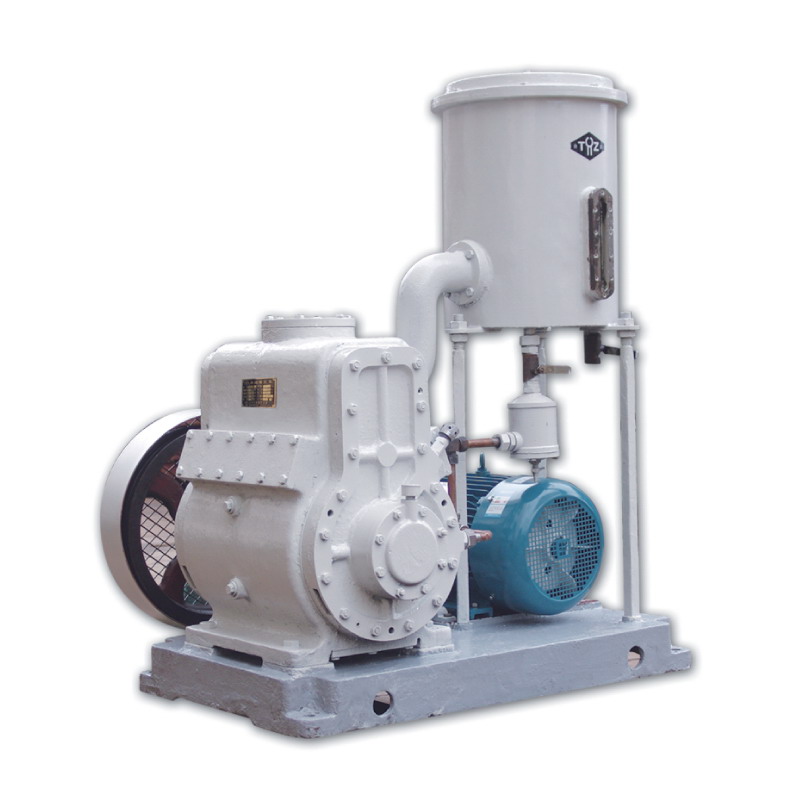
Can Piston Vacuum Pumps Create a Deep Vacuum?
Yes, piston vacuum pumps have the capability to create a deep vacuum. Here’s a detailed explanation:
Piston vacuum pumps are designed to generate and maintain a vacuum by using a reciprocating piston mechanism. They can achieve vacuum levels ranging from millitorr (10-3 Torr) to microns (10-6 Torr), which is considered a deep vacuum range.
When the piston moves downward during the suction stroke, it creates a vacuum within the cylinder. This allows gas or air from the system being evacuated to enter the cylinder. As the piston moves up during the compression stroke, the gas is expelled from the cylinder, reducing its volume and increasing its pressure. This cyclic process continues, gradually reducing the pressure within the system.
One of the factors that contribute to the ability of piston vacuum pumps to create a deep vacuum is the use of an airtight seal between the piston and cylinder walls. This seal prevents the gas from leaking back into the evacuated system, allowing the pump to maintain the desired vacuum level.
It’s important to note that the achievable vacuum level of a piston vacuum pump can depend on various factors, including the design of the pump, the materials used, the quality of the seals, and the operating conditions. Additionally, the flow rate of the pump may be lower compared to other types of vacuum pumps, as piston pumps are typically designed for applications that require low flow rates but high vacuum levels.
In summary, piston vacuum pumps can create a deep vacuum in the millitorr to micron range. With their reciprocating piston mechanism and airtight seals, they are capable of generating and maintaining a vacuum suitable for applications that require deep vacuum conditions.
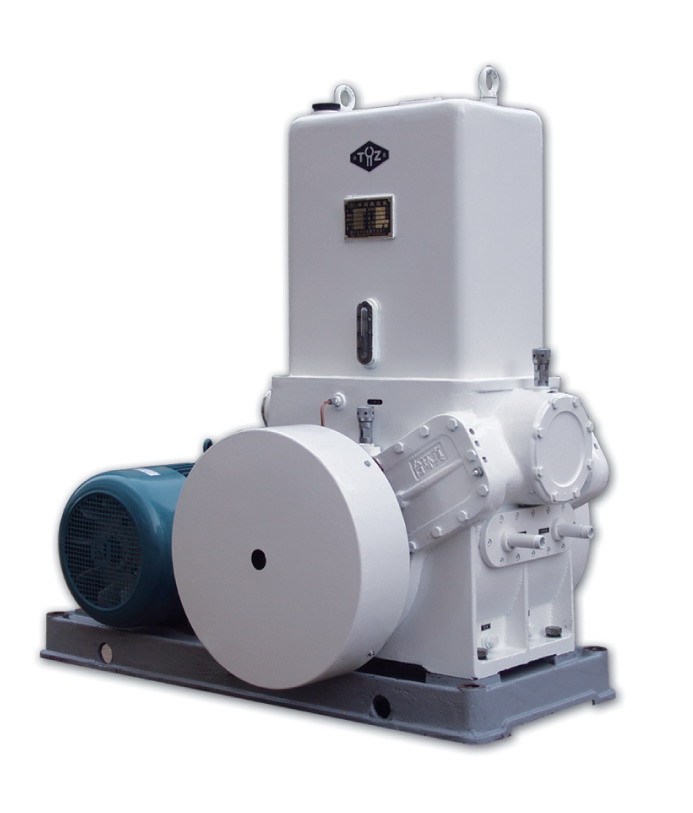
How Does the Cost of Piston Vacuum Pumps Compare to Other Types?
The cost of piston vacuum pumps can vary depending on factors such as the pump’s size, capacity, features, and the specific manufacturer or supplier. Here’s a detailed explanation of how the cost of piston vacuum pumps compares to other types:
– Piston vacuum pumps generally fall into the mid to high range in terms of cost compared to other types of vacuum pumps.
– Compared to rotary vane pumps, which are another common type of vacuum pump, piston pumps are often more expensive.
– This higher cost can be attributed to several factors:
– Design and Construction: Piston vacuum pumps typically have a more complex design and construction, involving precision machining and tighter tolerances. This can contribute to higher manufacturing costs.
– Performance and Features: Piston pumps often offer higher performance and greater pumping capacity compared to other types of pumps. They may also incorporate additional features such as variable speed control or advanced control systems, which can increase the cost.
– Robustness and Durability: Piston pumps are known for their durability and ability to handle demanding applications. They are designed to withstand high pressures and heavy-duty operation, which can contribute to their higher cost.
– On the other hand, when compared to more specialized or advanced vacuum pump technologies such as turbomolecular pumps or cryogenic pumps, piston vacuum pumps are generally more cost-effective.
– Turbomolecular pumps, which are used in high-vacuum applications, are typically more expensive due to their complex design, high rotational speeds, and advanced materials used.
– Cryogenic pumps, which rely on extremely low temperatures for vacuum creation, are also typically more expensive due to the specialized cooling systems and cryogenic components involved.
– It’s important to note that the cost of any vacuum pump can also vary depending on factors such as the required pumping capacity, ultimate vacuum level, and specific industry or application requirements.
– When considering the cost of a piston vacuum pump, it is crucial to assess the overall value it provides in terms of performance, reliability, durability, and suitability for the intended application.
– Additionally, factors such as maintenance requirements, energy efficiency, and the availability of spare parts and service support should also be taken into account when evaluating the cost-effectiveness of a piston vacuum pump.
In summary, piston vacuum pumps generally fall into the mid to high range in terms of cost compared to other types of vacuum pumps. While they may be more expensive than rotary vane pumps, they are often more cost-effective compared to specialized technologies such as turbomolecular pumps or cryogenic pumps. The specific cost of a piston vacuum pump can vary based on factors such as size, capacity, features, and manufacturer.
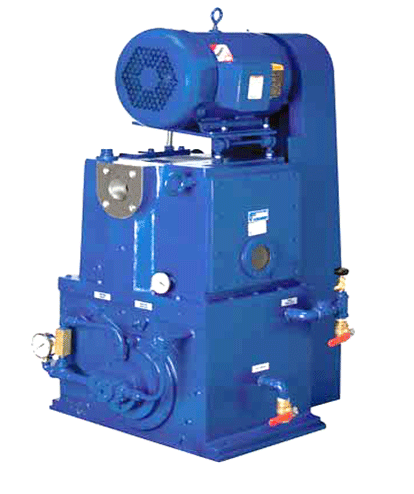
Are Piston Vacuum Pumps Suitable for Laboratory Use?
Yes, piston vacuum pumps are commonly used and well-suited for laboratory applications. Here’s a detailed explanation:
1. Versatility:
– Piston vacuum pumps offer versatility and can be utilized in a wide range of laboratory processes and equipment.
– They are compatible with various laboratory applications such as vacuum ovens, freeze dryers, vacuum filtration systems, and rotary evaporators.
2. Vacuum Generation:
– Piston vacuum pumps are capable of generating and maintaining deep vacuum levels, making them suitable for laboratory use.
– They can achieve vacuum levels ranging from millitorr (10-3 Torr) to microns (10-6 Torr), depending on the specific pump design and operating conditions.
3. Control and Precision:
– Piston vacuum pumps provide precise control over the vacuum level, allowing researchers to create and maintain the desired pressure conditions in their experiments.
– The pumps offer fine-tuning capabilities to achieve the optimal vacuum level required for specific laboratory processes.
4. Reliability and Durability:
– Piston vacuum pumps are known for their reliability and durability, which are crucial factors in laboratory environments.
– They are designed to withstand continuous operation and frequent use, ensuring consistent performance over extended periods.
5. Low Contamination Risk:
– Piston vacuum pumps are designed with airtight seals that minimize the risk of contamination.
– This is particularly important in laboratory settings where maintaining a clean and uncontaminated environment is vital for accurate and reliable experimental results.
6. Cost-Effective Solution:
– Piston vacuum pumps are generally more cost-effective compared to other types of vacuum pumps.
– They offer a balance between performance and affordability, making them a preferred choice for many laboratory budgets.
7. Ease of Maintenance:
– Piston vacuum pumps are relatively easy to maintain, with readily available spare parts and service support.
– Routine maintenance tasks such as changing oil, inspecting seals, and cleaning can be easily performed, ensuring the pump’s longevity and consistent performance.
In summary, piston vacuum pumps are highly suitable for laboratory use due to their versatility, ability to generate deep vacuum levels, precise control, reliability, low contamination risk, cost-effectiveness, and ease of maintenance. They are widely utilized in various laboratory applications and provide researchers with the necessary vacuum conditions for their experiments and processes.


editor by CX 2023-11-27