Product Description
Product Description
The 2BV series liquid ring vacuum pump and compressor are suitable for extracting gases and water vapor, and the suction pressure can reach 33mbar absolute pressure (97% vacuum degree). When the vacuum pump works for a long time under a suction pressure lower than 80mbar, an erosion protection tube should be connected to protect the pump. An atmospheric ejector can be installed directly on the vacuum pump to achieve a suction pressure of up to 10mbar. As a compressor, the maximum pressure can reach 0.26Mh (absolute pressure).
The 2BV series liquid ring vacuum pump and compressor are widely used in fields such as petrochemicals, pharmaceuticals, food, sugar making, and plastics industries. Since the compression process of gas is isothermal during operation, it is not prone to danger when compressing and suctioning flammable and explosive gases, and its application is more extensive.
Features
The pump and motor are coaxially designed to save space and are easy to install and maintain.
Mechanical seals are used as standard configuration, and the flexible valve plate automatically adjusts the size of the exhaust hole, achieving high efficiency and energy saving, with no liquid leakage and no environmental pollution.
The pump runs smoothly, with a noise level as low as 62 decibels, small size, and easy to move.
A unified corrosion-resistant design, with a bronze impeller to improve the pump’s corrosion resistance, and stainless steel materials are more suitable for more demanding requirements.
A unique flexible exhaust design that does not produce over-compression, ensuring the best efficiency of 2BV A within its performance range.
Example of selection:
A. Design point parameters:
Suction volume V = 100m3/h
Suction pressure P1 = 40mbar. a.
B. Other parameters are the same as standard conditions (see note)
Select the curve closest to the design point A.
C. In this example, it is 71V
Find the product model corresponding to the curve number, which is the order number, but it is limited to the standard type.
In this example, the pump type can be found from 71V:
2BV071-ONCO3-7P
Note:
The performance curve is based on the conditions of saturated air at 20°C, working fluid temperature of 15°C, and exhaust pressure of 1013mbar. Performance tolerance is ±10%.
customer review
Product Parameters
| Model | Motor Power kW | Maximum Air Flow m3/h |
Maximum Pressure mbar |
Inlet Diameter mm |
Discharge diameter mm |
Maximum Pressure with one-stage atmospheric pump hpa |
| 2BV2060 | 0.81 | 27 | 33 | G1″ | G1″ | 10 |
| 2BV2061 | 1.45 | 55 | 33 | G1″ | G1″ | 10 |
| 2BV2070 | 2.35 | 80 | 33 | G1/2″ | G1/2″ | 10 |
| 2BV2071 | 3.85 | 110 | 33 | G1/2″ | G1/2″ | 10 |
| 2BV5110 | 4 | 165 | 33 | DN50 | DN50 | 10 |
| 2BV5111 | 5.5 | 230 | 33 | DN50 | DN50 | 10 |
| 2BV5121 | 7.5 | 280 | 33 | DN65 | DN65 | 10 |
| 2BV5131 | 11 | 400 | 33 | DN65 | DN65 | 10 |
| 2BV5161 | 15 | 500 | 33 | DN80(3″) | DN80(3″) | 10 |
Detailed Photos
Company presentation
Workshop display
Product gallery
| After-sales Service: | Online |
|---|---|
| Warranty: | 1 Years |
| Oil or Not: | Oil Free |
| Structure: | Rotary Vacuum Pump |
| Exhauster Method: | Kinetic Vacuum Pump |
| Vacuum Degree: | High Vacuum |
| Customization: |
Available
|
|
|---|
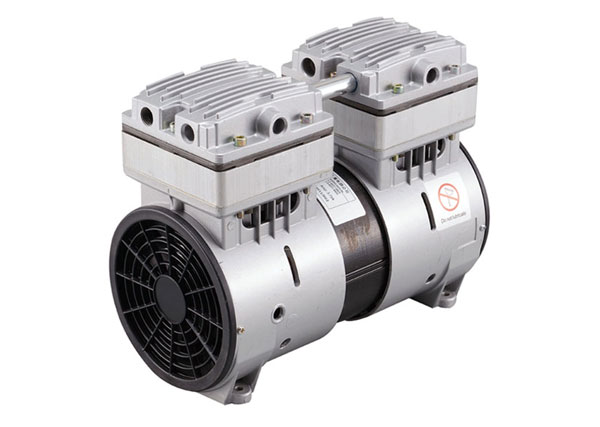
What Are the Advantages of Using Piston Vacuum Pumps?
Piston vacuum pumps offer several advantages that make them suitable for various applications. Here’s a detailed explanation of the advantages of using piston vacuum pumps:
1. High Vacuum Levels:
– Piston vacuum pumps are capable of achieving high vacuum levels, making them suitable for applications that require deep vacuum conditions.
– They can create and maintain a vacuum in the range of millitorr (10-3 Torr) to microns (10-6 Torr).
2. Low Flow Rates:
– Piston vacuum pumps are designed to handle low flow rates efficiently.
– They are suitable for applications where a steady and controlled evacuation is required rather than high-volume pumping.
3. Compact and Portable:
– Piston vacuum pumps are relatively compact and lightweight compared to other types of vacuum pumps.
– Their compact design allows for easy installation in limited spaces or portable applications where mobility is required.
4. Oil Lubrication:
– Many piston vacuum pumps utilize oil lubrication for smooth operation and to maintain airtight seals.
– The oil lubrication also helps to cool the pump by dissipating heat generated during operation.
5. Wide Range of Applications:
– Piston vacuum pumps find applications in various industries and processes.
– They are commonly used in laboratories, research facilities, pharmaceutical production, vacuum drying, vacuum filtration, and other applications that require moderate vacuum levels and low flow rates.
6. Cost-Effective:
– Piston vacuum pumps are often more cost-effective compared to other high-vacuum pumps such as turbomolecular pumps or cryogenic pumps.
– They provide a reliable and affordable solution for achieving vacuum requirements in many applications.
7. Easy Maintenance:
– Piston vacuum pumps are relatively easy to maintain.
– Regular maintenance tasks include checking and replacing lubricating oil, inspecting and cleaning valves, and ensuring proper sealing.
– Routine maintenance helps to prolong the lifespan of the pump and maintain its performance.
8. Durability:
– Piston vacuum pumps are known for their durability and long operational life.
– They are designed to withstand continuous operation and handle demanding vacuum conditions.
– With proper care and maintenance, piston vacuum pumps can provide reliable performance over an extended period.
9. Versatility:
– Piston vacuum pumps can handle a wide range of gases, including inert gases, corrosive gases, and vapors.
– This versatility makes them suitable for diverse applications in different industries.
In summary, the advantages of using piston vacuum pumps include their ability to achieve high vacuum levels, handle low flow rates, compact and portable design, oil lubrication for smooth operation, wide range of applications, cost-effectiveness, easy maintenance, durability, and versatility. These advantages make piston vacuum pumps a popular choice in various industries where moderate vacuum levels and controlled evacuation are required.
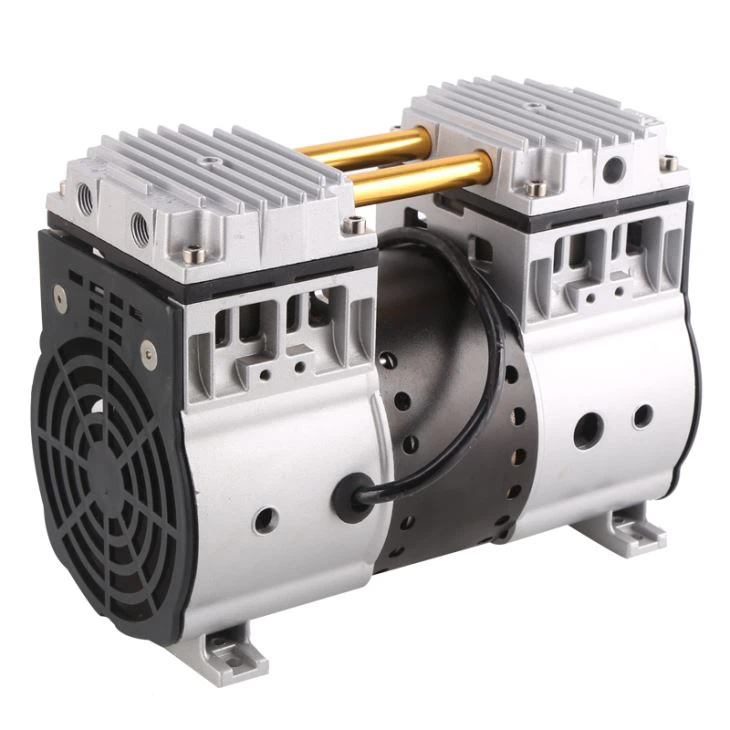
What Industries Commonly Rely on Piston Vacuum Pumps?
Various industries rely on piston vacuum pumps for their specific applications and requirements. Here’s a detailed explanation:
1. Manufacturing and Industrial Processes:
– Piston vacuum pumps find extensive use in manufacturing and industrial processes across different sectors.
– They are commonly employed in vacuum packaging, where they help create a vacuum environment to preserve and extend the shelf life of food products.
– In the automotive industry, piston vacuum pumps are utilized in brake booster systems to provide the necessary vacuum for power braking.
– Other industrial applications include vacuum molding, vacuum drying, vacuum distillation, and vacuum filtration.
2. Pharmaceuticals and Medical Industry:
– The pharmaceutical and medical industry extensively relies on piston vacuum pumps for various critical processes.
– These pumps are used in pharmaceutical manufacturing for vacuum drying, solvent recovery, and distillation processes.
– In medical applications, piston vacuum pumps are utilized in vacuum suction devices and medical laboratory equipment.
– They are also employed in vacuum autoclaves for sterilization purposes.
3. Research and Laboratory Settings:
– Piston vacuum pumps are commonly found in research laboratories and scientific facilities.
– They are used for creating vacuum conditions in laboratory equipment such as vacuum ovens, freeze dryers, and vacuum desiccators.
– These pumps are crucial for applications like sample preparation, material testing, and scientific experiments requiring controlled environments.
4. Electronics and Semiconductor Manufacturing:
– The electronics and semiconductor industry heavily relies on piston vacuum pumps for various manufacturing processes.
– They are utilized in vacuum deposition systems for thin film coating, such as physical vapor deposition (PVD) and chemical vapor deposition (CVD).
– Piston pumps are also employed in vacuum furnaces for heat treatment processes in semiconductor fabrication.
– Other applications include vacuum packaging of electronic components and devices.
5. Food Processing and Packaging:
– Piston vacuum pumps play a significant role in the food processing and packaging industry.
– They are used for vacuum packaging of perishable food items, preventing spoilage and extending shelf life.
– In food processing, these pumps assist in vacuum concentration, freeze drying, and deaeration processes.
6. Environmental and Waste Management:
– Piston vacuum pumps find applications in environmental and waste management sectors.
– They are used in vacuum systems for wastewater treatment, including processes like aeration, filtration, and sludge dewatering.
– Piston pumps also assist in industrial and municipal waste management systems for vacuum collection or transfer of waste materials.
7. Other Industries:
– Piston vacuum pumps have diverse applications in additional industries:
– They are used in the glass manufacturing industry for vacuum lifting and handling of glass sheets or products.
– Piston pumps find application in the printing industry for vacuum feeding and ink transfer systems.
– They are employed in the power generation industry for steam condenser evacuation and turbine sealing systems.
In summary, piston vacuum pumps find widespread use in industries such as manufacturing and industrial processes, pharmaceuticals and medical, research and laboratory settings, electronics and semiconductor manufacturing, food processing and packaging, environmental and waste management, as well as in other sectors like glass manufacturing, printing, and power generation.
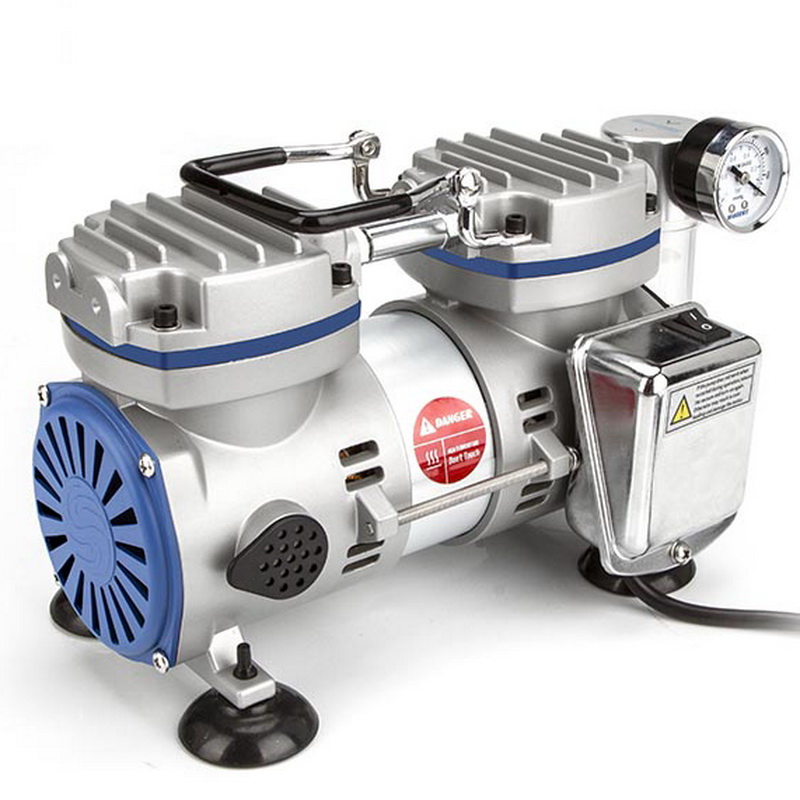
How Do You Maintain and Service a Piston Vacuum Pump?
Maintaining and servicing a piston vacuum pump is essential to ensure its optimal performance and longevity. Here’s a detailed explanation:
1. Regular Inspection:
– Perform regular visual inspections of the pump to check for any signs of damage, leaks, or wear.
– Inspect the seals, gaskets, and fittings for any cracks or deterioration.
– Ensure that all connections are tight and secure.
2. Oil Change:
– Piston vacuum pumps typically require regular oil changes to maintain proper lubrication and prevent contamination.
– Follow the manufacturer’s guidelines regarding the frequency of oil changes.
– Drain the old oil completely and replace it with the recommended oil type and quantity.
– Dispose of the used oil according to proper environmental regulations.
3. Filter Replacement:
– Many piston vacuum pumps have filters to prevent dust, particles, and contaminants from entering the pump.
– Check the filter regularly and replace it as needed to maintain proper airflow and prevent clogging.
4. Cleaning:
– Keep the exterior of the pump and its surrounding area clean and free from debris.
– Use a soft cloth or brush to remove any dust or dirt accumulation.
– Avoid using harsh chemicals or solvents that may damage the pump’s surfaces.
5. Seals and Gaskets:
– Inspect the seals and gaskets regularly and replace them if they show signs of wear or damage.
– Ensure that the seals provide a proper airtight seal to prevent leaks and maintain vacuum performance.
6. Cooling System:
– If the piston vacuum pump has a cooling system, monitor it regularly to ensure proper functioning.
– Clean or replace the cooling system components as recommended by the manufacturer.
7. Professional Maintenance:
– Consider scheduling professional maintenance and service at regular intervals, especially for more complex or critical applications.
– Professional technicians can perform in-depth inspections, conduct performance tests, and address any specific issues or concerns.
– They can also provide recommendations on optimizing the pump’s performance and extending its lifespan.
8. Manufacturer Guidelines:
– Always refer to the manufacturer’s maintenance and service guidelines specific to your piston vacuum pump model.
– Follow their recommendations regarding oil type, oil level, maintenance intervals, and any other specific instructions.
– Adhering to the manufacturer’s guidelines ensures proper operation and prevents voiding the warranty.
In summary, maintaining and servicing a piston vacuum pump involves regular inspection, oil changes, filter replacement, cleaning, checking seals and gaskets, monitoring the cooling system, and considering professional maintenance. Following the manufacturer’s guidelines is crucial for effective maintenance and to maximize the pump’s performance and lifespan.


editor by CX 2023-11-10