Product Description
Technical Paramater
| Model | Stage | Rated | Max. Airflow |
Max.Suction | Max.Discharge | |||
| Frequency | Power | Vortage | Current | |||||
| Hz | KW | V | A | m3/h | Kpa | Kpa | ||
| GHBH 002 34 1R7 | Single | 50 | 1.6 | 200-240/ Y345-415 |
8.5/4.9Y | 318 | -16 | 15 |
| 60 | 2.1 | 220-275/ Y380-480 |
8.8/5.5Y | 376 | -16 | 15 | ||
Competitive Air Centrifugal Vacuum Pump Manufacturer in Vacuum Filling Machine
Our Advantages
Goorui Side Channel Blower’s advantages:
Reliable and built-to-last, virtually maintenance-free
Robust yet light-weight
For use CHINAMFG (CE/GSG/RoHS/ISO/CCC approval)
50/60 Hz voltage range motors
Lightweight due to use of aluminium
Compact size for building into machines
Corrosion-proof aluminium
Contact free operation eliminating wear
Oil-free so no maintenance
Feature noise-dampers as standard, for low noise levels
Universal gas pipe connection at inlet and outlet
Versatile use for pressure and vacuum
Why Choose CHINAMFG Side Channel Blower:
1:10 Years experience in vacuum field and solutions.
2:We have 36 core technology patents.
3:All our products adopt CHINAMFG & NSK bearing.
4:Our product can heat-resistant up to 130`C.
5:Power:150W to 25KW.
6:Airflow up to 2400m3/H.
7:Pressure up to 1000mbar.
8:Vacuum up to -730mbar
9:CE, SGS, RoHS, ISO9001:2008 certified
Should there is any inquiry please feel free to contact us, thanks.
Accessories
Installation Instructions
About Us
/* January 22, 2571 19:08:37 */!function(){function s(e,r){var a,o={};try{e&&e.split(“,”).forEach(function(e,t){e&&(a=e.match(/(.*?):(.*)$/))&&1
| Material: | ADC12 |
|---|---|
| Usage: | for Experiment, for Manufacture |
| Flow Direction: | Axial Flow |
| Pressure: | High Pressure |
| Certification: | RoHS, ISO, CE, CCC |
| Power: | 1.6kw |
| Customization: |
Available
|
|
|---|
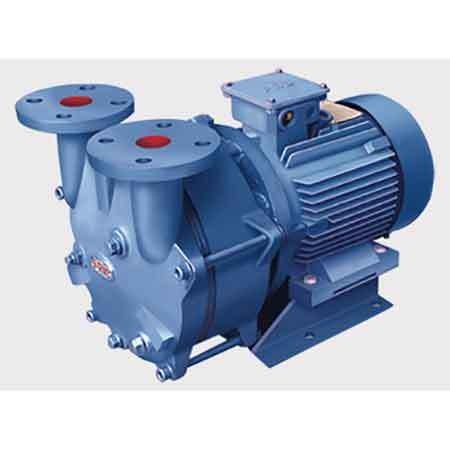
Can Vacuum Pumps Be Used for Vacuum Furnaces?
Yes, vacuum pumps can be used for vacuum furnaces. Here’s a detailed explanation:
Vacuum furnaces are specialized heating systems used in various industries for heat treatment processes that require controlled environments with low or no atmospheric pressure. Vacuum pumps play a crucial role in creating and maintaining the vacuum conditions necessary for the operation of vacuum furnaces.
Here are some key points regarding the use of vacuum pumps in vacuum furnaces:
1. Vacuum Creation: Vacuum pumps are used to evacuate the furnace chamber, creating a low-pressure or near-vacuum environment. This is essential for the heat treatment processes carried out in the furnace, as it helps eliminate oxygen and other reactive gases, preventing oxidation or unwanted chemical reactions with the heated materials.
2. Pressure Control: Vacuum pumps provide the means to control and maintain the desired pressure levels within the furnace chamber during the heat treatment process. Precise pressure control is necessary to achieve the desired metallurgical and material property changes during processes such as annealing, brazing, sintering, and hardening.
3. Contamination Prevention: By removing gases and impurities from the furnace chamber, vacuum pumps help prevent contamination of the heated materials. This is particularly important in applications where cleanliness and purity of the processed materials are critical, such as in the aerospace, automotive, and medical industries.
4. Rapid Cooling: Some vacuum furnace systems incorporate rapid cooling capabilities, known as quenching. Vacuum pumps assist in facilitating the rapid cooling process by removing the heat generated during quenching, ensuring efficient cooling and minimizing distortion or other unwanted effects on the treated materials.
5. Process Flexibility: Vacuum pumps provide flexibility in the type of heat treatment processes that can be performed in vacuum furnaces. Different heat treatment techniques, such as vacuum annealing, vacuum brazing, or vacuum carburizing, require specific pressure levels and atmospheric conditions that can be achieved and maintained with the use of vacuum pumps.
6. Vacuum Pump Types: Different types of vacuum pumps can be used in vacuum furnaces, depending on the specific requirements of the heat treatment process. Commonly used vacuum pump technologies include oil-sealed rotary vane pumps, dry screw pumps, diffusion pumps, and cryogenic pumps. The choice of vacuum pump depends on factors such as required vacuum level, pumping speed, reliability, and compatibility with the process gases.
7. Maintenance and Monitoring: Proper maintenance and monitoring of vacuum pumps are essential to ensure their optimal performance and reliability. Regular inspections, lubrication, and replacement of consumables (such as oil or filters) are necessary to maintain the efficiency and longevity of the vacuum pump system.
8. Safety Considerations: Operating vacuum furnaces with vacuum pumps requires adherence to safety protocols. This includes proper handling of potentially hazardous gases or chemicals used in the heat treatment processes, as well as following safety guidelines for operating and maintaining the vacuum pump system.
Overall, vacuum pumps are integral components of vacuum furnaces, enabling the creation and maintenance of the required vacuum conditions for precise and controlled heat treatment processes. They contribute to the quality, consistency, and efficiency of the heat treatment operations performed in vacuum furnaces across a wide range of industries.
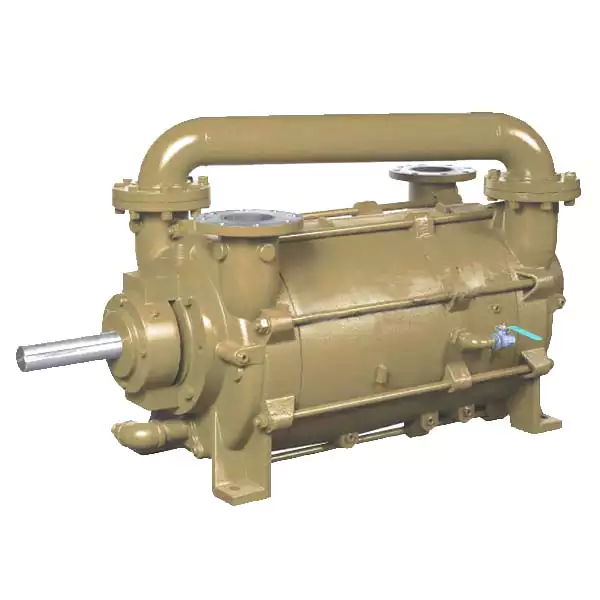
How Do Vacuum Pumps Assist in Freeze-Drying Processes?
Freeze-drying, also known as lyophilization, is a dehydration technique used in various industries, including pharmaceutical manufacturing. Vacuum pumps play a crucial role in facilitating freeze-drying processes. Here’s a detailed explanation:
During freeze-drying, vacuum pumps assist in the removal of water or solvents from pharmaceutical products while preserving their structure and integrity. The freeze-drying process involves three main stages: freezing, primary drying (sublimation), and secondary drying (desorption).
1. Freezing: In the first stage, the pharmaceutical product is frozen to a solid state. Freezing is typically achieved by lowering the temperature of the product below its freezing point. The frozen product is then placed in a vacuum chamber.
2. Primary Drying (Sublimation): Once the product is frozen, the vacuum pump creates a low-pressure environment within the chamber. By reducing the pressure, the boiling point of water or solvents present in the frozen product is lowered, allowing them to transition directly from the solid phase to the vapor phase through a process called sublimation. Sublimation bypasses the liquid phase, preventing potential damage to the product’s structure.
The vacuum pump maintains a low-pressure environment by continuously removing the water vapor or solvent vapor generated during sublimation. The vapor is drawn out of the chamber, leaving behind the freeze-dried product. This process preserves the product’s original form, texture, and biological activity.
3. Secondary Drying (Desorption): After the majority of the water or solvents have been removed through sublimation, the freeze-dried product may still contain residual moisture or solvents. In the secondary drying stage, the vacuum pump continues to apply vacuum to the chamber, but at a higher temperature. The purpose of this stage is to remove the remaining moisture or solvents through evaporation.
The vacuum pump maintains the low-pressure environment, allowing the residual moisture or solvents to evaporate at a lower temperature than under atmospheric pressure. This prevents potential thermal degradation of the product. Secondary drying further enhances the stability and shelf life of the freeze-dried pharmaceutical product.
By creating and maintaining a low-pressure environment, vacuum pumps enable efficient and controlled sublimation and desorption during the freeze-drying process. They facilitate the removal of water or solvents while minimizing the potential damage to the product’s structure and preserving its quality. Vacuum pumps also contribute to the overall speed and efficiency of the freeze-drying process by continuously removing the vapor generated during sublimation and evaporation. The precise control provided by vacuum pumps ensures the production of stable and high-quality freeze-dried pharmaceutical products.
Can Vacuum Pumps Be Used in Food Processing?
Yes, vacuum pumps are widely used in food processing for various applications. Here’s a detailed explanation:
Vacuum pumps play a crucial role in the food processing industry by enabling the creation and maintenance of vacuum or low-pressure environments. They offer several benefits in terms of food preservation, packaging, and processing. Here are some common applications of vacuum pumps in food processing:
1. Vacuum Packaging: Vacuum pumps are extensively used in vacuum packaging processes. Vacuum packaging involves removing air from the packaging container to create a vacuum-sealed environment. This process helps extend the shelf life of food products by inhibiting the growth of spoilage-causing microorganisms and reducing oxidation. Vacuum pumps are used to evacuate the air from the packaging, ensuring a tight seal and maintaining the quality and freshness of the food.
2. Freeze Drying: Vacuum pumps are essential in freeze drying or lyophilization processes used in food processing. Freeze drying involves removing moisture from food products while they are frozen, preserving their texture, flavor, and nutritional content. Vacuum pumps create a low-pressure environment that allows frozen water to directly sublimate from solid to vapor, resulting in the removal of moisture from the food without causing damage or loss of quality.
3. Vacuum Cooling: Vacuum pumps are utilized in vacuum cooling processes for rapid and efficient cooling of food products. Vacuum cooling involves placing the food in a vacuum chamber and reducing the pressure. This lowers the boiling point of water, facilitating the rapid evaporation of moisture and heat from the food, thereby cooling it quickly. Vacuum cooling helps maintain the freshness, texture, and quality of delicate food items such as fruits, vegetables, and bakery products.
4. Vacuum Concentration: Vacuum pumps are employed in vacuum concentration processes in the food industry. Vacuum concentration involves removing excess moisture from liquid food products to increase their solids content. By creating a vacuum, the boiling point of the liquid is reduced, allowing for gentle evaporation of water while preserving the desired flavors, nutrients, and viscosity of the product. Vacuum concentration is commonly used in the production of juices, sauces, and concentrates.
5. Vacuum Mixing and Deaeration: Vacuum pumps are used in mixing and deaeration processes in food processing. In the production of certain food products such as chocolates, confectioneries, and sauces, vacuum mixing is employed to remove air bubbles, achieve homogeneity, and improve product texture. Vacuum pumps aid in the removal of entrapped air and gases, resulting in smooth and uniform food products.
6. Vacuum Filtration: Vacuum pumps are utilized in food processing for vacuum filtration applications. Vacuum filtration involves separating solids from liquids or gases using a filter medium. Vacuum pumps create suction that draws the liquid or gas through the filter, leaving behind the solid particles. Vacuum filtration is commonly used in processes such as clarifying liquids, removing impurities, and separating solids from liquids in the production of beverages, oils, and dairy products.
7. Marinating and Brining: Vacuum pumps are employed in marinating and brining processes in the food industry. By applying a vacuum to the marinating or brining container, the pressure is reduced, allowing the marinade or brine to penetrate the food more efficiently. Vacuum marinating and brining help enhance flavor absorption, reduce marinating time, and improve the overall taste and texture of the food.
8. Controlled Atmosphere Packaging: Vacuum pumps are used in controlled atmosphere packaging (CAP) systems in the food industry. CAP involves modifying the gas composition within food packaging to extend the shelf life and maintain the quality of perishable products. Vacuum pumps aid in the removal of oxygen or other unwanted gases from the package, allowing the introduction of a desired gas mixture that preserves the food’s freshness and inhibits microbial growth.
These are just a few examples of how vacuum pumps are used in food processing. The ability to create and control vacuum or low-pressure environments is a valuable asset in preserving food quality, enhancing shelf life, and facilitating various processing techniques in the food industry.


editor by CX 2024-04-13