Product Description
Working principle
Roots vacuum pump is a kind of rotary positive-displacement type of pump. The 2 three-lobe rotors keep a certain gap with the housing, and the 2 rotors mesh with each other and keep a certain gap when they rotate in the housing through a pair of synchronous reverse rotation high-precision gears. The diagram on the right shows the structure principle of the pump, from diagram I to IV, the rotor rotates in the house and completes 1 suction and discharge process.
The Roots vacuum pump with three-lobe rotors has technical advantages over the traditional two-lobe rotors in terms of pumping efficiency, maximum allowable differential pressure, temperature, vibration, noise and other major performances.
Main features
Compared with the traditional two-lobe Roots vacuum pump, there are below advantages:
1. Much higher efficiency, lower temperature, vibration and noise.
2. More stable and reliable, more convenient to use and maintain.
Other features:
1. Lower failure due to the rotors are fixed and no axial run-out.
2. High-precision transmission gear and precision rolling bearing are used, resulting in low noise and smooth operation.
3. The main shaft use special mechanical seal to ensure oil-free pump chamber.
7. Mechanical seal, oil seal, piston ring labyrinth seal and other types of seal can be used for end cover.
8. It is used in pump combinations together with rotary vane vacuum pump, reciprocating pump, liquid ring pump, dry screw pump and other types of backing pumps to meet various process requirements.
Applications
The advantage of Roots vacuum pump is that it has large pumping efficiency even at low inlet pressure, but ordinary Roots vacuum pump can’t be used alone, it must be used in pump combinations together with the backing pumps. The Roots vacuum pump can be started only after the pressure in the system is pumped to the allowable starting pressure of the Roots vacuum pump by the backing pump.
According to different working pressure and process conditions, the backing pump of Roots vacuum pump can be rotary vane vacuum pump, liquid ring vacuum pump, dry screw vacuum pump and so on. The performance of Roots vacuum pumps are different when combination with different backing pumps.
Roots vacuum pumps are mainly used in any vacuum system requiring large pumping speed and rough and medium vacuum (103-10-2Pa), such as: vacuum coating, vacuum welding furnace, vacuum heat treatment furnace, large space simulation test, microelectronics and integrated circuits, lamp and bulb manufacturing, laser manufacturing, vacuum packaging, centralized pumping system, various chemical processing, vacuum degassing vacuum deaeration, vacuum dehydration, vacuum CHINAMFG drying, vacuum distillation.
Product Parameters
| Model | Nominal pumping speed(50Hz) | Ultimate pressure | Maximum allowable pressure difference | Nominal motor rating (50Hz) | Nominal motor speed (50Hz) | Suction Connection size | Discharge Connection size | Weight | Backing pump recommended |
| L/s | Pa | Pa | Kw | rpm | mm | mm | Kg | ||
| ZJT-70 | 70 | ≤0.5 | ≥1.2*104 | 1.5 | 1450 | 100 | 80 | 165 | DVP180 or DSP140 |
| ZJT-150 | 150 | ≤0.5 | ≥1*104 | 3 | 2900 | 100 | 80 | 165 | DVP360 or DSP280 |
| ZJT-300 | 300 | ≤0.5 | ≥8*103 | 4 | 2900 | 160 | 100 | 275 | DVP540 or DSP540 |
| ZJT-600 | 600 | ≤0.5 | ≥6*103 | 5.5 | 2900 | 200 | 160 | 420 | DVP540 or DSP540 |
| ZJT-1200 | 1200 | ≤0.05 | ≥5*103 | 11 | 2900 | 250 | 200 | 980 | ZJTQ-300+DVP540 |
| ZJT-2500 | 2500 | ≤0.05 | ≥4*103 | 18.5 | 2900 | 320 | 250 | 1800 | ZJTQ-600+DVP540 |
| ZJT-5000 | 5000 | ≤0.05 | ≥3*103 | 37 | 1450 | 300 | 300 | 3580 | ZJTQ-1200+DVP800 |
Note:
1. The pumping speed refers to the maximum pumping speed measured at the inlet pressure of the Roots vacuum pump in the range of 67 pa to 2.67 pa under the conditions of the recommended backing pump. (see p Pumping speed diagram)
2. The ultimate pressure is the lowest value of the stable air partial pressure measured at the pump inlet with a compression vacuum gauge after full pumping without any additional container and no air inlet under the condition of the recommended backing pump.
3. The data of the above table is obtained under the condition of using the recommended backing pump, users can choose different backing vacuum pumps according to different situations, but the main performance index will be changed.
Pressure diagram
Dimension
| Model | L | L1 | L2 | L3 | H | H1 | H2 | H3 | A | A1 | A2 | D | D1 | D2 | N-M | d | d1 | d2 | n-m |
| ZJT-70 | 730 | 191 | 330 | 360 | 270 | 252 | 40 | 256 | 214 | Ф80 | Ф125 | Ф145 | 8-M8 | Ф50 | Ф90 | Ф110 | 4-M8 | ||
| ZJT-150 | 938 . | 273 | 132 | 184 | 350 | 330 | 116.5 | 30 | 392 | 358 | 300 | Ф100 | Ф145 | Ф165 | 8-M8 | Ф80 | Ф125 | Ф145 | 8-M8 |
| ZJT-300 | 1032 | 323 | 185 | 259 | 405 | 385 | 135 | 40 | 455 | 420 | 350 | Ф150 | Ф200 | Ф225 | 8-M10 | Ф100 | Ф145 | Ф165 | 8-M8 |
| ZJT-600 | 1282 | 405 | 220 | 304 | 520 | 495 | 165 | 35 | 587 | 548 | 450 | Ф200 | Ф260 | Ф285 | 12-M10 | Ф150 | Ф200 | Ф225 | 8-M10 |
| ZJT-1200 | 1573 | 473 | 296 | 392 | 650 | 625 | 218.5 | 58 | 722 | 678 | 560 | Ф250 | Ф310 | Ф335 | 12-M10 | Ф200 | Ф260 | Ф285 | 12-M10 |
| ZJT-2500 | 1890 | 594 | 440 | 552 | 730 | 700 | 220 | 55 | 858 | 810 | 660 | Ф320 | Ф395 | Ф425 | 12-M12 | Ф250 | Ф310 | Ф335 | 12-M10 |
FAQ
Q: What information should I offer for an inquiry?
A: You can inquire based on the model directly, but it is always recommended that you contact us so that we can help you to check if the pump is the most appropriate for your application.
Q: Can you make a customized vacuum pump?
A: Yes, we can do some special designs to meet customer applications. Such as customized sealing systems, speical surface treatment can be applied for roots vacuum pump and screw vacuum pump. Please contact us if you have special requirements.
Q: I have problems with our vacuum pumps or vacuum systems, can you offer some help?
A: We have application and design engineers with more than 30 years of experience in vacuum applications in different industries and help a lot of customers resolve their problems, such as leakage issues, energy-saving solutions, more environment-friendly vacuum systems, etc. Please contact us and we’ll be very happy if we can offer any help to your vacuum system.
Q: Can you design and make customized vacuum systems?
A: Yes, we are good for this.
Q: What is your MOQ?
A: 1 piece or 1 set.
Q: How about your delivery time?
A: 5-10 working days for the standard vacuum pump if the quantity is below 20 pieces, 20-30 working days for the conventional vacuum system with less than 5 sets. For more quantity or special requirements, please contact us to check the lead time.
Q: What are your payment terms?
A: By T/T, 50% advance payment/deposit and 50% paid before shipment.
Q: How about the warranty?
A: We offer 1-year warranty (except for the wearing parts).
Q: How about the service?
A: We offer remote video technical support. We can send the service engineer to the site for some special requirements.
/* January 22, 2571 19:08:37 */!function(){function s(e,r){var a,o={};try{e&&e.split(“,”).forEach(function(e,t){e&&(a=e.match(/(.*?):(.*)$/))&&1
| After-sales Service: | Online Video Instruction |
|---|---|
| Warranty: | 1 Year |
| Oil or Not: | Oil Free |
| Structure: | Rotary Vacuum Pump |
| Nominal Pumping Speed(50Hz): | 150 L/S |
| Ultimate Pressure: | 0.5 PA |
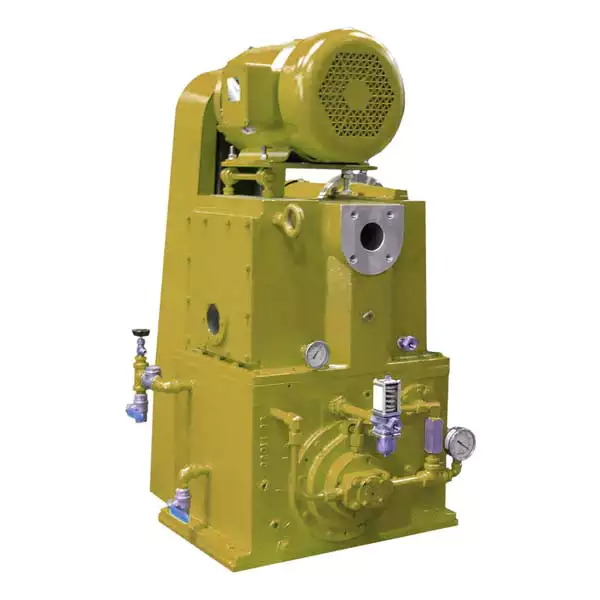
Can Vacuum Pumps Be Used for Vacuum Packaging?
Yes, vacuum pumps can be used for vacuum packaging. Here’s a detailed explanation:
Vacuum packaging is a method used to remove air from a package or container, creating a vacuum environment. This process helps to extend the shelf life of perishable products, prevent spoilage, and maintain product freshness. Vacuum pumps play a crucial role in achieving the desired vacuum level for effective packaging.
When it comes to vacuum packaging, there are primarily two types of vacuum pumps commonly used:
1. Single-Stage Vacuum Pumps: Single-stage vacuum pumps are commonly used for vacuum packaging applications. These pumps use a single rotating vane or piston to create a vacuum. They can achieve moderate vacuum levels suitable for most packaging requirements. Single-stage pumps are relatively simple in design, compact, and cost-effective.
2. Rotary Vane Vacuum Pumps: Rotary vane vacuum pumps are another popular choice for vacuum packaging. These pumps utilize multiple vanes mounted on a rotor to create a vacuum. They offer higher vacuum levels compared to single-stage pumps, making them suitable for applications that require deeper levels of vacuum. Rotary vane pumps are known for their reliability, consistent performance, and durability.
When using vacuum pumps for vacuum packaging, the following steps are typically involved:
1. Preparation: Ensure that the packaging material, such as vacuum bags or containers, is suitable for vacuum packaging and can withstand the vacuum pressure without leakage. Place the product to be packaged inside the appropriate packaging material.
2. Sealing: Properly seal the packaging material, either by heat sealing or using specialized vacuum sealing equipment. This ensures an airtight enclosure for the product.
3. Vacuum Pump Operation: Connect the vacuum pump to the packaging equipment or directly to the packaging material. Start the vacuum pump to initiate the vacuuming process. The pump will remove the air from the packaging, creating a vacuum environment.
4. Vacuum Level Control: Monitor the vacuum level during the packaging process using pressure gauges or vacuum sensors. Depending on the specific packaging requirements, adjust the vacuum level accordingly. The goal is to achieve the desired vacuum level suitable for the product being packaged.
5. Sealing and Closure: Once the desired vacuum level is reached, seal the packaging material completely to maintain the vacuum environment. This can be done by heat sealing the packaging material or using specialized sealing mechanisms designed for vacuum packaging.
6. Product Labeling and Storage: After sealing, label the packaged product as necessary and store it appropriately, considering factors such as temperature, humidity, and light exposure, to maximize product shelf life.
It’s important to note that the specific vacuum level required for vacuum packaging may vary depending on the product being packaged. Some products may require a partial vacuum, while others may require a more stringent vacuum level. The choice of vacuum pump and the control mechanisms employed will depend on the specific vacuum packaging requirements.
Vacuum pumps are widely used in various industries for vacuum packaging applications, including food and beverage, pharmaceuticals, electronics, and more. They provide an efficient and reliable means of creating a vacuum environment, helping to preserve product quality and extend shelf life.
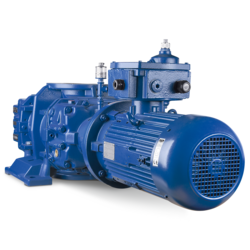
How Do Vacuum Pumps Contribute to Energy Savings?
Vacuum pumps play a significant role in energy savings in various industries and applications. Here’s a detailed explanation:
Vacuum pumps contribute to energy savings through several mechanisms and efficiencies. Some of the key ways in which vacuum pumps help conserve energy are:
1. Improved Process Efficiency: Vacuum pumps are often used to remove gases and create low-pressure or vacuum conditions in industrial processes. By reducing the pressure, vacuum pumps enable the removal of unwanted gases or vapors, improving the efficiency of the process. For example, in distillation or evaporation processes, vacuum pumps help lower the boiling points of liquids, allowing them to evaporate or distill at lower temperatures. This results in energy savings as less heat is required to achieve the desired separation or concentration.
2. Reduced Energy Consumption: Vacuum pumps are designed to operate efficiently and consume less energy compared to other types of equipment that perform similar functions. Modern vacuum pump designs incorporate advanced technologies, such as variable speed drives, energy-efficient motors, and optimized control systems. These features allow vacuum pumps to adjust their operation based on demand, reducing energy consumption during periods of lower process requirements. By consuming less energy, vacuum pumps contribute to overall energy savings in industrial operations.
3. Leak Detection and Reduction: Vacuum pumps are often used in leak detection processes to identify and locate leaks in systems or equipment. By creating a vacuum or low-pressure environment, vacuum pumps can assess the integrity of a system and identify any sources of leakage. Detecting and repairing leaks promptly helps prevent energy wastage associated with the loss of pressurized fluids or gases. By addressing leaks, vacuum pumps assist in reducing energy losses and improving the overall energy efficiency of the system.
4. Energy Recovery Systems: In some applications, vacuum pumps can be integrated into energy recovery systems. For instance, in certain manufacturing processes, the exhaust gases from vacuum pumps may contain heat or have the potential for energy recovery. By utilizing heat exchangers or other heat recovery systems, the thermal energy from the exhaust gases can be captured and reused to preheat incoming fluids or provide heat to other parts of the process. This energy recovery approach further enhances the overall energy efficiency by utilizing waste heat that would otherwise be lost.
5. System Optimization and Control: Vacuum pumps are often integrated into centralized vacuum systems that serve multiple processes or equipment. These systems allow for better control, monitoring, and optimization of the vacuum generation and distribution. By centralizing the vacuum production and employing intelligent control strategies, energy consumption can be optimized based on the specific process requirements. This ensures that vacuum pumps operate at the most efficient levels, resulting in energy savings.
6. Maintenance and Service: Proper maintenance and regular servicing of vacuum pumps are essential for their optimal performance and energy efficiency. Routine maintenance includes tasks such as cleaning, lubrication, and inspection of pump components. Well-maintained pumps operate more efficiently, reducing energy consumption. Additionally, prompt repair of any faulty parts or addressing performance issues helps maintain the pump’s efficiency and prevents energy waste.
In summary, vacuum pumps contribute to energy savings through improved process efficiency, reduced energy consumption, leak detection and reduction, integration with energy recovery systems, system optimization and control, as well as proper maintenance and service. By utilizing vacuum pumps efficiently and effectively, industries can minimize energy waste, optimize energy usage, and achieve significant energy savings in various applications and processes.
What Are the Primary Applications of Vacuum Pumps?
Vacuum pumps have a wide range of applications across various industries. Here’s a detailed explanation:
1. Industrial Processes:
Vacuum pumps play a vital role in numerous industrial processes, including:
– Vacuum Distillation: Vacuum pumps are used in distillation processes to lower the boiling points of substances, enabling separation and purification of various chemicals and compounds.
– Vacuum Drying: Vacuum pumps aid in drying processes by creating a low-pressure environment, which accelerates moisture removal from materials without excessive heat.
– Vacuum Packaging: Vacuum pumps are used in the food industry to remove air from packaging containers, prolonging the shelf life of perishable goods by reducing oxygen exposure.
– Vacuum Filtration: Filtration processes can benefit from vacuum pumps to enhance filtration rates by applying suction, facilitating faster separation of solids and liquids.
2. Laboratory and Research:
Vacuum pumps are extensively used in laboratories and research facilities for various applications:
– Vacuum Chambers: Vacuum pumps create controlled low-pressure environments within chambers for conducting experiments, testing materials, or simulating specific conditions.
– Mass Spectrometry: Mass spectrometers often utilize vacuum pumps to create the necessary vacuum conditions for ionization and analysis of samples.
– Freeze Drying: Vacuum pumps enable freeze-drying processes, where samples are frozen and then subjected to a vacuum, allowing the frozen water to sublimate directly from solid to vapor state.
– Electron Microscopy: Vacuum pumps are essential for electron microscopy techniques, providing the necessary vacuum environment for high-resolution imaging of samples.
3. Semiconductor and Electronics Industries:
High vacuum pumps are critical in the semiconductor and electronics industries for manufacturing and testing processes:
– Semiconductor Fabrication: Vacuum pumps are used in various stages of chip manufacturing, including deposition, etching, and ion implantation processes.
– Thin Film Deposition: Vacuum pumps create the required vacuum conditions for depositing thin films of materials onto substrates, as done in the production of solar panels, optical coatings, and electronic components.
– Leak Detection: Vacuum pumps are utilized in leak testing applications to detect and locate leaks in electronic components, systems, or pipelines.
4. Medical and Healthcare:
Vacuum pumps have several applications in the medical and healthcare sectors:
– Vacuum Assisted Wound Closure: Vacuum pumps are used in negative pressure wound therapy (NPWT), where they create a controlled vacuum environment to promote wound healing and removal of excess fluids.
– Laboratory Equipment: Vacuum pumps are essential in medical and scientific equipment such as vacuum ovens, freeze dryers, and centrifugal concentrators.
– Anesthesia and Medical Suction: Vacuum pumps are utilized in anesthesia machines and medical suction devices to create suction and remove fluids or gases from the patient’s body.
5. HVAC and Refrigeration:
Vacuum pumps are employed in the HVAC (Heating, Ventilation, and Air Conditioning) and refrigeration industries:
– Refrigeration and Air Conditioning Systems: Vacuum pumps are used during system installation, maintenance, and repair to evacuate moisture and air from refrigeration and air conditioning systems, ensuring efficient operation.
– Vacuum Insulation Panels: Vacuum pumps are utilized in the manufacturing of vacuum insulation panels, which offer superior insulation properties for buildings and appliances.
6. Power Generation:
Vacuum pumps play a role in power generation applications:
– Steam Condenser Systems: Vacuum pumps are used in power plants to remove non-condensable gases from steam condenser systems, improving thermal efficiency.
– Gas Capture: Vacuum pumps are utilized to capture and remove gases, such as hydrogen or helium, in nuclear power plants, research reactors, or particle accelerators.
These are just a few examples of the primary applications of vacuum pumps. The versatility and wide range of vacuum pump types make them essential in numerous industries, contributing to various manufacturing processes, research endeavors, and technological advancements.


editor by CX 2024-04-02