Product Description
High Head High Working Pressure Piston-Type Vacuum Pump for Electroplating
Product Introduction
The pump for the hydraulic double-cylinder double-acting ceramic plunger pump, combination with ceramic alumina plunger and sealing method.
Has a simple structure, stable operation, reliable performance, low noise and high working pressure, pressure fluctuations, small size, light weight, easy installation and maintenance, long life and other characteristics.
Product Description
Dual-in and dual-out model
The double inlet and double outlet intelligent hydraulic plunger pump is a high-efficiency and energy-saving product developed by the company. The main wear-resistant components of this product have undergone special processing and have a long service life. At the same time, the cooling and lubrication circulating water has been
eliminated, greatly improving the working environment and achieving clean production. Compared to the series with the same flow rate and pressure, the power is reduced
by 40%. It is currently the most professional and efficient feed pump for filter presses. It can be widely used in wastewater treatment industries such as electroplating, printing and dyeing, chemical, municipal, mining, etc.
| Type | Rate flow rate(m3) | Pressure range(Mpa) | Rate pressure(Mpa) | Motor power(kw) | Inlet and outlet pipe diameter |
| ZP-D80 | 80 | 0~1.5 | 1.0 | 18.5 | DN125 |
| ZP-D120 | 120 | 0~1.5 | 1.0 | 30 | DN150 |
| ZP-D160 | 160 | 0~1.5 | 1.0 | 37 | DN150 |
| ZP-D200 | 200 | 0~1.5 | 1.0 | 45 | DN200 |
| ZP-D250 | 250 | 0~1.5 | 1.0 | 55 | DN200 |
Note: The above models are the basic models of plunger pumps, and our company can make various special products according to user requirements.
Our Advantages
Low noise, long service life, efficient and energy-saving, convenient maintenance, and low failure cost. (Compared to other similar products, the advantages are obvious.)
Application Range
Used for the coal washing industry
Used to print and dye leather municipal sewage treatment paper industry
Used for electroplating industry
Used for metal mining sand washing, river dredging industry
Used for the material transport industry
More Product
Packaging & Shipping
Payment
GLOYEL accept different kinds of payment,such as T/T, L/C, Western Union, Money Gram.
Shipment
GLOYEL has established long-term and reliable cooperation with professional packing and shipping company.
Recommended Product
| After-sales Service: | Online Service |
|---|---|
| Warranty: | 1 Year |
| Structure: | Single Cylinder |
| Power: | Hydraulic |
| Application: | Slurry Treatment |
| Performance: | No Leak |
| Customization: |
Available
|
|
|---|
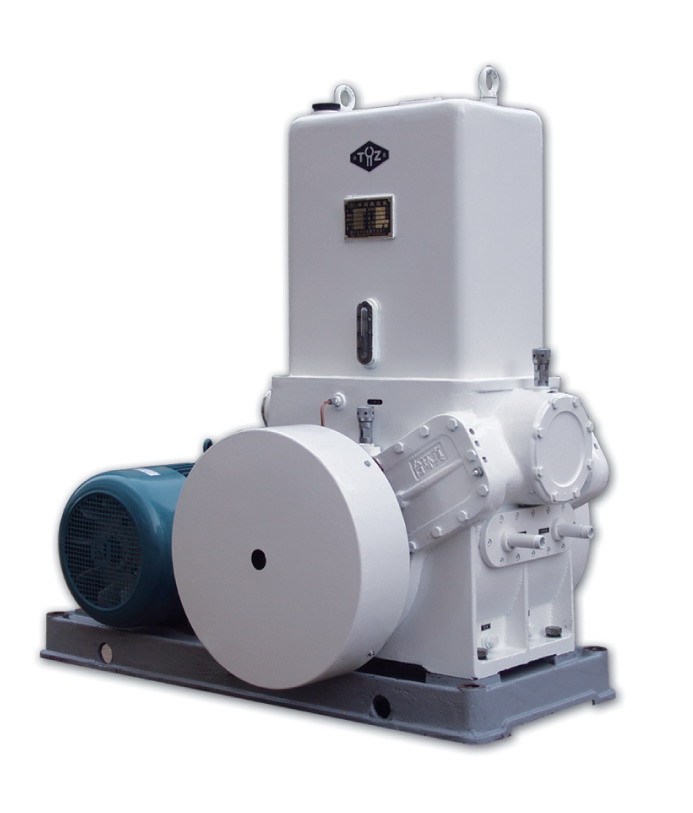
What Are the Key Components of a Piston Vacuum Pump?
A piston vacuum pump consists of several key components that work together to create a vacuum. Here’s a detailed explanation of these components:
1. Cylinder:
– The cylinder is a cylindrical chamber where the piston moves back and forth.
– It provides the housing for the piston and plays a crucial role in creating the vacuum by changing the volume of the chamber.
2. Piston:
– The piston is a movable component that fits inside the cylinder.
– It creates a seal between the piston and cylinder walls, allowing the pump to create a pressure differential and generate a vacuum.
– The piston is typically driven by a motor or an external power source.
3. Intake Valve:
– The intake valve allows gas or air to enter the cylinder during the suction stroke.
– It opens when the piston moves downward, creating a vacuum and drawing gas into the cylinder from the system being evacuated.
4. Exhaust Valve:
– The exhaust valve allows the expelled gas to exit the cylinder during the compression stroke.
– It opens when the piston moves upward, allowing the compressed gas to be expelled from the cylinder.
5. Lubrication System:
– Piston vacuum pumps often incorporate a lubrication system to ensure smooth operation and maintain an airtight seal between the piston and cylinder walls.
– Lubricating oil is introduced into the cylinder to provide lubrication and help maintain the seal.
– The lubrication system also helps to cool the pump by dissipating heat generated during operation.
6. Cooling System:
– Some piston vacuum pumps may include a cooling system to prevent overheating.
– This can involve the circulation of a cooling fluid or the use of cooling fins to dissipate heat generated during operation.
7. Pressure Gauges and Controls:
– Pressure gauges are often installed to monitor the vacuum level or pressure within the system.
– Control mechanisms, such as switches or valves, may be present to regulate the operation of the pump or maintain the desired vacuum level.
8. Motor or Power Source:
– The piston in a piston vacuum pump is typically driven by a motor or an external power source.
– The motor provides the necessary mechanical energy to move the piston back and forth, creating the suction and compression strokes.
9. Frame or Housing:
– The components of the piston vacuum pump are housed within a frame or housing that provides structural support and protection.
– The frame or housing also helps to reduce noise and vibration during operation.
In summary, the key components of a piston vacuum pump include the cylinder, piston, intake valve, exhaust valve, lubrication system, cooling system, pressure gauges and controls, motor or power source, and the frame or housing. These components work together to create a vacuum by reciprocating the piston within the cylinder, allowing gas to be drawn in and expelled, while maintaining an airtight seal. The lubrication and cooling systems, as well as pressure gauges and controls, ensure smooth and efficient operation of the pump.
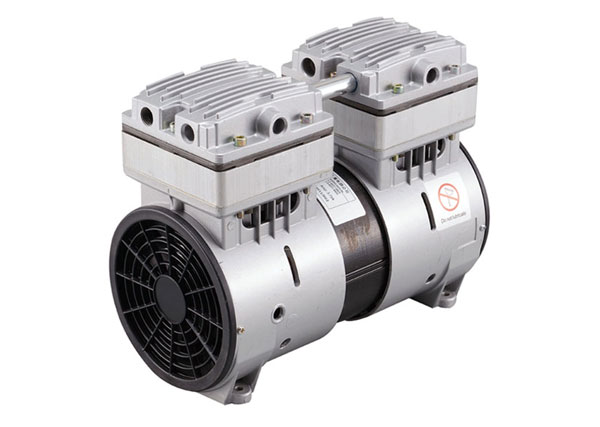
What Are the Safety Precautions for Operating Piston Vacuum Pumps?
Operating piston vacuum pumps requires adherence to safety precautions to ensure the well-being of personnel and the proper functioning of the equipment. Here’s a detailed explanation of the safety precautions for operating piston vacuum pumps:
– Familiarize Yourself with the User Manual: Before operating a piston vacuum pump, thoroughly read and understand the user manual provided by the manufacturer. The manual contains important safety guidelines specific to the pump model.
– Personal Protective Equipment (PPE): Always wear appropriate personal protective equipment, such as safety goggles, gloves, and hearing protection, when operating the pump. This helps protect against potential hazards, including chemical exposure, flying debris, and noise.
– Ventilation: Ensure that the area where the pump is operated has adequate ventilation. Proper ventilation helps prevent the accumulation of fumes, vapors, or hazardous gases that may be generated during the pumping process.
– Electrical Safety: Follow electrical safety precautions, including proper grounding and connection of the pump to a suitable power source. Inspect power cords and plugs for any damage before use, and avoid using the pump in wet or damp environments.
– Pressure and Vacuum Limits: Operate the pump within its specified pressure and vacuum limits. Exceeding these limits can lead to equipment failure, compromising safety and performance.
– Overpressure Protection: Ensure the pump has appropriate overpressure protection mechanisms, such as relief valves or pressure sensors, to prevent excessive pressure buildup. Regularly inspect and maintain these safety devices to ensure their proper functioning.
– Cooling and Temperature: Pay attention to the cooling requirements of the pump. Adequate cooling is necessary to prevent overheating and potential damage to the pump. Avoid blocking or obstructing cooling vents or fins. Monitor the pump’s temperature during operation and follow any temperature-related guidelines provided by the manufacturer.
– Maintenance and Inspection: Regularly inspect and maintain the pump according to the manufacturer’s recommendations. This includes cleaning, lubricating, and replacing parts as necessary. Perform maintenance tasks only when the pump is turned off and disconnected from the power source.
– Emergency Stop: Familiarize yourself with the location and operation of the emergency stop button or switch on the pump. In case of any emergency or abnormal situation, immediately activate the emergency stop to shut down the pump safely.
– Training and Competence: Ensure that operators are adequately trained and competent to operate the piston vacuum pump. Proper training helps minimize the risks associated with incorrect operation or handling of the equipment.
– Hazardous Materials: If the pump is used with hazardous materials, follow appropriate safety protocols for handling, containment, and disposal. Be aware of the potential risks associated with the materials being pumped and take necessary precautions to mitigate those risks.
– Warning Signs and Labels: Pay attention to warning signs, labels, and markings on the pump, including safety instructions, hazard warnings, and operating instructions. Follow these instructions carefully to ensure safe operation.
– Emergency Procedures: Establish and communicate clear emergency procedures in case of accidents, spills, or other hazardous situations. Ensure that operators are aware of these procedures and know how to respond appropriately.
– Regular Risk Assessment: Conduct regular risk assessments of the pump operation to identify potential hazards and implement appropriate safety measures. Periodically review and update safety protocols based on the results of these assessments.
– Emergency Response Resources: Keep appropriate emergency response resources readily available, such as fire extinguishers, spill kits, and emergency eyewash stations, in case of accidents or spills.
In summary, operating piston vacuum pumps safely requires following several key safety precautions, including familiarizing yourself with the user manual, using appropriate personal protective equipment, ensuring proper ventilation, adhering to electrical safety guidelines, operating within pressure and vacuum limits, maintaining cooling requirements, performing regular maintenance and inspections, being aware of emergency stop procedures, providing adequate training and competence, handling hazardous materials safely, paying attention to warning signs and labels, establishing emergency procedures, conducting risk assessments, and keeping emergency response resources available.
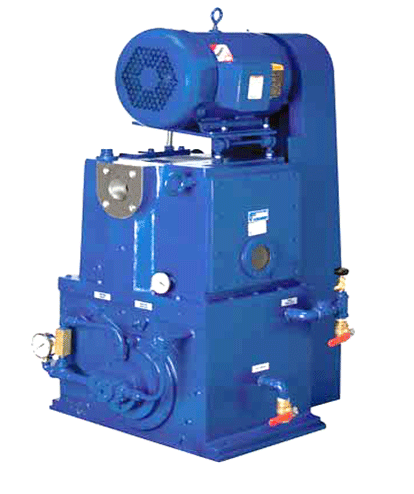
Are Piston Vacuum Pumps Suitable for Laboratory Use?
Yes, piston vacuum pumps are commonly used and well-suited for laboratory applications. Here’s a detailed explanation:
1. Versatility:
– Piston vacuum pumps offer versatility and can be utilized in a wide range of laboratory processes and equipment.
– They are compatible with various laboratory applications such as vacuum ovens, freeze dryers, vacuum filtration systems, and rotary evaporators.
2. Vacuum Generation:
– Piston vacuum pumps are capable of generating and maintaining deep vacuum levels, making them suitable for laboratory use.
– They can achieve vacuum levels ranging from millitorr (10-3 Torr) to microns (10-6 Torr), depending on the specific pump design and operating conditions.
3. Control and Precision:
– Piston vacuum pumps provide precise control over the vacuum level, allowing researchers to create and maintain the desired pressure conditions in their experiments.
– The pumps offer fine-tuning capabilities to achieve the optimal vacuum level required for specific laboratory processes.
4. Reliability and Durability:
– Piston vacuum pumps are known for their reliability and durability, which are crucial factors in laboratory environments.
– They are designed to withstand continuous operation and frequent use, ensuring consistent performance over extended periods.
5. Low Contamination Risk:
– Piston vacuum pumps are designed with airtight seals that minimize the risk of contamination.
– This is particularly important in laboratory settings where maintaining a clean and uncontaminated environment is vital for accurate and reliable experimental results.
6. Cost-Effective Solution:
– Piston vacuum pumps are generally more cost-effective compared to other types of vacuum pumps.
– They offer a balance between performance and affordability, making them a preferred choice for many laboratory budgets.
7. Ease of Maintenance:
– Piston vacuum pumps are relatively easy to maintain, with readily available spare parts and service support.
– Routine maintenance tasks such as changing oil, inspecting seals, and cleaning can be easily performed, ensuring the pump’s longevity and consistent performance.
In summary, piston vacuum pumps are highly suitable for laboratory use due to their versatility, ability to generate deep vacuum levels, precise control, reliability, low contamination risk, cost-effectiveness, and ease of maintenance. They are widely utilized in various laboratory applications and provide researchers with the necessary vacuum conditions for their experiments and processes.


editor by CX 2023-10-31