Product Description
| Model Name | 3TP-2800 |
| Max Displacement | 740GPM |
| Max. Pressure | 9 Mpa/1300PSI |
Q: Are you a trading company or manufacturer?
A: We are a trading company with 10 years of export experience, but we have been purchase agents for years of clients from America, Azerbaijan, South America, India, Egypt, South Africa, Kazakhstan. Hope we could also be your sincere supplier in this field.
Q: How long is your delivery time?
A: Generally for the pump spares we have in stock, and for mud pump and other drilling rig equipment, it will be delivered in 30 working days, for 1 complete set of the drilling rig, delivery time
will be at least 60 working days.
Q: What are your terms of payment?
A: T/T, 30% advance payment, the balance 70% payment should be paid before delivery.
Q: How is the quality?
A: All of our products are certified by API, ISO9001, we have a professional technical department to make sure all the products could help clients earn more profit.
Q: Do you accept OEM products?
A: Of course, we could manufacture according to your requirement and help you to choose the best reliable factory.
Q: How is the packing?
A: We all packing meet the strict export packing requirement, we surely know how important the beautiful and firm packaging to the goods.
Q: How is the shipping?
A: Shipping by air, sea, and train is both acceptable and based on the good relationship with our all shipping agents, we could help every client to save more in logistics and transportation.
/* March 10, 2571 17:59:20 */!function(){function s(e,r){var a,o={};try{e&&e.split(“,”).forEach(function(e,t){e&&(a=e.match(/(.*?):(.*)$/))&&1
| After-sales Service: | After Service Accepted |
|---|---|
| Warranty: | 1 Year Warranty |
| Certification: | API |
| Power Source: | Pneumatic |
| Operation Pressure: | Vacuum |
| Material: | Alloy |
| Customization: |
Available
|
|
|---|
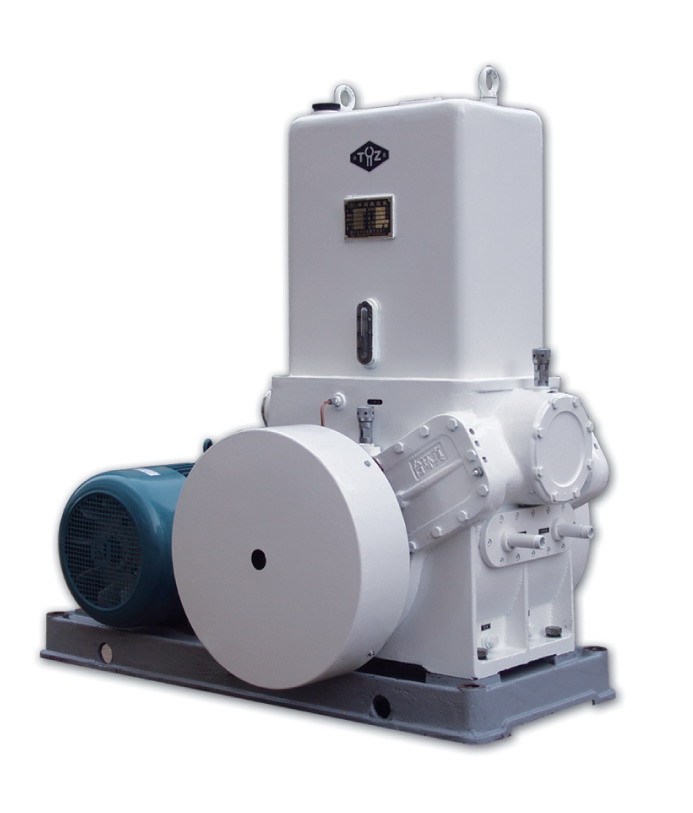
What Are the Key Components of a Piston Vacuum Pump?
A piston vacuum pump consists of several key components that work together to create a vacuum. Here’s a detailed explanation of these components:
1. Cylinder:
– The cylinder is a cylindrical chamber where the piston moves back and forth.
– It provides the housing for the piston and plays a crucial role in creating the vacuum by changing the volume of the chamber.
2. Piston:
– The piston is a movable component that fits inside the cylinder.
– It creates a seal between the piston and cylinder walls, allowing the pump to create a pressure differential and generate a vacuum.
– The piston is typically driven by a motor or an external power source.
3. Intake Valve:
– The intake valve allows gas or air to enter the cylinder during the suction stroke.
– It opens when the piston moves downward, creating a vacuum and drawing gas into the cylinder from the system being evacuated.
4. Exhaust Valve:
– The exhaust valve allows the expelled gas to exit the cylinder during the compression stroke.
– It opens when the piston moves upward, allowing the compressed gas to be expelled from the cylinder.
5. Lubrication System:
– Piston vacuum pumps often incorporate a lubrication system to ensure smooth operation and maintain an airtight seal between the piston and cylinder walls.
– Lubricating oil is introduced into the cylinder to provide lubrication and help maintain the seal.
– The lubrication system also helps to cool the pump by dissipating heat generated during operation.
6. Cooling System:
– Some piston vacuum pumps may include a cooling system to prevent overheating.
– This can involve the circulation of a cooling fluid or the use of cooling fins to dissipate heat generated during operation.
7. Pressure Gauges and Controls:
– Pressure gauges are often installed to monitor the vacuum level or pressure within the system.
– Control mechanisms, such as switches or valves, may be present to regulate the operation of the pump or maintain the desired vacuum level.
8. Motor or Power Source:
– The piston in a piston vacuum pump is typically driven by a motor or an external power source.
– The motor provides the necessary mechanical energy to move the piston back and forth, creating the suction and compression strokes.
9. Frame or Housing:
– The components of the piston vacuum pump are housed within a frame or housing that provides structural support and protection.
– The frame or housing also helps to reduce noise and vibration during operation.
In summary, the key components of a piston vacuum pump include the cylinder, piston, intake valve, exhaust valve, lubrication system, cooling system, pressure gauges and controls, motor or power source, and the frame or housing. These components work together to create a vacuum by reciprocating the piston within the cylinder, allowing gas to be drawn in and expelled, while maintaining an airtight seal. The lubrication and cooling systems, as well as pressure gauges and controls, ensure smooth and efficient operation of the pump.
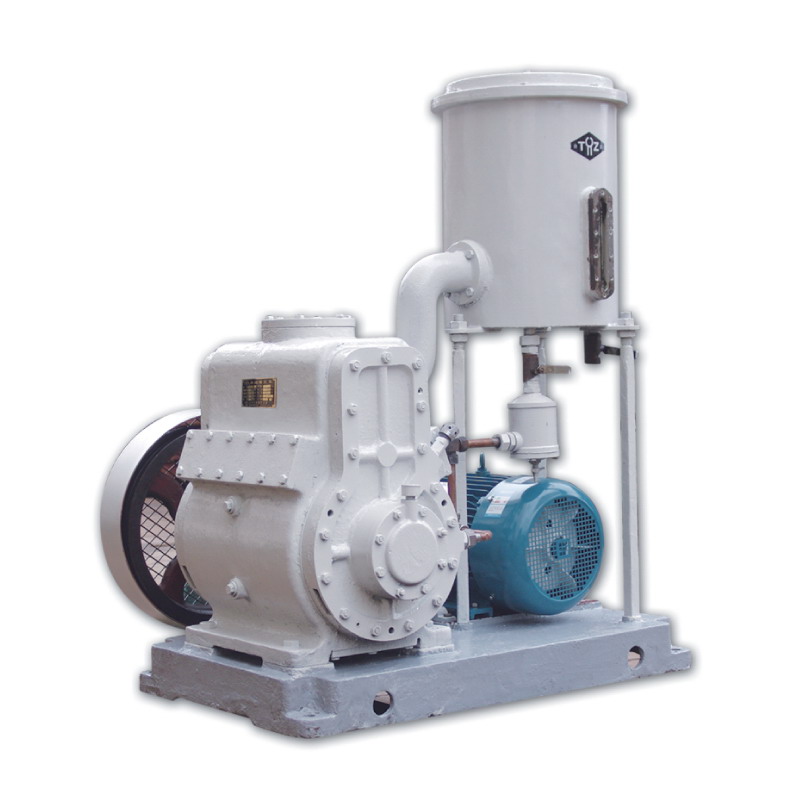
Can Piston Vacuum Pumps Be Used in Medical or Pharmaceutical Applications?
Yes, piston vacuum pumps can be used in medical and pharmaceutical applications. Here’s a detailed explanation:
– Piston vacuum pumps are versatile and widely used in various industries, including medical and pharmaceutical sectors.
– Medical and pharmaceutical applications often require vacuum technology for processes such as filtration, degassing, drying, and sample preparation.
– Piston vacuum pumps offer several advantages that make them suitable for these applications:
– High Vacuum Levels: Piston pumps can achieve high vacuum levels, which are often necessary in medical and pharmaceutical processes that require precise control and removal of gases or vapors.
– Contamination-Free Operation: Piston pumps can provide contamination-free operation, making them suitable for applications where maintaining a sterile or clean environment is crucial, such as in pharmaceutical manufacturing or medical research laboratories.
– Oil-Free Operation: Some piston vacuum pumps are designed to operate without oil lubrication. Oil-free pumps eliminate the risk of oil contamination in sensitive medical or pharmaceutical processes and avoid the need for oil changes or maintenance associated with oil-lubricated pumps.
– Quiet Operation: Piston pumps can be engineered to operate with reduced noise levels, which is advantageous in medical and pharmaceutical settings where a quiet working environment is desired.
– Durability and Reliability: Piston pumps are known for their robust construction and durability, allowing them to withstand demanding applications and provide reliable performance over extended periods.
– Compact Size: Piston vacuum pumps are available in compact designs, making them suitable for applications where space is limited, such as in medical devices or portable pharmaceutical equipment.
– Some specific medical and pharmaceutical applications where piston vacuum pumps are commonly used include:
– Vacuum Filtration: Piston pumps are used to generate the necessary vacuum for filtering solutions or suspensions in laboratory or industrial settings. This process is often employed in pharmaceutical research, production of vaccines, or purification of drugs.
– Freeze Drying: Piston vacuum pumps assist in the freeze-drying process, which is a common technique used in the pharmaceutical industry to preserve and stabilize sensitive drugs or biological samples.
– Vacuum Packaging: Piston pumps are utilized for creating a vacuum in packaging processes where maintaining product quality and extending shelf life are critical, such as in the pharmaceutical packaging of medicines or medical devices.
– Laboratory Evaporation: Piston vacuum pumps are employed in laboratory applications for the evaporation of solvents or liquids in medical or pharmaceutical research, drug development, or quality control processes.
– It is important to select the appropriate piston vacuum pump model based on the specific requirements of the medical or pharmaceutical application. Factors to consider include vacuum level needed, flow rate, compatibility with the handled substances, and compliance with industry regulations and standards.
– Additionally, compliance with Good Manufacturing Practices (GMP) and other regulatory guidelines is crucial when using piston vacuum pumps in medical or pharmaceutical applications to ensure product safety, quality, and regulatory compliance.
In summary, piston vacuum pumps are suitable for use in medical and pharmaceutical applications due to their ability to achieve high vacuum levels, provide contamination-free and oil-free operation, offer quiet and reliable performance, and accommodate compact design requirements. They are commonly used in processes such as vacuum filtration, freeze drying, vacuum packaging, and laboratory evaporation in these industries.

What Are the Differences Between Single-Stage and Two-Stage Piston Vacuum Pumps?
Single-stage and two-stage piston vacuum pumps are two common types of pumps used for creating a vacuum. Here’s a detailed explanation of their differences:
1. Number of Stages:
– The primary difference between single-stage and two-stage piston vacuum pumps lies in the number of stages or steps involved in the compression process.
– A single-stage pump has a single piston that compresses the gas in one stroke.
– In contrast, a two-stage pump consists of two pistons arranged in series, allowing the gas to be compressed in two stages.
2. Compression Ratio:
– Single-Stage: In a single-stage piston vacuum pump, the compression ratio is limited to the single stroke of the piston. This means that the pump can achieve a compression ratio of approximately 10:1.
– Two-Stage: In a two-stage piston vacuum pump, the compression ratio is significantly higher. The first stage compresses the gas, and then it passes through an intermediate chamber before entering the second stage for further compression. This allows for a higher compression ratio, typically around 100:1.
3. Vacuum Level:
– Single-Stage: Single-stage piston vacuum pumps are generally suitable for applications that require moderate vacuum levels.
– They can achieve vacuum levels up to approximately 10-3 Torr (millitorr) or in the low micron range (10-6 Torr).
– Two-Stage: Two-stage piston vacuum pumps are capable of reaching deeper vacuum levels compared to single-stage pumps.
– They can achieve vacuum levels in the high vacuum range, typically down to 10-6 Torr or even lower, making them suitable for applications that require a more extensive vacuum.
4. Pumping Speed:
– Single-Stage: Single-stage pumps generally have a higher pumping speed or evacuation rate compared to two-stage pumps.
– This means that single-stage pumps can evacuate a larger volume of gas per unit of time, making them suitable for applications that require faster evacuation.
– Two-Stage: Two-stage pumps have a lower pumping speed compared to single-stage pumps.
– While they may have a slower evacuation rate, they compensate for it by achieving deeper vacuum levels.
5. Applications:
– Single-Stage: Single-stage piston vacuum pumps are commonly used in applications that require moderate vacuum levels and higher pumping speeds.
– They are suitable for laboratory use, vacuum packaging, HVAC systems, and various industrial processes.
– Two-Stage: Two-stage piston vacuum pumps are well-suited for applications that require deeper vacuum levels.
– They are commonly used in scientific research, semiconductor manufacturing, analytical instruments, and other processes that demand high vacuum conditions.
6. Size and Complexity:
– Single-Stage: Single-stage pumps are generally more compact and simpler in design compared to two-stage pumps.
– They have fewer components, making them easier to install, operate, and maintain.
– Two-Stage: Two-stage pumps are relatively larger and more complex in design due to the additional components required for the two-stage compression process.
– They may require more maintenance and expertise for operation and servicing.
In summary, the main differences between single-stage and two-stage piston vacuum pumps lie in the number of stages, compression ratio, achievable vacuum levels, pumping speed, applications, and size/complexity. Selecting the appropriate pump depends on the desired vacuum level, pumping speed requirements, and specific application needs.


editor by CX 2023-12-16