Product Description
Submersible Large Flow Medium Pressure Pump
Liquids Pumped:;
LO2,; LN2,; LAr,; LNG
Technical Parameters
1.; Flow rate:; 300-30000L/h
2.; Max.; outlet pressure:; 3.;0-9.;0Mpa
3.; Medium:; LOX,; LN or LAr,;LNG
Application
The high flow cryogenic pump is commonly used in the gas supply system of large and medium steel plants and chemical plants,;
For filling cylinders,; dewars and tanks.;
Other low and medium pressure gas supply system
Optional Configuration:;
Frequency converter
Overpressure interlocking device
Safety valve/cryogenic check valve
Interlocking device of outlet gas temperature
Interlocking device of pump temperature
PLC control system
Gas-liquid separator(used for working conditions of pipe without air return);
Featuring
1.;Module design,; wide coverage of flow
2.;Simple design of pump head parts,; convenient for maintenance
3.;Reliable structure of sealing
4.;Various configurations improve the degree of safety and automation
Model List
| Model | Type | Flow range (L/h); |
Inlet pressure (Mpa); | Max.; discharge pressure (Mpa); |
| SBP300-600/50 SBP600-1200/50 SBP1000-2000/50 SBP1000-3000/50 |
single-column horizontal piston |
300-600 600-1200 1000-2000 1000-3000 |
0.;02-1.;6 | 5.;0 |
| SBP1500-3000/30 SBP2000-4000/30 SBP3000-6000/30 |
double-column horizontal piston |
1500-3000 2000-4000 3000-6000 |
0.;02-1.;6 | 3.;0 |
| SBP5000-10000/30 SBP8000-15000/30 SBP15000-30000/30 SBP20000-45000/30 |
three-column horizontal piston |
5000-10000 8000-15000 15000-30000 20000-45000 |
0.;02-1.;6 | 3.;0 |
WHAT WE CAN SUPPLY?
We specialize in producing air separation plants,; CO2 recovery plants,; cryogenic liquid storage tanks,; ISO tanks,; semi-trailer tankers,; vaporizers,; gas filling stations,; cylinders and dewars,; dry ice machines,; compressors and cryogenic pumps etc.;
Our Company
HangZhou CZPT General Equipment Co.;,;Ltd.; is a wholly owned subsidiary of ZheJiang Air Separation Plant Group Company-the second largest gas equipment producer in China.;
In the gas equipment field,; we are proficient in both design and manufacture,; enjoying a good reputation worldwide.; By our consistent efforts,; we turned the invisible air into visible brilliance.;
With 40 years of experience,; we can provide customers with a complete range of products and the most professional services.; Taking advantage of the group company structure,; we have an in-depth and comprehensive understanding of market.; Customers can get all they need at one-stop purchase.;
| Oil or Not: | Oil Free |
|---|---|
| Structure: | High Pressure Pump |
| Exhauster Method: | Positive Displacement Pump |
| Vacuum Degree: | Vacuum |
| Usage: | Pump |
| Flow: | 300-30000L/H |
| Customization: |
Available
|
|
|---|
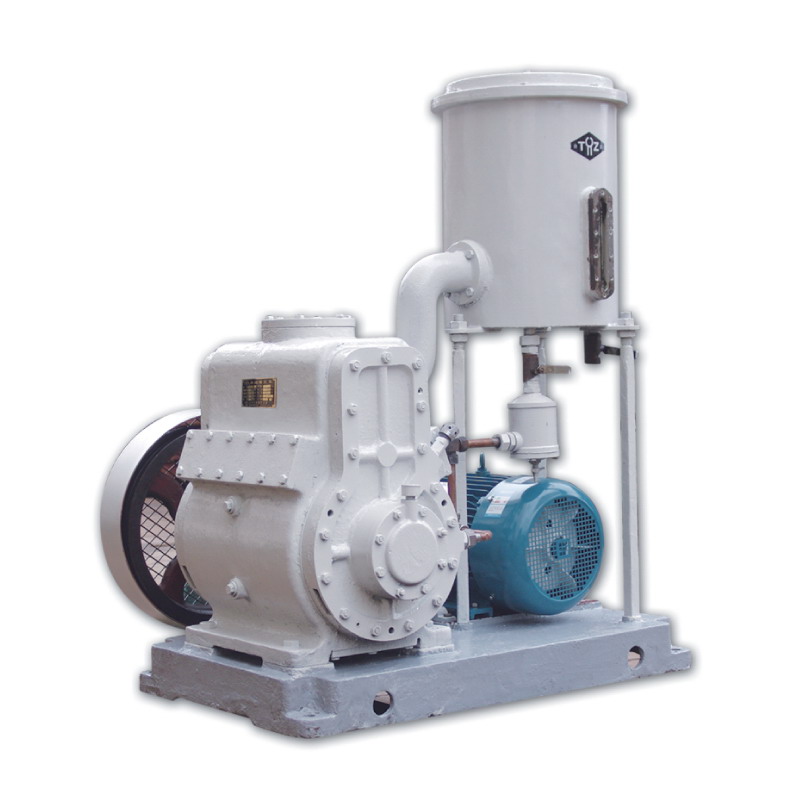
Can Piston Vacuum Pumps Create a Deep Vacuum?
Yes, piston vacuum pumps have the capability to create a deep vacuum. Here’s a detailed explanation:
Piston vacuum pumps are designed to generate and maintain a vacuum by using a reciprocating piston mechanism. They can achieve vacuum levels ranging from millitorr (10-3 Torr) to microns (10-6 Torr), which is considered a deep vacuum range.
When the piston moves downward during the suction stroke, it creates a vacuum within the cylinder. This allows gas or air from the system being evacuated to enter the cylinder. As the piston moves up during the compression stroke, the gas is expelled from the cylinder, reducing its volume and increasing its pressure. This cyclic process continues, gradually reducing the pressure within the system.
One of the factors that contribute to the ability of piston vacuum pumps to create a deep vacuum is the use of an airtight seal between the piston and cylinder walls. This seal prevents the gas from leaking back into the evacuated system, allowing the pump to maintain the desired vacuum level.
It’s important to note that the achievable vacuum level of a piston vacuum pump can depend on various factors, including the design of the pump, the materials used, the quality of the seals, and the operating conditions. Additionally, the flow rate of the pump may be lower compared to other types of vacuum pumps, as piston pumps are typically designed for applications that require low flow rates but high vacuum levels.
In summary, piston vacuum pumps can create a deep vacuum in the millitorr to micron range. With their reciprocating piston mechanism and airtight seals, they are capable of generating and maintaining a vacuum suitable for applications that require deep vacuum conditions.
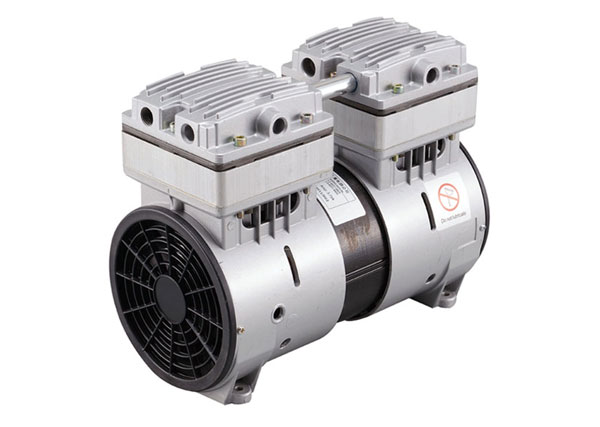
What Are the Safety Precautions for Operating Piston Vacuum Pumps?
Operating piston vacuum pumps requires adherence to safety precautions to ensure the well-being of personnel and the proper functioning of the equipment. Here’s a detailed explanation of the safety precautions for operating piston vacuum pumps:
– Familiarize Yourself with the User Manual: Before operating a piston vacuum pump, thoroughly read and understand the user manual provided by the manufacturer. The manual contains important safety guidelines specific to the pump model.
– Personal Protective Equipment (PPE): Always wear appropriate personal protective equipment, such as safety goggles, gloves, and hearing protection, when operating the pump. This helps protect against potential hazards, including chemical exposure, flying debris, and noise.
– Ventilation: Ensure that the area where the pump is operated has adequate ventilation. Proper ventilation helps prevent the accumulation of fumes, vapors, or hazardous gases that may be generated during the pumping process.
– Electrical Safety: Follow electrical safety precautions, including proper grounding and connection of the pump to a suitable power source. Inspect power cords and plugs for any damage before use, and avoid using the pump in wet or damp environments.
– Pressure and Vacuum Limits: Operate the pump within its specified pressure and vacuum limits. Exceeding these limits can lead to equipment failure, compromising safety and performance.
– Overpressure Protection: Ensure the pump has appropriate overpressure protection mechanisms, such as relief valves or pressure sensors, to prevent excessive pressure buildup. Regularly inspect and maintain these safety devices to ensure their proper functioning.
– Cooling and Temperature: Pay attention to the cooling requirements of the pump. Adequate cooling is necessary to prevent overheating and potential damage to the pump. Avoid blocking or obstructing cooling vents or fins. Monitor the pump’s temperature during operation and follow any temperature-related guidelines provided by the manufacturer.
– Maintenance and Inspection: Regularly inspect and maintain the pump according to the manufacturer’s recommendations. This includes cleaning, lubricating, and replacing parts as necessary. Perform maintenance tasks only when the pump is turned off and disconnected from the power source.
– Emergency Stop: Familiarize yourself with the location and operation of the emergency stop button or switch on the pump. In case of any emergency or abnormal situation, immediately activate the emergency stop to shut down the pump safely.
– Training and Competence: Ensure that operators are adequately trained and competent to operate the piston vacuum pump. Proper training helps minimize the risks associated with incorrect operation or handling of the equipment.
– Hazardous Materials: If the pump is used with hazardous materials, follow appropriate safety protocols for handling, containment, and disposal. Be aware of the potential risks associated with the materials being pumped and take necessary precautions to mitigate those risks.
– Warning Signs and Labels: Pay attention to warning signs, labels, and markings on the pump, including safety instructions, hazard warnings, and operating instructions. Follow these instructions carefully to ensure safe operation.
– Emergency Procedures: Establish and communicate clear emergency procedures in case of accidents, spills, or other hazardous situations. Ensure that operators are aware of these procedures and know how to respond appropriately.
– Regular Risk Assessment: Conduct regular risk assessments of the pump operation to identify potential hazards and implement appropriate safety measures. Periodically review and update safety protocols based on the results of these assessments.
– Emergency Response Resources: Keep appropriate emergency response resources readily available, such as fire extinguishers, spill kits, and emergency eyewash stations, in case of accidents or spills.
In summary, operating piston vacuum pumps safely requires following several key safety precautions, including familiarizing yourself with the user manual, using appropriate personal protective equipment, ensuring proper ventilation, adhering to electrical safety guidelines, operating within pressure and vacuum limits, maintaining cooling requirements, performing regular maintenance and inspections, being aware of emergency stop procedures, providing adequate training and competence, handling hazardous materials safely, paying attention to warning signs and labels, establishing emergency procedures, conducting risk assessments, and keeping emergency response resources available.
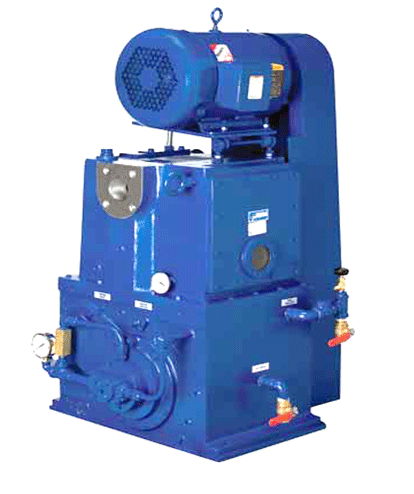
Are Piston Vacuum Pumps Suitable for Laboratory Use?
Yes, piston vacuum pumps are commonly used and well-suited for laboratory applications. Here’s a detailed explanation:
1. Versatility:
– Piston vacuum pumps offer versatility and can be utilized in a wide range of laboratory processes and equipment.
– They are compatible with various laboratory applications such as vacuum ovens, freeze dryers, vacuum filtration systems, and rotary evaporators.
2. Vacuum Generation:
– Piston vacuum pumps are capable of generating and maintaining deep vacuum levels, making them suitable for laboratory use.
– They can achieve vacuum levels ranging from millitorr (10-3 Torr) to microns (10-6 Torr), depending on the specific pump design and operating conditions.
3. Control and Precision:
– Piston vacuum pumps provide precise control over the vacuum level, allowing researchers to create and maintain the desired pressure conditions in their experiments.
– The pumps offer fine-tuning capabilities to achieve the optimal vacuum level required for specific laboratory processes.
4. Reliability and Durability:
– Piston vacuum pumps are known for their reliability and durability, which are crucial factors in laboratory environments.
– They are designed to withstand continuous operation and frequent use, ensuring consistent performance over extended periods.
5. Low Contamination Risk:
– Piston vacuum pumps are designed with airtight seals that minimize the risk of contamination.
– This is particularly important in laboratory settings where maintaining a clean and uncontaminated environment is vital for accurate and reliable experimental results.
6. Cost-Effective Solution:
– Piston vacuum pumps are generally more cost-effective compared to other types of vacuum pumps.
– They offer a balance between performance and affordability, making them a preferred choice for many laboratory budgets.
7. Ease of Maintenance:
– Piston vacuum pumps are relatively easy to maintain, with readily available spare parts and service support.
– Routine maintenance tasks such as changing oil, inspecting seals, and cleaning can be easily performed, ensuring the pump’s longevity and consistent performance.
In summary, piston vacuum pumps are highly suitable for laboratory use due to their versatility, ability to generate deep vacuum levels, precise control, reliability, low contamination risk, cost-effectiveness, and ease of maintenance. They are widely utilized in various laboratory applications and provide researchers with the necessary vacuum conditions for their experiments and processes.


editor by CX 2024-01-05