Product Description
ASM CHINAMFG machine spare part 0571989S02 Vacuum Generator complete Vacuum Pump DLM1
Product Description
| Product name | ASM Siemens Vacuum Generator for Vacuum Pump DLM1 |
| Condition | New and Used |
| Usage | ASM place machine Spare Part accessories |
| Quality | 100% tested |
| Package | Carton Box or wooden case |
| Part number | 0571989 |
| Payment | Paypal, western Union,TT ,L/C and etc. |
| Delivery | UPS,DHL,FedEx, express delivery, sea and air transport. |
| Application | SMT PCB Assembly Production Line, Siemens place machine spare parts accessories |
| Comprehensive product category for you to choose from | |||
| 1 | Placement machine feeder | 13 | LED pick and place machine |
| 2 | SMT placement machine | 14 | Wave soldering Machine |
| 3 | SMT AOI | 15 | SMT coating machine |
| 4 | SMT SPI | 16 | SMT cleaning machine |
| 5 | SMT stencil printer | 17 | SMT label mounter |
| 6 | SMT reflow oven | 18 | PCB cutting machine |
| 7 | SMT X-Ray | 19 | PCB laser machine |
| 8 | SMT feeder | 20 | PCB handling machine |
| 9 | SMT nozzle | 21 | SMT mounter |
| 10 | SMT digital camera | 22 | SMT accessories |
| 11 | SMT sensor | 23 | Placement machine accessories |
| 12 | SMT motor | 24 | Etc. |
Welcome to consult.
Detailed Photos
Element sensor: all mounting heads have programmable pressure control technology.
PCB deformation automatic compensation technology, component height deviation adaptive function.
Timely mount pressure self-learning feedback technology to completely eliminate flying parts and damage during mounting. In the normal production process, the working head should maintain the fastest speed and stable patch ability. The element sensor has the ability to detect the height, so as to ensure the safety of the patch
Packaging & Shipping
We use wooden case packaging, vacuum packaging, carton packaging and other combinations
ensure that the goods will not be damaged during transportation.
Company Profile
ZheZheJiang nling Industrial Co. , Ltd is focusing on golobal Placement machine industry.
Our company is a high-end brand manufacturer of automatic AOI visual inspection equipment and a global supplier of CHINAMFG accessories, which integrates R & D, manufacturing, sales and service. The company’s R & D team is composed of overseas and domestic senior VISION technical experts, has many years of R & D and manufacturing experience in the AOI visual inspection equipment industry, and the core technology has obtained a number of invention and application patents. At the same time, it also operates various brands of CHINAMFG whole-line equipment leasing business, CHINAMFG maintenance business, CHINAMFG accessories business.
Our Advantages
1. Brand authentic guarantee
2. Customization is acceptable
3. Professional technical and sales team
4. Complete CHINAMFG brand and product support
5. Over 15 years experience, quality guarantee.
6. Full range of products, sufficient inventory and fast delivery time
Brand Partner
FAQ
1. What products can you provide?
Placement Machine Feeder, CHINAMFG Placement Machine, CHINAMFG AOI, CHINAMFG SPI, CHINAMFG Stencil Printer, CHINAMFG Reflow Oven, CHINAMFG X-Ray, CHINAMFG Feeder, CHINAMFG Nozzle, LED Pick & Place Machine, Wave Soldering Machine, CHINAMFG Coating Machine, CHINAMFG Cleaning Machine, CHINAMFG Label Mounter, PCB Cutting Machine, PCB Laser Printer Machine, PCB Handling Machine, CHINAMFG Mounter Sales: Placement Machine, Placement Machine Accessories, CHINAMFG Accessories.
2. Can I get a sample? what is your MOQ?
Yes, sample is available, our MOQ is 1 piece
3. How long will it take to deliver the goods?
About 1 to 7 working days.
4. What kinds of brands of parts can you provide?
We have Fuji, Juki, Yamaha, Samsung, Panaconic, Siemens, Universal, Hitachi etc.
5. What is the warranty of feeders?
We provide 6 months` warranty on new accessories and 3 months on Second hand accessories, actual life depends on working and maintanance. If it can not work after newly received , free repalcement would be sent immediately or refund
After Sales Service
24 hrs online, quick response, guaranteed warranty for you!
For more information, please visit our Official website
| After-sales Service: | 24 Hrs Online |
|---|---|
| Condition: | New and Used |
| Speed: | Super High Speed |
| Precision: | High Precision |
| Certification: | RoHS, ISO, CE |
| Warranty: | 6 Months |
| Customization: |
Available
|
|
|---|
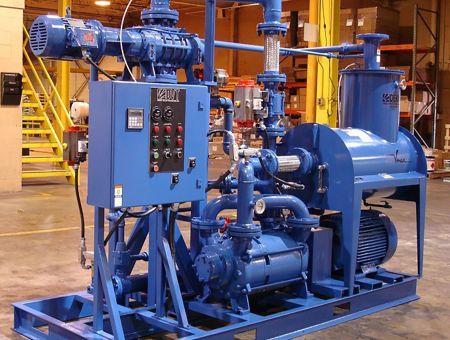
How Are Vacuum Pumps Employed in the Production of Electronic Components?
Vacuum pumps play a crucial role in the production of electronic components. Here’s a detailed explanation:
The production of electronic components often requires controlled environments with low or no atmospheric pressure. Vacuum pumps are employed in various stages of the production process to create and maintain these vacuum conditions. Here are some key ways in which vacuum pumps are used in the production of electronic components:
1. Deposition Processes: Vacuum pumps are extensively used in deposition processes, such as physical vapor deposition (PVD) and chemical vapor deposition (CVD), which are commonly employed for thin film deposition on electronic components. These processes involve the deposition of materials onto substrates in a vacuum chamber. Vacuum pumps help create and maintain the necessary vacuum conditions required for precise and controlled deposition of the thin films.
2. Etching and Cleaning: Etching and cleaning processes are essential in the fabrication of electronic components. Vacuum pumps are used to create a vacuum environment in etching and cleaning chambers, where reactive gases or plasmas are employed to remove unwanted materials or residues from the surfaces of the components. The vacuum pumps help evacuate the chamber and ensure the efficient removal of byproducts and waste gases.
3. Drying and Bake-out: Vacuum pumps are utilized in the drying and bake-out processes of electronic components. After wet processes, such as cleaning or wet etching, components need to be dried thoroughly. Vacuum pumps help create a vacuum environment that facilitates the removal of moisture or solvents from the components, ensuring their dryness before subsequent processing steps. Additionally, vacuum bake-out is employed to remove moisture or other contaminants trapped within the components’ materials or structures, enhancing their reliability and performance.
4. Encapsulation and Packaging: Vacuum pumps are involved in the encapsulation and packaging stages of electronic component production. These processes often require the use of vacuum-sealed packaging to protect the components from environmental factors such as moisture, dust, or oxidation. Vacuum pumps assist in evacuating the packaging materials, creating a vacuum-sealed environment that helps maintain the integrity and longevity of the electronic components.
5. Testing and Quality Control: Vacuum pumps are utilized in testing and quality control processes for electronic components. Some types of testing, such as hermeticity testing, require the creation of a vacuum environment for evaluating the sealing integrity of electronic packages. Vacuum pumps help evacuate the testing chambers, ensuring accurate and reliable test results.
6. Soldering and Brazing: Vacuum pumps play a role in soldering and brazing processes for joining electronic components and assemblies. Vacuum soldering is a technique used to achieve high-quality solder joints by removing air and reducing the risk of voids, flux residuals, or oxidation. Vacuum pumps assist in evacuating the soldering chambers, creating the required vacuum conditions for precise and reliable soldering or brazing.
7. Surface Treatment: Vacuum pumps are employed in surface treatment processes for electronic components. These processes include plasma cleaning, surface activation, or surface modification techniques. Vacuum pumps help create the necessary vacuum environment where plasma or reactive gases are used to treat the component surfaces, improving adhesion, promoting bonding, or altering surface properties.
It’s important to note that different types of vacuum pumps may be used in electronic component production, depending on the specific process requirements. Commonly used vacuum pump technologies include rotary vane pumps, turbo pumps, cryogenic pumps, and dry pumps.
In summary, vacuum pumps are essential in the production of electronic components, facilitating deposition processes, etching and cleaning operations, drying and bake-out stages, encapsulation and packaging, testing and quality control, soldering and brazing, as well as surface treatment. They enable the creation and maintenance of controlled vacuum environments, ensuring precise and reliable manufacturing processes for electronic components.
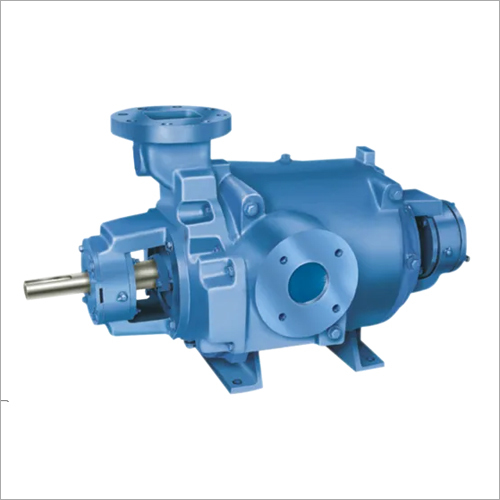
How Do Vacuum Pumps Affect the Performance of Vacuum Chambers?
When it comes to the performance of vacuum chambers, vacuum pumps play a critical role. Here’s a detailed explanation:
Vacuum chambers are enclosed spaces designed to create and maintain a low-pressure environment. They are used in various industries and scientific applications, such as manufacturing, research, and material processing. Vacuum pumps are used to evacuate air and other gases from the chamber, creating a vacuum or low-pressure condition. The performance of vacuum chambers is directly influenced by the characteristics and operation of the vacuum pumps used.
Here are some key ways in which vacuum pumps affect the performance of vacuum chambers:
1. Achieving and Maintaining Vacuum Levels: The primary function of vacuum pumps is to create and maintain the desired vacuum level within the chamber. Vacuum pumps remove air and other gases, reducing the pressure inside the chamber. The efficiency and capacity of the vacuum pump determine how quickly the desired vacuum level is achieved and how well it is maintained. High-performance vacuum pumps can rapidly evacuate the chamber and maintain the desired vacuum level even when there are gas leaks or continuous gas production within the chamber.
2. Pumping Speed: The pumping speed of a vacuum pump refers to the volume of gas it can remove from the chamber per unit of time. The pumping speed affects the rate at which the chamber can be evacuated and the time required to achieve the desired vacuum level. A higher pumping speed allows for faster evacuation and shorter cycle times, improving the overall efficiency of the vacuum chamber.
3. Ultimate Vacuum Level: The ultimate vacuum level is the lowest pressure that can be achieved in the chamber. It depends on the design and performance of the vacuum pump. Higher-quality vacuum pumps can achieve lower ultimate vacuum levels, which are important for applications requiring higher levels of vacuum or for processes that are sensitive to residual gases.
4. Leak Detection and Gas Removal: Vacuum pumps can also assist in leak detection and gas removal within the chamber. By continuously evacuating the chamber, any leaks or gas ingress can be identified and addressed promptly. This ensures that the chamber maintains the desired vacuum level and minimizes the presence of contaminants or unwanted gases.
5. Contamination Control: Some vacuum pumps, such as oil-sealed pumps, use lubricating fluids that can introduce contaminants into the chamber. These contaminants may be undesirable for certain applications, such as semiconductor manufacturing or research. Therefore, the choice of vacuum pump and its potential for introducing contaminants should be considered to maintain the required cleanliness and purity of the vacuum chamber.
6. Noise and Vibrations: Vacuum pumps can generate noise and vibrations during operation, which can impact the performance and usability of the vacuum chamber. Excessive noise or vibrations can interfere with delicate experiments, affect the accuracy of measurements, or cause mechanical stress on the chamber components. Selecting vacuum pumps with low noise and vibration levels is important for maintaining optimal chamber performance.
It’s important to note that the specific requirements and performance factors of a vacuum chamber can vary depending on the application. Different types of vacuum pumps, such as rotary vane pumps, dry pumps, or turbomolecular pumps, offer varying capabilities and features that cater to specific needs. The choice of vacuum pump should consider factors such as the desired vacuum level, pumping speed, ultimate vacuum, contamination control, noise and vibration levels, and compatibility with the chamber materials and gases used.
In summary, vacuum pumps have a significant impact on the performance of vacuum chambers. They enable the creation and maintenance of the desired vacuum level, affect the pumping speed and ultimate vacuum achieved, assist in leak detection and gas removal, and influence contamination control. Careful consideration of the vacuum pump selection ensures optimal chamber performance for various applications.
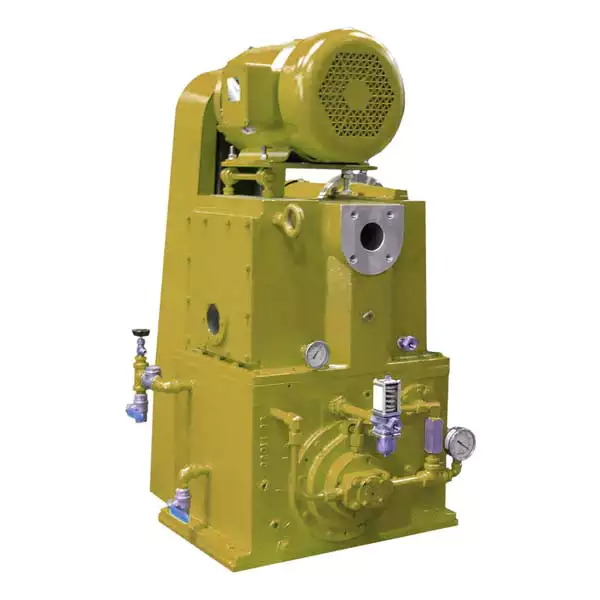
What Are the Primary Applications of Vacuum Pumps?
Vacuum pumps have a wide range of applications across various industries. Here’s a detailed explanation:
1. Industrial Processes:
Vacuum pumps play a vital role in numerous industrial processes, including:
– Vacuum Distillation: Vacuum pumps are used in distillation processes to lower the boiling points of substances, enabling separation and purification of various chemicals and compounds.
– Vacuum Drying: Vacuum pumps aid in drying processes by creating a low-pressure environment, which accelerates moisture removal from materials without excessive heat.
– Vacuum Packaging: Vacuum pumps are used in the food industry to remove air from packaging containers, prolonging the shelf life of perishable goods by reducing oxygen exposure.
– Vacuum Filtration: Filtration processes can benefit from vacuum pumps to enhance filtration rates by applying suction, facilitating faster separation of solids and liquids.
2. Laboratory and Research:
Vacuum pumps are extensively used in laboratories and research facilities for various applications:
– Vacuum Chambers: Vacuum pumps create controlled low-pressure environments within chambers for conducting experiments, testing materials, or simulating specific conditions.
– Mass Spectrometry: Mass spectrometers often utilize vacuum pumps to create the necessary vacuum conditions for ionization and analysis of samples.
– Freeze Drying: Vacuum pumps enable freeze-drying processes, where samples are frozen and then subjected to a vacuum, allowing the frozen water to sublimate directly from solid to vapor state.
– Electron Microscopy: Vacuum pumps are essential for electron microscopy techniques, providing the necessary vacuum environment for high-resolution imaging of samples.
3. Semiconductor and Electronics Industries:
High vacuum pumps are critical in the semiconductor and electronics industries for manufacturing and testing processes:
– Semiconductor Fabrication: Vacuum pumps are used in various stages of chip manufacturing, including deposition, etching, and ion implantation processes.
– Thin Film Deposition: Vacuum pumps create the required vacuum conditions for depositing thin films of materials onto substrates, as done in the production of solar panels, optical coatings, and electronic components.
– Leak Detection: Vacuum pumps are utilized in leak testing applications to detect and locate leaks in electronic components, systems, or pipelines.
4. Medical and Healthcare:
Vacuum pumps have several applications in the medical and healthcare sectors:
– Vacuum Assisted Wound Closure: Vacuum pumps are used in negative pressure wound therapy (NPWT), where they create a controlled vacuum environment to promote wound healing and removal of excess fluids.
– Laboratory Equipment: Vacuum pumps are essential in medical and scientific equipment such as vacuum ovens, freeze dryers, and centrifugal concentrators.
– Anesthesia and Medical Suction: Vacuum pumps are utilized in anesthesia machines and medical suction devices to create suction and remove fluids or gases from the patient’s body.
5. HVAC and Refrigeration:
Vacuum pumps are employed in the HVAC (Heating, Ventilation, and Air Conditioning) and refrigeration industries:
– Refrigeration and Air Conditioning Systems: Vacuum pumps are used during system installation, maintenance, and repair to evacuate moisture and air from refrigeration and air conditioning systems, ensuring efficient operation.
– Vacuum Insulation Panels: Vacuum pumps are utilized in the manufacturing of vacuum insulation panels, which offer superior insulation properties for buildings and appliances.
6. Power Generation:
Vacuum pumps play a role in power generation applications:
– Steam Condenser Systems: Vacuum pumps are used in power plants to remove non-condensable gases from steam condenser systems, improving thermal efficiency.
– Gas Capture: Vacuum pumps are utilized to capture and remove gases, such as hydrogen or helium, in nuclear power plants, research reactors, or particle accelerators.
These are just a few examples of the primary applications of vacuum pumps. The versatility and wide range of vacuum pump types make them essential in numerous industries, contributing to various manufacturing processes, research endeavors, and technological advancements.


editor by CX 2023-11-21