Product Description
XD Single stage rotary vane pump
XD Single stage rotary vane pump is a single stage rotary vane vacuum pump. It is used in wide application including vacuum packaging of foods, paper conveying in the printing industry, vacuum forming in plastics industry, vacuum impregnation of various castings in foundry, vacuum fixtures in mechanical industry, vacuum suction in hospital operating room. It is easy to operate and maintain
ADVANTAGES
Long life design
The comprehensive range from 10 to 630 m 3 / h
XD vacuum pump entirely replace the pumps like U3/U4,R5,VC,EU and etc.
High pumping speed also at low pressures
Optimum price-to-performance ratio
Low noise level
Low vibrations
Integrated exhaust filter, up to 99.9% efficient
No oil loss owing to the integrated oil return line
Efficient air cooling (standard)
Low space requirement, easy to install
Maintenance-friendly
Compact design
High water vapor tolerance
Protection of the Environment
The built-in exhaust filter ensures an oil-mist free exhaust gas
Operating pressures from atmospheric pressure to ultimate pressure.
Inlet with check valve to prevent vacuum pump oil back into the system
Main Sizes
XD-10, XD-20, XD-25, XD-40, XD-63, XD-100, XD-160, XD-250, XD-302, XD-630
Quality Certification
With ISO9001:2015 certificate, CE and Atex certificate for European Union
Applications
Food industry , Vacuum packaging, Material drying, Car industry , Furnaces and plants , chemical, Laser technology , Medicinal technology , Metallurgy , Power engineering , Space simulation , Vacuum coating , vacuum loading, electronics, semiconductor, scientific research
Technical parameters
Capacity Curves
Overall dimensions
About HangZhou Ever-power group(HZPT):
Q: Are you trading company or manufacturer ?
A: HZPT group consists in 3 factories and 2 abroad sales cooperations.we are making vacuum pumps,air compressors and gearboxes.
Q: How long is your delivery time ? What is your terms of payment ?
A: Generally it is 30-45 days. The time may vary depending on the product and the level of customization. For standard products, the payment is: 30% T/T in advance ,balance before shippment.,for customized products,50% downpayment is requested normally.
Q: What is the exact MOQ or price for your product ?
A: As an OEM company, we can provide and adapt our products to a wide range of needs.Thus, MOQ and price may greatly vary with detail size, material and further specifications;when you place orders,pleasure contact us in advance to communicate all details.
About vacuum pumps:
Q: How is vacuum measured?
A: 1 standard atmosphere at standard conditions will support a column of mercury 760mm high. This is where the linear measurement in vacuum comes into play.760mm can be also measured in inch Hg (760mm = 29.92″) and microns (760,000 microns = 760 mm = 29.92″). Depending on what vacuum level you require, you will use a different unit of measure for the vacuum measurement. When measuring vacuum below 1 micron, we go to scientific notation (Example: 1 x 10⁻³ mm Hg)
Q: What is an Absolute vacuum gauge?
A: An absolute pressure gauge is 1 that will measure your vacuum system without regard to and independent of local barometric pressure. Many dial (Bourdon) gauges and electronic Transducers reference local barometric pressure as their base measurement. However, since these devices are calibrated at SEA LEVEL conditions, operation of these devices above sea level will cause an erroneous reading. Either the gauge/transducer must be recalibrated for the higher elevation use or an absolute pressure gauge would need to be used.
A Torr gauge is an absolute pressure gauge and operates on the principle of an altimeter. The Gauge case is evacuated by the vacuum from the process and exerts a negative pressure on a hermetically sealed capsule. The lowering of the pressure in the gauge case causes the capsule to expand thereby causing the gauge movement to turn the pointer. The Torr gauge is highly sensitive and accurate in the lower pressure regions (0-100 mm Hg).
Q: how to judge vacuum degree?
A: Atmospheric Pressure- is variable but is standardized at 760 Torr or 101.325 kPa.
Low Vacuum- also called rough vacuum, is a vacuum that can be achieved or measured by basic equipment such as a vacuum cleaner.
Medium Vacuum- is a vacuum that is typically achieved by a single pump, but the pressure is too low to measure with a mechanical manometer. It can be measured with a McLeod gauge, thermal gauge, or a capacitance gauge.
High Vacuum- is vacuum where the MFP of residual gasses is longer than the size of the chamber or of the object under test. High vacuum usually requires multistage pumping and ion gauge measurement. NASA has revealed that the vacuum level recorded on the moon was 1×10⁻⁹ Torr.
Ultra-High vacuum- requires baking the chamber to remove trace gasses and other special procedures. Most standards define ultra-high vacuum as pressures below 10-8 Torr.
Deep Space- is generally much emptier than any artificial vacuum. Perfect Vacuum – is an ideal state of no particles at all. It cannot be achieved in a laboratory, although there may be small volumes which, for a brief period, happen to have no particles of matter in them.
Q: what type of vacuum pump should I choose for my application:
A: There is no 1 vacuum pump that is best for all applications. However, there are some general guidelines to remember for your selection.
Oil Lubricated Rotary Pumps are used in applications requiring fairly deep vacuum (< 1 mmHg) and pumping relatively clean gases (Air/N2). Oil lubricated pumps are available in Single stage & Dual stage depending on what vacuum level you need. Additionally, all the oil lubricated pumps are available in Belt drive or Direct drive configurations. Belt drive is preferred in applications where pump longevity and durability is desired because of the low pump rpm (<700 rpm) and their high oil holding capacity which also guards against premature wear from oil breakdown. Direct drive pumps are preferred because of their low cost, compactness and portability.
Dry Vane pumps; are used when a pump is required that does not require lubricating oil because of the objection to oil vapor discharge from the pump and filling/disposal issues with oil. Rotary vane dry pumps however are capable of only maximum vacuum of approximately 25″ Hg and can only pump clean DRY air. Any presence of moisture in the gas being pumped can lead to the pump rusting because of the absence of lube oil.
Rotary Screw Dry Pumps are used in applications where a high vacuum is required (up to 0 .571 mm Hg) and the process gas is not compatible with lubricating oil in oil sealed rotary pumps. These pumps are fairly expensive and are used where a lubricated oil sealed pump or liquid ring pump is not desired. Pleasure email us for more details.
Liquid Ring Pumps are used in applications where the process gas may contain a sizable amount of condensable vapors (water, solvents, acids, etc.) that will react negatively with the lubricating oil in Rotary Vane pumps, thereby causing pump damage. Being that a liquid ring pump is a centrifugal unit, the sealing medium can be water, oil or any other fluid compatible with the process. Liquid ring pumps are relatively inexpensive and can use any sealing fluid (water, oil, ethylene glycol, solvents, etc.) that is compatible with the process.
Q:what is gas ballast on vacuum pumps?
A: A gas ballast is a regulated in-bleed of a dry gas (usually Air/Nitrogen) into the compression portion of the pumping cycle of the vacuum pump. The gas acts as a stripping agent that will saturate with the contaminating vapors present in the pump and expelled out the discharge of the pump. Gas ballasts are usually installed as a standard component on all oil lubricated rotary vacuum pumps to aid in the removal of condensable vapors from the vacuum pump oil.
/* January 22, 2571 19:08:37 */!function(){function s(e,r){var a,o={};try{e&&e.split(“,”).forEach(function(e,t){e&&(a=e.match(/(.*?):(.*)$/))&&1
| Oil or Not: | Oil |
|---|---|
| Structure: | Rotary Vacuum Pump |
| Exhauster Method: | Entrapment Vacuum Pump |
| Vacuum Degree: | Vacuum |
| Work Function: | Fore Pump |
| Working Conditions: | Wet |
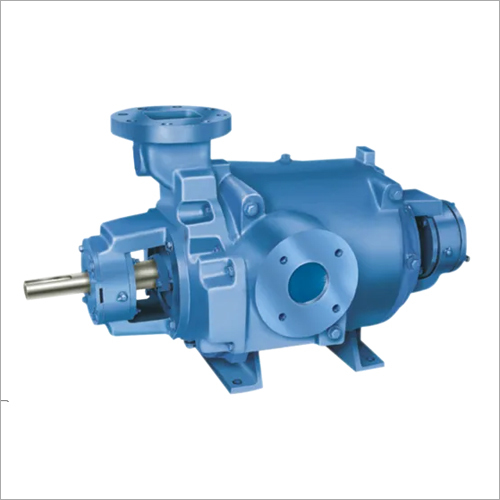
What Is the Impact of Altitude on Vacuum Pump Performance?
The performance of vacuum pumps can be influenced by the altitude at which they are operated. Here’s a detailed explanation:
Altitude refers to the elevation or height above sea level. As the altitude increases, the atmospheric pressure decreases. This decrease in atmospheric pressure can have several effects on the performance of vacuum pumps:
1. Reduced Suction Capacity: Vacuum pumps rely on the pressure differential between the suction side and the discharge side to create a vacuum. At higher altitudes, where the atmospheric pressure is lower, the pressure differential available for the pump to work against is reduced. This can result in a decrease in the suction capacity of the vacuum pump, meaning it may not be able to achieve the same level of vacuum as it would at lower altitudes.
2. Lower Ultimate Vacuum Level: The ultimate vacuum level, which represents the lowest pressure that a vacuum pump can achieve, is also affected by altitude. As the atmospheric pressure decreases with increasing altitude, the ultimate vacuum level that can be attained by a vacuum pump is limited. The pump may struggle to reach the same level of vacuum as it would at sea level or lower altitudes.
3. Pumping Speed: Pumping speed is a measure of how quickly a vacuum pump can remove gases from a system. At higher altitudes, the reduced atmospheric pressure can lead to a decrease in pumping speed. This means that the vacuum pump may take longer to evacuate a chamber or system to the desired vacuum level.
4. Increased Power Consumption: To compensate for the decreased pressure differential and achieve the desired vacuum level, a vacuum pump operating at higher altitudes may require higher power consumption. The pump needs to work harder to overcome the lower atmospheric pressure and maintain the necessary suction capacity. This increased power consumption can impact energy efficiency and operating costs.
5. Efficiency and Performance Variations: Different types of vacuum pumps may exhibit varying degrees of sensitivity to altitude. Oil-sealed rotary vane pumps, for example, may experience more significant performance variations compared to dry pumps or other pump technologies. The design and operating principles of the vacuum pump can influence its ability to maintain performance at higher altitudes.
It’s important to note that vacuum pump manufacturers typically provide specifications and performance curves for their pumps based on standardized conditions, often at or near sea level. When operating a vacuum pump at higher altitudes, it is advisable to consult the manufacturer’s guidelines and consider any altitude-related limitations or adjustments that may be necessary.
In summary, the altitude at which a vacuum pump operates can have an impact on its performance. The reduced atmospheric pressure at higher altitudes can result in decreased suction capacity, lower ultimate vacuum levels, reduced pumping speed, and potentially increased power consumption. Understanding these effects is crucial for selecting and operating vacuum pumps effectively in different altitude environments.
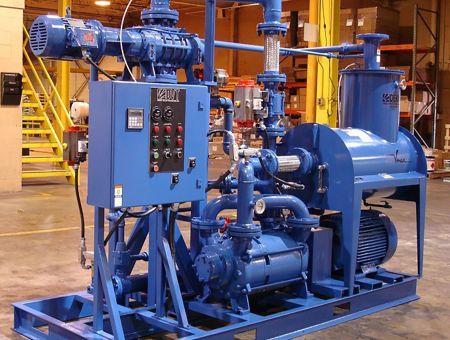
Considerations for Selecting a Vacuum Pump for Cleanroom Applications
When it comes to selecting a vacuum pump for cleanroom applications, several considerations should be taken into account. Here’s a detailed explanation:
Cleanrooms are controlled environments used in industries such as semiconductor manufacturing, pharmaceuticals, biotechnology, and microelectronics. These environments require strict adherence to cleanliness and particle control standards to prevent contamination of sensitive processes or products. Selecting the right vacuum pump for cleanroom applications is crucial to maintain the required level of cleanliness and minimize the introduction of contaminants. Here are some key considerations:
1. Cleanliness: The cleanliness of the vacuum pump is of utmost importance in cleanroom applications. The pump should be designed and constructed to minimize the generation and release of particles, oil vapors, or other contaminants into the cleanroom environment. Oil-free or dry vacuum pumps are commonly preferred in cleanroom applications as they eliminate the risk of oil contamination. Additionally, pumps with smooth surfaces and minimal crevices are easier to clean and maintain, reducing the potential for particle buildup.
2. Outgassing: Outgassing refers to the release of gases or vapors from the surfaces of materials, including the vacuum pump itself. In cleanroom applications, it is crucial to select a vacuum pump with low outgassing characteristics to prevent the introduction of contaminants into the environment. Vacuum pumps specifically designed for cleanroom use often undergo special treatments or use materials with low outgassing properties to minimize this effect.
3. Particle Generation: Vacuum pumps can generate particles due to the friction and wear of moving parts, such as rotors or vanes. These particles can become a source of contamination in cleanrooms. When selecting a vacuum pump for cleanroom applications, it is essential to consider the pump’s particle generation level and choose pumps that have been designed and tested to minimize particle emissions. Pumps with features like self-lubricating materials or advanced sealing mechanisms can help reduce particle generation.
4. Filtration and Exhaust Systems: The filtration and exhaust systems associated with the vacuum pump are critical for maintaining cleanroom standards. The vacuum pump should be equipped with efficient filters that can capture and remove any particles or contaminants generated during operation. High-quality filters, such as HEPA (High-Efficiency Particulate Air) filters, can effectively trap even the smallest particles. The exhaust system should be properly designed to ensure that filtered air is released outside the cleanroom or passes through additional filtration before being reintroduced into the environment.
5. Noise and Vibrations: Noise and vibrations generated by vacuum pumps can have an impact on cleanroom operations. Excessive noise can affect the working environment and compromise communication, while vibrations can potentially disrupt sensitive processes or equipment. It is advisable to choose vacuum pumps specifically designed for quiet operation and that incorporate measures to minimize vibrations. Pumps with noise-dampening features and vibration isolation systems can help maintain a quiet and stable cleanroom environment.
6. Compliance with Standards: Cleanroom applications often have specific industry standards or regulations that must be followed. When selecting a vacuum pump, it is important to ensure that it complies with relevant cleanroom standards and requirements. Considerations may include ISO cleanliness standards, cleanroom classification levels, and industry-specific guidelines for particle count, outgassing levels, or allowable noise levels. Manufacturers that provide documentation and certifications related to cleanroom suitability can help demonstrate compliance.
7. Maintenance and Serviceability: Proper maintenance and regular servicing of vacuum pumps are essential for their reliable and efficient operation. When choosing a vacuum pump for cleanroom applications, consider factors such as ease of maintenance, availability of spare parts, and access to service and support from the manufacturer. Pumps with user-friendly maintenance features, clear service instructions, and a responsive customer support network can help minimize downtime and ensure continued cleanroom performance.
In summary, selecting a vacuum pump for cleanroom applications requires careful consideration of factors such as cleanliness, outgassing characteristics, particle generation, filtration and exhaust systems, noise and vibrations, compliance with standards, and maintenance requirements. By choosing vacuum pumps designed specifically for cleanroom use and considering these key factors, cleanroom operators can maintain the required level of cleanliness and minimize the risk of contamination in their critical processes and products.
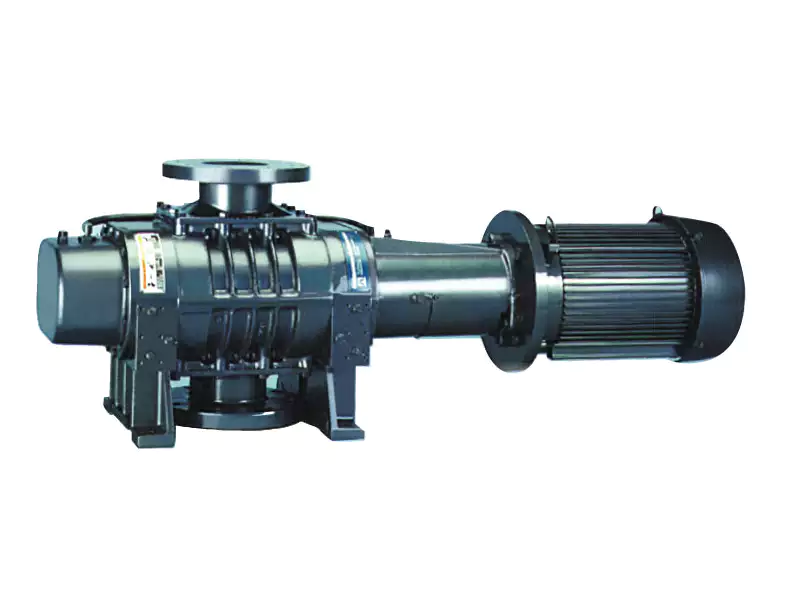
Can Vacuum Pumps Be Used in the Medical Field?
Yes, vacuum pumps have a wide range of applications in the medical field. Here’s a detailed explanation:
Vacuum pumps play a crucial role in various medical applications, providing suction or creating controlled vacuum environments. Here are some key areas where vacuum pumps are used in the medical field:
1. Negative Pressure Wound Therapy (NPWT):
Vacuum pumps are extensively utilized in negative pressure wound therapy, a technique used to promote wound healing. In NPWT, a vacuum pump creates a controlled low-pressure environment within a wound dressing, facilitating the removal of excess fluid, promoting blood flow, and accelerating the healing process.
2. Surgical Suction:
Vacuum pumps are an integral part of surgical suction systems. They provide the necessary suction force to remove fluids, gases, or debris from the surgical site during procedures. Surgical suction helps maintain a clear field of view for surgeons, enhances tissue visualization, and contributes to a sterile operating environment.
3. Anesthesia:
In anesthesia machines, vacuum pumps are used to create suction for various purposes:
– Airway Suction: Vacuum pumps assist in airway suctioning to clear secretions or obstructions from the patient’s airway during anesthesia or emergency situations.
– Evacuation of Gases: Vacuum pumps aid in removing exhaled gases from the patient’s breathing circuit, ensuring the delivery of fresh gas mixtures and maintaining appropriate anesthesia levels.
4. Laboratory Equipment:
Vacuum pumps are essential components in various medical laboratory equipment:
– Vacuum Ovens: Vacuum pumps are used in vacuum drying ovens, which are utilized for controlled drying or heat treatment of sensitive materials, samples, or laboratory glassware.
– Centrifugal Concentrators: Vacuum pumps are employed in centrifugal concentrators to facilitate the concentration or dehydration of biological samples, such as DNA, proteins, or viruses.
– Freeze Dryers: Vacuum pumps play a vital role in freeze-drying processes, where samples are frozen and then subjected to vacuum conditions to remove water via sublimation, preserving the sample’s structure and integrity.
5. Medical Suction Devices:
Vacuum pumps are utilized in standalone medical suction devices, commonly found in hospitals, clinics, and emergency settings. These devices create suction required for various medical procedures, including:
– Suctioning of Respiratory Secretions: Vacuum pumps assist in removing respiratory secretions or excess fluids from the airways of patients who have difficulty coughing or clearing their airways effectively.
– Thoracic Drainage: Vacuum pumps are used in chest drainage systems to evacuate air or fluid from the pleural cavity, helping in the treatment of conditions such as pneumothorax or pleural effusion.
– Obstetrics and Gynecology: Vacuum pumps are employed in devices used for vacuum-assisted deliveries, such as vacuum extractors, to aid in the safe delivery of babies during childbirth.
6. Blood Collection and Processing:
Vacuum pumps are utilized in blood collection systems and blood processing equipment:
– Blood Collection Tubes: Vacuum pumps are responsible for creating the vacuum inside blood collection tubes, facilitating the collection of blood samples for diagnostic testing.
– Blood Separation and Centrifugation: In blood processing equipment, vacuum pumps assist in the separation of blood components, such as red blood cells, plasma, and platelets, for various medical procedures and treatments.
7. Medical Imaging:
Vacuum pumps are used in certain medical imaging techniques:
– Electron Microscopy: Electron microscopes, including scanning electron microscopes and transmission electron microscopes, require a vacuum environment for high-resolution imaging. Vacuum pumps are employed to maintain the necessary vacuum conditions within the microscope chambers.
These are just a few examples of the wide-ranging applications of vacuum pumps in the medical field. Their ability to create suction and controlled vacuum environments makes them indispensable in medical procedures, wound healing, laboratory processes, anesthesia, and various other medical applications.


editor by CX 2024-04-15