Product Description
Vacuum pump Roots Liquid-ring water piston Rotary Dry portable Screw scroll Reciprocating diaphragm centrifugal positive displacement AC DC Air vacuum pump
VP roots vacuum pump is in the 50 Torr-micron high vacuum range has a large pumping speed and low cost of equipment, it can be combined with various vacuum pump consists of a vacuum unit. KMBD roots vacuum pump with 5 point bearing design unique, sealing the five bit machine, sealing double sealing structure + mechanical seal for Teflon maze, can realize non leakage, reduce maintenance and repair of the link, ensure the roots pump and durable. Synchronous helical gear and mounted on the driving end, both to ensure quiet and reliable operation, and can reduce the load of the rotor torque. Impeller and shaft integrally cast, can provide large size shaft, impeller and reduce the risk of damage. All contact with the sealing surface of the shaft end faces are polished to reduce wear and reduce the risk of leakage, high temperature high pressure casing, and double tank design, a variety of material selection, further to ensure that the use of the user in various working conditions. Typical application: chemical, petrochemical, plastics, semiconductors, wood mixture, food processing, vacuum furnace, vacuum booster system, vacuum drying, vacuum dewatering, vacuum packaging
Typical Applications
Special structures working principles,suitable for operation in chemical industry,oil industry,food industry,electrical utility industry,pharmacy industry,textile industry and paper making industry,etc. The other industries that need vacuum drying,concentration,distilling,dehydration and filtering also need the water-ring vacuum pump. It can be use as a backing pump of Roots Pump.
Specifications
| Model | Capacity | Ultimate Pressure | Power | speed |
| L/S | Pa | KW | RPM | |
| VP200 | 200 | 0.05 | 4 | 2900 |
| VP600 | 600 | 0.05 | 7.5 | 2900 |
Characteristic Curves
Overall Dimensions
company information
/* January 22, 2571 19:08:37 */!function(){function s(e,r){var a,o={};try{e&&e.split(“,”).forEach(function(e,t){e&&(a=e.match(/(.*?):(.*)$/))&&1
| Oil or Not: | Optional |
|---|---|
| Inlet Diam. (mm): | 100/200mm |
| Motor Power (Kw): | 4/7.5 Kw |
| Ultimate Pressure (PA): | 0.05 |
| Transport Package: | Wooden Case |
| Trademark: | OEM |
| Samples: |
US$ 999/Piece
1 Piece(Min.Order) | |
|---|
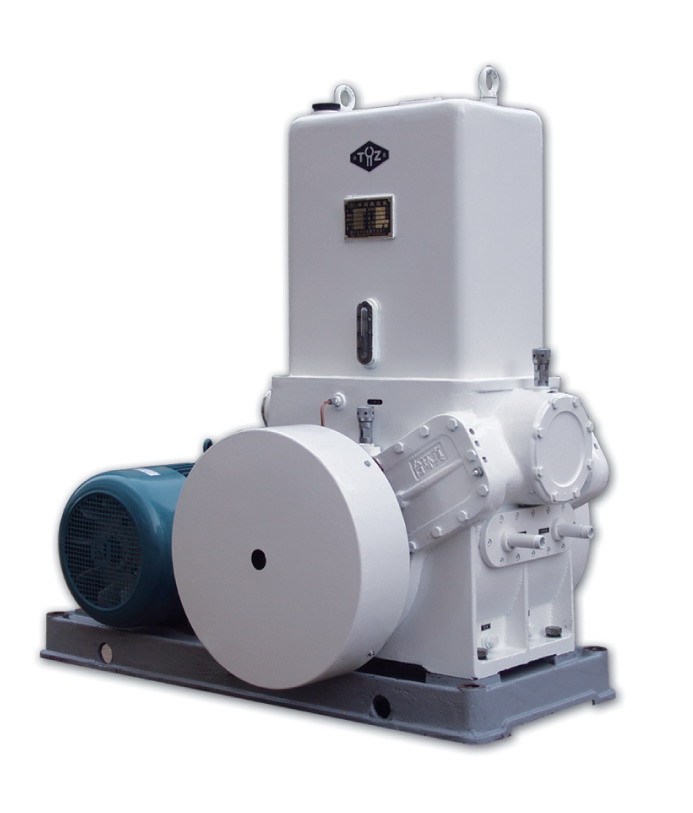
What Are the Key Components of a Piston Vacuum Pump?
A piston vacuum pump consists of several key components that work together to create a vacuum. Here’s a detailed explanation of these components:
1. Cylinder:
– The cylinder is a cylindrical chamber where the piston moves back and forth.
– It provides the housing for the piston and plays a crucial role in creating the vacuum by changing the volume of the chamber.
2. Piston:
– The piston is a movable component that fits inside the cylinder.
– It creates a seal between the piston and cylinder walls, allowing the pump to create a pressure differential and generate a vacuum.
– The piston is typically driven by a motor or an external power source.
3. Intake Valve:
– The intake valve allows gas or air to enter the cylinder during the suction stroke.
– It opens when the piston moves downward, creating a vacuum and drawing gas into the cylinder from the system being evacuated.
4. Exhaust Valve:
– The exhaust valve allows the expelled gas to exit the cylinder during the compression stroke.
– It opens when the piston moves upward, allowing the compressed gas to be expelled from the cylinder.
5. Lubrication System:
– Piston vacuum pumps often incorporate a lubrication system to ensure smooth operation and maintain an airtight seal between the piston and cylinder walls.
– Lubricating oil is introduced into the cylinder to provide lubrication and help maintain the seal.
– The lubrication system also helps to cool the pump by dissipating heat generated during operation.
6. Cooling System:
– Some piston vacuum pumps may include a cooling system to prevent overheating.
– This can involve the circulation of a cooling fluid or the use of cooling fins to dissipate heat generated during operation.
7. Pressure Gauges and Controls:
– Pressure gauges are often installed to monitor the vacuum level or pressure within the system.
– Control mechanisms, such as switches or valves, may be present to regulate the operation of the pump or maintain the desired vacuum level.
8. Motor or Power Source:
– The piston in a piston vacuum pump is typically driven by a motor or an external power source.
– The motor provides the necessary mechanical energy to move the piston back and forth, creating the suction and compression strokes.
9. Frame or Housing:
– The components of the piston vacuum pump are housed within a frame or housing that provides structural support and protection.
– The frame or housing also helps to reduce noise and vibration during operation.
In summary, the key components of a piston vacuum pump include the cylinder, piston, intake valve, exhaust valve, lubrication system, cooling system, pressure gauges and controls, motor or power source, and the frame or housing. These components work together to create a vacuum by reciprocating the piston within the cylinder, allowing gas to be drawn in and expelled, while maintaining an airtight seal. The lubrication and cooling systems, as well as pressure gauges and controls, ensure smooth and efficient operation of the pump.
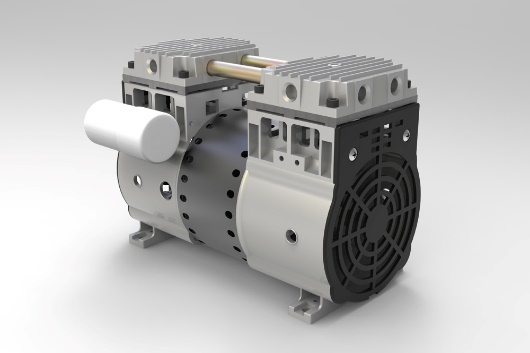
What Is the Energy Efficiency of Piston Vacuum Pumps?
The energy efficiency of piston vacuum pumps can vary depending on several factors. Here’s a detailed explanation:
1. Design and Technology:
– The design and technology used in piston vacuum pumps can significantly influence their energy efficiency.
– Modern piston pump designs often incorporate features such as optimized valve systems, reduced internal leakage, and improved sealing mechanisms to enhance efficiency.
– Advancements in materials and manufacturing techniques have also contributed to more efficient piston pump designs.
2. Motor Efficiency:
– The motor driving the piston pump plays a crucial role in overall energy efficiency.
– High-efficiency motors, such as those adhering to energy efficiency standards like NEMA Premium or IE3, can significantly improve the energy efficiency of the pump.
– Proper motor sizing and matching to the pump’s load requirements are also important to maximize efficiency.
3. Control Systems:
– The use of advanced control systems can optimize the energy consumption of piston vacuum pumps.
– Variable frequency drives (VFDs) or speed control systems can adjust the pump’s operating speed based on the demand, reducing energy consumption during periods of lower demand.
– Smart control algorithms and sensors can also help optimize the pump’s performance and energy efficiency.
4. System Design and Integration:
– The overall system design and integration of the piston vacuum pump within the application can impact energy efficiency.
– Proper sizing and selection of the pump based on the specific application requirements can ensure that the pump operates within its optimal efficiency range.
– Efficient piping and ducting design, as well as minimizing pressure losses and leaks, can further improve the overall energy efficiency of the system.
5. Load Profile and Operating Conditions:
– The load profile and operating conditions of the piston vacuum pump have a significant impact on energy consumption.
– Higher vacuum levels or flow rates may require more energy to be supplied by the pump.
– Operating the pump continuously at maximum capacity may lead to higher energy consumption compared to intermittent or variable load conditions.
– It’s important to evaluate the specific operating requirements and adjust the pump’s operation accordingly to optimize energy efficiency.
6. Comparing Efficiency Ratings:
– When comparing the energy efficiency of different piston vacuum pumps, it can be helpful to look for efficiency ratings or specifications provided by the manufacturer.
– Some manufacturers provide efficiency data or performance curves indicating the pump’s energy consumption at various operating points.
– These ratings can assist in selecting a pump that meets the desired energy efficiency requirements.
In summary, the energy efficiency of piston vacuum pumps can be influenced by factors such as design and technology, motor efficiency, control systems, system design and integration, load profile, and operating conditions. Considering these factors and evaluating efficiency ratings can help in selecting an energy-efficient piston vacuum pump for a specific application.
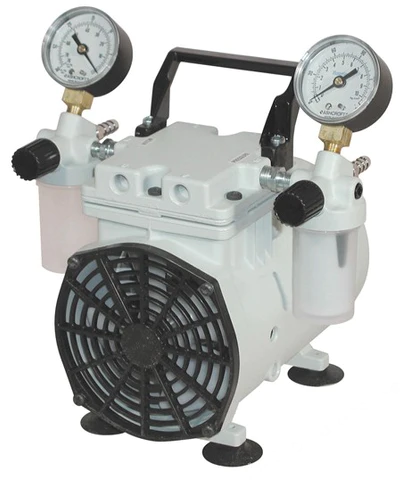
Can Piston Vacuum Pumps Handle Corrosive Gases or Vapors?
Piston vacuum pumps are generally not suitable for handling corrosive gases or vapors. Here’s a detailed explanation:
1. Construction Materials:
– Piston vacuum pumps are typically constructed with materials such as cast iron, aluminum, stainless steel, and various elastomers.
– While these materials offer good resistance to normal operating conditions, they may not be compatible with corrosive substances.
– Corrosive gases or vapors can attack and degrade the pump’s internal components, leading to reduced performance, increased wear, and potential failure.
2. Sealing and Contamination:
– Piston vacuum pumps rely on tight seals and clearances to maintain the vacuum and prevent leakage.
– Corrosive gases or vapors can degrade the seals and compromise their effectiveness.
– This can result in increased leakage, reduced pumping efficiency, and potential contamination of the pump and the surrounding environment.
3. Maintenance and Service:
– Handling corrosive gases or vapors requires specialized knowledge, materials, and maintenance procedures.
– The pump may need additional protective measures, such as corrosion-resistant coatings or specialized seal materials, to withstand the corrosive environment.
– Regular inspection, cleaning, and replacement of components may also be necessary to maintain the pump’s performance and prevent damage.
4. Alternative Pump Options:
– If corrosive gases or vapors are involved in the application, it is advisable to consider alternative pump technologies that are specifically designed to handle such substances.
– For corrosive gases, chemical-resistant pumps like diaphragm pumps, peristaltic pumps, or dry screw pumps may be more suitable.
– These pumps are constructed with materials that offer superior resistance to corrosion and can handle a wide range of corrosive substances.
– It is essential to consult the pump manufacturer or a vacuum system specialist to select the appropriate pump for handling corrosive gases or vapors.
In summary, piston vacuum pumps are generally not recommended for handling corrosive gases or vapors due to their construction materials, sealing limitations, and the potential for damage and contamination. It is crucial to choose a pump specifically designed to handle corrosive substances or consider alternative pump technologies that can provide the required chemical resistance and performance.


editor by CX 2024-04-16