Product Description
Heavy Duty Reciprocating Pumps with Vacuum Jacketed Cold End Liquid Oxygen Pump Hydrogen Fueling Station
Cryogenic Liquid Oxygen Nitrogen Argon Gas Cylinder Filling Station Skid Pumps: workshop
Our factory is a technology enterprise specialized in R&D,manufacture various of air separation plant and cryogenic application equipment. Our company always insists on taking the technology as the motility, emphasizing technique and products innovation, cooperating with many scientific and research institutes, academic schools which are in the same industry range with us. It has more than 40 years of experience in research and development, design and manufacture of cryogenic products and equipment. The company has strong technical strength and has a number of national patents. Our factory passed the ISO9001:2571 quality management system certification/CE certification and obtained a number of national invention patents. Our main products:
- LNG/LCNG Gas Refueling Station
- Hydrogen Refueling Station
- Cryogenic Liquid Gas Filling Skid
- Cryogenic Liquid Pump
- Air Ambient Vaporizer
- Water Bath Vaporizer
Now our company’s cryogenic products has been exported to America, Italy, Xihu (West Lake) Dis.via, Thailand, Egypt, India, Middle East, Africa and so on.
Cryogenic Liquid Oxygen Nitrogen Argon Gas Cylinder Filling Station Skid Pumps: processing center
Cryogenic Liquid Oxygen Nitrogen Argon Gas Cylinder Filling Station Skid Pumps:cryogenic pumps spare parts
Cryogenic Liquid Oxygen Nitrogen Argon Gas Cylinder Filling Station Skid Pumps:cryogenic pump high pressure
The high pressure cryogenic pump is mainly used in various well cementing, acidification, well repair, well washing operation, well cutting operation, well head decompression and oil recovery and food industry of oil field, carbon dioxide huff and puff and food industry, supercritical extraction chemical industry, plastic foam molding, high pressure pipeline pressure test, high pressure container filling and so on.
| Name | Ultra High Pressure Cryogenic Pump |
Larger Flow Cryogenic Liquid Pump |
| Working Medium | LO2/LN2/LAr/LCO2/LNG/H2O | LO2/LN2/LAr/LH2/LCO2/LC2H4/NH3/PVDF/CH3/LN2O |
| Flow | 10-10000L/H | 15000-60000L/H |
| Inlet Pressure(Mpa) | 0.02-1.6Mpa | |
| Outlet Pressure(Mpa) | 25-100Mpa | 1.6-5.0Mpa |
| Operation Conditions | Airspace filed/Oil Field | Medical and chemical industry/Loading and unloading vehicle/ship/truck/boat |
Cryogenic Liquid Oxygen Nitrogen Argon Gas Cylinder Filling Station Skid Pumps: cryogenic pumps skid drawing
Cryogenic Liquid Oxygen Nitrogen Argon Gas Cylinder Filling Station Skid Pumps: export to Euro
Cryogenic Liquid Oxygen Nitrogen Argon Gas Cylinder Filling Station Skid Pumps: export to Indonesia for oil pipeline testing
Cryogenic Liquid Oxygen Nitrogen Argon Gas Cylinder Filling Station Skid Pumps:70Mpa liquid nitorgen pump skid for oil industrial
Cryogenic Liquid Oxygen Nitrogen Argon Gas Cylinder Filling Station Skid Pumps: LNG refuel station pumps
Liquid Oxygen Nitrogen Argon LNG Air Ambient Vaporizer
The air ambient vaporizer designed by our company is a new generation of heat exchanger with high efficiency, environmental protection and energy saving by heating the low temperature liquid in the heat exchange tube by using the natural convection air in the atomsphere. The perfect design and strict production control make the air temperature carburettor have enough gasification capacity and can operate normally in the cold northeast China. In a certain condition, it can run continuously without interruption.
Cryogenic Liquid Oxygen Nitrogen Argon Gas Cylinder Filling Station Skid Pumps: air heated vaporizer
Cryogenic Liquid Oxygen Nitrogen Argon Gas Cylinder Filling Station Skid Pumps: hydrogen pump skid
Welcome all the customers to visit our factory and cryogenic products production line working site.
/* January 22, 2571 19:08:37 */!function(){function s(e,r){var a,o={};try{e&&e.split(“,”).forEach(function(e,t){e&&(a=e.match(/(.*?):(.*)$/))&&1
| Usage: | Hydrogen, Nitrogen, Oxygen, Ozone, CO2/Argon/LNG |
|---|---|
| Purpose: | Gas Manufacturing |
| Parts: | Filters |
| Customization: |
Available
|
|
|---|
.shipping-cost-tm .tm-status-off{background: none;padding:0;color: #1470cc}
| Shipping Cost:
Estimated freight per unit. |
about shipping cost and estimated delivery time. |
|---|
| Payment Method: |
|
|---|---|
|
Initial Payment Full Payment |
| Currency: | US$ |
|---|
| Return&refunds: | You can apply for a refund up to 30 days after receipt of the products. |
|---|
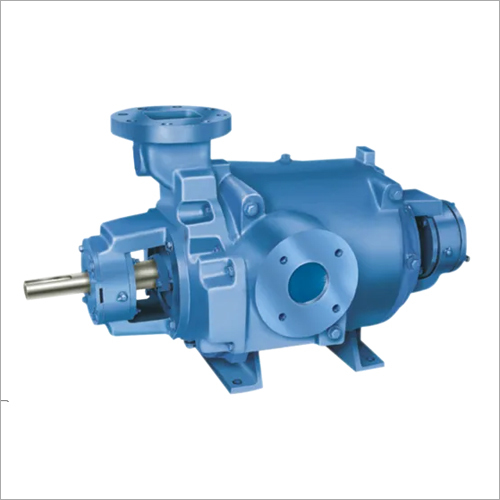
What Is the Impact of Altitude on Vacuum Pump Performance?
The performance of vacuum pumps can be influenced by the altitude at which they are operated. Here’s a detailed explanation:
Altitude refers to the elevation or height above sea level. As the altitude increases, the atmospheric pressure decreases. This decrease in atmospheric pressure can have several effects on the performance of vacuum pumps:
1. Reduced Suction Capacity: Vacuum pumps rely on the pressure differential between the suction side and the discharge side to create a vacuum. At higher altitudes, where the atmospheric pressure is lower, the pressure differential available for the pump to work against is reduced. This can result in a decrease in the suction capacity of the vacuum pump, meaning it may not be able to achieve the same level of vacuum as it would at lower altitudes.
2. Lower Ultimate Vacuum Level: The ultimate vacuum level, which represents the lowest pressure that a vacuum pump can achieve, is also affected by altitude. As the atmospheric pressure decreases with increasing altitude, the ultimate vacuum level that can be attained by a vacuum pump is limited. The pump may struggle to reach the same level of vacuum as it would at sea level or lower altitudes.
3. Pumping Speed: Pumping speed is a measure of how quickly a vacuum pump can remove gases from a system. At higher altitudes, the reduced atmospheric pressure can lead to a decrease in pumping speed. This means that the vacuum pump may take longer to evacuate a chamber or system to the desired vacuum level.
4. Increased Power Consumption: To compensate for the decreased pressure differential and achieve the desired vacuum level, a vacuum pump operating at higher altitudes may require higher power consumption. The pump needs to work harder to overcome the lower atmospheric pressure and maintain the necessary suction capacity. This increased power consumption can impact energy efficiency and operating costs.
5. Efficiency and Performance Variations: Different types of vacuum pumps may exhibit varying degrees of sensitivity to altitude. Oil-sealed rotary vane pumps, for example, may experience more significant performance variations compared to dry pumps or other pump technologies. The design and operating principles of the vacuum pump can influence its ability to maintain performance at higher altitudes.
It’s important to note that vacuum pump manufacturers typically provide specifications and performance curves for their pumps based on standardized conditions, often at or near sea level. When operating a vacuum pump at higher altitudes, it is advisable to consult the manufacturer’s guidelines and consider any altitude-related limitations or adjustments that may be necessary.
In summary, the altitude at which a vacuum pump operates can have an impact on its performance. The reduced atmospheric pressure at higher altitudes can result in decreased suction capacity, lower ultimate vacuum levels, reduced pumping speed, and potentially increased power consumption. Understanding these effects is crucial for selecting and operating vacuum pumps effectively in different altitude environments.
How Do Vacuum Pumps Contribute to Energy Savings?
Vacuum pumps play a significant role in energy savings in various industries and applications. Here’s a detailed explanation:
Vacuum pumps contribute to energy savings through several mechanisms and efficiencies. Some of the key ways in which vacuum pumps help conserve energy are:
1. Improved Process Efficiency: Vacuum pumps are often used to remove gases and create low-pressure or vacuum conditions in industrial processes. By reducing the pressure, vacuum pumps enable the removal of unwanted gases or vapors, improving the efficiency of the process. For example, in distillation or evaporation processes, vacuum pumps help lower the boiling points of liquids, allowing them to evaporate or distill at lower temperatures. This results in energy savings as less heat is required to achieve the desired separation or concentration.
2. Reduced Energy Consumption: Vacuum pumps are designed to operate efficiently and consume less energy compared to other types of equipment that perform similar functions. Modern vacuum pump designs incorporate advanced technologies, such as variable speed drives, energy-efficient motors, and optimized control systems. These features allow vacuum pumps to adjust their operation based on demand, reducing energy consumption during periods of lower process requirements. By consuming less energy, vacuum pumps contribute to overall energy savings in industrial operations.
3. Leak Detection and Reduction: Vacuum pumps are often used in leak detection processes to identify and locate leaks in systems or equipment. By creating a vacuum or low-pressure environment, vacuum pumps can assess the integrity of a system and identify any sources of leakage. Detecting and repairing leaks promptly helps prevent energy wastage associated with the loss of pressurized fluids or gases. By addressing leaks, vacuum pumps assist in reducing energy losses and improving the overall energy efficiency of the system.
4. Energy Recovery Systems: In some applications, vacuum pumps can be integrated into energy recovery systems. For instance, in certain manufacturing processes, the exhaust gases from vacuum pumps may contain heat or have the potential for energy recovery. By utilizing heat exchangers or other heat recovery systems, the thermal energy from the exhaust gases can be captured and reused to preheat incoming fluids or provide heat to other parts of the process. This energy recovery approach further enhances the overall energy efficiency by utilizing waste heat that would otherwise be lost.
5. System Optimization and Control: Vacuum pumps are often integrated into centralized vacuum systems that serve multiple processes or equipment. These systems allow for better control, monitoring, and optimization of the vacuum generation and distribution. By centralizing the vacuum production and employing intelligent control strategies, energy consumption can be optimized based on the specific process requirements. This ensures that vacuum pumps operate at the most efficient levels, resulting in energy savings.
6. Maintenance and Service: Proper maintenance and regular servicing of vacuum pumps are essential for their optimal performance and energy efficiency. Routine maintenance includes tasks such as cleaning, lubrication, and inspection of pump components. Well-maintained pumps operate more efficiently, reducing energy consumption. Additionally, prompt repair of any faulty parts or addressing performance issues helps maintain the pump’s efficiency and prevents energy waste.
In summary, vacuum pumps contribute to energy savings through improved process efficiency, reduced energy consumption, leak detection and reduction, integration with energy recovery systems, system optimization and control, as well as proper maintenance and service. By utilizing vacuum pumps efficiently and effectively, industries can minimize energy waste, optimize energy usage, and achieve significant energy savings in various applications and processes.
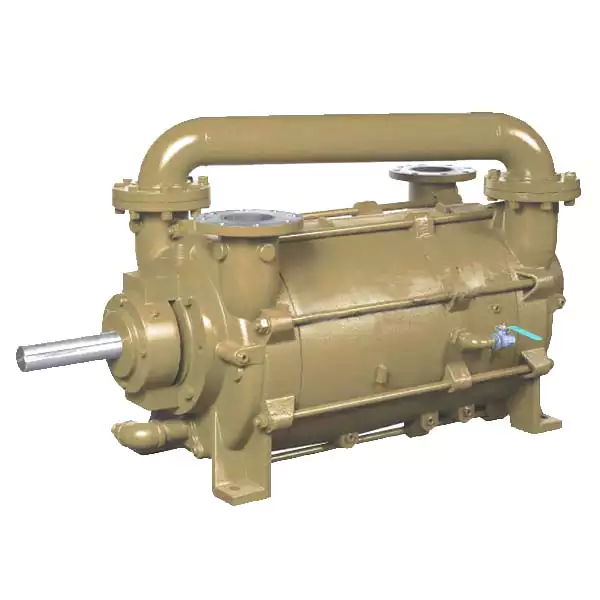
What Is a Vacuum Pump, and How Does It Work?
A vacuum pump is a mechanical device used to create and maintain a vacuum or low-pressure environment within a closed system. Here’s a detailed explanation:
A vacuum pump operates on the principle of removing gas molecules from a sealed chamber, reducing the pressure inside the chamber to create a vacuum. The pump accomplishes this through various mechanisms and techniques, depending on the specific type of vacuum pump. Here are the basic steps involved in the operation of a vacuum pump:
1. Sealed Chamber:
The vacuum pump is connected to a sealed chamber or system from which air or gas molecules need to be evacuated. The chamber can be a container, a pipeline, or any other enclosed space.
2. Inlet and Outlet:
The vacuum pump has an inlet and an outlet. The inlet is connected to the sealed chamber, while the outlet may be vented to the atmosphere or connected to a collection system to capture or release the evacuated gas.
3. Mechanical Action:
The vacuum pump creates a mechanical action that removes gas molecules from the chamber. Different types of vacuum pumps use various mechanisms for this purpose:
– Positive Displacement Pumps: These pumps physically trap gas molecules and remove them from the chamber. Examples include rotary vane pumps, piston pumps, and diaphragm pumps.
– Momentum Transfer Pumps: These pumps use high-speed jets or rotating blades to transfer momentum to gas molecules, pushing them out of the chamber. Examples include turbomolecular pumps and diffusion pumps.
– Entrapment Pumps: These pumps capture gas molecules by adsorbing or condensing them on surfaces or in materials within the pump. Cryogenic pumps and ion pumps are examples of entrainment pumps.
4. Gas Evacuation:
As the vacuum pump operates, it creates a pressure differential between the chamber and the pump. This pressure differential causes gas molecules to move from the chamber to the pump’s inlet.
5. Exhaust or Collection:
Once the gas molecules are removed from the chamber, they are either exhausted into the atmosphere or collected and processed further, depending on the specific application.
6. Pressure Control:
Vacuum pumps often incorporate pressure control mechanisms to maintain the desired level of vacuum within the chamber. These mechanisms can include valves, regulators, or feedback systems that adjust the pump’s operation to achieve the desired pressure range.
7. Monitoring and Safety:
Vacuum pump systems may include sensors, gauges, or indicators to monitor the pressure levels, temperature, or other parameters. Safety features such as pressure relief valves or interlocks may also be included to protect the system and operators from overpressure or other hazardous conditions.
It’s important to note that different types of vacuum pumps have varying levels of vacuum they can achieve and are suitable for different pressure ranges and applications. The choice of vacuum pump depends on factors such as the required vacuum level, gas composition, pumping speed, and the specific application’s requirements.
In summary, a vacuum pump is a device that removes gas molecules from a sealed chamber, creating a vacuum or low-pressure environment. The pump accomplishes this through mechanical actions, such as positive displacement, momentum transfer, or entrapment. By creating a pressure differential, the pump evacuates gas from the chamber, and the gas is either exhausted or collected. Vacuum pumps play a crucial role in various industries, including manufacturing, research, and scientific applications.


editor by CX 2024-04-03