Product Description
COMPANY SHOW:
20 Years
ZiBoZhuoXin Pump Industry co,.Ltd is located in a century industrial city known as the Pump Capital of China—HangZhou city, ZheJiang Province. Has over 20 years’ experience of manufacturing vacuum pumps and 10+ years’ experience of exporting.
Various products
We can suppply all type of vacuum pumps and spare parts in China, 2BV/2BEA/2BEC/SK/2SK/JZJ2B/ etc, and other industrial machine;
24 Hours
Please do not hestiate to contact us if have any urgent matters, e ach of your inquiries will be taken into account and get our response within 24 hours.
Product Main feature:
JZJ2B Roots series water ring unit is consists of ZJ type roots pump as the main pump,2BV/2BE series of water ring pump or Roots-water ring unit as a fore pump pumping unit. It can be used to pumping gas in addition to, can also aspirate containing water, compared to organic solvent or a small amount of dust gas. And general mechanical vacuum pump, not afraid of oil pollution, not afraid of water, gas and dust, and compared with the general water ring vacuum pump, with vacuum high and pump speed characteristics under high vacuum condition.
Advantage:
Comparing with common liquid ring vacuum pump,the capacity to remain high pumping speed under high or ultimate vacuum degree becomes its main advantage. Except for normal gas suction, this system can also pump special gas with small amount of vapor or dust. Additionally, this system is free from oil pollution, as well as vapor and dust.
Since the 2BVC type of liquid ring pump has been adopted as its fore pump, and it is compact-designed with no air leakage and high protection level. Besides,our 2BV type is more anti corrosive than 2SKC type, because all 2BVC impellers are SS304 material.
Another note, the fore pump can be designed as a closed circulation system so to reduce the environment pollution greatly.
JZJ2B Series Roots Water Ring Vacuum Unit Technical Specifications:
|
||||||||||||||||||||||||||||||||||||||||||||||||||||||||||||||||||||||||||||||||||||||||||||||||||||||||||||||||||||||||||||||||||||||||||||||||||||||||||||||||||||||||||||||||||||||||||||||||||||||||||||||||||||||||||||||||||||||||||||||||||||||||||||||||||||||||||||||||||||||||||
Note:
Above are recommended models as per national standards. Since the suction pressure will be changed as per distinguished working condition, before model selection, the verifying calculation as per actual suction and discharging process, condensation situation of condensable gas, changing time for suction pressure is required. Or referring to the clients current system is also workable.
Please refer to instructions of each pump for technical parameter checking.
The max suction pressure means the pressure under which the main pump can work. Over this degree, the main pump will be result to overloaded.
FAQ
Q: What’s your MOQ?
A: One set;
Q: What are the causes of no flow or insufficient flow of centrifugal pump?
A: There is air in the suction pipe or pump, which needs to be discharged. Air leakage is found in the suction pipeline, and the leakage is repaired. If the valve of suction line or discharge line is closed, relevant valve shall be opened. If the suction height is too high, recalculate the installation height. The suction line is too small or blocked.
Q: How to resist cavitation in centrifugal pump?
A: Improve the structure design from the suction to the impeller of the centrifugal pump;Adopt double stage suction impeller and use anti-cavitation material;
Q:What is the function of rubber ball in water ring vacuum pump?
A: Rubber ball in water ring vacuum pump, the correct name is called rubber ball valve. Its role is to eliminate the pump equipment in the operation process of the phenomenon of over compression or insufficient compression.
Q:How long is warranty?
A:One year formain construction warranty.
Q:How can I pay for my items? What is the payment you can provide
A:Usually by T/T, 30%-50% deposit payment once PI/Contract confirmed, then the remaining balance will be paid after inspection and before shipment via T/T or L/C;
welcome client from home and abroad to contact us for future cooperation.
Detail size drawing and install drawing please contact our sales in charge to get;
key:nash/simense/refurish/vacuum pumps/HangZhou CZPT pump/ /* January 22, 2571 19:08:37 */!function(){function s(e,r){var a,o={};try{e&&e.split(“,”).forEach(function(e,t){e&&(a=e.match(/(.*?):(.*)$/))&&1
| Oil or Not: | Oil Free |
|---|---|
| Structure: | Rotary Vacuum Pump |
| Exhauster Method: | Positive Displacement Pump |
| Vacuum Degree: | High Vacuum |
| Work Function: | Mainsuction Pump |
| Working Conditions: | Wet |
| Samples: |
US$ 0/Piece
1 Piece(Min.Order) | |
|---|
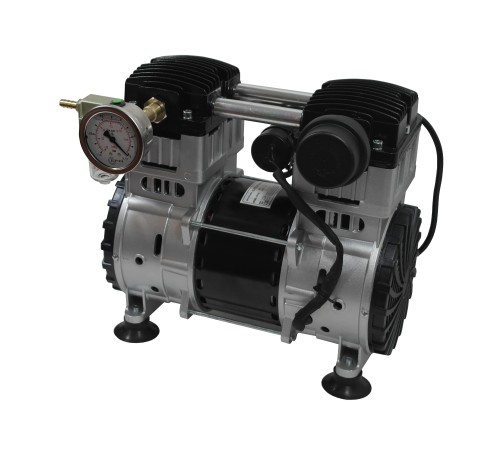
How Does Piston Displacement Affect the Pump’s Performance?
Piston displacement is a crucial factor that significantly affects the performance of a piston vacuum pump. Here’s a detailed explanation:
Piston displacement refers to the volume of gas or air that a piston vacuum pump can move during each stroke of the piston. It determines the pump’s capacity or flow rate, which is the amount of gas that the pump can evacuate per unit of time.
1. Flow Rate:
– The piston displacement directly influences the flow rate of the pump.
– A larger piston displacement corresponds to a higher flow rate, meaning the pump can evacuate a larger volume of gas per unit of time.
– Conversely, a smaller piston displacement results in a lower flow rate.
2. Pumping Speed:
– The pumping speed is a measure of how quickly a vacuum pump can remove gas molecules from a system.
– The piston displacement is directly related to the pumping speed of the pump.
– A larger piston displacement leads to a higher pumping speed, allowing for faster evacuation of the system.
– A smaller piston displacement results in a lower pumping speed, which may require more time to achieve the desired vacuum level.
3. Vacuum Level:
– The piston displacement indirectly affects the achievable vacuum level of the pump.
– A larger piston displacement can help reach lower pressures and achieve a deeper vacuum.
– However, it’s important to note that achieving a deep vacuum also depends on other factors such as the design of the pump, the quality of the seals, and the operating conditions.
4. Power Consumption:
– The piston displacement can impact the power consumption of the pump.
– A larger piston displacement typically requires more power to operate the pump due to the increased volume of gas being moved.
– Conversely, a smaller piston displacement may result in lower power consumption.
5. Size and Weight:
– The piston displacement affects the size and weight of the pump.
– A larger piston displacement generally requires a larger pump size and may increase the weight of the pump.
– On the other hand, a smaller piston displacement can result in a more compact and lightweight pump.
It’s important to select a piston vacuum pump with an appropriate piston displacement based on the specific application requirements.
In summary, the piston displacement of a vacuum pump directly influences its flow rate, pumping speed, achievable vacuum level, power consumption, and size. Understanding the relationship between piston displacement and pump performance is crucial in choosing the right pump for a given application.
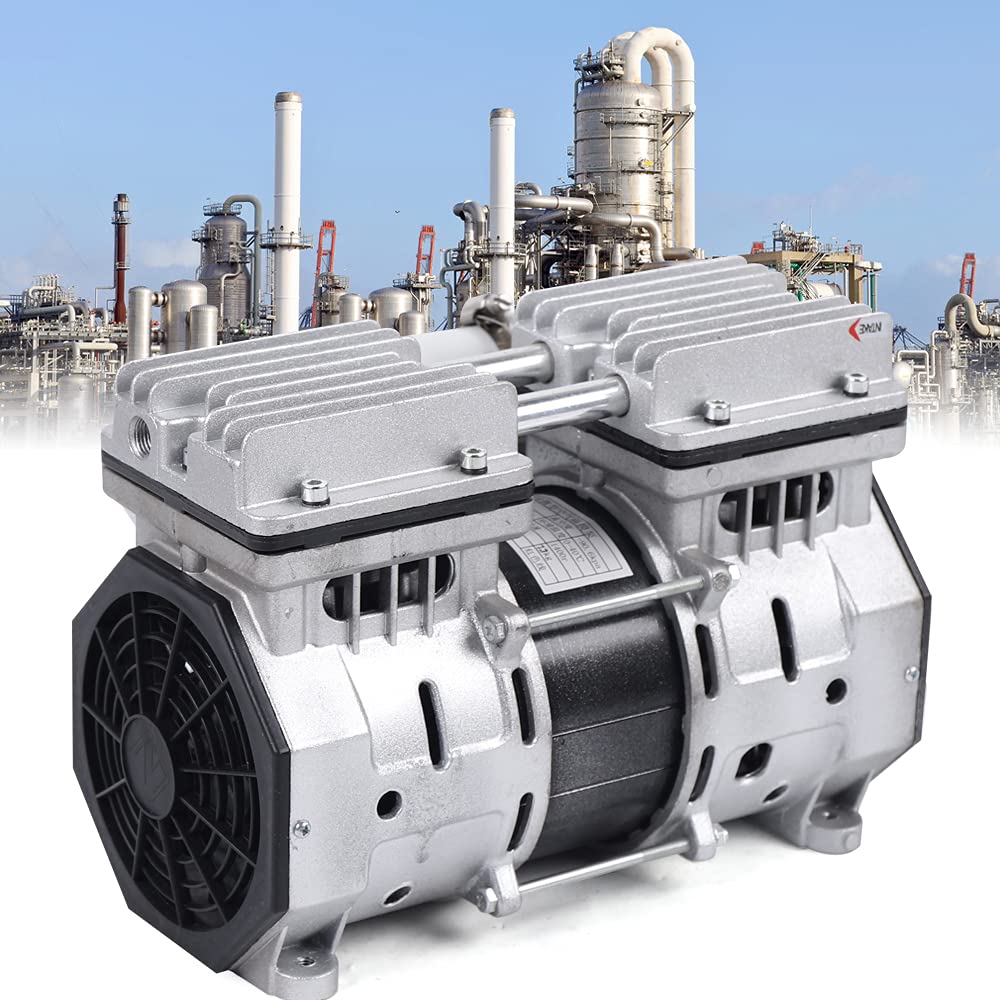
Can Piston Vacuum Pumps Be Used for Vacuum Drying Processes?
Yes, piston vacuum pumps can be used for vacuum drying processes. Here’s a detailed explanation:
1. Vacuum Drying Process:
– Vacuum drying is a process used to remove moisture or other volatile substances from a material or product by subjecting it to reduced pressure.
– The reduced pressure lowers the boiling point of the moisture, allowing it to evaporate at lower temperatures.
– Vacuum drying is commonly used in industries such as food processing, pharmaceuticals, ceramics, and electronics to dry heat-sensitive or delicate materials.
2. Vacuum Generation:
– Piston vacuum pumps are well-suited for generating the required vacuum levels for drying processes.
– These pumps create a vacuum by drawing air or gas out of the drying chamber, reducing the pressure inside.
– The piston inside the pump moves up and down, creating a pumping action that helps to evacuate the chamber and maintain the desired vacuum level.
3. Advantages of Piston Vacuum Pumps for Vacuum Drying:
– Piston vacuum pumps offer several advantages that make them suitable for vacuum drying processes:
– High Vacuum Levels: Piston pumps can achieve relatively high vacuum levels, allowing efficient moisture removal from the material being dried.
– Controllable Vacuum Levels: These pumps often have adjustable speed or flow rate controls, enabling precise control of the vacuum level during the drying process.
– Compatibility with Moisture-Laden Gases: Some drying processes involve the removal of moisture-laden gases. Piston pumps can handle these gases without significant performance degradation.
– Robustness and Reliability: Piston vacuum pumps are known for their robust construction and reliability, making them suitable for continuous or long-duration drying processes.
4. Considerations for Vacuum Drying:
– While piston vacuum pumps can be used for vacuum drying, there are a few considerations to keep in mind:
– Temperature Sensitivity: Some drying processes require low-temperature operation due to the sensitivity of the material being dried. It’s important to select a piston pump that can handle the desired temperature range.
– Moisture Compatibility: Depending on the drying process, the pump’s internal components may come into contact with moisture or other volatile substances. It’s essential to select a pump with suitable materials of construction that can withstand such conditions.
– Condensable Vapors: In vacuum drying processes, condensation of vapors can occur. It’s important to ensure that the piston pump is equipped with appropriate features or accessories, such as condensate traps or separators, to handle condensable vapors.
5. System Integration:
– Integrating the piston vacuum pump into the overall vacuum drying system requires consideration of factors such as proper sizing, sealing mechanisms, and connecting piping or hoses.
– It’s important to ensure compatibility and proper integration between the pump, drying chamber, and any additional equipment or controls used in the process.
In summary, piston vacuum pumps can be used effectively for vacuum drying processes. Their ability to generate high vacuum levels, controllability, compatibility with moisture-laden gases, and robustness make them suitable for a wide range of drying applications. However, it’s important to consider factors like temperature sensitivity, moisture compatibility, condensable vapors, and proper system integration to ensure successful and efficient vacuum drying operations.
What Is the Role of Lubrication in Piston Vacuum Pump Operation?
Lubrication plays a crucial role in the operation of a piston vacuum pump. Here’s a detailed explanation:
1. Reduction of Friction:
– Lubrication is essential for reducing friction between moving parts within the pump.
– In a piston vacuum pump, the piston moves up and down inside the cylinder, and lubrication helps to minimize the friction between the piston rings and the cylinder wall.
– By reducing friction, lubrication prevents excessive wear and heat generation, ensuring smooth and efficient operation of the pump.
2. Sealing and Leakage Prevention:
– Lubrication helps to maintain proper sealing between the piston rings and the cylinder wall.
– The lubricating oil forms a thin film between these surfaces, creating a barrier that prevents gas leakage during the compression and vacuum creation process.
– Effective sealing is crucial for maintaining the desired vacuum level and preventing air or gas from entering the pump.
3. Cooling and Heat Dissipation:
– Piston vacuum pumps generate heat during operation, particularly due to the compression of gases.
– Lubricating oil helps in dissipating the heat generated, preventing the pump from overheating.
– The oil absorbs heat from the pump’s internal components and transfers it to the pump’s housing or cooling system.
– Proper cooling and heat dissipation contribute to the pump’s overall performance and prevent damage due to excessive heat buildup.
4. Contaminant Removal:
– Lubrication also aids in removing contaminants or particles that may enter the pump.
– The oil acts as a carrier, trapping and carrying away small particles or debris that could potentially damage the pump’s components.
– The oil passes through filters that help to remove these contaminants, keeping the pump’s internal parts clean and functioning properly.
5. Corrosion Prevention:
– Some lubricating oils contain additives that provide corrosion protection.
– These additives form a protective film on the pump’s internal surfaces, preventing corrosion caused by exposure to moisture or corrosive gases.
– Corrosion prevention is crucial for maintaining the pump’s performance, extending its lifespan, and minimizing the need for repairs or component replacement.
6. Proper Lubrication Selection:
– Selecting the appropriate lubricating oil is essential for the proper functioning of a piston vacuum pump.
– Different pump models and manufacturers may recommend specific oil types or viscosities to ensure optimal performance and longevity.
– It is crucial to follow the manufacturer’s guidelines regarding oil selection, oil level, and oil change intervals.
In summary, lubrication plays a vital role in piston vacuum pump operation by reducing friction, maintaining proper sealing, dissipating heat, removing contaminants, and preventing corrosion. Proper lubrication selection and adherence to manufacturer’s guidelines are crucial for ensuring the pump’s efficient and reliable performance.


editor by CX 2024-03-20