Product Description
Introduction
Product Features
With ultra-low negative pressure design (-50mmHg to -450mmHg) which is continuously adjustable.
With super-smart design and multi operating mode which is more practical.
With stable performance and long life which can operate more than 10,000 hours continuously.
The elaborate designed muffler system controls running noise of the device in a very low range (less than 45 dB), which does not affect the patient’s rest.
With microcomputer chip controlled, it has high accuracy and user-friendly operation interface.
Its intelligent memory system can automatically record the parameters and modes in the last setup, free from repeatedly setting after each starting up.
LCD digital display makes it convenient for user to adjust and operate.
Multiple safety power supply solutions:
1 .It adopts AC/DC power supply with the host in use of full DC power, having no danger of electric shock;
2.lts built-in spare battery may still endure 4 hours after a power failure, while it can last 8 hours in intermittent mode;
3.A 12V 5A vehicle DC power supply can also be used to ensure the continuous treatment of patients with negative pressure suction unit, when being transferred or going out;
Equipped with overflow alarm device, the unit will automatically stop in service and alarm when the dirty liquid reaches the warning line, to prevent the solution into the host and to avoid secondary pollution and damage.
With the function of automatic gas-leak alarm, the unit will then spontaneously stop and alarm when the negative pressure value remains no change within 10 minutes after the operation.
Multiple safety protections: gas-leak alarm, automatic overheat prevention, overflow prevention, etc.
Product Property
Adjustable scope: lOmmHg
Negative pressure range: -50 mmHg -450 mmHg; pressure display error: +0.2%
Suction flow: 1.51 /min~ 8.0L /min
Intelligence Setup: multi operation setup, more practical
Noise:not more than 45Db
External power supply:
12V 5A DC switch power (medically certified); the host, DC powered, has no risk of electric shock
Operation status:continuous and intermit-10t
multiple safety protections:
leakage alarm; automatic heat
dissipation while overheated,
anti-overflow protection
Scope of Application:
Suitable of acute wound,chronic diabetic wound and wound drainage of more exudate after surgery.
Contraindications:
Debridement undone or wound with the necrotic eschar; Wound with tumor tissue;Sinus connected with the organs; Wound with great vessels or organs exposed.
Detailed Photos
Packing list:
| NO. | Description | Quantity |
| 1 | Negative Pressure Drainage Device | 1 |
| 2 | AC Adapter & AC cable | 1 |
| 3 | User Manual | 1 |
| 4 | Solution collection bottle | 1 |
| 5 | Bottle cap | 1 |
| 6 | Connection interface | 3 |
| 7 | Silicon gel bent pipe | 3 |
| 8 | Filter | 3 |
| 9 | European standard plug | 1 |
Case 1
1. Right foot skin necrosis, infection;
2. Open fractures of the first wedge of the right foot;
3. After debridement suture of right foot skin laceration;
4. After open fracture operation of middle and lower segment of right femur.
FAQ
FAQ
Q1: Are you trade company or manufacture?
A1: We are manufacture. We have 2 factories in HangZhou and HangZhou City, and we sincerely welcome you visit our factory.
Q2: Can I get some samples?
A2: We are glad to offer you free sample.
Q3:What certificate does your company have?
A3: CE, EN ISO13485 Certification. If you need, we can send you the copy.
Q4: Are the OEM and ODM available?
A4: Yes. We offer OEM and ODM service. About new product, you can send us your sample. And we make sample for you. For your own brand, you can also send us your design of package and we make the package according to your requirement.
Q5: What is the Grade of your clean room?
A5: Our clean room is 100,000 grades.
Q6: If we need registration in our own country, then what kind of assistance you can offer?
A6: We can prepare the documents you need; free sample and other thing that can help you finish the registration.
Q7: Is there cheap shipping cost to import to our country?
A7: For small order, express will be best. And for bulk order, sea ship way is best but take much time. For urgent orders, we suggest via air to airport plus our ship partner send to your door.
Q8: Can we get support if we have our own market position?
A8: Please inform us your detailed mind on your market demand, we will discuss and propose helpful suggestion for you, to find the best solution for you.
| Type: | Portable |
|---|---|
| Function: | Treatment |
| Theory: | Vacuum Pressure |
| Certification: | CE, ISO13485, FSC |
| LCD Display: | With LCD Display |
| Group: | Adult |
| Customization: |
Available
|
|
|---|
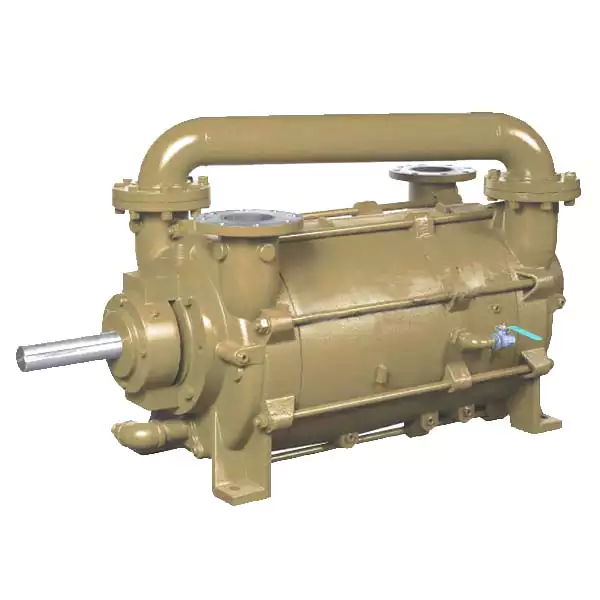
How Do You Maintain and Troubleshoot Vacuum Pumps?
Maintaining and troubleshooting vacuum pumps is essential to ensure their optimal performance and longevity. Here’s a detailed explanation:
Maintenance of Vacuum Pumps:
1. Regular Inspection: Perform regular visual inspections of the pump to check for any signs of damage, leaks, or abnormal wear. Inspect the motor, belts, couplings, and other components for proper alignment and condition.
2. Lubrication: Follow the manufacturer’s guidelines for lubrication. Some vacuum pumps require regular oil changes or lubrication of moving parts. Ensure that the correct type and amount of lubricant are used.
3. Oil Level Check: Monitor the oil level in oil-sealed pumps and maintain it within the recommended range. Add or replace oil as necessary, following the manufacturer’s instructions.
4. Filter Maintenance: Clean or replace filters regularly to prevent clogging and ensure proper airflow. Clogged filters can impair pump performance and increase energy consumption.
5. Cooling System: If the vacuum pump has a cooling system, inspect it regularly for cleanliness and proper functioning. Clean or replace cooling components as needed to prevent overheating.
6. Seals and Gaskets: Check the seals and gaskets for signs of wear or leakage. Replace any damaged or worn seals promptly to maintain airtightness.
7. Valve Maintenance: If the vacuum pump includes valves, inspect and clean them regularly to ensure proper operation and prevent blockages.
8. Vibration and Noise: Monitor the pump for excessive vibration or unusual noise, which may indicate misalignment, worn bearings, or other mechanical issues. Address these issues promptly to prevent further damage.
Troubleshooting Vacuum Pump Problems:
1. Insufficient Vacuum Level: If the pump is not achieving the desired vacuum level, check for leaks in the system, improper sealing, or worn-out seals. Inspect valves, connections, and seals for leaks and repair or replace as needed.
2. Poor Performance: If the pump is not providing adequate performance, check for clogged filters, insufficient lubrication, or worn-out components. Clean or replace filters, ensure proper lubrication, and replace worn parts as necessary.
3. Overheating: If the pump is overheating, check the cooling system for blockages or insufficient airflow. Clean or replace cooling components and ensure proper ventilation around the pump.
4. Excessive Noise or Vibration: Excessive noise or vibration may indicate misalignment, worn bearings, or other mechanical issues. Inspect and repair or replace damaged or worn parts. Ensure proper alignment and balance of rotating components.
5. Motor Issues: If the pump motor fails to start or operates erratically, check the power supply, electrical connections, and motor components. Test the motor using appropriate electrical testing equipment and consult an electrician or motor specialist if necessary.
6. Excessive Oil Consumption: If the pump is consuming oil at a high rate, check for leaks or other issues that may be causing oil loss. Inspect seals, gaskets, and connections for leaks and repair as needed.
7. Abnormal Odors: Unusual odors, such as a burning smell, may indicate overheating or other mechanical problems. Address the issue promptly and consult a technician if necessary.
8. Manufacturer Guidelines: Always refer to the manufacturer’s guidelines and recommendations for maintenance and troubleshooting specific to your vacuum pump model. Follow the prescribed maintenance schedule and seek professional assistance when needed.
By following proper maintenance procedures and promptly addressing any troubleshooting issues, you can ensure the reliable operation and longevity of your vacuum pump.
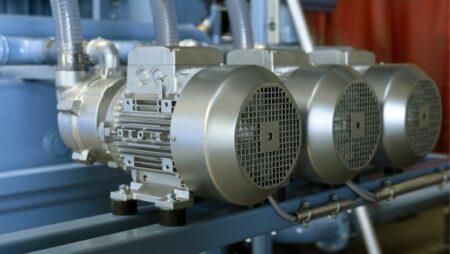
Can Vacuum Pumps Be Used in the Production of Solar Panels?
Yes, vacuum pumps are extensively used in the production of solar panels. Here’s a detailed explanation:
Solar panels, also known as photovoltaic (PV) panels, are devices that convert sunlight into electricity. The manufacturing process of solar panels involves several critical steps, many of which require the use of vacuum pumps. Vacuum technology plays a crucial role in ensuring the efficiency, reliability, and quality of solar panel production. Here are some key areas where vacuum pumps are utilized:
1. Silicon Ingot Production: The first step in solar panel manufacturing is the production of silicon ingots. These ingots are cylindrical blocks of pure crystalline silicon that serve as the raw material for solar cells. Vacuum pumps are used in the Czochralski process, which involves melting polycrystalline silicon in a quartz crucible and then slowly pulling a single crystal ingot from the molten silicon. Vacuum pumps create a controlled environment by removing impurities and preventing contamination during the crystal growth process.
2. Wafering: After the silicon ingots are produced, they undergo wafering, where the ingots are sliced into thin wafers. Vacuum pumps are used in wire saws to create a low-pressure environment that helps to cool and lubricate the cutting wire. The vacuum also assists in removing the silicon debris generated during the slicing process, ensuring clean and precise cuts.
3. Solar Cell Production: Vacuum pumps play a significant role in various stages of solar cell production. Solar cells are the individual units within a solar panel that convert sunlight into electricity. Vacuum pumps are used in the following processes:
– Diffusion: In the diffusion process, dopants such as phosphorus or boron are introduced into the silicon wafer to create the desired electrical properties. Vacuum pumps are utilized in the diffusion furnace to create a controlled atmosphere for the diffusion process and remove any impurities or gases that may affect the quality of the solar cell.
– Deposition: Thin films of materials such as anti-reflective coatings, passivation layers, and electrode materials are deposited onto the silicon wafer. Vacuum pumps are used in various deposition techniques like physical vapor deposition (PVD) or chemical vapor deposition (CVD) to create the necessary vacuum conditions for precise and uniform film deposition.
– Etching: Etching processes are employed to create the desired surface textures on the solar cell, which enhance light trapping and improve efficiency. Vacuum pumps are used in plasma etching or wet etching techniques to remove unwanted material or create specific surface structures on the solar cell.
4. Encapsulation: After the solar cells are produced, they are encapsulated to protect them from environmental factors such as moisture and mechanical stress. Vacuum pumps are used in the encapsulation process to create a vacuum environment, ensuring the removal of air and moisture from the encapsulation materials. This helps to achieve proper bonding and prevents the formation of bubbles or voids, which could degrade the performance and longevity of the solar panel.
5. Testing and Quality Control: Vacuum pumps are also utilized in testing and quality control processes during solar panel production. For example, vacuum systems can be used for leak testing to ensure the integrity of the encapsulation and to detect any potential defects or leaks in the panel assembly. Vacuum-based measurement techniques may also be employed for assessing the electrical characteristics and efficiency of the solar cells or panels.
In summary, vacuum pumps are integral to the production of solar panels. They are used in various stages of the manufacturing process, including silicon ingot production, wafering, solar cell production (diffusion, deposition, and etching), encapsulation, and testing. Vacuum technology enables precise control, contamination prevention, and efficient processing, contributing to the production of high-quality and reliable solar panels.
How Do You Choose the Right Size Vacuum Pump for a Specific Application?
Choosing the right size vacuum pump for a specific application involves considering several factors to ensure optimal performance and efficiency. Here’s a detailed explanation:
1. Required Vacuum Level: The first consideration is the desired vacuum level for your application. Different applications have varying vacuum level requirements, ranging from low vacuum to high vacuum or even ultra-high vacuum. Determine the specific vacuum level needed, such as microns of mercury (mmHg) or pascals (Pa), and choose a vacuum pump capable of achieving and maintaining that level.
2. Pumping Speed: The pumping speed, also known as the displacement or flow rate, is the volume of gas a vacuum pump can remove from a system per unit of time. It is typically expressed in liters per second (L/s) or cubic feet per minute (CFM). Consider the required pumping speed for your application, which depends on factors such as the volume of the system, the gas load, and the desired evacuation time.
3. Gas Load and Composition: The type and composition of the gas or vapor being pumped play a significant role in selecting the right vacuum pump. Different pumps have varying capabilities and compatibilities with specific gases. Some pumps may be suitable for pumping only non-reactive gases, while others can handle corrosive gases or vapors. Consider the gas load and its potential impact on the pump’s performance and materials of construction.
4. Backing Pump Requirements: In some applications, a vacuum pump may require a backing pump to reach and maintain the desired vacuum level. A backing pump provides a rough vacuum, which is then further processed by the primary vacuum pump. Consider whether your application requires a backing pump and ensure compatibility and proper sizing between the primary pump and the backing pump.
5. System Leakage: Evaluate the potential leakage in your system. If your system has significant leakage, you may need a vacuum pump with a higher pumping speed to compensate for the continuous influx of gas. Additionally, consider the impact of leakage on the required vacuum level and the pump’s ability to maintain it.
6. Power Requirements and Operating Cost: Consider the power requirements of the vacuum pump and ensure that your facility can provide the necessary electrical supply. Additionally, assess the operating cost, including energy consumption and maintenance requirements, to choose a pump that aligns with your budget and operational considerations.
7. Size and Space Constraints: Take into account the physical size of the vacuum pump and whether it can fit within the available space in your facility. Consider factors such as pump dimensions, weight, and the need for any additional accessories or support equipment.
8. Manufacturer’s Recommendations and Expert Advice: Consult the manufacturer’s specifications, guidelines, and recommendations for selecting the right pump for your specific application. Additionally, seek expert advice from vacuum pump specialists or engineers who can provide insights based on their experience and knowledge.
By considering these factors and evaluating the specific requirements of your application, you can select the right size vacuum pump that meets the desired vacuum level, pumping speed, gas compatibility, and other essential criteria. Choosing the appropriate vacuum pump ensures efficient operation, optimal performance, and longevity for your application.


editor by CX 2023-11-17