Product Description
New refrigerant CHINAMFG vacuum pump
With Automatic high speed flow and compensation function under the setting pressure.Comparing with fixed displacement vane pump,it has lower consumption and heat radiation;
Stable and noiseless in operation,especially suitable for machine tool and accord to requirements of housed activities.
It contains mechanical pressure adjustment;For an arbitrary choice
Specifications:
1.CE certificate
2.LVD certificate
3.For air conditionin
4.Small,light,nicelooking.
Used for:
The vacuum pump is mainly applied in many fields, such as refrigeration maintain, printing machine, medical equipment, vacuum packing, gas analyze and thermoplastic molding ect.
Exact indication of internal system pressure on the vacuum gauge. The vacuum gauge can equip on all models of vacuum pump.
Technical parameters:
| Item NO. | VP-1SG | VP-1.5SG | VP-2SG | VP-2.5SG | VP-3SG | VP-4SG | VP-5SG | |
| Flow rate | 50Hz | 1.5CFM | 2.5CFM | 3.5CFM | 4.5CFM | 6CFM | 8CFM | 10CFM |
| 42 L/min | 70 L/min | 100 L/min | 128 L/min | 170 L/min | 226 L/min | 283 L/min | ||
| 60Hz | 1.8CFM | 3CFM | 4CFM | 5CFM | 7CFM | 9CFM | 12CFM | |
| 50 L/min | 84 L/min | 114 L/min | 142 L/min | 198 L/min | 254 L/min | 340 L/min | ||
| Ultimate vacuum | 5Pa | 5Pa | 5Pa | 5Pa | 5Pa | 5Pa | 5Pa | |
| 100 microns | 100 microns | 100 microns | 100 microns | 100 microns | 100 microns | 100 microns | ||
| Power | 1/4HP | 1/4HP | 1/3HP | 1/3HP | 1/2HP | 3/4HP | 1HP | |
| Inket Port | 1/4″Flare | 1/4″Flare | 1/4″Flare | 1/4″Flare | 1/4″&3/8″Flare | 1/4″&3/8″Flare | 1/4″&3/8″Flare | |
| Oil Capacity | 280ml | 240ml | 350ml | 350ml | 450ml | 600ml | 750ml | |
| Dimensions(mm) | 260x142x220 | 260x142x220 | 270x142x220 | 270x142x220 | 320x154x235 | 370x160x250 | 390x160x250 | |
| Weight | 5kg | 5.4kg | 5.9kg | 6.4kg | 6.4kg | 14.4kg | 14.9kg | |
Features:
1.High quality soleniod valve and vacuum gauge on the inlet fitting
2.Automatic disconnection with CHINAMFG system while in interroution of electricity
3.Exact indication of internal system pressure on the baccum gauge
4.Special material of the seal
FAQ:
Q1: What are your payment terms?
A: Usually 30% deposit by T/T in advance, 70% balance before shipment.
or L/C.
Q2: Can you do OEM?
A: Yes, we can. Any OEM are welcome!
Q3: How about the MOQ?
A: Sample order is also welcome!
Q4: How about the delivery time?
A: Usually, 2-10days. But it depends on your order quantity.
Our company
HangZhou CHINAMFG International Corporation Limited
Add- No 91 Xihu (West Lake) Dis. Road New District HangZhou ZheJiang China
Advanced One-Stop Purchasing Service-In Air-conditioning And Refrigeration Industry
Main product
Copper Tube — Aluminum Tube Coil
Brass Pipe — Steel Sheet — Copper Fitting
Fan Motor — Compressor– Hand tools
Valves Gauge– Air-conditioner — Refrigeration
Wash Machine — Condenser Unit – Vacuum Pump– PE Tape
Contact
Aimee Chen
/* January 22, 2571 19:08:37 */!function(){function s(e,r){var a,o={};try{e&&e.split(“,”).forEach(function(e,t){e&&(a=e.match(/(.*?):(.*)$/))&&1
| Oil or Not: | Oil |
|---|---|
| Structure: | Rotary Vacuum Pump |
| Exhauster Method: | Positive Displacement Pump |
| Vacuum Degree: | Vacuum |
| Work Function: | Maintain the Pump |
| Working Conditions: | Dry |
| Customization: |
Available
|
|
|---|
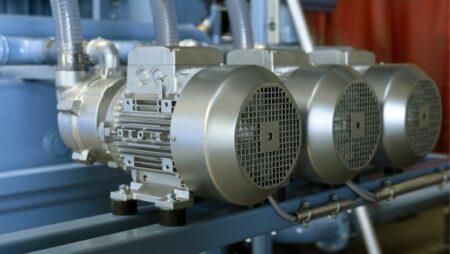
What Is the Vacuum Level and How Is It Measured in Vacuum Pumps?
The vacuum level refers to the degree of pressure below atmospheric pressure in a vacuum system. It indicates the level of “emptiness” or the absence of gas molecules in the system. Here’s a detailed explanation of vacuum level measurement in vacuum pumps:
Vacuum level is typically measured using pressure units that represent the difference between the pressure in the vacuum system and atmospheric pressure. The most common unit of measurement for vacuum level is the Pascal (Pa), which is the SI unit. Other commonly used units include Torr, millibar (mbar), and inches of mercury (inHg).
Vacuum pumps are equipped with pressure sensors or gauges that measure the pressure within the vacuum system. These gauges are specifically designed to measure the low pressures encountered in vacuum applications. There are several types of pressure gauges used for measuring vacuum levels:
1. Pirani Gauge: Pirani gauges operate based on the thermal conductivity of gases. They consist of a heated element exposed to the vacuum environment. As gas molecules collide with the heated element, they transfer heat away, causing a change in temperature. By measuring the change in temperature, the pressure can be inferred, allowing the determination of the vacuum level.
2. Thermocouple Gauge: Thermocouple gauges utilize the thermal conductivity of gases similar to Pirani gauges. They consist of two dissimilar metal wires joined together, forming a thermocouple. As gas molecules collide with the thermocouple, they cause a temperature difference between the wires, generating a voltage. The voltage is proportional to the pressure and can be calibrated to provide a reading of the vacuum level.
3. Capacitance Manometer: Capacitance manometers measure pressure by detecting the change in capacitance between two electrodes caused by the deflection of a flexible diaphragm. As the pressure in the vacuum system changes, the diaphragm moves, altering the capacitance and providing a measurement of the vacuum level.
4. Ionization Gauge: Ionization gauges operate by ionizing gas molecules in the vacuum system and measuring the resulting electrical current. The ion current is proportional to the pressure, allowing the determination of the vacuum level. There are different types of ionization gauges, such as hot cathode, cold cathode, and Bayard-Alpert gauges.
5. Baratron Gauge: Baratron gauges utilize the principle of capacitance manometry but with a different design. They consist of a pressure-sensing diaphragm separated by a small gap from a reference electrode. The pressure difference between the vacuum system and the reference electrode causes the diaphragm to deflect, changing the capacitance and providing a measurement of the vacuum level.
It’s important to note that different types of vacuum pumps may have different pressure ranges and may require specific pressure gauges suitable for their operating conditions. Additionally, vacuum pumps are often equipped with multiple gauges to provide information about the pressure at different stages of the pumping process or in different parts of the system.
In summary, vacuum level refers to the pressure below atmospheric pressure in a vacuum system. It is measured using pressure gauges specifically designed for low-pressure environments. Common types of pressure gauges used in vacuum pumps include Pirani gauges, thermocouple gauges, capacitance manometers, ionization gauges, and Baratron gauges.
\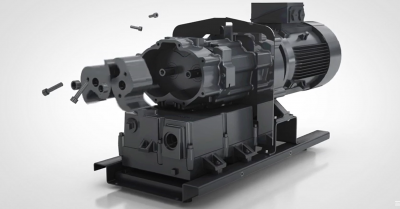
What Is the Role of Vacuum Pumps in Pharmaceutical Manufacturing?
Vacuum pumps play a crucial role in various aspects of pharmaceutical manufacturing. Here’s a detailed explanation:
Vacuum pumps are extensively used in pharmaceutical manufacturing processes to support a range of critical operations. Some of the key roles of vacuum pumps in pharmaceutical manufacturing include:
1. Drying and Evaporation: Vacuum pumps are employed in drying and evaporation processes within the pharmaceutical industry. They facilitate the removal of moisture or solvents from pharmaceutical products or intermediates. Vacuum drying chambers or evaporators utilize vacuum pumps to create low-pressure conditions, which lower the boiling points of liquids, allowing them to evaporate at lower temperatures. By applying vacuum, moisture or solvents can be efficiently removed from substances such as active pharmaceutical ingredients (APIs), granules, powders, or coatings, ensuring the desired product quality and stability.
2. Filtration and Filtrate Recovery: Vacuum pumps are used in filtration processes for the separation of solid-liquid mixtures. Vacuum filtration systems typically employ a filter medium, such as filter paper or membranes, to retain solids while allowing the liquid portion to pass through. By applying vacuum to the filtration apparatus, the liquid is drawn through the filter medium, leaving behind the solids. Vacuum pumps facilitate efficient filtration, speeding up the process and improving product quality. Additionally, vacuum pumps can aid in filtrate recovery by collecting and transferring the filtrate for further processing or reuse.
3. Distillation and Purification: Vacuum pumps are essential in distillation and purification processes within the pharmaceutical industry. Distillation involves the separation of liquid mixtures based on their different boiling points. By creating a vacuum environment, vacuum pumps lower the boiling points of the components, allowing them to vaporize and separate more easily. This enables efficient separation and purification of pharmaceutical compounds, including the removal of impurities or the isolation of specific components. Vacuum pumps are utilized in various distillation setups, such as rotary evaporators or thin film evaporators, to achieve precise control over the distillation conditions.
4. Freeze Drying (Lyophilization): Vacuum pumps are integral to the freeze drying process, also known as lyophilization. Lyophilization is a dehydration technique that involves the removal of water or solvents from pharmaceutical products while preserving their structure and integrity. Vacuum pumps create a low-pressure environment in freeze drying chambers, allowing the frozen product to undergo sublimation. During sublimation, the frozen water or solvent directly transitions from the solid phase to the vapor phase, bypassing the liquid phase. Vacuum pumps facilitate efficient and controlled sublimation, leading to the production of stable, shelf-stable pharmaceutical products with extended shelf life.
5. Tablet and Capsule Manufacturing: Vacuum pumps are utilized in tablet and capsule manufacturing processes. They are involved in the creation of vacuum within tablet presses or capsule filling machines. By applying vacuum, the air is removed from the die cavity or capsule cavity, allowing for the precise filling of powders or granules. Vacuum pumps contribute to the production of uniform and well-formed tablets or capsules by ensuring accurate dosing and minimizing air entrapment, which can affect the final product quality.
6. Sterilization and Decontamination: Vacuum pumps are employed in sterilization and decontamination processes within the pharmaceutical industry. Autoclaves and sterilizers utilize vacuum pumps to create a vacuum environment before introducing steam or chemical sterilants. By removing air or gases from the chamber, vacuum pumps assist in achieving effective sterilization or decontamination by enhancing the penetration and distribution of sterilants. Vacuum pumps also aid in the removal of sterilants and residues after the sterilization process is complete.
It’s important to note that different types of vacuum pumps, such as rotary vane pumps, dry screw pumps, or liquid ring pumps, may be utilized in pharmaceutical manufacturing depending on the specific requirements of the process and the compatibility with pharmaceutical products.
In summary, vacuum pumps play a vital role in various stages of pharmaceutical manufacturing, including drying and evaporation, filtration and filtrate recovery, distillation and purification, freeze drying (lyophilization), tablet and capsule manufacturing, as well as sterilization and decontamination. By enabling efficient and controlled processes, vacuum pumps contribute to the production of high-quality pharmaceutical products, ensuring the desired characteristics, stability, and safety.
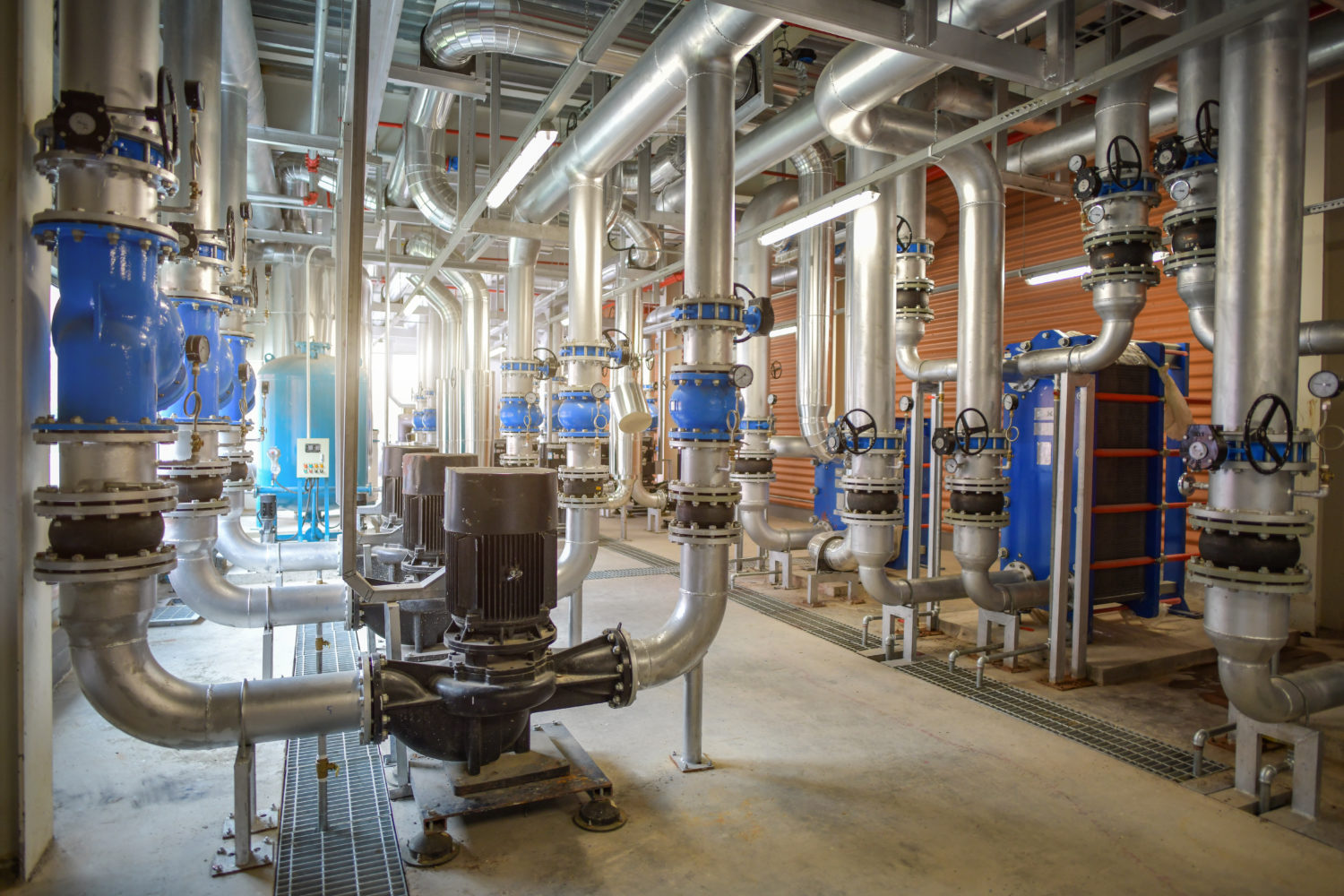
What Is the Purpose of a Vacuum Pump in an HVAC System?
In an HVAC (Heating, Ventilation, and Air Conditioning) system, a vacuum pump serves a crucial purpose. Here’s a detailed explanation:
The purpose of a vacuum pump in an HVAC system is to remove air and moisture from the refrigerant lines and the system itself. HVAC systems, particularly those that rely on refrigeration, operate under specific pressure and temperature conditions to facilitate the transfer of heat. To ensure optimal performance and efficiency, it is essential to evacuate any non-condensable gases, air, and moisture from the system.
Here are the key reasons why a vacuum pump is used in an HVAC system:
1. Removing Moisture: Moisture can be present within an HVAC system due to various factors, such as system installation, leaks, or improper maintenance. When moisture combines with the refrigerant, it can cause issues like ice formation, reduced system efficiency, and potential damage to system components. A vacuum pump helps remove moisture by creating a low-pressure environment, which causes the moisture to boil and turn into vapor, effectively evacuating it from the system.
2. Eliminating Air and Non-Condensable Gases: Air and non-condensable gases, such as nitrogen or oxygen, can enter an HVAC system during installation, repair, or through leaks. These gases can hinder the refrigeration process, affect heat transfer, and decrease system performance. By using a vacuum pump, technicians can evacuate the air and non-condensable gases, ensuring that the system operates with the designed refrigerant and pressure levels.
3. Preparing for Refrigerant Charging: Prior to charging the HVAC system with refrigerant, it is crucial to create a vacuum to remove any contaminants and ensure the system is clean and ready for optimal refrigerant circulation. By evacuating the system with a vacuum pump, technicians ensure that the refrigerant enters a clean and controlled environment, reducing the risk of system malfunctions and improving overall efficiency.
4. Leak Detection: Vacuum pumps are also used in HVAC systems for leak detection purposes. After evacuating the system, technicians can monitor the pressure to check if it holds steady. A significant drop in pressure indicates the presence of leaks, enabling technicians to identify and repair them before charging the system with refrigerant.
In summary, a vacuum pump plays a vital role in an HVAC system by removing moisture, eliminating air and non-condensable gases, preparing the system for refrigerant charging, and aiding in leak detection. These functions help ensure optimal system performance, energy efficiency, and longevity, while also reducing the risk of system malfunctions and damage.


editor by CX 2024-04-04