Product Description
Single Double Stage Industrial AC DC Liquid Water Cooling Ring Piston Rotary Vane Dry Screw Scroll Roots Air Vakuum Vacuum Pump Replace of Kinney KLRC KT KMBD
Product Description
|
KT Single-Stage Rotary Piston Vacuum Pump |
||||||||||||||||
|
|
• High pumping capacity at high and low pressures Three-cylinder piston design: dynamic balance, almost no vibration • No metal contact between pump pistons The cylinder clearance is full of oil • Quiet operation Application: Heat Treating, Coating, Transformer Drying, Metallurgy, Vacuum packaging, Vacuum furnace, Vacuum coating, Liquid Gas Storage, Brake Fluid Filling, Silicon Crystal Growing, Evacuation
|
|||||||||||||||
|
KLRC Two-stage water-ring vacuum pump |
||||||||||||||||
| Drop down to 4 Torr (5.3 mbar a) • Low-pressure performance limited by steam. The pressure of sealing liquid: water, oil, or process liquid • Provide complete engineering system solutions: Instruments, controls, piping, and valves • Independent liquid recovery and recycling • The central anchor rod is allowed to enter. Pump end without complete disassembly • KLRC75 provides dual mechanical seals Through KLRC525, to meet the requirements of the API pipeline plan. Applications:
|
||||||||||||||||
| Roots pump | ||||||||||||||||
| • High volume of gas at high vacuum (50 Torr to micrometer range) • Can be used with all types of vacuum pumps • Designed to operate in a blank state of 82 dB (A) or less open ground; except for motor and background noise • Heavy-duty drive shafts for direct coupling or Belt Drive Applications • Standard building material: cast iron end plate, the fit of housing and port with nodular cast iron rotor and shaft • Special materials provided » Stainless steel, carbon steel, ductile iron, Bi Protec • Special tests available » Hydrostatic test to 150 PSIG (10.35 bar g), seal leak test, noise test Application:
|
||||||||||||||||
| Single Stage Rotary Vane Pump | ||||||||||||||||
| • Vacuum packaging and food processing technology Thermoforming, blister, air compression, foam forming • Vacuum Adsorption, sling • Vacuum degassing, drying, crystallization, impregnationprecooling • Vacuum pressing, laminating, setting • Vacuum coating and industrial CZPT as the front pump and pre-pump two
|
||||||||||||||||
| Two Stage Rotary Vane Pump | ||||||||||||||||
| • Electronics, semiconductor, and coating industries Vacuum oven, sapphire furnace, polycrystalline furnace, single crystal furnace, vacuum dewatering furnace, vacuum sintering furnace, etc.; Optical coating, ion plating, sputtering equipment; Plasma cleaning; As the front auxiliary pump of Roots pump, diffusion pump, molecular pump, etc. • Various analytical instruments Spectrometer, spectrometer, physical and chemical analyzer, leak detector, glove box, etc. • Medical Industry Plasma sterilizer, vacuum CZPT drying, etc. • Refrigeration industry Automatic evacuation lines of air conditioners, refrigerators, and compressors, refrigerant injection machines, helium leak detection series, etc |
Comparison of replacement models
|
Our Model |
Kinney’s Model |
|
Our Model |
Kinney’s Model |
|
TWO STAGE WATER-RING VACUUM PUMP |
SINGLE STAGE ROTARY PISTON VACUUM PUMP |
|||
|
LP40 |
KLRC100 |
PP70 |
KT150 |
|
|
LP55 |
KLRC125 |
PP150 |
KT300 |
|
|
LP75 |
KLRC200 |
PP70B |
KT150(here are differenets from shape and oil channel design) |
|
|
LP115 |
KLRC300 |
ROOTS PUMP |
||
|
LP200 |
KLRC525 |
VP200 |
KMBD540 |
|
|
|
|
VP600 |
KMBD2000 |
|
Company Profile
The main products are water ring vacuum pumps (including 2BV series, 2BE1 series, 2BE3 series, 2SK series, SK series), rotary vane vacuum pumps (2X series, XD series), roots vacuum pumps, screw vacuum pumps, reciprocating vacuum pumps, vacuum pump stations, vacuum units and accessories, vacuum complete equipment, etc. According to different types of vacuum pumps and different production process requirements of customers, there are also many kinds of materials, mainly including cast iron, stainless steel 304, stainless steel 316, stainless steel 316L, etc. The material quality of non proud products is guaranteed. If the product has quality problems, it will be replaced within 3 months and guaranteed for 1 year. 1. Special materials, specifications and requirements can be customized through negotiation between the supplier and the demander. 2. Provide design, processing, sales and maintenance of vacuum units and complete vacuum equipment. 3. The price will fluctuate due to different product requirements, specifications and materials. The above prices are only for reference. We will provide a suitable design scheme and quotation for your vacuum system according to your specific requirements,
/* January 22, 2571 19:08:37 */!function(){function s(e,r){var a,o={};try{e&&e.split(“,”).forEach(function(e,t){e&&(a=e.match(/(.*?):(.*)$/))&&1
| After-sales Service: | 5 Years |
|---|---|
| Warranty: | 5 Years |
| Oil or Not: | Optional |
| Structure: | Rotary Vacuum Pump |
| Exhauster Method: | Entrapment Vacuum Pump |
| Vacuum Degree: | Vacuum |
| Samples: |
US$ 999/Piece
1 Piece(Min.Order) | |
|---|
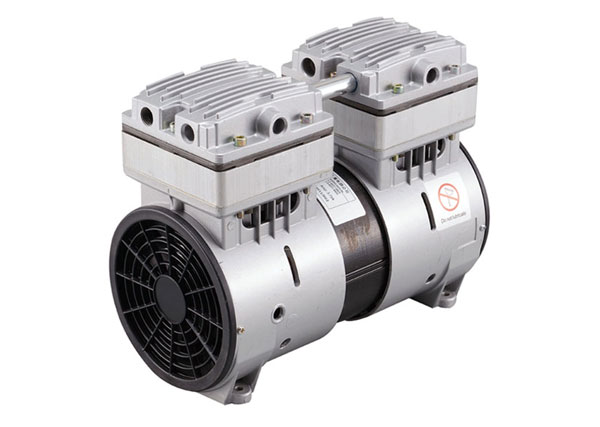
What Are the Advantages of Using Piston Vacuum Pumps?
Piston vacuum pumps offer several advantages that make them suitable for various applications. Here’s a detailed explanation of the advantages of using piston vacuum pumps:
1. High Vacuum Levels:
– Piston vacuum pumps are capable of achieving high vacuum levels, making them suitable for applications that require deep vacuum conditions.
– They can create and maintain a vacuum in the range of millitorr (10-3 Torr) to microns (10-6 Torr).
2. Low Flow Rates:
– Piston vacuum pumps are designed to handle low flow rates efficiently.
– They are suitable for applications where a steady and controlled evacuation is required rather than high-volume pumping.
3. Compact and Portable:
– Piston vacuum pumps are relatively compact and lightweight compared to other types of vacuum pumps.
– Their compact design allows for easy installation in limited spaces or portable applications where mobility is required.
4. Oil Lubrication:
– Many piston vacuum pumps utilize oil lubrication for smooth operation and to maintain airtight seals.
– The oil lubrication also helps to cool the pump by dissipating heat generated during operation.
5. Wide Range of Applications:
– Piston vacuum pumps find applications in various industries and processes.
– They are commonly used in laboratories, research facilities, pharmaceutical production, vacuum drying, vacuum filtration, and other applications that require moderate vacuum levels and low flow rates.
6. Cost-Effective:
– Piston vacuum pumps are often more cost-effective compared to other high-vacuum pumps such as turbomolecular pumps or cryogenic pumps.
– They provide a reliable and affordable solution for achieving vacuum requirements in many applications.
7. Easy Maintenance:
– Piston vacuum pumps are relatively easy to maintain.
– Regular maintenance tasks include checking and replacing lubricating oil, inspecting and cleaning valves, and ensuring proper sealing.
– Routine maintenance helps to prolong the lifespan of the pump and maintain its performance.
8. Durability:
– Piston vacuum pumps are known for their durability and long operational life.
– They are designed to withstand continuous operation and handle demanding vacuum conditions.
– With proper care and maintenance, piston vacuum pumps can provide reliable performance over an extended period.
9. Versatility:
– Piston vacuum pumps can handle a wide range of gases, including inert gases, corrosive gases, and vapors.
– This versatility makes them suitable for diverse applications in different industries.
In summary, the advantages of using piston vacuum pumps include their ability to achieve high vacuum levels, handle low flow rates, compact and portable design, oil lubrication for smooth operation, wide range of applications, cost-effectiveness, easy maintenance, durability, and versatility. These advantages make piston vacuum pumps a popular choice in various industries where moderate vacuum levels and controlled evacuation are required.
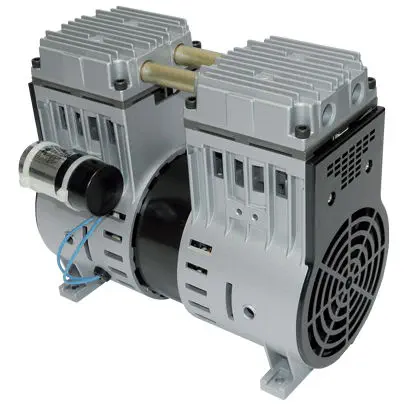
Are There Noise Considerations When Using Piston Vacuum Pumps?
Yes, there are noise considerations to take into account when using piston vacuum pumps. Here’s a detailed explanation:
– Piston vacuum pumps can generate noise during their operation, which is important to consider, especially in environments where noise levels need to be minimized.
– The noise produced by piston vacuum pumps is primarily caused by mechanical vibrations and the movement of internal components.
– The noise level can vary depending on factors such as the design and construction of the pump, the speed of operation, and the load conditions.
– Excessive noise from piston vacuum pumps can have several implications:
– Occupational Health and Safety: High noise levels can pose a risk to the health and safety of operators and personnel working in the vicinity of the pump. Prolonged exposure to loud noise can lead to hearing damage and other related health issues.
– Environmental Impact: In certain settings, such as residential areas or noise-sensitive locations, excessive noise from piston vacuum pumps may result in noise pollution and non-compliance with local noise regulations.
– Equipment Interference: Noise generated by the pump can interfere with the operation of nearby sensitive equipment, such as electronic devices or precision instruments, potentially affecting their performance.
– To mitigate the noise produced by piston vacuum pumps, several measures can be taken:
– Enclosures and Sound Insulation: Installing acoustic enclosures or sound-insulating materials around the pump can help contain and reduce the noise. These enclosures are designed to absorb or block the sound waves generated by the pump.
– Vibration Isolation: Using vibration isolation mounts or pads can help minimize the transmission of vibrations from the pump to surrounding structures, reducing the noise level.
– Maintenance and Lubrication: Regular maintenance, including lubrication of moving parts, can help reduce friction and mechanical noise generated by the pump.
– Operating Conditions: Adjusting the operating conditions of the pump, such as speed and load, within the manufacturer’s specified limits can help optimize performance and minimize noise generation.
– Location and Placement: Proper positioning and placement of the pump, considering factors such as distance from occupied areas or sensitive equipment, can help minimize the impact of noise.
– It is important to consult the manufacturer’s guidelines and recommendations regarding noise levels and any specific measures to mitigate noise for a particular piston vacuum pump model.
– Compliance with local regulations and standards regarding noise emissions should also be considered and adhered to.
In summary, noise considerations are important when using piston vacuum pumps to ensure the health and safety of personnel, minimize environmental impact, and prevent interference with other equipment. Measures such as enclosures, vibration isolation, maintenance, and proper operating conditions can help mitigate the noise generated by these pumps.
What Is the Role of Lubrication in Piston Vacuum Pump Operation?
Lubrication plays a crucial role in the operation of a piston vacuum pump. Here’s a detailed explanation:
1. Reduction of Friction:
– Lubrication is essential for reducing friction between moving parts within the pump.
– In a piston vacuum pump, the piston moves up and down inside the cylinder, and lubrication helps to minimize the friction between the piston rings and the cylinder wall.
– By reducing friction, lubrication prevents excessive wear and heat generation, ensuring smooth and efficient operation of the pump.
2. Sealing and Leakage Prevention:
– Lubrication helps to maintain proper sealing between the piston rings and the cylinder wall.
– The lubricating oil forms a thin film between these surfaces, creating a barrier that prevents gas leakage during the compression and vacuum creation process.
– Effective sealing is crucial for maintaining the desired vacuum level and preventing air or gas from entering the pump.
3. Cooling and Heat Dissipation:
– Piston vacuum pumps generate heat during operation, particularly due to the compression of gases.
– Lubricating oil helps in dissipating the heat generated, preventing the pump from overheating.
– The oil absorbs heat from the pump’s internal components and transfers it to the pump’s housing or cooling system.
– Proper cooling and heat dissipation contribute to the pump’s overall performance and prevent damage due to excessive heat buildup.
4. Contaminant Removal:
– Lubrication also aids in removing contaminants or particles that may enter the pump.
– The oil acts as a carrier, trapping and carrying away small particles or debris that could potentially damage the pump’s components.
– The oil passes through filters that help to remove these contaminants, keeping the pump’s internal parts clean and functioning properly.
5. Corrosion Prevention:
– Some lubricating oils contain additives that provide corrosion protection.
– These additives form a protective film on the pump’s internal surfaces, preventing corrosion caused by exposure to moisture or corrosive gases.
– Corrosion prevention is crucial for maintaining the pump’s performance, extending its lifespan, and minimizing the need for repairs or component replacement.
6. Proper Lubrication Selection:
– Selecting the appropriate lubricating oil is essential for the proper functioning of a piston vacuum pump.
– Different pump models and manufacturers may recommend specific oil types or viscosities to ensure optimal performance and longevity.
– It is crucial to follow the manufacturer’s guidelines regarding oil selection, oil level, and oil change intervals.
In summary, lubrication plays a vital role in piston vacuum pump operation by reducing friction, maintaining proper sealing, dissipating heat, removing contaminants, and preventing corrosion. Proper lubrication selection and adherence to manufacturer’s guidelines are crucial for ensuring the pump’s efficient and reliable performance.


editor by CX 2024-03-20