Product Description
Manufacture Price F1600 F1300, F1000 Drilling Triplex Mud Pump Reciprocating Pump
Our F series mud pump are designed and manufactured on the basis of American Emsco F series mud pump strictly according to America Petroleum Institution API 7K Standard. All of its expendable parts are interchangeable with any other spare parts produced according to API standard. Therefore it is easy to repair and maintain internationally.
Welcome to consult, we will provide the most comprehensive technical support!
|
PRODUCT NAME |
MODEL | SPECIFICATION | |
| F SERIES
DRILLING MUD PUMP |
F-1600 | Max. Input: 1600HP (1194 kw) | |
| Stroke Length: 12″ (305mm) | |||
| Max. Speed: 120 RPM | |||
| Displacement: 50.45 L/S | |||
| Rated pressure: 35 Mpa | |||
| Weight: 24800 kg | |||
| F-1300 | Max. Input: 1300HP (970 kw) | ||
| Stroke Length: 12″ (305mm) | |||
| Max. Speed: 120 RPM | |||
| Displacement: 50.45 L/S | |||
| Rated pressure: 35 Mpa | |||
| Weight: 24200 kg | |||
| F-1000 | Max. Input: 1000HP (746 kw) | ||
| Stroke Length: 10″ (254mm) | |||
| Max. Speed: 140 RPM | |||
| Displacement: 43.2 L/S | |||
| Rated pressure: 35 Mpa | |||
| Weight: 16400 kg | |||
| F SERIES
DRILLING MUD PUMP |
F-800 | Max. Input: 800HP (597 kw) | |
| Stroke Length: 9″ (229mm) | |||
| Max. Speed: 150 RPM | |||
| Displacement: 41.5 L/S | |||
| Rated pressure: 32.5 Mpa | |||
| Weight: 14600 kg | |||
| F-500 | Max. Input: 500HP (373 kw) | ||
| Stroke Length: 7-1/2″ (191mm) | |||
| Max. Speed: 165 RPM | |||
| Displacement: 36.8 L/S | |||
| Rated pressure: 26.5 Mpa | |||
| Weight: 9860 kg | |||
/* January 22, 2571 19:08:37 */!function(){function s(e,r){var a,o={};try{e&&e.split(“,”).forEach(function(e,t){e&&(a=e.match(/(.*?):(.*)$/))&&1
| After-sales Service: | 24/7 |
|---|---|
| Warranty: | 24/7 |
| Certification: | API |
| Customization: |
Available
|
|
|---|
.shipping-cost-tm .tm-status-off{background: none;padding:0;color: #1470cc}
|
Shipping Cost:
Estimated freight per unit. |
about shipping cost and estimated delivery time. |
|---|
| Payment Method: |
|
|---|---|
|
Initial Payment Full Payment |
| Currency: | US$ |
|---|
| Return&refunds: | You can apply for a refund up to 30 days after receipt of the products. |
|---|
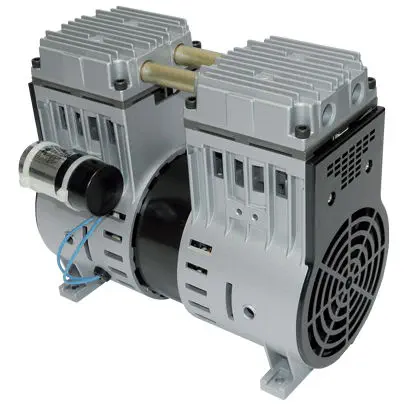
How Does a Piston Vacuum Pump Work?
A piston vacuum pump, also known as a reciprocating vacuum pump, operates using a piston mechanism to create a vacuum. Here’s a detailed explanation of its working principle:
1. Piston and Cylinder Assembly:
– A piston vacuum pump consists of a piston and cylinder assembly.
– The piston is a movable component that fits inside the cylinder and creates a seal between the piston and cylinder walls.
2. Intake and Exhaust Valves:
– The cylinder has two valves: an intake valve and an exhaust valve.
– The intake valve allows gas or air to enter the cylinder during the suction stroke, while the exhaust valve allows the expelled gas to exit during the compression stroke.
3. Suction Stroke:
– During the suction stroke, the piston moves downward, creating a vacuum within the cylinder.
– As the piston moves down, the intake valve opens, allowing gas or air from the system being evacuated to enter the cylinder.
– The volume within the cylinder increases, causing a decrease in pressure and the creation of a partial vacuum.
4. Compression Stroke:
– After the suction stroke, the piston moves upward during the compression stroke.
– As the piston moves up, the intake valve closes, preventing backflow of gas into the evacuated system.
– Simultaneously, the exhaust valve opens, allowing the gas trapped in the cylinder to be expelled.
– The upward movement of the piston reduces the volume within the cylinder, compressing the gas and increasing its pressure.
5. Expulsion of Gas:
– Once the compression stroke is complete, the gas is expelled through the exhaust valve.
– The exhaust valve then closes, ready for the next suction stroke.
– This process of alternating suction and compression strokes continues, gradually reducing the pressure within the evacuated system.
6. Lubrication:
– Piston vacuum pumps require lubrication for smooth operation and to maintain the airtight seal between the piston and cylinder walls.
– Lubricating oil is often introduced into the cylinder to provide lubrication and help maintain the seal.
– The oil also helps to cool the pump by dissipating heat generated during operation.
7. Applications:
– Piston vacuum pumps are commonly used in applications where high vacuum levels and low flow rates are required.
– They are suitable for processes such as laboratory work, vacuum drying, vacuum filtration, and other applications that require moderate vacuum levels.
In summary, a piston vacuum pump operates by creating a vacuum through the reciprocating motion of a piston within a cylinder. The suction stroke creates a vacuum by lowering the pressure within the cylinder, while the compression stroke expels the gas and increases its pressure. This cyclic process continues, gradually reducing the pressure within the system being evacuated. Piston vacuum pumps are commonly used in various applications that require moderate vacuum levels and low flow rates.
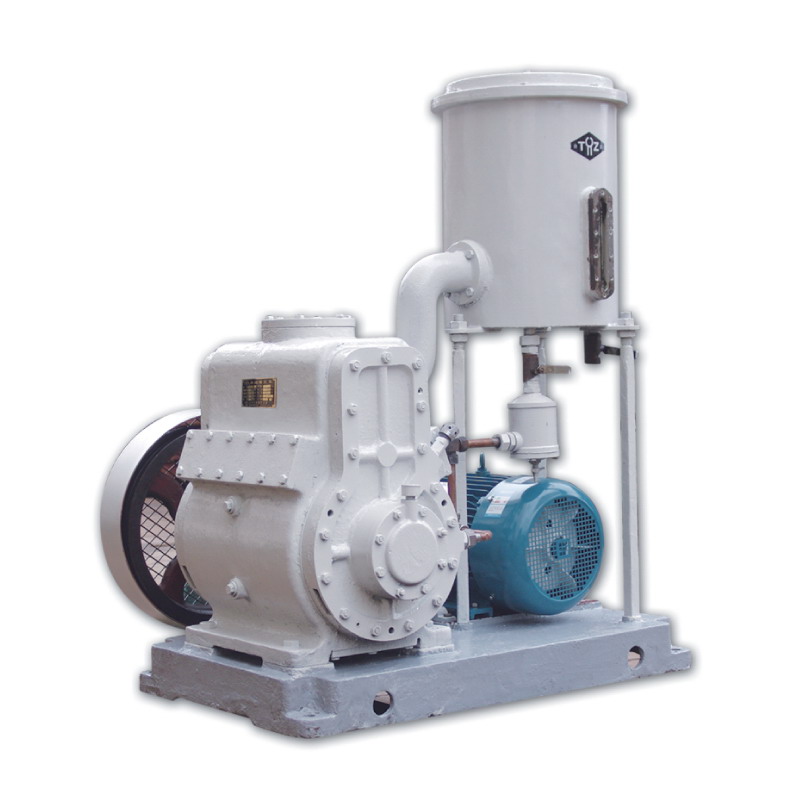
Can Piston Vacuum Pumps Be Used in Medical or Pharmaceutical Applications?
Yes, piston vacuum pumps can be used in medical and pharmaceutical applications. Here’s a detailed explanation:
– Piston vacuum pumps are versatile and widely used in various industries, including medical and pharmaceutical sectors.
– Medical and pharmaceutical applications often require vacuum technology for processes such as filtration, degassing, drying, and sample preparation.
– Piston vacuum pumps offer several advantages that make them suitable for these applications:
– High Vacuum Levels: Piston pumps can achieve high vacuum levels, which are often necessary in medical and pharmaceutical processes that require precise control and removal of gases or vapors.
– Contamination-Free Operation: Piston pumps can provide contamination-free operation, making them suitable for applications where maintaining a sterile or clean environment is crucial, such as in pharmaceutical manufacturing or medical research laboratories.
– Oil-Free Operation: Some piston vacuum pumps are designed to operate without oil lubrication. Oil-free pumps eliminate the risk of oil contamination in sensitive medical or pharmaceutical processes and avoid the need for oil changes or maintenance associated with oil-lubricated pumps.
– Quiet Operation: Piston pumps can be engineered to operate with reduced noise levels, which is advantageous in medical and pharmaceutical settings where a quiet working environment is desired.
– Durability and Reliability: Piston pumps are known for their robust construction and durability, allowing them to withstand demanding applications and provide reliable performance over extended periods.
– Compact Size: Piston vacuum pumps are available in compact designs, making them suitable for applications where space is limited, such as in medical devices or portable pharmaceutical equipment.
– Some specific medical and pharmaceutical applications where piston vacuum pumps are commonly used include:
– Vacuum Filtration: Piston pumps are used to generate the necessary vacuum for filtering solutions or suspensions in laboratory or industrial settings. This process is often employed in pharmaceutical research, production of vaccines, or purification of drugs.
– Freeze Drying: Piston vacuum pumps assist in the freeze-drying process, which is a common technique used in the pharmaceutical industry to preserve and stabilize sensitive drugs or biological samples.
– Vacuum Packaging: Piston pumps are utilized for creating a vacuum in packaging processes where maintaining product quality and extending shelf life are critical, such as in the pharmaceutical packaging of medicines or medical devices.
– Laboratory Evaporation: Piston vacuum pumps are employed in laboratory applications for the evaporation of solvents or liquids in medical or pharmaceutical research, drug development, or quality control processes.
– It is important to select the appropriate piston vacuum pump model based on the specific requirements of the medical or pharmaceutical application. Factors to consider include vacuum level needed, flow rate, compatibility with the handled substances, and compliance with industry regulations and standards.
– Additionally, compliance with Good Manufacturing Practices (GMP) and other regulatory guidelines is crucial when using piston vacuum pumps in medical or pharmaceutical applications to ensure product safety, quality, and regulatory compliance.
In summary, piston vacuum pumps are suitable for use in medical and pharmaceutical applications due to their ability to achieve high vacuum levels, provide contamination-free and oil-free operation, offer quiet and reliable performance, and accommodate compact design requirements. They are commonly used in processes such as vacuum filtration, freeze drying, vacuum packaging, and laboratory evaporation in these industries.
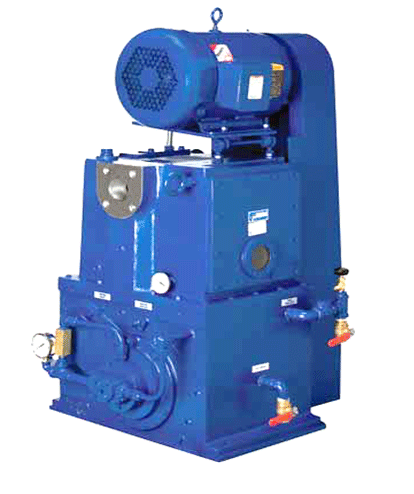
Are Piston Vacuum Pumps Suitable for Laboratory Use?
Yes, piston vacuum pumps are commonly used and well-suited for laboratory applications. Here’s a detailed explanation:
1. Versatility:
– Piston vacuum pumps offer versatility and can be utilized in a wide range of laboratory processes and equipment.
– They are compatible with various laboratory applications such as vacuum ovens, freeze dryers, vacuum filtration systems, and rotary evaporators.
2. Vacuum Generation:
– Piston vacuum pumps are capable of generating and maintaining deep vacuum levels, making them suitable for laboratory use.
– They can achieve vacuum levels ranging from millitorr (10-3 Torr) to microns (10-6 Torr), depending on the specific pump design and operating conditions.
3. Control and Precision:
– Piston vacuum pumps provide precise control over the vacuum level, allowing researchers to create and maintain the desired pressure conditions in their experiments.
– The pumps offer fine-tuning capabilities to achieve the optimal vacuum level required for specific laboratory processes.
4. Reliability and Durability:
– Piston vacuum pumps are known for their reliability and durability, which are crucial factors in laboratory environments.
– They are designed to withstand continuous operation and frequent use, ensuring consistent performance over extended periods.
5. Low Contamination Risk:
– Piston vacuum pumps are designed with airtight seals that minimize the risk of contamination.
– This is particularly important in laboratory settings where maintaining a clean and uncontaminated environment is vital for accurate and reliable experimental results.
6. Cost-Effective Solution:
– Piston vacuum pumps are generally more cost-effective compared to other types of vacuum pumps.
– They offer a balance between performance and affordability, making them a preferred choice for many laboratory budgets.
7. Ease of Maintenance:
– Piston vacuum pumps are relatively easy to maintain, with readily available spare parts and service support.
– Routine maintenance tasks such as changing oil, inspecting seals, and cleaning can be easily performed, ensuring the pump’s longevity and consistent performance.
In summary, piston vacuum pumps are highly suitable for laboratory use due to their versatility, ability to generate deep vacuum levels, precise control, reliability, low contamination risk, cost-effectiveness, and ease of maintenance. They are widely utilized in various laboratory applications and provide researchers with the necessary vacuum conditions for their experiments and processes.


editor by Dream 2024-05-06