Product Description
Low Noise High Pressure Diaphragm Piston Air Vacuum Pump for Sale
Product introduction
ZP intelligent hydraulic piston pump has obtained many invention patents and utility model patents. In order to solve the problems of low efficiency of filter press, high energy consumption, complex media and high pressure requirement in the sewage industry, it breaks the conventional design concept and adopts segmented pressure control to realize automatic switching between low pressure and high flow rate and high pressure and low flow rate. Intelligent, efficient, energy-saving in one, greatly improving the efficiency of the filter press.
ZP-B standard hydraulic piston pump is a new generation of energy-saving, safe and environmentally friendly model, which has been awarded a number of invention patents and utility model patents. It realizes safe operation without overflow under different working conditions of displacement and pressure. Compared with similar pumps applied to the working conditions of filter press, the energy saving is up to 50%, and compared with the traditional filter press feeding pump, the energy saving is several times more. Adopting segmented feeding control, the feeding flow and pressure match the flow and pressure required for solid-liquid separation in the filter press, which can greatly improve the working efficiency of the filter press.
ZP-D double-input and double-output intelligent hydraulic piston pump is a kind of high-efficiency and energy-saving product newly developed by the company. The main wear-resistant parts of this product have been processed by special technology, which has a long service life. At the same time, the cooling and lubrication circulating water has been canceled, which greatly improves the working environment and thus achieves clean production. Compared with ZP series with the same flow rate and pressure, the power is reduced by 40%. It is the most professional and efficient filter press feed pump. It can be widely used in electroplating, printing and dyeing, chemical, municipal, mining and other sewage treatment industries.
Parameter of products
| Model | Rated flow rate m3 | Pressure range Mpa | Motor Power Kw | Dimension L*W*H(mm) | Inlet and outlet pipe diameter | Weight kg |
| ZP-15 | 15 | 0~2.0 | 7.5 | 1900*1030*1610 | DN90 | 1350 |
| ZP-25 | 25 | 0~2.0 | 11 | 1900*1030*1610 | DN90 | 1450 |
| ZP-35 | 35 | 0~2.0 | 15 | 1950*1100*1610 | DN100 | 1700 |
| ZP-45 | 45 | 0~2.0 | 18.5 | 2100*1320*1700 | DN130 | 2000 |
| ZP-60 | 60 | 0~2.0 | 22 | 2100* 1320*1800 | DN130 | 2200 |
| ZP-80 | 80 | 0~2.0 | 30 | 2150*1400* 1800 | DN150 | 2750 |
| ZP-100 | 100 | 0~2.0 | 30 | 2200*1500*2150 | DN150 | 3200 |
| ZP-120 | 120 | 0~2.0 | 37 | 2200*1500*2150 | DN150 | 3300 |
| Model | Maximum flow rate m3 | Pressure range Mpa | Motor Power Kw |
Dimension L*W*H(mm) | Inlet and outlet pipe diameter | Weight kg |
| ZP-B15 | 15 | 0~2.0 | 7.5 | 1700*1100* 1900 | DN80 | 1300 |
| ZP-B25 | 25 | 0~2.0 | 11 | 1700*1100* 1950 | DN90 | 1350 |
| ZP-B35 | 35 | 0~2.0 | 15 | 1840*1150*2250 | DN100 | 1450 |
| ZP-B45 | 45 | 0~2.0 | 18.5 | 2050* 1320* 2350 | DN130 | 1700 |
| ZP-B60 | 60 | 0~2.0 | 22 | 2050*1320* 2550 | DN130 | 1900 |
| ZP-B80 | 80 | 0~2.0 | 30 | 2230*1320* 2550 | DN150 | 2300 |
| ZP-B100 | 100 | 0-2.0 | 30 | 2230*1320* 2650 | DN150 | 2550 |
| ZP-B120 | 120 | 0~2.0 | 37 | 2300*1350* 2650 | DN150 | 2920 |
| ZP-B150 | 150 | 0~2.0 | 45 | 2300* 1370*2650 | DN150 | 3100 |
| ZP-B240 240 0~2.0 55 2920*1740*2500 DN200 6200 | ||||||
| Model | Rated flow rate m3 | Pressure range Mpa |
Rated Pressure Mpa | Motor Power Kw | Inlet and outlet pipe diameter |
| ZP-D80 | 80 | 0~1.5 | 1.0 | 18.5 | DN125 |
| ZP-D120 | 120 | 0~1.5 | 1.0 | 30 | DN150 |
| ZP-D160 | 160 | 0~1.5 | 1.0 | 37 | DN150 |
| ZP-D200 | 200 | 0~1.5 | 1.0 | 45 | DN200 |
| ZP-D250 250 0~1.5 1.0 55 DN200 | |||||
Product accessories
Pressure/Flow Graph
Scope of usage
Company profile
Recommended product
/* January 22, 2571 19:08:37 */!function(){function s(e,r){var a,o={};try{e&&e.split(“,”).forEach(function(e,t){e&&(a=e.match(/(.*?):(.*)$/))&&1
| After-sales Service: | Online Service |
|---|---|
| Warranty: | 1 Year |
| Structure: | Axial Plunger Pump |
| Cylinder Number: | Multi Cylinder |
| Drive Mode: | Hydraulic Driven Reciprocating Pump |
| Pump Shaft Position: | Vertical |
| Customization: |
Available
|
|
|---|
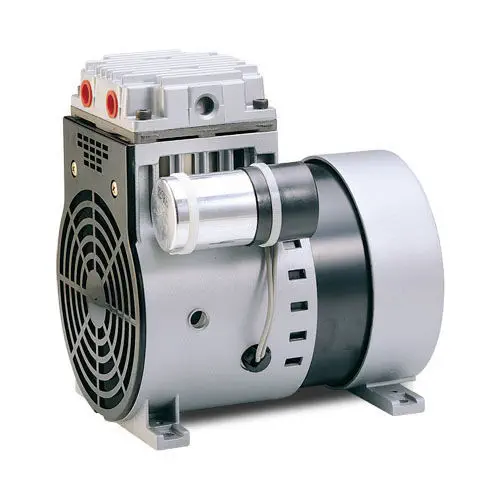
What Are the Typical Applications of Piston Vacuum Pumps?
Piston vacuum pumps find applications in various industries and processes. Here’s a detailed explanation of the typical applications of piston vacuum pumps:
1. Laboratories and Research Facilities:
– Piston vacuum pumps are commonly used in laboratories and research facilities for a wide range of applications.
– They are utilized in vacuum ovens, freeze dryers, vacuum filtration systems, and other equipment requiring controlled evacuation.
2. Pharmaceuticals and Biotechnology:
– In the pharmaceutical and biotechnology industries, piston vacuum pumps are employed for processes such as solvent evaporation, distillation, and filtration.
– They are used in drug manufacturing, vaccine production, and research involving biochemistry and molecular biology.
3. Food Processing and Packaging:
– Piston vacuum pumps play a vital role in the food processing and packaging industry.
– They are used in vacuum packaging machines to remove air from packaging containers, extending the shelf life of food products.
4. HVAC and Refrigeration Systems:
– Piston vacuum pumps are utilized in HVAC (Heating, Ventilation, and Air Conditioning) systems and refrigeration systems.
– They help evacuate air and moisture from the systems to achieve the desired pressure and prevent contamination.
5. Manufacturing and Industrial Processes:
– Piston vacuum pumps are employed in various manufacturing and industrial processes.
– They are used for degassing, vacuum impregnation, vacuum drying, and other applications that require controlled evacuation.
6. Automotive Industry:
– In the automotive industry, piston vacuum pumps are often used in brake booster systems.
– They create a vacuum to assist in brake actuation, providing the necessary power for braking.
7. Electronics and Semiconductor Manufacturing:
– Piston vacuum pumps are utilized in electronics and semiconductor manufacturing processes.
– They help create a controlled environment with low-pressure conditions during the production of microchips, integrated circuits, and other electronic components.
8. Environmental Monitoring and Analysis:
– Piston vacuum pumps are utilized in environmental monitoring and analysis equipment.
– They are used in air sampling devices, gas analyzers, and other instruments that require precise vacuum control.
9. Scientific Research and Vacuum Systems:
– Piston vacuum pumps are employed in various scientific research applications.
– They are used in vacuum systems for particle accelerators, electron microscopes, mass spectrometers, surface analysis instruments, and other scientific equipment.
In summary, piston vacuum pumps have diverse applications in laboratories, pharmaceuticals, food processing, HVAC systems, manufacturing processes, automotive industry, electronics, environmental monitoring, scientific research, and more. Their ability to provide controlled evacuation and achieve moderate vacuum levels makes them suitable for a wide range of industries and processes.
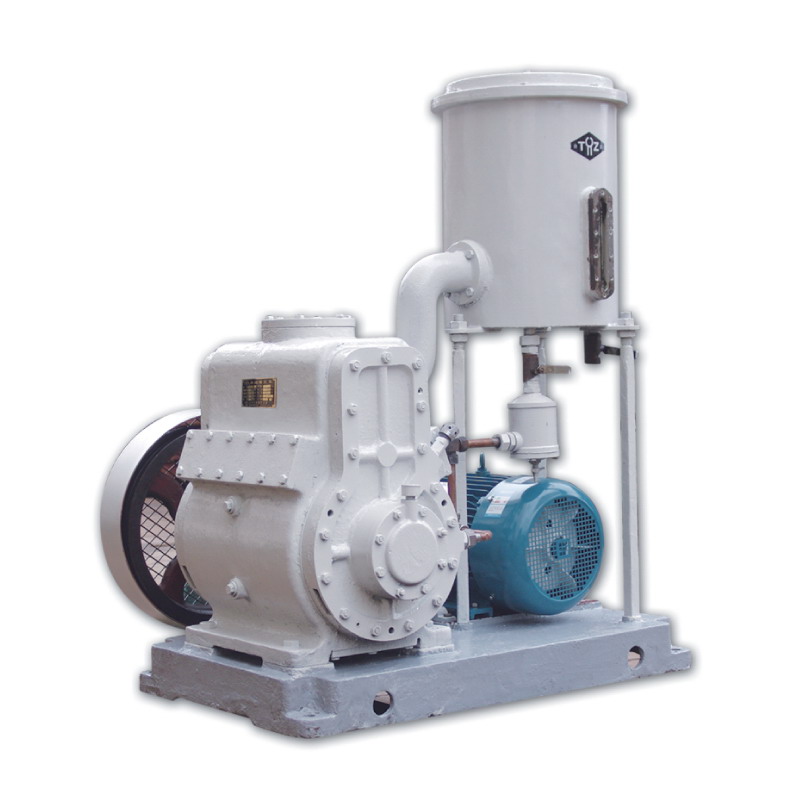
Can Piston Vacuum Pumps Be Used in Medical or Pharmaceutical Applications?
Yes, piston vacuum pumps can be used in medical and pharmaceutical applications. Here’s a detailed explanation:
– Piston vacuum pumps are versatile and widely used in various industries, including medical and pharmaceutical sectors.
– Medical and pharmaceutical applications often require vacuum technology for processes such as filtration, degassing, drying, and sample preparation.
– Piston vacuum pumps offer several advantages that make them suitable for these applications:
– High Vacuum Levels: Piston pumps can achieve high vacuum levels, which are often necessary in medical and pharmaceutical processes that require precise control and removal of gases or vapors.
– Contamination-Free Operation: Piston pumps can provide contamination-free operation, making them suitable for applications where maintaining a sterile or clean environment is crucial, such as in pharmaceutical manufacturing or medical research laboratories.
– Oil-Free Operation: Some piston vacuum pumps are designed to operate without oil lubrication. Oil-free pumps eliminate the risk of oil contamination in sensitive medical or pharmaceutical processes and avoid the need for oil changes or maintenance associated with oil-lubricated pumps.
– Quiet Operation: Piston pumps can be engineered to operate with reduced noise levels, which is advantageous in medical and pharmaceutical settings where a quiet working environment is desired.
– Durability and Reliability: Piston pumps are known for their robust construction and durability, allowing them to withstand demanding applications and provide reliable performance over extended periods.
– Compact Size: Piston vacuum pumps are available in compact designs, making them suitable for applications where space is limited, such as in medical devices or portable pharmaceutical equipment.
– Some specific medical and pharmaceutical applications where piston vacuum pumps are commonly used include:
– Vacuum Filtration: Piston pumps are used to generate the necessary vacuum for filtering solutions or suspensions in laboratory or industrial settings. This process is often employed in pharmaceutical research, production of vaccines, or purification of drugs.
– Freeze Drying: Piston vacuum pumps assist in the freeze-drying process, which is a common technique used in the pharmaceutical industry to preserve and stabilize sensitive drugs or biological samples.
– Vacuum Packaging: Piston pumps are utilized for creating a vacuum in packaging processes where maintaining product quality and extending shelf life are critical, such as in the pharmaceutical packaging of medicines or medical devices.
– Laboratory Evaporation: Piston vacuum pumps are employed in laboratory applications for the evaporation of solvents or liquids in medical or pharmaceutical research, drug development, or quality control processes.
– It is important to select the appropriate piston vacuum pump model based on the specific requirements of the medical or pharmaceutical application. Factors to consider include vacuum level needed, flow rate, compatibility with the handled substances, and compliance with industry regulations and standards.
– Additionally, compliance with Good Manufacturing Practices (GMP) and other regulatory guidelines is crucial when using piston vacuum pumps in medical or pharmaceutical applications to ensure product safety, quality, and regulatory compliance.
In summary, piston vacuum pumps are suitable for use in medical and pharmaceutical applications due to their ability to achieve high vacuum levels, provide contamination-free and oil-free operation, offer quiet and reliable performance, and accommodate compact design requirements. They are commonly used in processes such as vacuum filtration, freeze drying, vacuum packaging, and laboratory evaporation in these industries.

What Are the Differences Between Single-Stage and Two-Stage Piston Vacuum Pumps?
Single-stage and two-stage piston vacuum pumps are two common types of pumps used for creating a vacuum. Here’s a detailed explanation of their differences:
1. Number of Stages:
– The primary difference between single-stage and two-stage piston vacuum pumps lies in the number of stages or steps involved in the compression process.
– A single-stage pump has a single piston that compresses the gas in one stroke.
– In contrast, a two-stage pump consists of two pistons arranged in series, allowing the gas to be compressed in two stages.
2. Compression Ratio:
– Single-Stage: In a single-stage piston vacuum pump, the compression ratio is limited to the single stroke of the piston. This means that the pump can achieve a compression ratio of approximately 10:1.
– Two-Stage: In a two-stage piston vacuum pump, the compression ratio is significantly higher. The first stage compresses the gas, and then it passes through an intermediate chamber before entering the second stage for further compression. This allows for a higher compression ratio, typically around 100:1.
3. Vacuum Level:
– Single-Stage: Single-stage piston vacuum pumps are generally suitable for applications that require moderate vacuum levels.
– They can achieve vacuum levels up to approximately 10-3 Torr (millitorr) or in the low micron range (10-6 Torr).
– Two-Stage: Two-stage piston vacuum pumps are capable of reaching deeper vacuum levels compared to single-stage pumps.
– They can achieve vacuum levels in the high vacuum range, typically down to 10-6 Torr or even lower, making them suitable for applications that require a more extensive vacuum.
4. Pumping Speed:
– Single-Stage: Single-stage pumps generally have a higher pumping speed or evacuation rate compared to two-stage pumps.
– This means that single-stage pumps can evacuate a larger volume of gas per unit of time, making them suitable for applications that require faster evacuation.
– Two-Stage: Two-stage pumps have a lower pumping speed compared to single-stage pumps.
– While they may have a slower evacuation rate, they compensate for it by achieving deeper vacuum levels.
5. Applications:
– Single-Stage: Single-stage piston vacuum pumps are commonly used in applications that require moderate vacuum levels and higher pumping speeds.
– They are suitable for laboratory use, vacuum packaging, HVAC systems, and various industrial processes.
– Two-Stage: Two-stage piston vacuum pumps are well-suited for applications that require deeper vacuum levels.
– They are commonly used in scientific research, semiconductor manufacturing, analytical instruments, and other processes that demand high vacuum conditions.
6. Size and Complexity:
– Single-Stage: Single-stage pumps are generally more compact and simpler in design compared to two-stage pumps.
– They have fewer components, making them easier to install, operate, and maintain.
– Two-Stage: Two-stage pumps are relatively larger and more complex in design due to the additional components required for the two-stage compression process.
– They may require more maintenance and expertise for operation and servicing.
In summary, the main differences between single-stage and two-stage piston vacuum pumps lie in the number of stages, compression ratio, achievable vacuum levels, pumping speed, applications, and size/complexity. Selecting the appropriate pump depends on the desired vacuum level, pumping speed requirements, and specific application needs.


editor by CX 2024-04-02