产品描述
用于粘稠液体的可移动转子泵(巧克力泵)1英寸卫生级凸轮泵,带有黄油状旋转凸轮
旋转泵广泛应用于纸浆和造纸、化工、食品、饮料、制药和生物技术等众多行业。它们之所以在这些行业中广受欢迎,是因为它们具有卓越的卫生性能、高效率、可靠性、耐腐蚀性以及良好的原位清洗和原位灭菌(CIP/SIP)特性。
这些泵提供多种凸轮选择,包括单叶、双叶、三叶(如图所示)和多叶。旋转凸轮泵是 非接触式 并且有 大型泵室允许他们 能够处理樱桃或橄榄等固体而不造成损坏它们还用于处理浆料、糊状物、酸奶、奶油、牛奶、洗发水以及各种其他液体。如果被液体润湿,旋转泵具有自吸性能。轻柔的泵送作用可最大限度地减少产品劣化。旋转泵还提供可逆流和 可以长时间干运转流量与工艺压力的变化相对无关,因此 输出恒定 和 连续的1英寸卫生级凸轮泵,带有黄油般顺滑的旋转凸轮
1英寸卫生级凸轮泵,带有黄油般顺滑的旋转凸轮
旋转泵的工作原理——用于输送粘性液体的可移动转子泵
旋转泵的工作原理与外啮合齿轮泵类似,流体均在泵壳内壁流动。但与外啮合齿轮泵不同的是,旋转部件之间并不接触。位于齿轮箱内的外部正时齿轮可防止旋转部件与流体接触。泵轴支撑轴承也位于齿轮箱内,由于轴承位于泵送液体之外,因此压力受轴承位置和轴挠度的限制。
1英寸卫生级凸轮泵,带有黄油般顺滑的旋转凸轮
1. 当旋转体脱离滤网时,会在泵的入口侧形成不断扩大的容积。液体流入腔体,并被旋转的旋转体捕获。
2. 液体在壳体内部的旋转轴和壳体之间的空腔中流动——它不会在旋转轴之间流动。
3. 最后,旋转体的啮合迫使液体在压力下通过出口。
1英寸卫生级凸轮泵,带有黄油般顺滑的旋转凸轮
用于粘性液体的可移动转子泵规格
| 模型 | Z-3 | Z-6 | Z-8 | Z-12 | Z-20 | Z-30 | |
| 排量(升/100转/分钟) | 3 | 6 | 8 | 12 | 20 | 30 | |
| 转速范围 | 200~500 | 200~500 | 200~500 | 200~500 | 200~500 | 200~400 | |
| 相应的流量(升/小时) | 300-800 | 650-1600 | 850-2100 | 1300-3200 | 2100-5400 | 3200-6400 | |
| 摩罗功率千瓦 | 0.55 | 0.75 | 1.5 | 2.2 | 3 | 4 | |
| 孔径(毫米) | Φ25×1.5 | Φ25×1.5 | Φ25×1.5 | Φ32×1.5 | Φ38×1.5 | Φ50.8×1.5 | |
| 尺寸 | L | 710 | 780 | 850 | 980 | 1000 | 1050 |
| H | 290 | 390 | 400 | 450 | 450 | 480 | |
| H1 | 150 | 170 | 170 | 185 | 190 | 220 | |
| W | 150 | 190 | 190 | 220 | 250 | 270 | |
| W1 | 240 | 240 | 280 | 330 | 330 | 350 | |
| 尖端 | 此处列出的规格仅供参考。 | ||||||
1英寸卫生级凸轮泵,带有黄油般顺滑的旋转凸轮
旋转泵的用途和应用——用于粘性液体的可移动转子泵
旋转泵经常用于食品行业,因为 旋转泵可在不损坏产品的情况下处理固体。旋转泵输送的颗粒尺寸可以比其他卫生级泵大得多。由于旋转部件之间没有接触,间隙也比其他泵大,因此这种设计在处理低粘度液体时性能会下降。其装载特性不如其他设计,吸入能力也较弱。高粘度液体需要降低转速才能达到令人满意的性能。对于高粘度液体,额定转速降低25%或更低的情况很常见。
常见的旋转凸轮泵应用包括但不限于:
- 聚合物
- 纸张涂层
- 肥皂和表面活性剂
- 油漆和染料
- 橡胶和粘合剂
- 制药
1英寸卫生级凸轮泵,带有黄油般顺滑的旋转凸轮
用于粘稠液体食品应用的移动转子泵:
食品,例如玉米糖浆、巧克力和花生酱
| 可由旋转转子泵输送的食品和化妆品 | ||||
| 酒精 苹果泥 杏子 婴儿食品 连击 豆子 啤酒 甜菜根 饼干奶油 黑加仑 盐水 肉汤 黄油脂肪 焦糖 蓖麻油 猫粮 奶酪凝乳 乳清 樱桃 鸡肉糊 辣椒肉酱 巧克力 酸辣酱 鸟蛤 椰子油 鳕鱼油 |
咖啡酒 甜酒 玉米油 玉米糖浆 干酪 棉籽油 蔓越莓汁 奶油 奶油奶酪 蛋奶冻 狗粮 面团 整颗鸡蛋 蛋黄 精华 淡奶 鱼 调味料 翻糖 果汁 果肉 水果——整颗 水果酸奶 明胶 小黄瓜 葡萄糖 |
甘油 醋栗 肉汁 护手霜 蜂蜜 辣根 冰淇淋 糖霜 碘软膏 果酱 果冻 番茄酱 猪油 液态糖 乳液 麦芽 枫糖浆 人造黄油 果酱 棉花糖 杏仁糖 睫毛膏 蛋黄酱 牛奶 肉馅 糖蜜 |
摩丝 贻贝 芥末 指甲油 指甲油 内脏 橄榄油 洋葱 棕榈油 糊状物 花生酱 果胶 香水 皮卡利利 馅饼馅料 披萨配料 等离子体 土豆沙拉 果酱 果泥 米布丁 沙拉酱 虾 肥皂 溶剂 |
山梨糖醇糖浆 汤 酱油 烈酒 淀粉 炖菜 草莓 糖 糖浆 木薯 茶 番茄酱 番茄酱 番茄泥 牙膏 凡士林 蔬菜 醋 水 葡萄酒 麦芽 酵母 酸奶 |
| 摘自 Dickenson, TC 1995.《泵送手册》,第 9 版。Elsevier Advanced Technology:英国牛津郡基德灵顿。1 英寸卫生级凸轮泵,带黄油状旋转凸轮。 | ||||
旋转泵的优缺点:适用于粘性液体的可移动转子泵
1英寸卫生级凸轮泵,带有黄油般顺滑的旋转凸轮
| 优势 | 缺点 |
| 通过中等固体含量测试 | 需要正时齿轮 |
| 无金属与金属接触 | 需要2个密封件 |
| 卓越的CIP/SIP能力 | 稀薄液体的升力降低 |
| 长期空转(密封件需润滑) | |
| 非脉冲放电 |
旋转泵结构材料/配置选项
用于粘性液体的可移动转子泵
1英寸卫生级凸轮泵,带有黄油般顺滑的旋转凸轮
- 外部部件(缸盖、外壳)- SUS304 或 316 不锈钢缸盖和外壳
- 外部部件(变速箱)——铸铁、不锈钢
- 内部零件(转子、轴)——SS304 或 316 不锈钢,防咬合不锈钢
- 轴封——O型圈、组件式单/双机械密封、行业标准盒式机械密封
| 石油还是其他: | 油 |
|---|---|
| 结构: | 旋转真空泵 |
| 排气法: | 容积式泵 |
| 真空度: | 真空 |
| 工作职能: | 主吸泵 |
| 工作条件: | 湿的 |
| 示例: |
US$ 500/件
1 件(最低订购量) | |
|---|
| 定制化: |
可用的
|
|
|---|
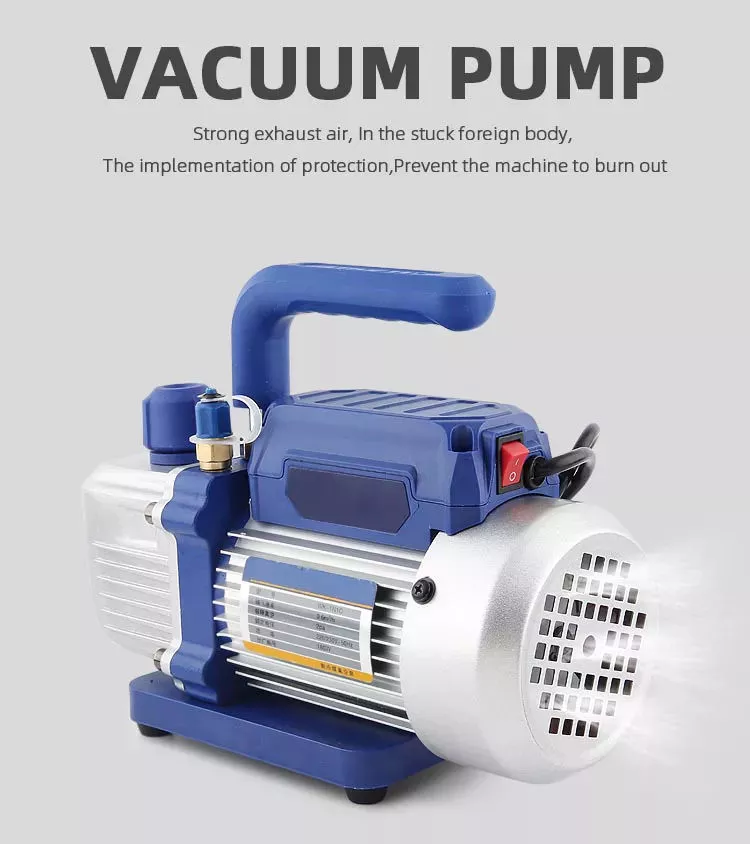
如何检查真空泵
真空泵是一种从一定空间抽取气体分子并维持部分真空的机器。它的主要功能是在规定的范围内产生相对真空。如果您的真空泵工作不正常,可能需要维修。请继续阅读,了解更多关于真空泵的类型以及如何检查它们的信息。
工业真空泵原理
工业真空泵用于需要真空的工业流程中。这些泵旨在产生、增强和维持真空。了解不同类型的工业真空技术。您可以先阅读有关最常见工业真空泵类型的介绍。这些泵可用于从清洁到制造等各种工业流程。
无论采用何种技术制造这些泵,其基本工作原理都相同。泵的转速和流量决定了其容量和适用性。更快的流量可以最大限度地缩短机器排空所需的时间。另一个需要考虑的重要因素是所需的真空类型。
液环真空泵是一种利用液环形成密封的工业泵。这种泵最适合高蒸汽负荷和高液体夹带的应用场合。液环真空泵可分为两类:液环真空泵和涡旋真空泵。
工业真空泵的工作原理是从腔室中抽取气体分子。由此产生的局部真空允许物质流过空隙。随着更多分子被抽取,腔室内的压力降低,释放出的能量可用于各种不同的用途。
工业真空泵最常见的用途是为电灯供电。在这些灯具中,真空泵抽出气体,使灯泡发光。真空产生的能量也用于飞机,为仪器提供动力。除了为工业吸尘器供电外,它们还应用于各种其他领域。
高性能工业真空系统需要使用能够承受极端压力的特定材料。这意味着这些系统中使用的材料必须经过严格的检验。此外,在安全放入真空腔之前,这些材料必须不含任何有机碎屑和其他污染物。
真空泵的类型
真空泵种类繁多。选择哪种真空泵取决于其用途和所需达到的真空度。真空泵主要分为三类:粗真空或低真空、高真空和超高真空。它们各自具有不同程度的稀缺性。压力越高,每立方厘米的分子数就越少。这反过来又提高了真空质量。
真空泵是真空系统运行的关键部件。根据工作压力范围,真空泵可分为三大类。这些真空泵具有不同的特性和技术,使其适用于特定的应用。针对特定应用选择合适的真空泵取决于所需的真空度和预算。
真空泵广泛应用于各种工业和科研过程中。其主要功能是从密封空间中抽取气体分子,从而形成部分真空。真空泵种类繁多,包括旋转活塞式真空泵、液环式真空泵和涡旋式真空泵。此外,还有涡轮分子泵也被广泛应用。
干式真空泵比湿式真空泵更昂贵。湿式真空泵使用油作为润滑液。根据应用的不同,会使用不同类型的油。一些湿式泵还具有附加功能,例如污染物过滤。然而,湿式系统的一个主要缺点是油与流体直接接触。为了避免这种情况,通常会使用油分离器。
真空泵有多种类型。最基本的类型是容积式泵。它的工作原理是膨胀腔室并排出气体分子。进气阀将流体吸入腔室,而排气阀在腔室达到最大膨胀时打开。这个循环每秒重复数次。容积式泵常用于多级真空系统中。 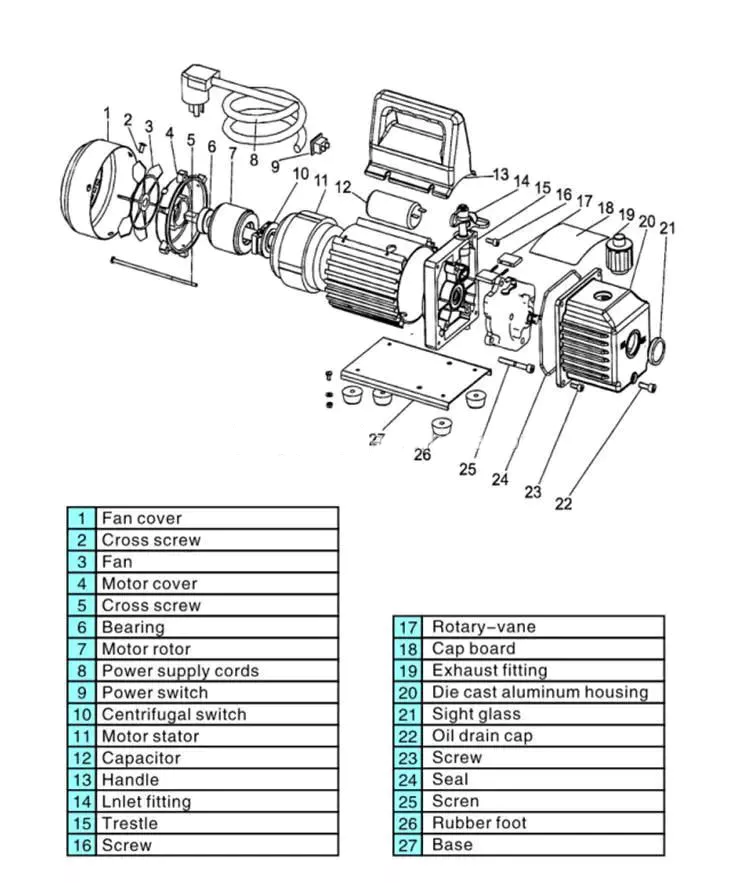
真空泵的维护
定期维护对于确保真空泵的长期有效运行至关重要。定期更换泵油是保证泵正常运转的有效方法之一。泵油可能会受到冷凝蒸汽的污染。为避免此问题,在施加真空前,请关闭进气阀 20 至 30 分钟。此外,安装进气冷阱以保护泵免受腐蚀性蒸汽的侵害也十分重要。
延长真空泵使用寿命的另一种方法是定期清除泵内的溶剂。此步骤可减少内部腐蚀,防止泵过早失效。维护时,务必断开真空泵的电源。清洁后,将其存放在干燥安全的地方。泵的处置也应符合当地法规。
真空泵可能需要频繁更换润滑油,尤其是在湿化学领域。通常建议每使用3000小时更换一次润滑油,但有些泵需要更频繁地更换。定期清洁润滑油也很重要,因为脏污或变色的润滑油会影响泵的性能。
真空泵通常配备现场观察窗,方便用户目视检查油位。干净的油呈透明状,而脏油则颜色较深。定期更换机油至关重要,因为这有助于发现各种潜在问题。真空泵性能变化或出现异常噪音也是故障的明显征兆。
更换机油后,应使用软布和温和的脱脂剂彻底清洁真空泵。更换机油只需不到十分钟,就能延长设备的使用寿命。此外,还应使用布或抹布擦拭泵的外部。
泵必须保持良好的通风,以避免内部腐蚀。如果可能,请将泵放置在远离高温设备或房间的地方。过热会降低油的粘度,导致泵过早失效。此外,过热还会导致其他昂贵的科研设备过载运行。高温还会导致橡胶部件开裂和漏油。 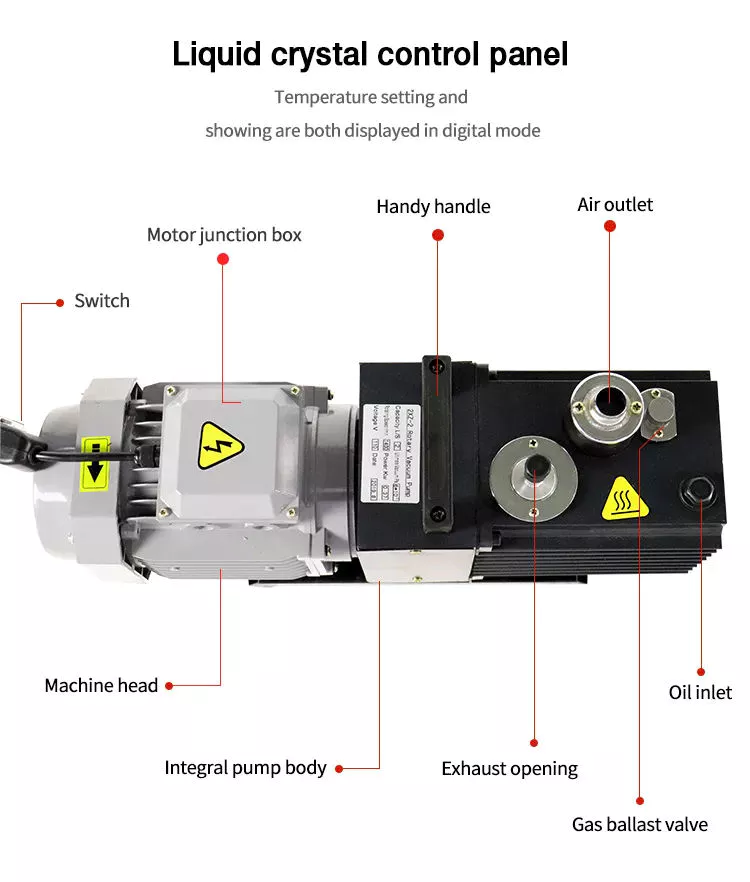
真空泵出现损坏迹象
真空泵故障会导致多种汽车问题,包括油耗增加、刹车失灵、底盘漏油以及空调失灵。如果出现上述任何问题,请联系维修技师检查车辆的真空泵。您也可以检查空调和刹车踏板是否工作正常。
水泵发出巨大噪音也可能是故障的征兆。这些噪音通常是由特定部件老化和磨损造成的。如果是这种情况,可能需要更换隔膜、阀板或密封件。但是,如果噪音来自轴承或其他部位,则可能需要更全面的维修。此外,灰尘和其他污染物也可能进入泵腔,从而降低水泵的性能。
如果真空泵无法启动,可能是保险丝熔断或电源/电压问题。其他常见原因包括入口处的流量限制或安装不当。此外,真空泵本身可能损坏,或者电容器质量不佳。真空泵是否漏油并不总是容易判断,但变速箱油腻可能是真空泵故障的征兆。
真空泵泄漏时,汽车发动机运转时也会发出嘶嘶声。如果听到这种声音,请检查软管和连接处,确保没有泄漏。真空泄漏可能表明真空泵故障,因此需要尽快更换。
检查末端压力很简单,但压力表也可以作为参考指标。您还可以通过运行一个简单的程序来检查泵的振动情况。过度振动可能很细微,但却会对您的工艺流程产生重大影响。如果您发现泵振动过大,应立即联系专业人员。
真空泵性能不佳会给公司带来诸多问题。一台性能差的真空泵不仅会浪费材料,还会损坏您的设备和声誉。


编辑:CX 2023-11-10